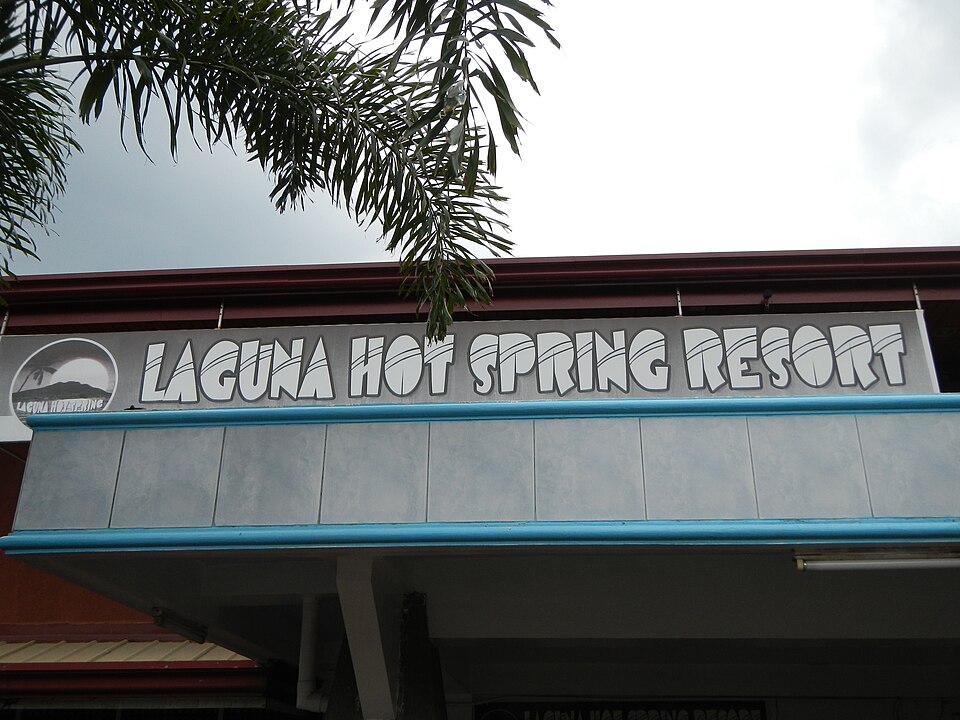
For most people from Manila, a hot spring means Pansol or Los Baños.
I grew up with this. The company outings, the barkada weekends, the family road trips that ended somewhere in Laguna with a rented villa and a pool full of geothermal water. Back in the 90s it was genuinely exciting. You piled into a van, drove two hours south, and soaked in warm volcanic water that someone had piped into a concrete pool in a garden.
It was, and still is, a wonderful thing.
But I will be honest. I have never loved a swimming pool for its own sake. The chlorinated resort pool, the one that is cold and sharp-smelling and makes your eyes red, I avoid it whenever I can. I never understood the appeal. What I love is the water itself when it is warm and mineral and alive. The Pansol pool gave me a version of that. Hot spring water in a man-made vessel, surrounded by trees, with food nearby and easy company.
That was enough for a very long time.


SpringsAtlas may earn a commission, at no extra cost to you.
Then Japan happened.
What changes when the air is cold
I remember the first time I lowered myself into an outdoor rotenburo in Japan. The air was cold enough that I could see my own breath. The water was hot enough that it took thirty seconds to get all the way in. And then, when I was finally submerged, something shifted.
The cold air on my face and shoulders. The deep volcanic heat below my shoulders. The silence of the mountain.
Nothing about the water itself was different from what I had experienced in Laguna. Geothermal water is geothermal water. But the cold air changed everything. It created a contrast that the tropical heat of Laguna had never allowed. In Pansol, the ambient temperature is warm. The hot spring pool is warmer. The difference is pleasant but gentle.
In a Japanese mountain rotenburo, the difference is dramatic. It wakes something up.
The surprise closer to home
After Japan, I found myself thinking about the Cordillera differently.
Ryan looked up the altitude of Asin Hot Springs near Baguio. 640 meters. He looked up Itogon. 430 meters. Lake Agco on the slopes of Mount Apo. 1,250 meters.
These are not the lowland heat of Pansol. These are mountain springs in genuinely cool highland air. Not as cold as Tohoku in November. Not as dramatic as Hokkaido in February. But the principle is the same. Warm volcanic water. Cool air above it. The contrast that changes the experience.
We had it the whole time. We just had not gone looking for it.
Asin Hot Springs, Tuba, Benguet
The road up from Baguio to Asin takes you through a valley where the air starts to feel different. Not cold in a sharp way but cool in the way that mountain air is in the Philippines, softer than Japan but noticeably lighter than Manila.
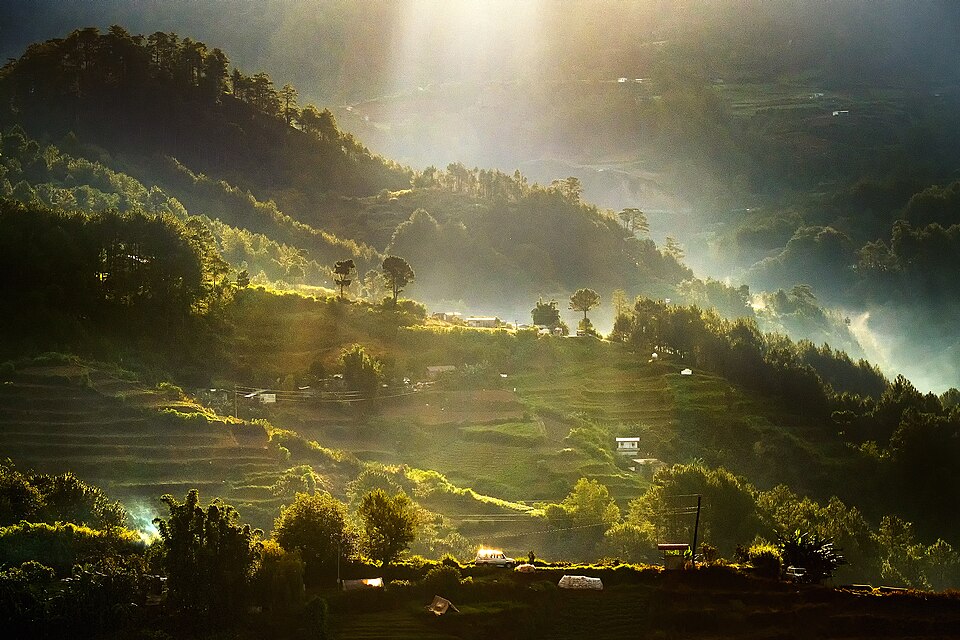
Asin sits at 640 meters beside the Asin River, surrounded by the green Benguet hills. The pools are concrete and the setting is not trying to be anything other than what it is: a community resort where the water is genuinely volcanic and genuinely warm.
It is not a rotenburo. But sitting in a 38 to 40 degree pool at 640 meters, with mountain air on your face, is a different experience from the same temperature in the heat of Laguna. I have not yet been to Asin but I have been to enough mountain springs to know what this combination feels like.
The drive from Baguio is fast. It is the kind of place you can reach on a half-day from the city. And unlike Pansol, which can be gridlocked on a holiday weekend, Asin stays genuinely local.
Itogon Hot Spring Resorts, Benguet
Itogon sits in a river valley below Baguio, deeper into the Cordillera. To reach it you take the jeepney from the terminal near the Baguio public market and ride down into a canyon ringed by pine-covered ridges.
The springs here are community resorts, functional rather than polished, with concrete pools fed by geothermal vents along the river. The water runs at 37 to 41 degrees. The altitude is 430 meters. The canyon keeps the air cool in the mornings and shaded in the afternoons.
Itogon is also a mining municipality. The gold and copper history of this area goes back centuries, and the Ibaloi communities who have lived here through all of that history also maintained the thermal waters as a place of rest. There is something grounding about soaking in water that generations of people have used for the same purpose in the same place.
Lake Agco Hot Springs, Kidapawan
This one requires a trip to Mindanao and a motorcycle ride up the slopes of Mount Apo. It is not a casual outing. But Lake Agco sits at 1,250 meters, and at that altitude, on the highest mountain in the Philippines, the air is genuinely cold.
The site centers on a steaming, mud-rimmed volcanic lake. Local Manobo communities consider the mountain sacred. The word Apo means grandfather, or revered ancestor. The pools here are managed by the community and the atmosphere is unlike anything else in the country.
At 1,250 meters, the contrast that I first discovered in Japan becomes real in a Philippine setting. Cool highland air. Volcanic hot water. The same principle, the same feeling, just spoken in a different landscape.
The sequence that makes sense
Looking back, the journey from Pansol to Japan to Cordillera makes a kind of sense.
Pansol taught me that natural hot water in any container, even a simple concrete pool in a garden, is worth prioritizing over a chlorinated resort. Japan showed me what cold air does to the experience. And the Philippine highlands revealed that we already had that combination here, waiting, at every mountain spring we had never thought to visit.
The next time you are in Baguio and someone suggests a resort with a swimming pool, ask about the hot spring instead. The cold mountain air is already there. The volcanic water is just down the road.