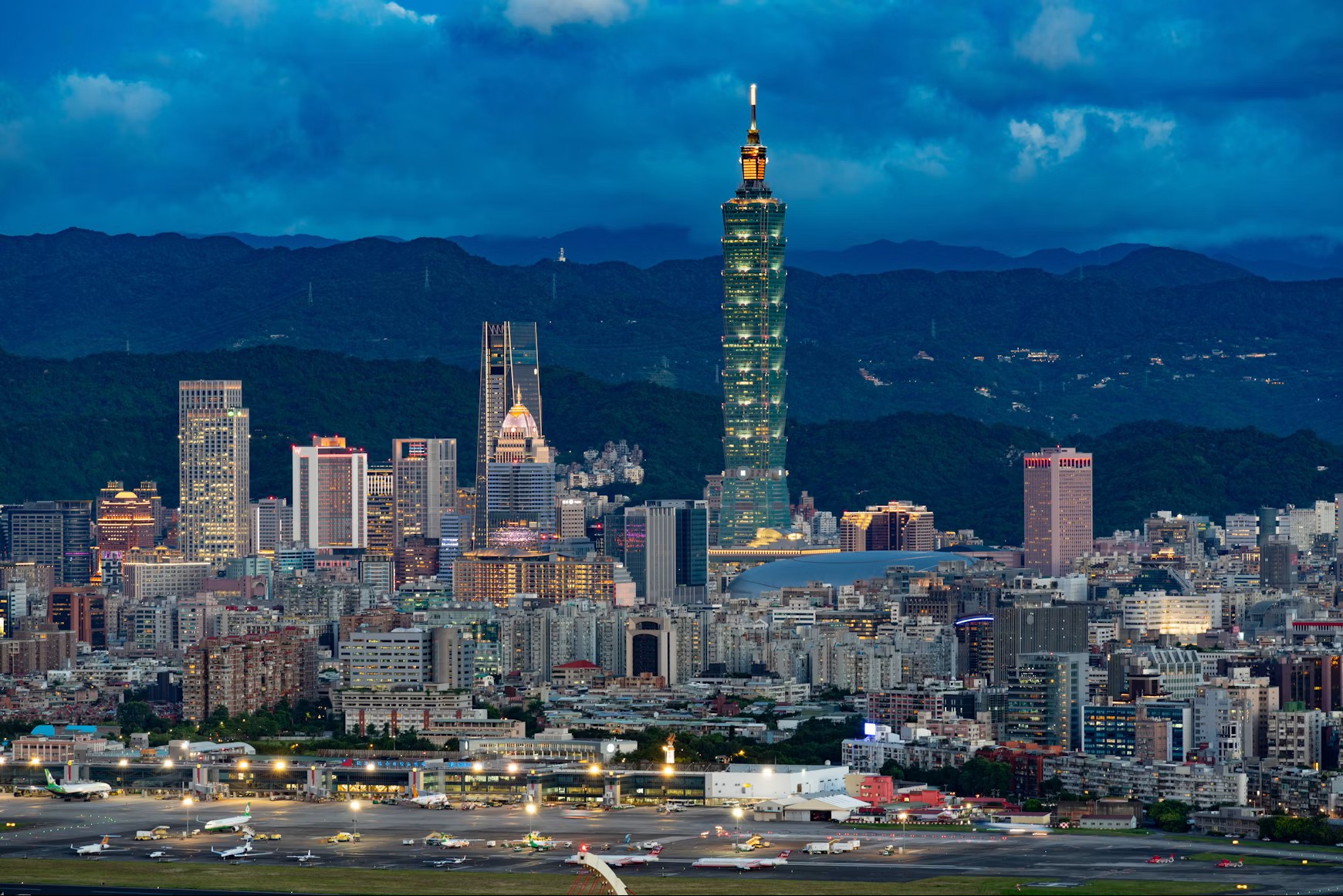
Taiwan sits on the Pacific Ring of Fire, and the island is riddled with geothermal activity. There are more than 100 known hot spring sites scattered from the volcanic north to the rugged east coast. But Taiwan's soaking culture is not only a product of geology. It is also a product of history.
To understand why Taiwanese people bathe the way they do, you have to go back a little over a century, to the years when Taiwan was governed by Japan.


SpringsAtlas may earn a commission, at no extra cost to you.
The springs were always here
Indigenous peoples of Taiwan knew about the island's hot springs long before any formal bathing culture existed. Communities living near geothermal sources used them for warmth and washing, and some regarded particular springs as sacred or medicinal. The water was part of the landscape, not a destination.
What did not yet exist was the idea of the developed hot spring resort: the bathhouse, the inn built around the source, the ritual of soaking as leisure. That arrived from somewhere else.
The Japanese era and the birth of the bathhouse
Japan governed Taiwan from 1895 to 1945. The Japanese brought with them a fully formed onsen culture, and they recognised quickly that Taiwan's geothermal resources were extraordinary.
The transformation was most visible in Beitou, in the hills north of Taipei. In 1896, a Japanese entrepreneur opened what is generally considered Taiwan's first hot spring inn there. Within a few years Beitou had become a full onsen district, complete with public bathhouses, inns, and the unmistakable layout of a Japanese spa town. The colonial government even built a grand public bathhouse in 1913, modelled on Japanese designs, which still stands today as the Beitou Hot Spring Museum.
This was not a minor cultural footnote. The Japanese era established the physical and social template that Taiwanese hot spring towns still follow: the source, the inn, the public bath, the quiet etiquette of soaking. You can soak in Beitou today and feel the architecture of that period all around you.
What changed after 1945
When Japanese rule ended, the bathhouses did not disappear. Taiwanese people had thoroughly adopted hot spring bathing, and the towns kept operating. But the culture began to drift away from its strict Japanese origins and develop its own character.
A few differences stand out:
- Mixed and clothed bathing is common. Where traditional Japanese onsen are nude and gender-separated, many Taiwanese hot springs are public, co-ed, and swimsuit-friendly. Family-style soaking is the norm at a lot of resorts.
- Private rooms are everywhere. Taiwan embraced the private hot spring room far more than Japan did. Renting a tiled room with your own tub for an hour is a standard, affordable option, popular with couples and families.
- The water is the draw, not the ritual. Taiwanese hot spring culture is relaxed about the rules. The focus is on the health and pleasure of the water itself rather than on a fixed bathing ceremony.
Taiwan's distinctive waters
Taiwan's geology gave it an unusual variety of spring types for such a small island.
| Type | Where | Character |
|---|
| Sulfur springs | Beitou, Yangmingshan | Strong mineral smell, milky water, volcanic |
| Sodium bicarbonate | Jiaoxi | Clear, odourless, gentle on skin |
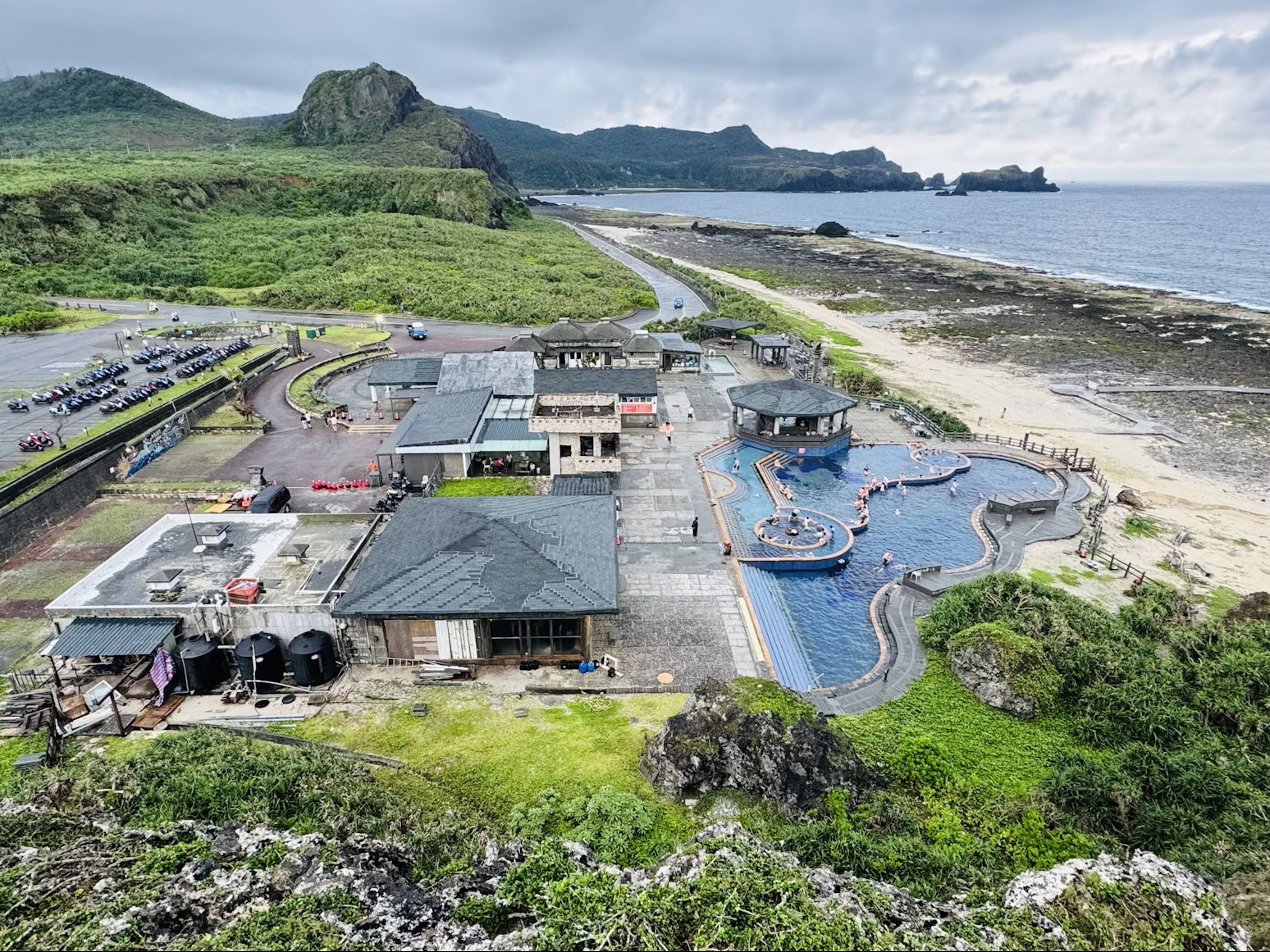
| Mud and seabed springs | Guanziling, Green Island | Rare. Green Island has one of the world's few seawater hot springs |
| Carbonic springs | East coast valleys | Clear, mineral-rich, often in remote settings |
Jiaoxi, in Yilan, is famous for water so clear and gentle that locals call it beauty water and bathe in it without any sulfur smell at all. Green Island, off the southeast coast, has a saltwater hot spring fed by the sea, one of only a handful anywhere on earth.
How to soak like a local today
If you visit a Taiwanese hot spring, the experience is welcoming and low-pressure. A few notes:
- Public pools usually require a swimsuit and a cap. Bring both.
- Private rooms are rented by the hour and are the easy choice if you want privacy or are travelling as a family.
- Shower before entering, as you would anywhere.
- Many of the best springs are a short trip from a major city, which makes Taiwan one of the easiest places in the world to add a soak to a normal itinerary.
Taiwan's hot spring culture is a genuine fusion: Japanese structure, indigenous landscape, and a relaxed local sensibility layered on top. Soaking here is a small history lesson you can feel in the water.
You can explore Taiwan's hot spring towns by region in the SpringsAtlas Taiwan directory, from the sulfur valleys of Beitou to the beauty waters of Jiaoxi.
Sources and further reading
- Beitou Hot Spring Museum, history of the 1913 public bathhouse and the Beitou hot spring district, Taipei City Government.
- Taiwan Tourism Administration, Ministry of Transportation and Communications, hot spring destination guides (Beitou, Jiaoxi, Guanziling, Green Island).
- General histories of the Japanese colonial period in Taiwan (1895 to 1945) for the development of the hot spring inn and bathhouse culture.
- SpringsAtlas listings database for spring types, temperatures, and locations.