
Széchenyi Thermal Bath
Széchenyi Gyógyfürdő
4.4 · 43500 reviews · via Google
Széchenyi Thermal Bath
calcium-magnesium · Central Hungary
Hotter than 78% of Hungary springs (n=18).
More acidic than 0% of Hungary springs (n=18).
Mineral profile
Bar width reflects listing order, not measured concentration.
Suitability
At a glance
Getting there
Easy — under 1km from a station
Cost
High
Crowd level
Popular
About this spring
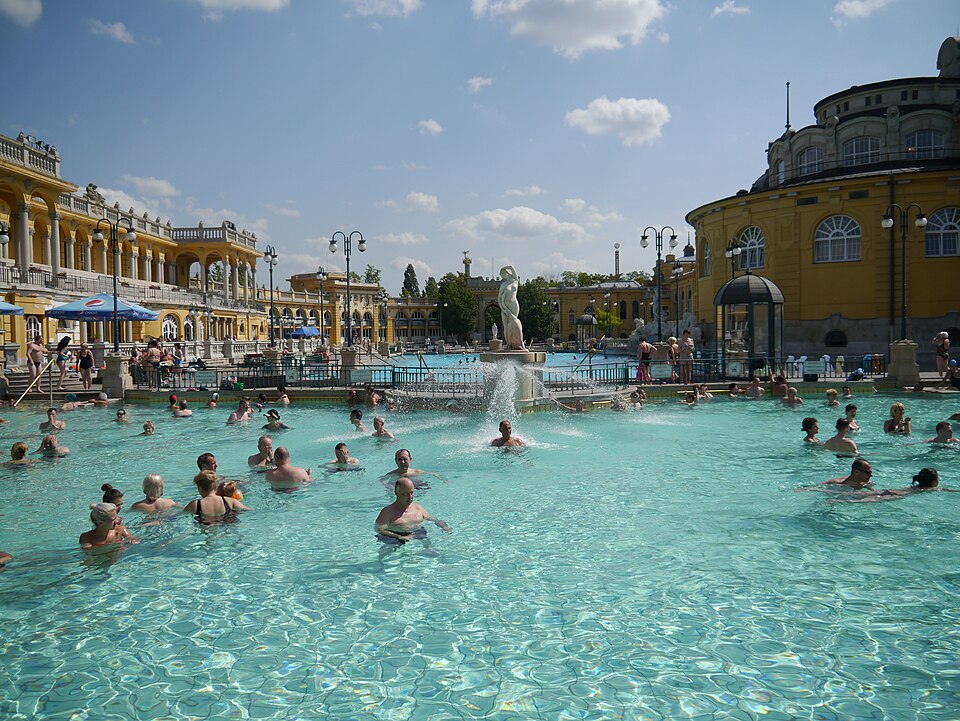
The water is rich in calcium, magnesium, and hydrogen carbonate, surfacing at high temperatures to fill eighteen distinct indoor and outdoor pools. The facility features a spectacular Neo-Baroque yellow palace structure with large outdoor swimming areas where locals famously play chess in the steaming water. It suits travelers looking for a grand architectural experience and extensive thermal facilities. Rental towels can have long lines so bringing your own towel and flip-flops is highly recommended. Swim caps are strictly mandatory only in the outdoor fitness lap pool while the thermal pools do not require them. Expect large tourist crowds during peak afternoon hours.
Highlights
History
Designed by architect Gyozo Czigler, construction began in 1909 and the neo-Baroque palace opened its gates in 1913.
Geologist Vilmos Zsigmond originally discovered the therapeutic artesian spring in City Park during drilling projects in 1878. Due to massive popularity, the facility underwent an expansive extension in 1927 to add its signature open-air swimming pools and a public beach.
Local guide
Walking through the wrought-iron gates into the courtyard, you are met with the full scale of the neo-Baroque palace at once, its ochre-yellow facade wrapping around three sides of the outdoor pools. Steam rises off the water even in summer, and on a cold morning the whole courtyard disappears into a soft white haze. The scene of retirees playing chess on floating boards in the middle of the main pool is not staged for tourists. It happens every day, all year.
The outdoor thermal pools sit around 38 degrees, warm enough to linger for hours without the chill setting in, and the water carries a faint mineral weight that leaves your skin feeling slightly silky rather than dry. Moving indoors, the pace changes completely. The interior thermal halls are quieter, tiled floor to ceiling, and the different pools each run a slightly different temperature, so a slow circuit through the building becomes its own kind of itinerary.
Bring a swim cap if you plan to use the indoor lap pool, since it is required there even though the thermal pools do not ask for one. A padlock is useful too, even though lockers are provided, because the changing areas get crowded around midday.
Early morning, right at opening, is the best window if you want the outdoor pools without the crowds, since tour groups tend to arrive after ten. The on-site buffet near the entrance does a decent lunch if you want to stay the whole afternoon without leaving the grounds.
Mineral chemistry
Water character inferred from mineral type — verify on site.
Calcium chloride springs share the heat-retaining property of sodium chloride springs but with a stronger warming effect. Prized for muscle and joint relief.
The strong warming effect means those with cardiovascular conditions, high blood pressure, or pregnancy should limit soak duration and consult a doctor if in doubt.
Bicarbonate springs cleanse and soften the skin surface, removing excess sebum without stripping the skin's acid mantle. Traditionally recommended for acne-prone skin and sensitive skin types.
Bicarbonate springs are generally among the most gentle and well-tolerated onsen types.
Sulfate springs contain dissolved calcium, sodium, or magnesium sulfate. Calcium sulfate springs are traditionally associated with wound healing and post-surgical recovery.
Sodium sulfate springs can have a mild laxative effect in sensitive individuals — stay well hydrated.
Similar springs
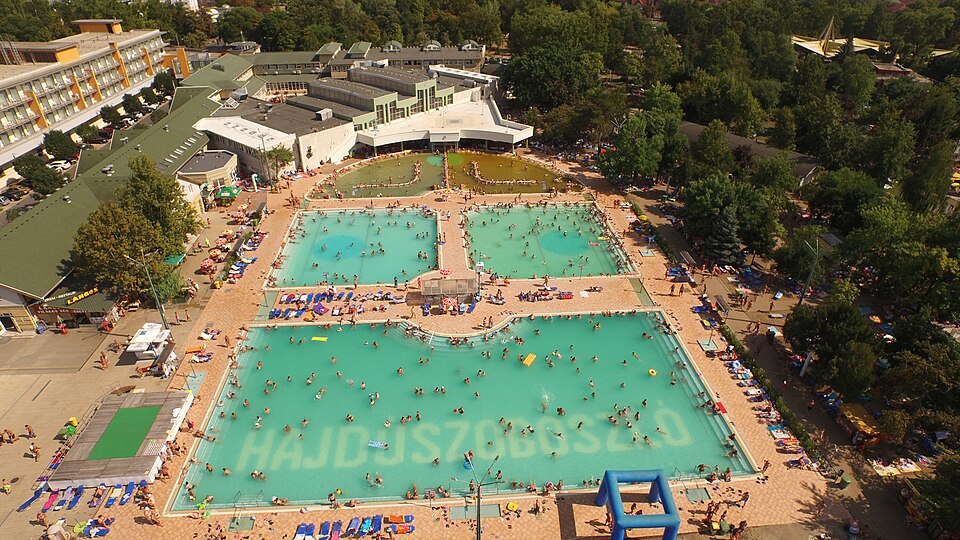
The famous iodine and bromine-rich thermal water has a distinct dark brown tint and a strong salt aroma, flowing into a massive array of pools. The facility is the largest spa complex in Europe, featuring a covered Aqua-Palace adventure spa, a massive traditional open-air medicinal bath, and a giant summer water park with a Mediterranean beach layout. It suits everyone from senior citizens looking for medical mud wraps to teenagers seeking extreme water slides. Because the complex is completely massive, buying a combined ticket that covers the specific zones you want to visit is highly recommended. Expect significant walking distances between the indoor halls and outdoor pools.
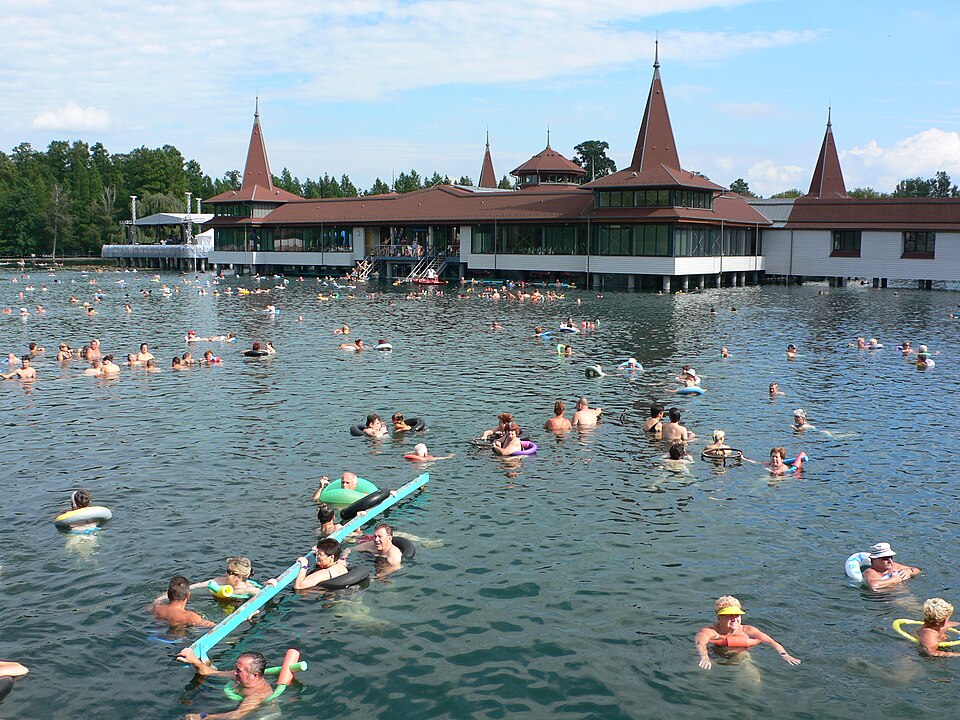
The lake water is a unique biological mix of sulfur, calcium, magnesium, and mild radon minerals, constantly replenished by deep subterranean cave springs that completely refresh the lake every seventy-two hours. The facility is the largest swimmable natural thermal lake on earth, featuring a central timber bathhouse from which swimmers float out among blooming pink water lilies. It suits couples and wellness travelers looking for a unique open-air natural environment. Because the lake is exceptionally deep, renting or bringing a foam pool noodle is highly recommended for effortless floating. Children under twelve are restricted from the therapeutic water due to its powerful mineral composition.
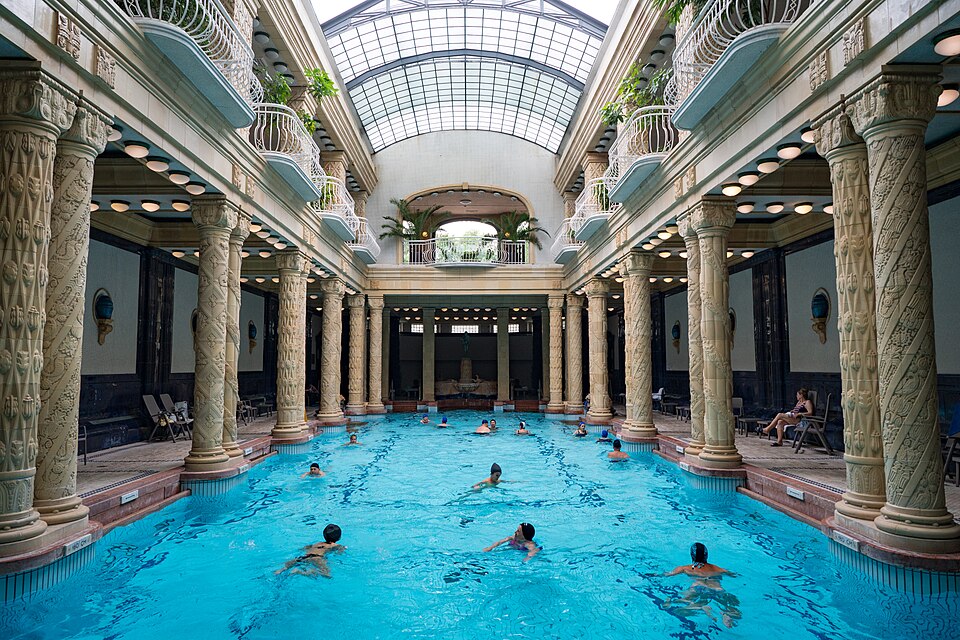
The healing springs are loaded with calcium, magnesium, and hydrocarbonate minerals, keeping a series of ornate indoor pools beautifully heated. The facility showcases magnificent Art Nouveau architecture with intricate Zsolnay porcelain mosaics, towering marble columns, and colorful stained-glass windows overhead. It heavily suits art lovers and travelers seeking a visually striking, historical soaking environment. Visitors should note that the historic indoor pools can echo significantly and feel crowded during weekend afternoons. Bringing a personal towel and sandals is highly recommended. Swim caps are required only if you decide to enter the indoor wave and swimming pool areas.
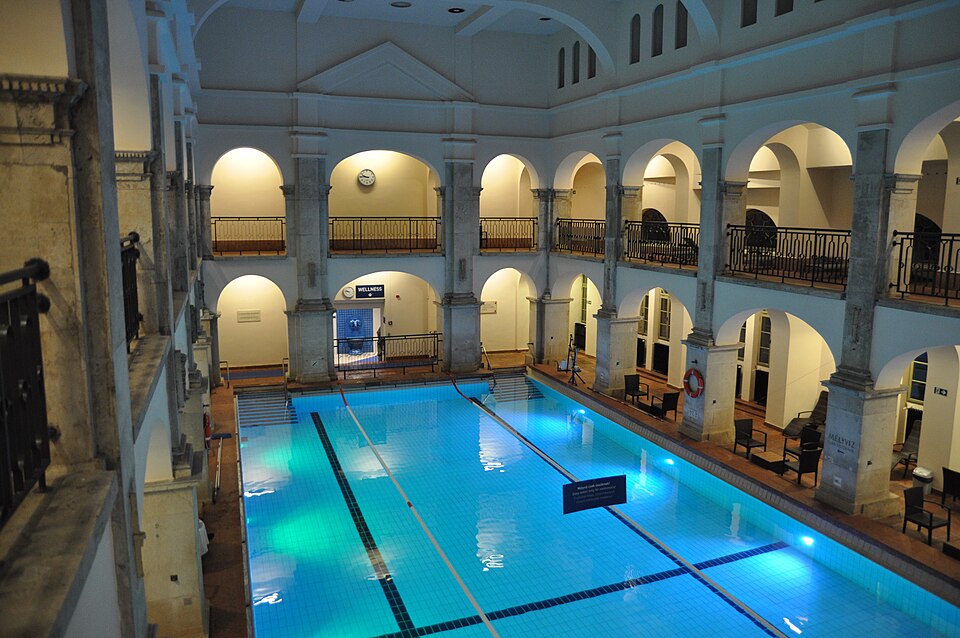
The natural thermal water contains high levels of sulfur, calcium, and magnesium, flowing directly into a historic octagonal pool hall and modern wellness areas. The facility seamlessly blends a sixteenth-century Ottoman dome bath with a sleek modern wellness wing featuring a rooftop hot tub that overlooks the Danube River. It suits travelers looking for both historic Turkish authenticity and modern panorama views. Visitors must be aware that the historic Turkish section retains traditional single-sex days for men and women during the week while the weekend is completely coed. Swimsuits are required on coed days and a swimsuit is always mandatory in the newer rooftop wellness sections.
Amenities
Getting there
From Budapest
Gateway: Szechenyi furdo Metro Station (0 min)
M1 yellow metro line directly to the bath
Total journey: 15 min
- From Keleti station via Dozsa Gyorgy ut (Taxi) · 3.2km · 8 min
- Directly from the metro exit into City Park (Walk) · 0.1km · 1 min
Take metro line M1 directly from Deák Ferenc tér to the Széchenyi fürdő station inside City Park.
Location & nearby
Budapest, Állatkerti krt. 11, 1146
Make a day of it
Pair your soak with these nearby spots.
Attraction
Thermal Beer Spa
0.0km away
Attraction
Terme Szechnyi Budapest
0.1km away
Park
Budapest Vàrosliget City Park
0.1km away
Attraction
Széchenyi fürdő
0.2km away
Attraction
Korhinta
0.2km away
Park
Varosligeti-to
0.2km away
More springs in Central Hungary
The healing springs are loaded with calcium, magnesium, and hydrocarbonate minerals, keeping a series of ornate indoor pools beautifully heated. The facility showcases magnificent Art Nouveau architecture with intricate Zsolnay porcelain mosaics, towering marble columns, and colorful stained-glass windows overhead. It heavily suits art lovers and travelers seeking a visually striking, historical soaking environment. Visitors should note that the historic indoor pools can echo significantly and feel crowded during weekend afternoons. Bringing a personal towel and sandals is highly recommended. Swim caps are required only if you decide to enter the indoor wave and swimming pool areas.
The natural thermal water contains high levels of sulfur, calcium, and magnesium, flowing directly into a historic octagonal pool hall and modern wellness areas. The facility seamlessly blends a sixteenth-century Ottoman dome bath with a sleek modern wellness wing featuring a rooftop hot tub that overlooks the Danube River. It suits travelers looking for both historic Turkish authenticity and modern panorama views. Visitors must be aware that the historic Turkish section retains traditional single-sex days for men and women during the week while the weekend is completely coed. Swimsuits are required on coed days and a swimsuit is always mandatory in the newer rooftop wellness sections.
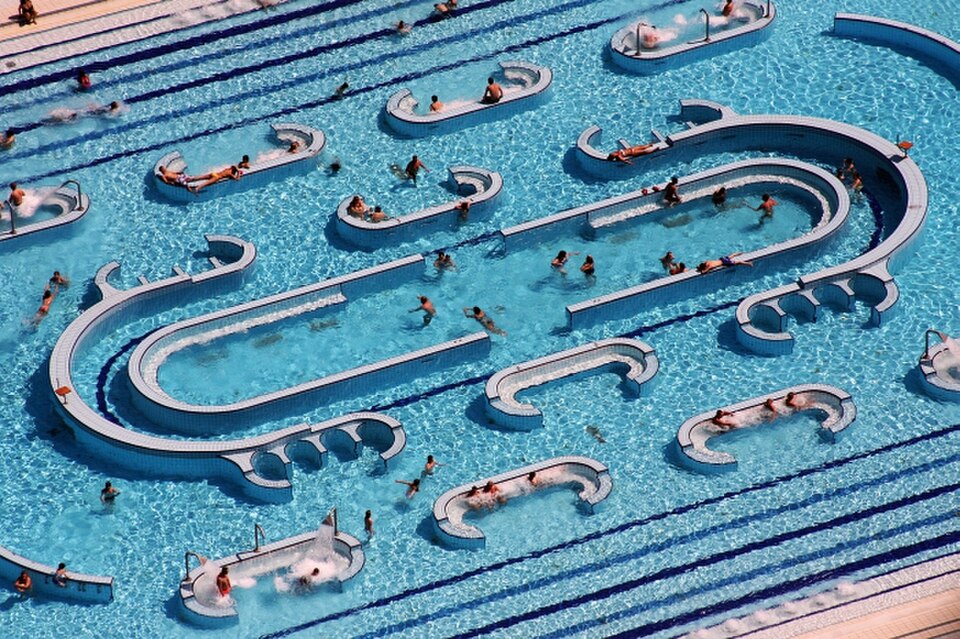
The thermal water is sourced directly from the deep boreholes of Margaret Island, containing calcium, magnesium, and low-concentration sulfur minerals across multiple thermal pools. The facility operates as a massive open-air lido and beach park during summer, featuring giant water slides, a wave pool, and indoor thermal baths that stay open all year. It suits families, lap swimmers, and active travelers looking for extensive outdoor space and casual sunbathing lawns. Visitors should prepare for massive family crowds and long food kiosk lines during warm summer weekends. Swim caps are required strictly in the designated swimming lanes while casual thermal pools are cap-free.
Common questions
What is the water temperature at Széchenyi Thermal Bath?▾
The water temperature at Széchenyi Thermal Bath ranges up to 40°C (minimum around 28°C).
Is Széchenyi Thermal Bath free to visit?▾
Széchenyi Thermal Bath charges an entrance fee in HUF.
Is Széchenyi Thermal Bath a public or private bath?▾
Széchenyi Thermal Bath is a public bathing spring.
Are tattoos allowed at Széchenyi Thermal Bath?▾
Yes, Széchenyi Thermal Bath welcomes visitors with tattoos.