
Sulfur Hot Springs in New Zealand
New Zealand has 5 documented sulfur hot springs. Sulfur water is the classic onsen experience: often milky-white, mineral-rich, and unmistakably scented. These springs are prized for their reputed skin and circulation benefits.
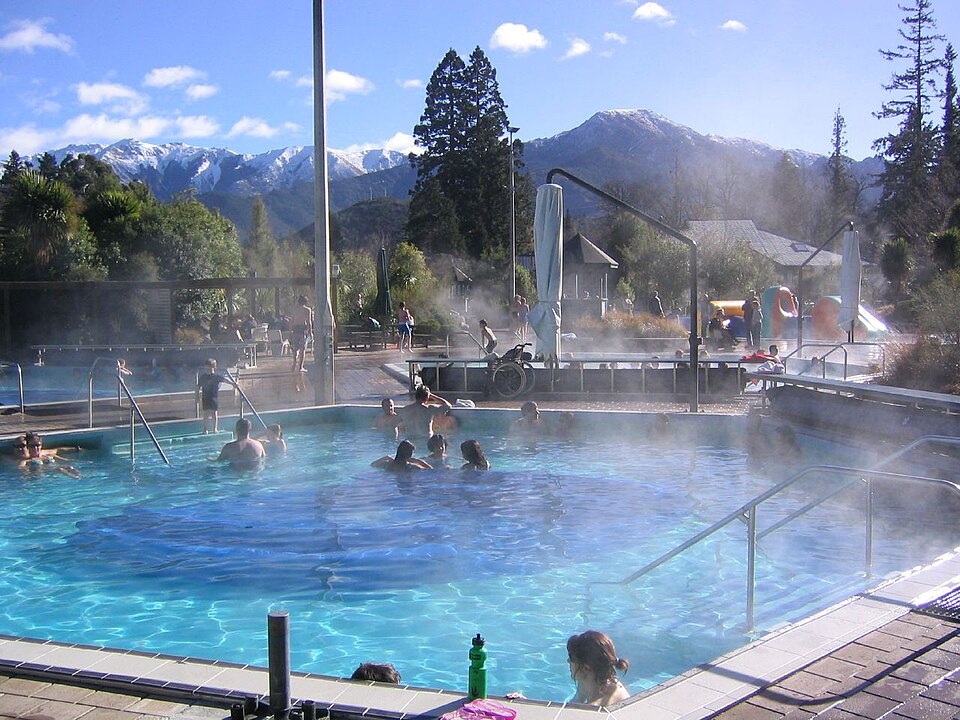
Hanmer Springs is New Zealand's premier alpine thermal resort, nestled in a picturesque mountain village surrounded by redwood forests. The complex features an extensive array of pools, including sulfur pools, terraced mineral pools, aqua therapy pools, and recreational water slides. The naturally heated waters contain high levels of sodium chloride, boron, and sulfur, which offer therapeutic benefits for joint pain and muscular recovery. Visitors can experience a wide variety of soaking environments from quiet, adults-only relaxation zones to lively family areas. The setting is beautifully landscaped with native gardens and alpine architecture. A fully equipped day spa offers massage therapies, and on-site cafes provide refreshments. It is a highly developed resort requiring towels and swimsuits. This public complex is completely family-oriented and open daily.
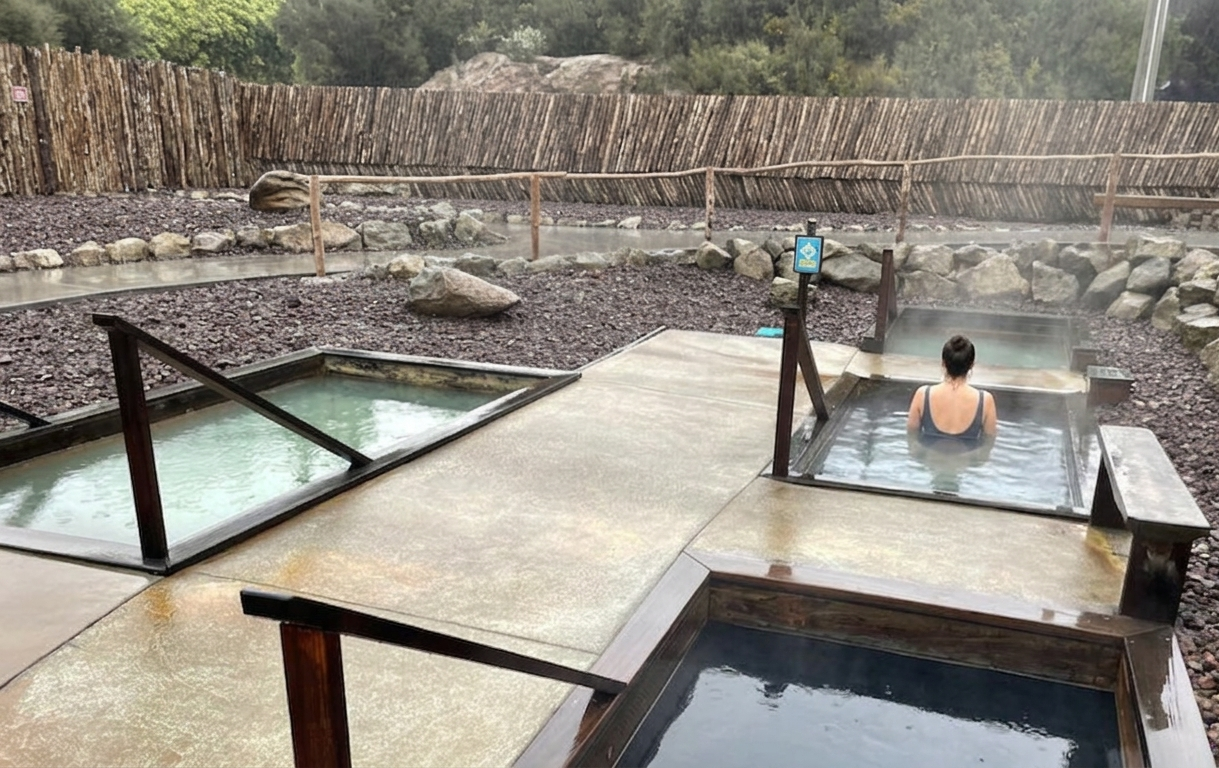
Ngawha Springs is an authentic, culturally significant Maori thermal reserve featuring a cluster of rustic timber-lined mineral pools with diverse chemical profiles. The muddy, dark waters are intensely rich in sulfur, hydrocarbonate, and boron, bubbling directly from deep planetary faults. Each individual pool has its own unique color, temperature, and name, renowned locally for relieving chronic ailments and arthritis. The facility was completely redeveloped in recent years with modern boardwalks, changing rooms, and historical storytelling displays while retaining its traditional healing essence. The atmosphere is deeply community-oriented and respectful of indigenous tikanga protocols. Due to the high mineral and gas content, silver jewelry will instantly tarnish in the dark waters.
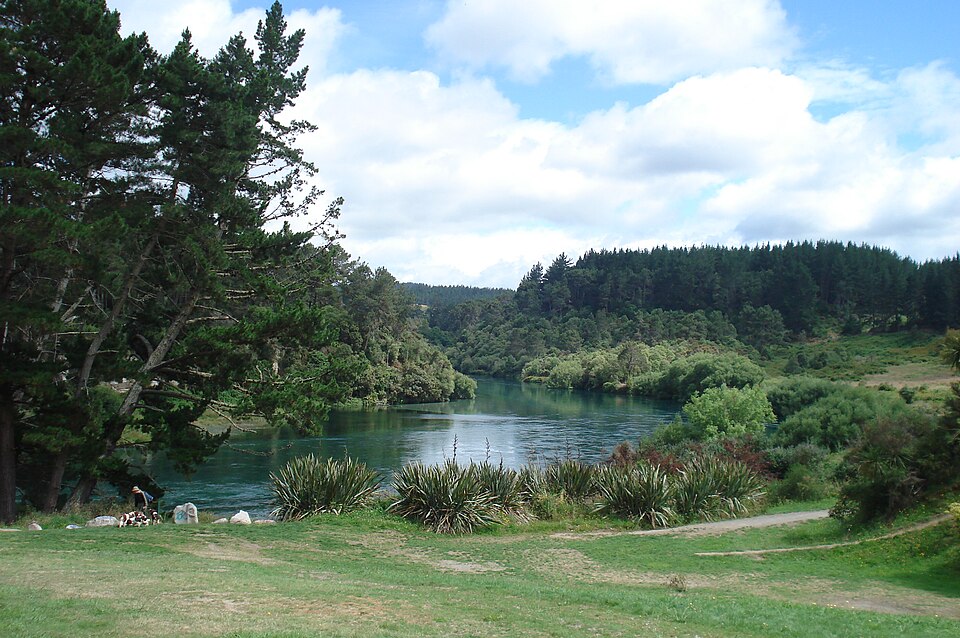 FREE
FREEOtumuheke Stream is a popular, completely free natural hot river that cascades over smooth rocks directly into the cold, pristine waters of the Waikato River. Bathers can find their ideal temperature by moving closer to the steaming stream inlet or further out into the main river blending currents. The local council recently upgraded the park with modern wooden viewing decks, changing rooms, public toilets, and a small cafe kiosk at the entrance. The natural pools feature gravel bottoms and are surrounded by lush native grasses and riverside walking paths. It provides a highly social, scenic, and authentic outdoor soaking experience. Parents must monitor children closely due to the adjacent river's swift, deep currents.
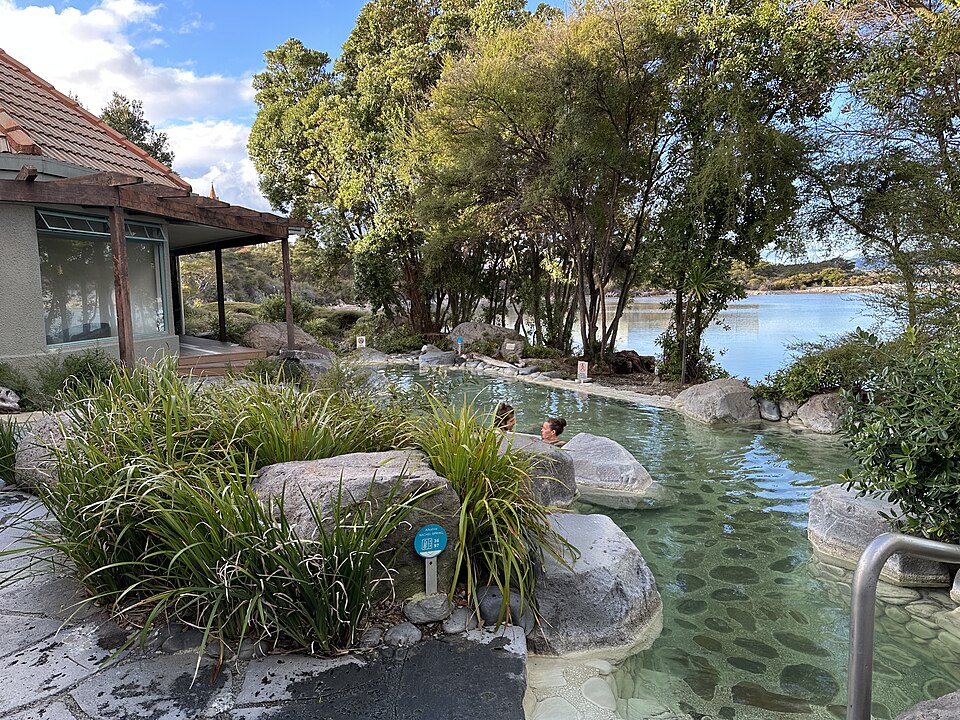
Polynesian Spa is a world-class, heavily developed thermal bathing complex situated on the scenic shores of Lake Rotorua. The facility utilizes two distinct natural springs: the acidic Priest Spring, which relieves tired muscles and arthritis, and the alkaline Rachel Spring, which nourishes the skin with silica. The complex features 28 mineral pools divided into deluxe lakefront areas, adult-only deep pools, private cabins, and a large family spa with a hydro slide. The pools are surrounded by beautifully manicured native flora with sweeping vistas across the volcanic lake waters. A full-service wellness day spa provides premium mud wraps and hydrotherapy treatments. It is completely accessible and requires standard swimsuits.
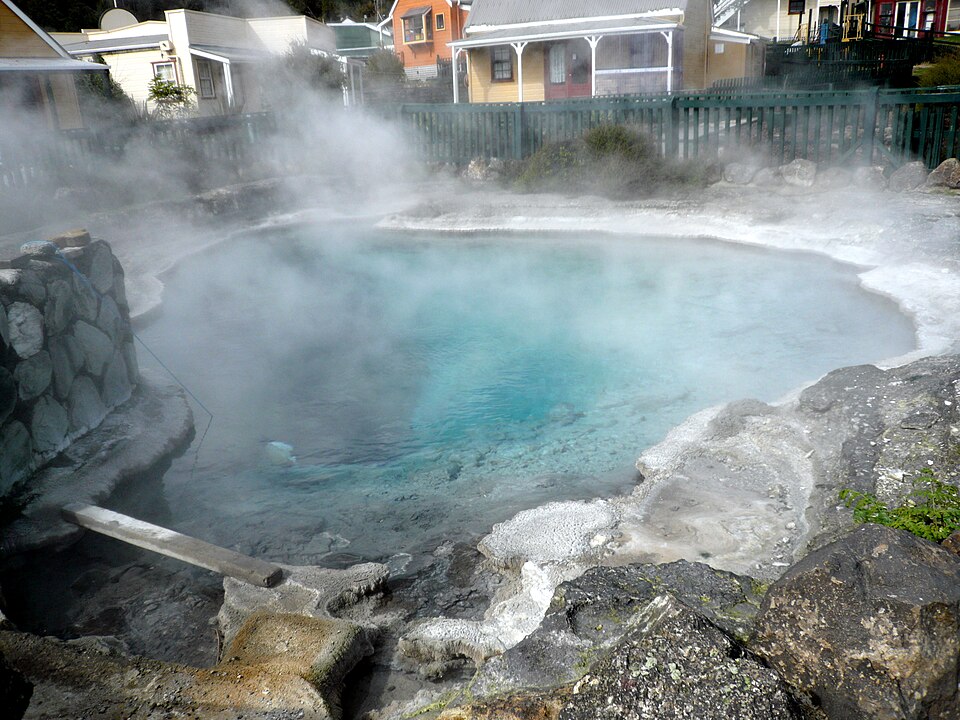
Whakarewarewa is an authentic living Maori village constructed directly on top of an active geothermal field, where residents have lived alongside bubbling mud pools and geysers for centuries. Visitors take cultural walking tours to observe how natural steam vents are used for cooking hangi meals and communal bathing boxes are utilized by local families. The historic village pools are residential and closed to public swimming, though a dedicated footbath zone lets visitors soothe their feet in the geothermal water. For a full immersion soak, visitors typically head to the commercial spas located right outside the village boundary. The entry fee directly supports the indigenous Tuhourangi Ngati Wahiao community who manage the heritage site. The pathways are flat and highly accessible for all visitors.