
Ngawha Springs
4.6 · 720 reviews · via Google
Ngawha Springs
sulfur · North Island
Hotter than 79% of New Zealand springs (n=14).
More acidic than 7% of New Zealand springs (n=14).
Mineral profile
Bar width reflects listing order, not measured concentration.
Suitability
At a glance
Getting there
Remote — over 5km from the nearest station
Cost
Moderate
Crowd level
Quiet
About this spring
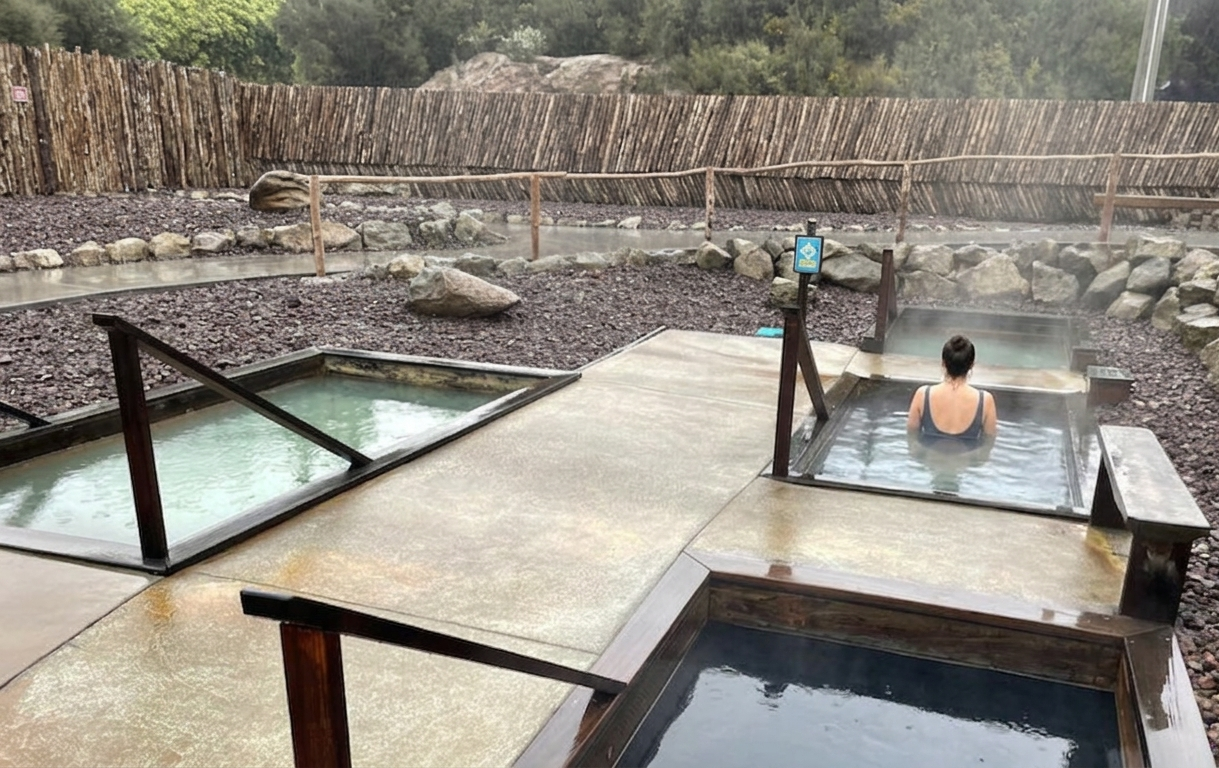
Ngawha Springs is an authentic, culturally significant Maori thermal reserve featuring a cluster of rustic timber-lined mineral pools with diverse chemical profiles. The muddy, dark waters are intensely rich in sulfur, hydrocarbonate, and boron, bubbling directly from deep planetary faults. Each individual pool has its own unique color, temperature, and name, renowned locally for relieving chronic ailments and arthritis. The facility was completely redeveloped in recent years with modern boardwalks, changing rooms, and historical storytelling displays while retaining its traditional healing essence. The atmosphere is deeply community-oriented and respectful of indigenous tikanga protocols. Due to the high mineral and gas content, silver jewelry will instantly tarnish in the dark waters.
Highlights
History
These ancient healing waters served as a revered sanctuary for the local Ngapuhi iwi for many generations.
Tribal warriors famously used the intensely mineralized mud pools to soothe their wounds after fierce battles. Commercial infrastructure slowly emerged around the volcanic fault lines in the 1930s. The unique complex underwent a major modern rejuvenation while remaining under the protective guardianship of a local indigenous community trust.
Local guide
You travel into the rolling green hills of the Far North, driving to a raw, uncommercialized thermal reserve managed by a local Maori trust near Kaikohe. The air carries a heavy, unmistakable scent of volcanic sulfur. The facility eschews modern resort luxury in favour of authentic healing traditions, featuring a cluster of rustic timber-lined pools built over active geological fault lines.
Each pool has its own Maori name, water temperature, and mineral character, with natural shades ranging from milky grey to murky brown. You step down into the mineral-rich geothermal water, feeling the therapeutic warmth rise from the pool bed. Some visitors scoop the fine mineral sediment and apply it to their skin. The atmosphere is local, community-oriented, and deeply traditional.
Wear an old, dark swimsuit you do not mind discolouring, and remove all silver jewellery before entering the water to prevent tarnishing from the sulfur content. Bringing plastic bags to transport your wet, sulfur-scented gear home is strongly recommended.
Mineral chemistry
Sulfuric hot springs are among the most studied in balneology worldwide. The sulfur compounds, primarily hydrogen sulfide and thiosulfate, have documented antimicrobial and anti-inflammatory properties. Regular bathing is associated with relief from chronic skin conditions including eczema and psoriasis, as well as joint inflammation and muscle soreness. Sulfuric waters have been used therapeutically across Asia and Europe for centuries.
The distinctive rotten-egg smell dissipates quickly after leaving the bath. Avoid if you have a sulfur allergy, very sensitive skin, or respiratory conditions. Remove silver jewellery before entering — sulfur will blacken it permanently.
Amenities
Getting there
- from Kaikohe (Car) · 6km · 7 min
Drive west from the Bay of Islands via State Highway 1 and State Highway 12, then turn onto Ngawha Springs Road near Kaikohe.
Location & nearby
Waiariki Pools, 41 Ngawha Springs Road, Kaikohe 0472
Make a day of it
Pair your soak with these nearby spots.
Viewpoint
Parahirahi
1.3km away
Attraction
Ngāwhā Springs
1.5km away
More springs in North Island
 FREE
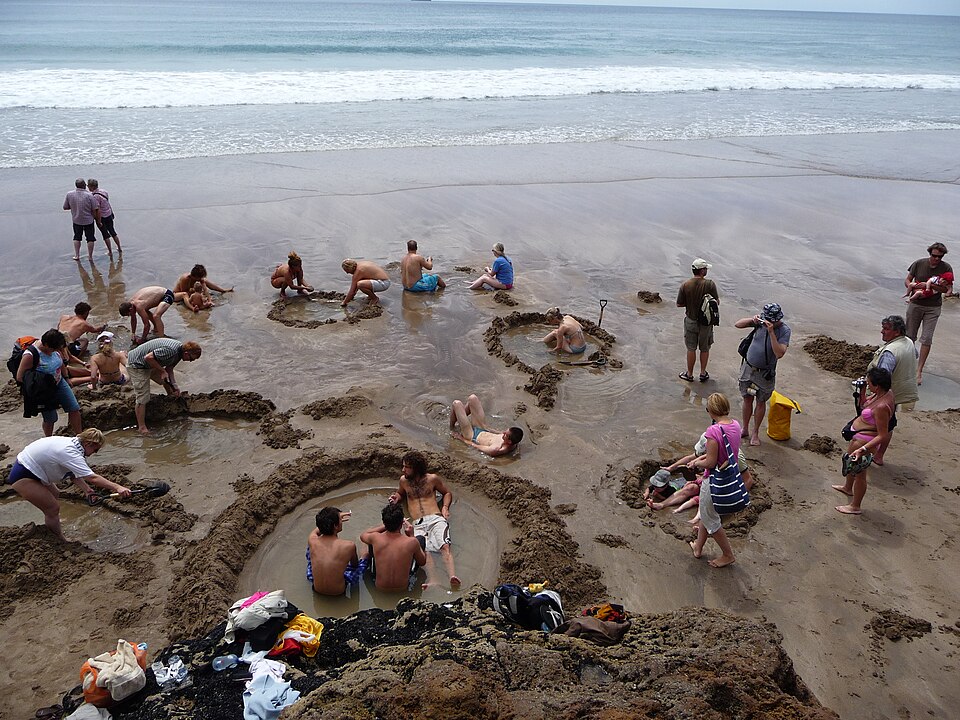
FREEHot Water Beach is a world-famous coastal phenomenon where underground geothermal springs filter up through the sand between the high and low tide marks. Visitors rent or bring shovels to dig out their own personalized spa pools in the sand, which rapidly fill with steaming, mineral-rich thermal water. The hot water contains high amounts of sodium chloride and calcium, filtering from deep subterranean reservoirs. The soaking experience is entirely dependent on ocean tides, as the thermal area is completely submerged by the sea outside a two-hour window on either side of low tide. The beach is scenic but features hazardous rip currents, making swimming in the open ocean highly dangerous. The experience is entirely free, though parking and shovel rentals incur small costs.
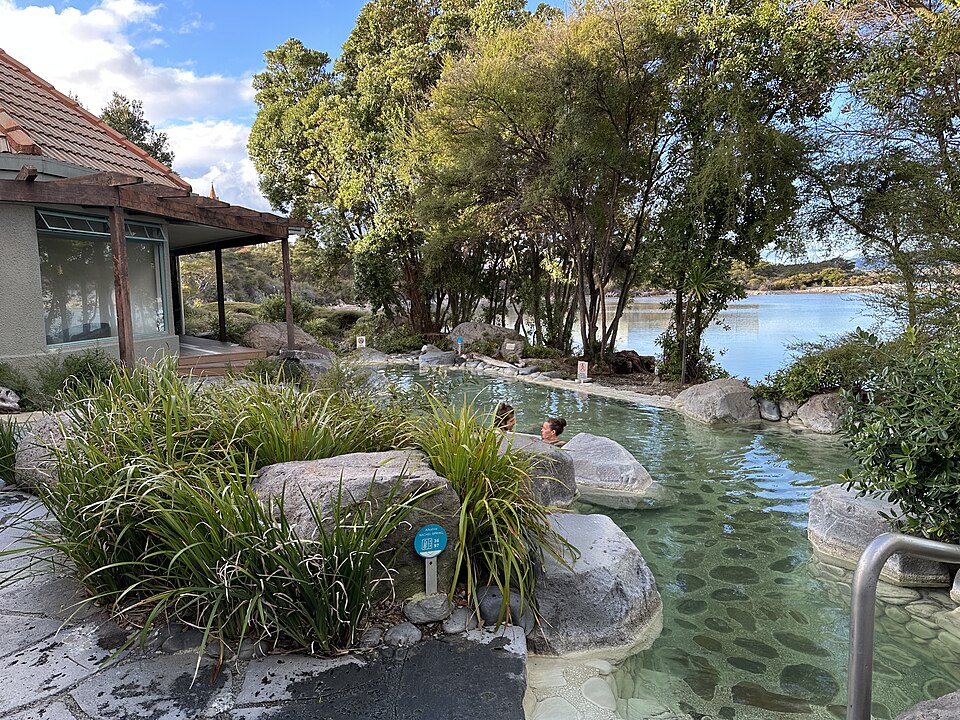
Polynesian Spa is a world-class, heavily developed thermal bathing complex situated on the scenic shores of Lake Rotorua. The facility utilizes two distinct natural springs: the acidic Priest Spring, which relieves tired muscles and arthritis, and the alkaline Rachel Spring, which nourishes the skin with silica. The complex features 28 mineral pools divided into deluxe lakefront areas, adult-only deep pools, private cabins, and a large family spa with a hydro slide. The pools are surrounded by beautifully manicured native flora with sweeping vistas across the volcanic lake waters. A full-service wellness day spa provides premium mud wraps and hydrotherapy treatments. It is completely accessible and requires standard swimsuits.
 FREE
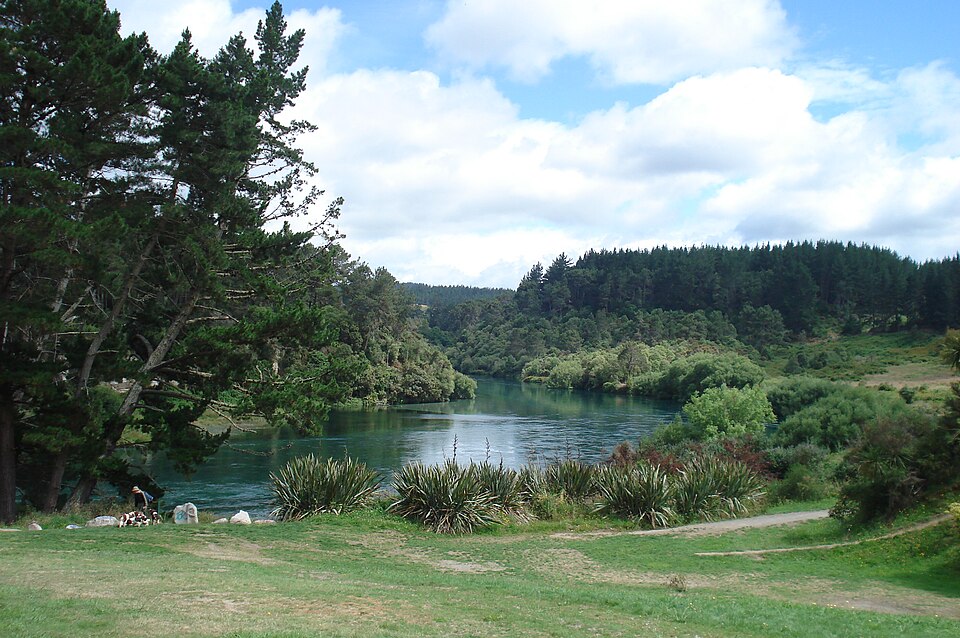
FREEOtumuheke Stream is a popular, completely free natural hot river that cascades over smooth rocks directly into the cold, pristine waters of the Waikato River. Bathers can find their ideal temperature by moving closer to the steaming stream inlet or further out into the main river blending currents. The local council recently upgraded the park with modern wooden viewing decks, changing rooms, public toilets, and a small cafe kiosk at the entrance. The natural pools feature gravel bottoms and are surrounded by lush native grasses and riverside walking paths. It provides a highly social, scenic, and authentic outdoor soaking experience. Parents must monitor children closely due to the adjacent river's swift, deep currents.
Common questions
What is the water temperature at Ngawha Springs?▾
The water temperature at Ngawha Springs ranges up to 45°C (minimum around 32°C).
Is Ngawha Springs free to visit?▾
Ngawha Springs charges an entrance fee in NZD.
Is Ngawha Springs a public or private bath?▾
Ngawha Springs is a public bathing spring.
Are tattoos allowed at Ngawha Springs?▾
Yes, Ngawha Springs welcomes visitors with tattoos.
What is the nearest station to Ngawha Springs?▾
The nearest station to Ngawha Springs is Kaikohe InterCity Stop, about 6km away.