The Country I Skipped (And Am Finally Going To Fix That)
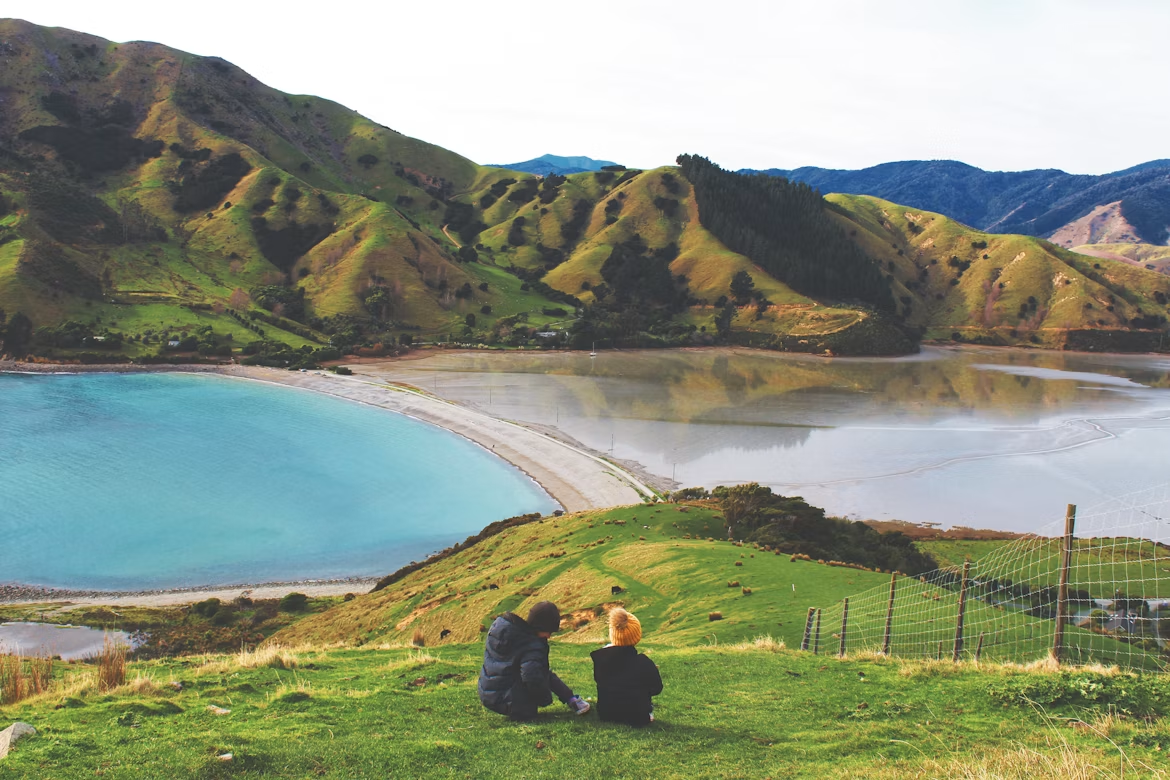
My husband Ryan finds it endlessly amusing that I have been to Australia multiple times but never to New Zealand, which is sitting right next door. I find it less amusing and more like an ongoing reminder to book a flight. That flight is happening soon. And the research I have been doing for the past several months has been the most enjoyable pre-trip obsession I have had in years.
Some of what I have learned is genuinely surprising. New Zealand has no land snakes, which as someone who grew up in the Philippines feels like a remarkable quality-of-life bonus. It was also the first country in the world to give women the right to vote, back in 1893. And for anyone who has watched Lord of the Rings and thought the Shire looked like a real place: it is. Hobbiton sits in Matamata on the North Island, and filming locations are scattered across both islands like the most cinematic treasure hunt imaginable.
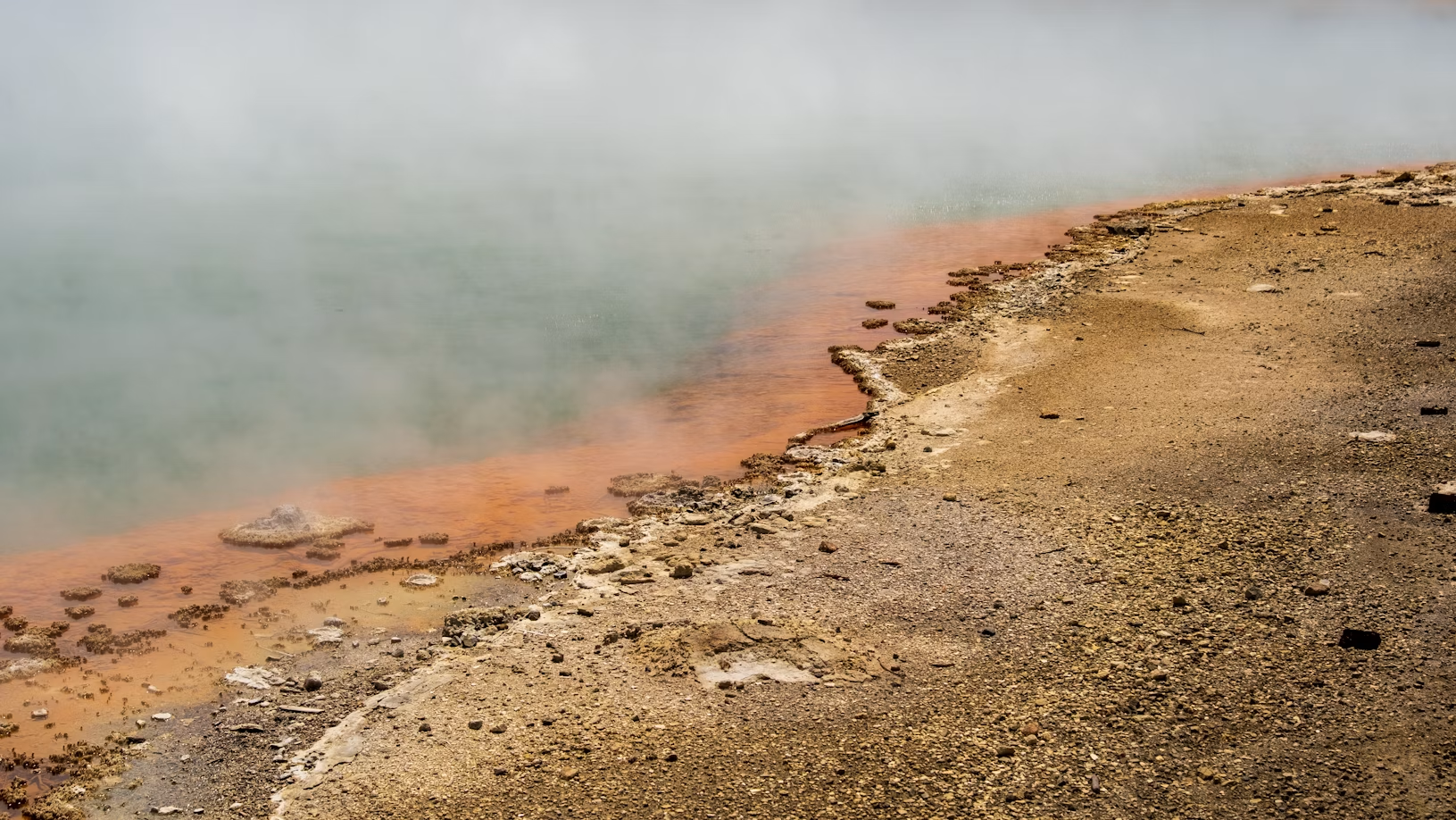
But what has taken over my browser tabs more than anything else is the hot spring scene. And specifically, the discovery that some of the best soaks in New Zealand cost absolutely nothing.
Why Free Hot Springs Feel Different
I have soaked in more Japanese onsens than I can count at this point, and almost all of them charge an entry fee. That is not a complaint. Japanese onsens are extraordinary and worth every yen. But there is something that appeals to me deeply about the idea of arriving at a forest clearing, with no ticket booth and no attendant at the door, and slipping into water that has been rising through the earth for centuries with no commercial infrastructure around it at all. New Zealand has that, and it has it in abundance.
The trade-off, and I have been honest with myself about this, is that these springs require more planning than anything I have done in Japan. There is no train to Kerosene Creek. You need a rental car, and ideally a passenger who does not mind navigating on a gravel road. For someone who loves the efficiency of the Japanese rail system, this is a different kind of trip. I am looking forward to it.
Kerosene Creek, Rotorua
About 30 kilometres south of Rotorua, at the end of a gravel road and a short walk through pine forest, Kerosene Creek runs warm and clear and free. The name sounds like it should smell like a petrol station. It does not. The sulfur is mild, the water is geothermally heated from below, and at one end of the stream there is a small natural waterfall where you can stand under the hot water and feel the forest around you.
There are no facilities. No changing rooms, no lockers, no cafe at the entrance. You park at the gravel lot, walk in, and find your spot along the stream. I have watched enough vlogs of this place to know that the steam rising off the water on a cool morning makes the whole scene look slightly unreal. This is exactly the kind of spring that ends up being the one you talk about most when you get home, even if the fancier resort down the road was objectively more comfortable.
Otumuheke Stream, Taupo
If Kerosene Creek is the forest escape, Otumuheke Stream at Spa Thermal Park in Taupo is the one you can reach without much adventure at all, which I also appreciate. The park is right in town. The geothermal stream flows into the Waikato River, and where they meet, you get a natural temperature gradient. Move toward the stream for heat, drift toward the river to cool down. You are essentially adjusting your own thermostat with your feet.
There are changing rooms nearby, which removes one of the logistical headaches of a free spring, and the setting along the riverbank is relaxed and social in a way that reminds me of the public baths in smaller Japanese towns. Locals come here regularly. Tourists stumble upon it and stay longer than they intended. I suspect I will be in the second group.
Hot Water Beach, Coromandel Peninsula
Hot Water Beach is the one that I keep describing to people and watching their faces change when they understand what it actually is. The hot spring is under the sand. At low tide, a section of beach on the Coromandel Peninsula heats from below, and you rent a spade from a shop nearby, dig a pool in the wet sand, and sit in it while the Pacific Ocean moves around you a few metres away.
The timing window is strict: two hours either side of low tide. I have already noted the tide chart websites for this stretch of coast and added a reminder to check them before I leave my accommodation that day, not when I am standing on the beach. The experience sounds almost absurd until you see the photos, and then it sounds like exactly the right way to spend a morning.
How I Am Thinking About the Wider Trip
New Zealand being closer to the Philippines than Iceland is has made it the easier first choice for this part of the world. The flight is manageable, English is spoken everywhere, and the combination of geothermal landscape, Maori culture, and Lord of the Rings scenery makes it a trip that rewards staying longer rather than rushing through.


SpringsAtlas may earn a commission, at no extra cost to you.
After New Zealand, I have also been looking at Fiji, Samoa, and the Cook Islands as possible extensions. The Pacific islands are right there, and the idea of following a week of hot springs with a few days somewhere warm and coastal is not unappealing. But I am getting ahead of myself. The itinerary starts with a gravel lot south of Rotorua.
Quick Comparison: New Zealand's Free Springs
| Spring | Location | Getting There | Facilities | Best For |
|---|
| Kerosene Creek | 30km south of Rotorua | Car + short walk | None | Wild forest soak, waterfall |
| Otumuheke Stream | Spa Thermal Park, Taupo | Car, in town | Changing rooms nearby | Easy access, local atmosphere |
| Hot Water Beach | Coromandel Peninsula | Car + beach walk | Spade rental nearby | Unique dig-your-own pool at low tide |
What to Pack
For all three of these springs: bring your own towel, because there are no rental options. Wear a swimsuit you do not mind getting a faint mineral smell on. Water shoes or sandals are worth having because stream beds and rocky beaches are uneven underfoot. For Hot Water Beach specifically, check the tide times the night before.
The free hot springs of New Zealand are not the budget alternative to the fancier thermal resorts. They are a completely different experience, one that asks a little more logistical effort and gives back something that feels genuinely wild and earned. That is what has kept my research tabs open for months now, and what I am most looking forward to when I finally get on that plane.