
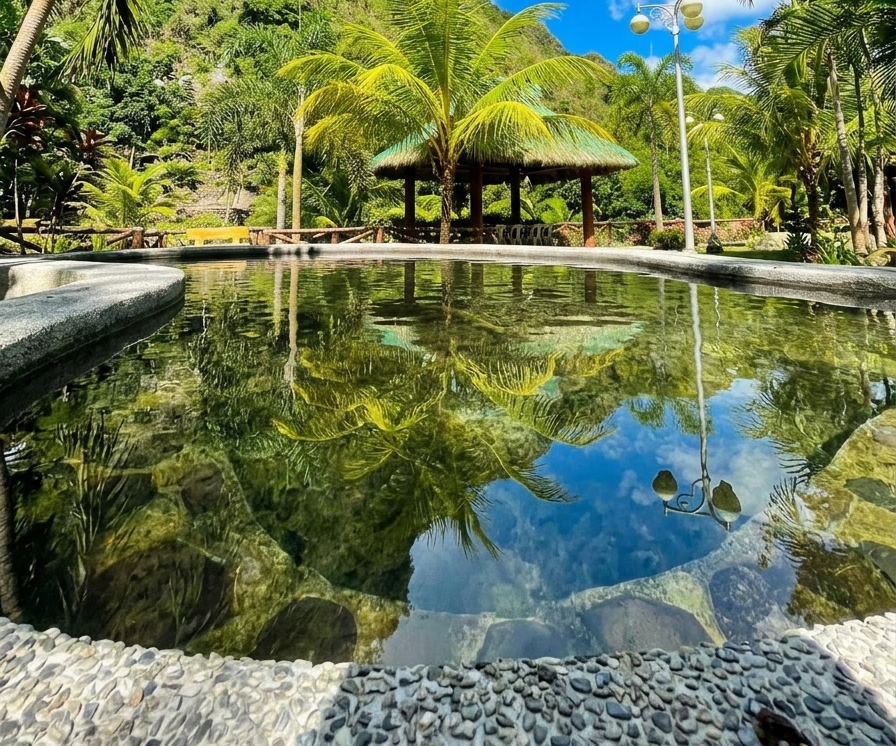
Puning Hot Spring
Puning Hot Spring
Puning Hot Spring
sulfur · Central Luzon
Hotter than 95% of Philippines springs (n=19).
More acidic than 71% of Philippines springs (n=14).
Mineral profile
Bar width reflects listing order, not measured concentration.
Suitability
At a glance
Getting there
Remote — over 5km from the nearest station
About this spring
A unique thermal destination featuring multiple natural hot spring pools built into a dramatic, towering lahar canyon wall. The pools are naturally heated by the geothermal activity of nearby Mount Pinatubo. Accessing the canyon requires an off-road journey through volcanic ash fields, making it a premier adventure-wellness spot.
Highlights
History
The thermal fields here today are a direct, living consequence of the catastrophic 1991 eruption of Mount Pinatubo, the second largest volcanic event of the twentieth century.
It was the indigenous Aeta people, the ancient guardians of these mountain slopes, who first noticed the unusual steam vents and bravely warned the lowlands before the mountain blew. Tragically, the subsequent lahars displaced thousands of Aeta families from their ancestral lands. Today, these hot springs stand as a unique community-led eco-tourism project, turning a landscape of past destruction into a source of survival.
Local guide
Your journey begins with a thrilling ride in a 4x4 open-top jeep through a massive canyon made of grey volcanic ash. When you arrive, you will see multiple stone pools built directly into the towering cliff faces. The sulfuric water bubbles up naturally at high temperatures, creating a dramatic outdoor spa.
The bathing experience is highly active, transitioning from hot pools to a unique warm sand spa where staff gently bury you in volcanic ash. Bring an extra change of clothes and a waterproof bag for your phone. The sand feels surprisingly heavy and warm against your body.
It is best to book an early morning slot to avoid the intense midday heat inside the sun-baked canyon. The package usually includes a buffet lunch at the base camp, featuring classic Filipino dishes like savory pork sisig. The sound of the jeep tires crunching on ash will stay with you for days.
Mineral chemistry
Sulfuric hot springs are among the most studied in balneology worldwide. The sulfur compounds, primarily hydrogen sulfide and thiosulfate, have documented antimicrobial and anti-inflammatory properties. Regular bathing is associated with relief from chronic skin conditions including eczema and psoriasis, as well as joint inflammation and muscle soreness. Sulfuric waters have been used therapeutically across Asia and Europe for centuries.
The distinctive rotten-egg smell dissipates quickly after leaving the bath. Avoid if you have a sulfur allergy, very sensitive skin, or respiratory conditions. Remove silver jewellery before entering — sulfur will blacken it permanently.
Simple thermal springs have lower dissolved mineral content but are valued for the pure therapeutic effect of heat immersion itself — easing muscle tension and improving circulation. Considered the gentlest introduction to hot spring bathing.
Standard precautions apply: avoid bathing within 30 minutes of eating, keep soaks to 10–15 minutes for first-timers, and hydrate before and after.
Similar springs
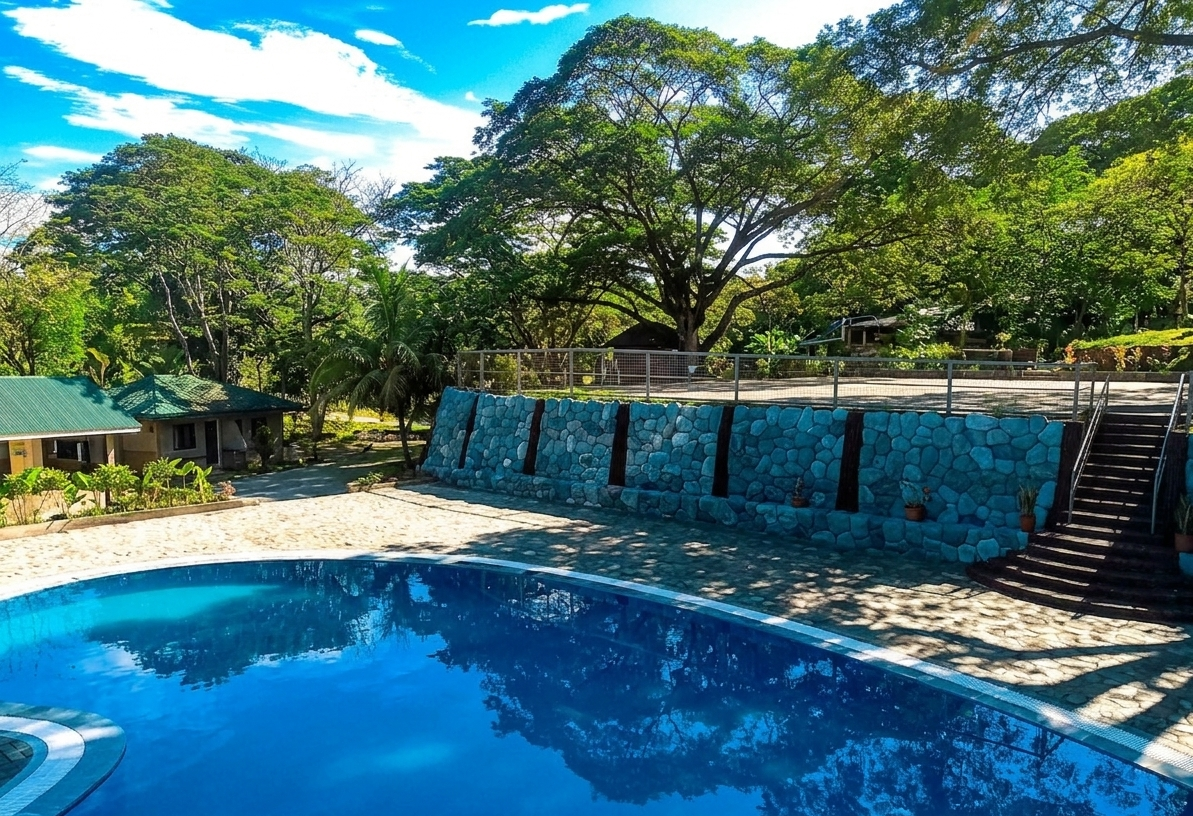
Situated at the base of Mount Balungao, an extinct volcano, this site offers natural hot spring pools within an adventure park complex. The mineral-rich volcanic water is channeled into tiered concrete swimming areas of varying temperatures. Visitors can combine therapeutic thermal soaking with adventure activities like zip-lining across the volcanic landscape.
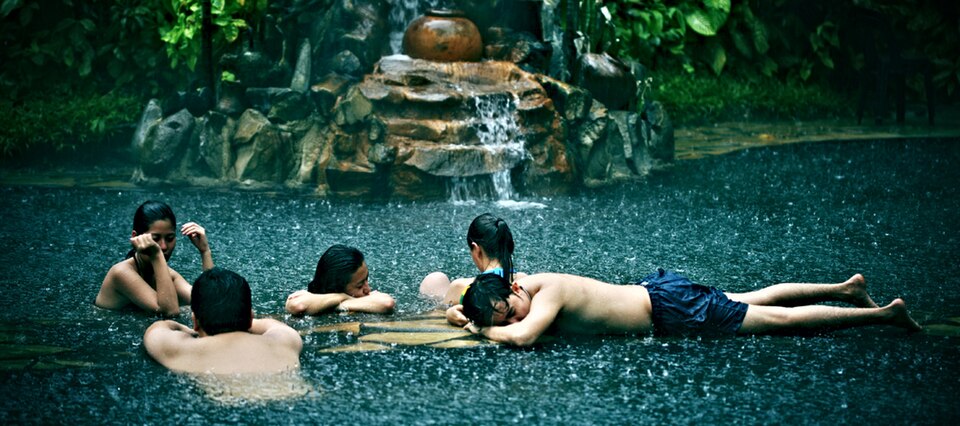
A government-managed natural eco-reserve nestled high on the scenic, forested slopes of the active Mount Kanlaon volcano. The park features dedicated stone-lined sulfur dipping pools fed by natural hot water channels originating deep within the volcano. The thermal pools are beautifully integrated into an expansive mountain forest filled with waterfalls and a massive bat sanctuary.
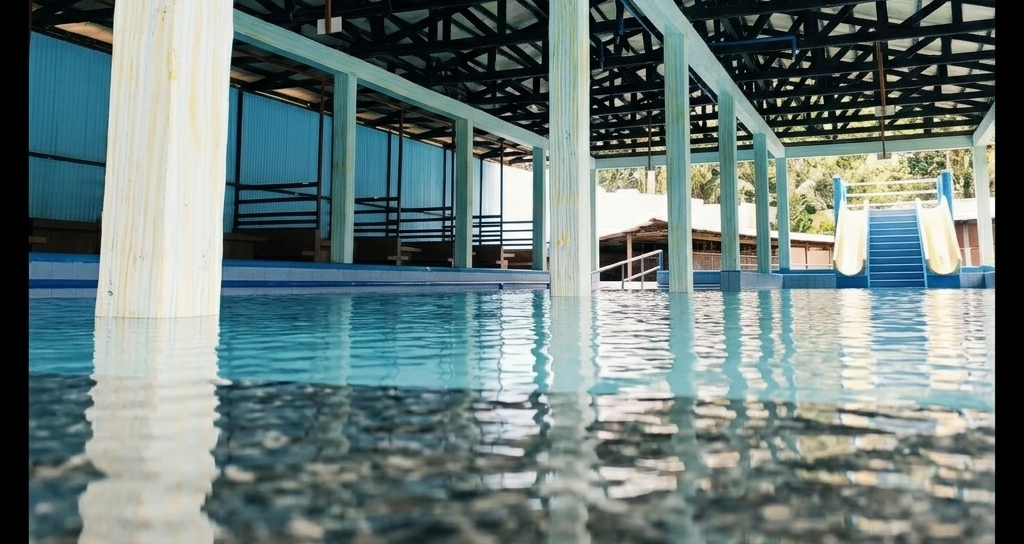
A rustic, lesser-known hot spring site situated at the base of Mount Banahaw where therapeutic sulfuric water surfaces near a natural mountain riverbed. The area is basic and local, featuring straightforward public dipping pools built to catch the thermal overflow. It is heavily favored by locals who seek the healing benefits of Banahaw's volcanic activity without large crowds.
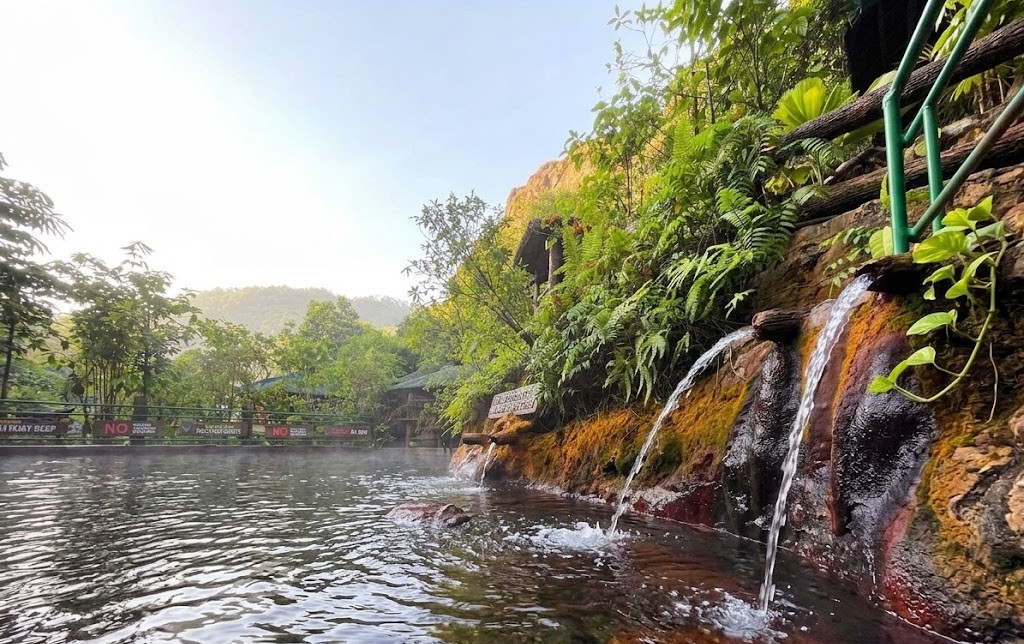
This popular mountain escape features a tiled outdoor pool filled with circulating thermal waters. It sits nestled in a deeply forested river valley characterized by distinct rust-colored geological formations. The refreshing mountain air provides a stark and welcome contrast to the steaming therapeutic waters of the spring.
Amenities
Getting there
Travel by tricycle or private vehicle from Angeles City to the Sapangbato base camp, then transfer to a licensed 4x4 jeep to enter the canyon.
Location & nearby
Sitio Puning, Barangay Sapangbato, Angeles City, Pampanga
Common questions
What is the water temperature at Puning Hot Spring?▾
The water temperature at Puning Hot Spring ranges up to 70°C (minimum around 40°C).
Is Puning Hot Spring free to visit?▾
Puning Hot Spring charges an entrance fee in PHP.
Is Puning Hot Spring a public or private bath?▾
Puning Hot Spring is a public bathing spring.
Are tattoos allowed at Puning Hot Spring?▾
Yes, Puning Hot Spring welcomes visitors with tattoos.
What is the nearest station to Puning Hot Spring?▾
The nearest station to Puning Hot Spring is Dau Bus Terminal, about 18km away.