The Scene That Put Iceland on My List
There is a scene near the end of First Love, the Japanese Netflix series from 2022, where the landscape suddenly becomes Iceland. I was watching it on a humid evening in Manila, and when those shots appeared, I had to pause and just look at them for a moment. White and vast and completely otherworldly. The kind of beauty that does not feel entirely real until you are reminded that it is.
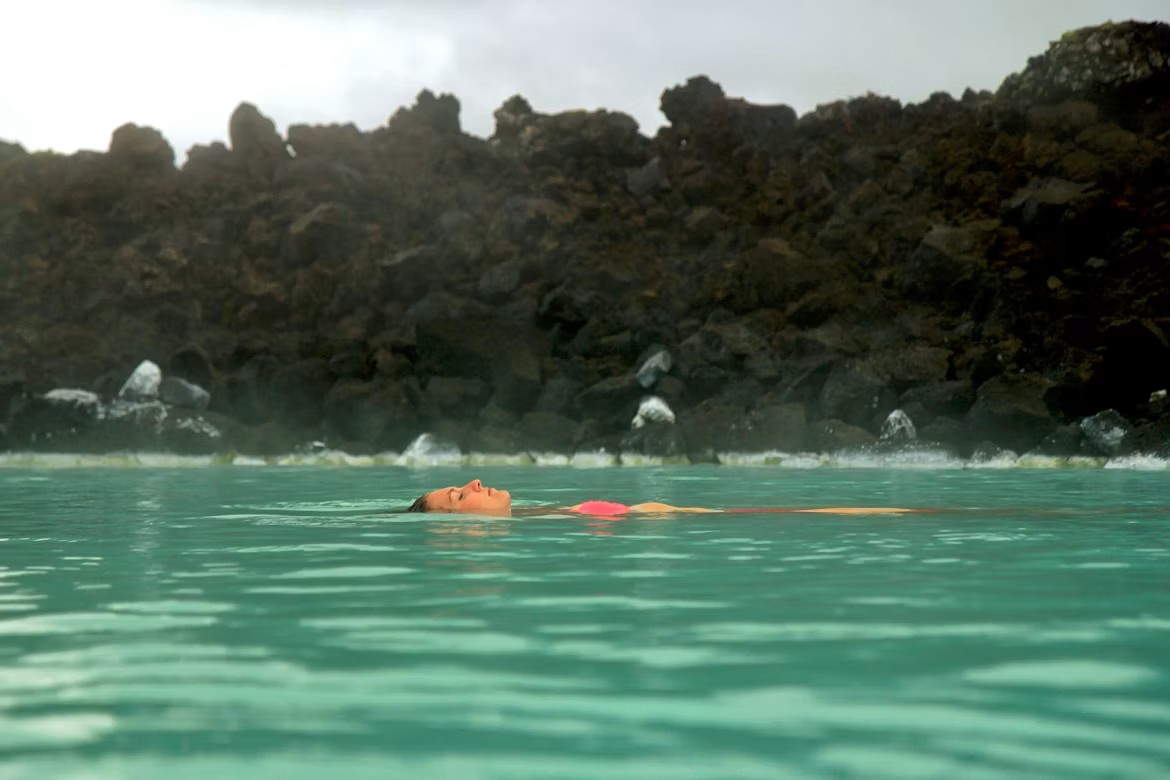
I have spent my best travel moments in Japan, mostly in onsens, and I am a tropical person through and through. The Philippines is warm, Japan in the seasons I visit is cold but manageable, and the idea of a country sitting just below the Arctic Circle has never been at the top of my list. And then First Love put Iceland on my screen, and now it is firmly on my bucket list. The contrast is the whole point: hot springs in a frozen landscape, thermal water rising through snow-dusted lava fields, the possibility of soaking under the northern lights in winter or the midnight sun in summer.
Iceland Was Named to Keep People Away
This is the piece of trivia I cannot stop telling people about. Iceland was named by a Norse settler who specifically chose the name to discourage other settlers from following him there. He wanted it for himself. Meanwhile, Greenland, which is mostly buried under ice, got a warm and inviting name to attract colonists. The result is that the two most confusingly named countries on earth got those names through deliberate misdirection.
Modern Iceland is nothing like that original pitch. It runs almost entirely on renewable geothermal and hydro energy, which means the same volcanic heat that warms the springs also powers most of the country. There are no mosquitoes anywhere in Iceland, which feels like a significant quality-of-life detail coming from the Philippines. In summer, the sun barely sets. In winter, the northern lights appear with remarkable frequency. It is a place of extremes that somehow feels liveable, and once you understand that hot water runs under the ground everywhere you stand, the liveability makes more sense.
Why I Am Writing About What Is Beyond the Blue Lagoon
The Blue Lagoon is famous. It is also genuinely beautiful in photographs. But it requires booking months in advance, it is one of the most expensive thermal experiences in Iceland, and it sits next to a geothermal power plant. For a first trip to Iceland, visiting makes sense. For a second trip, or for anyone who wants something that feels less like a reservation and more like a discovery, Iceland has options that I find far more interesting.
Landmannalaugar: The One That Requires Commitment
Landmannalaugar is only accessible in summer, and only by a proper 4WD vehicle capable of crossing F-roads, which are the highland interior tracks that involve genuine river crossings and lava field navigation. A standard rental car will not make it. This is not a casual afternoon detour.
What is waiting at the end of that drive is one of the most photographed geothermal pools in Iceland, surrounded by rhyolite mountains in colours that look like they were invented: ochre, rust, pale green, charcoal, all streaked together across the hillsides from the same volcanic activity that heats the water below. In summer, the area fills with hikers doing the Laugavegur trail, and the pool has a social, adventurous atmosphere that comes from people who have all made some effort to be there. I want to be one of those people.
Seljavallalaug: Iceland's Oldest Pool
Built in 1923, Seljavallalaug is the kind of place that is beautiful precisely because it has not tried to be anything other than what it is. A rectangular pool, tucked into a narrow valley between steep mountain walls, fed by geothermal water, with basic changing facilities and no other amenities to speak of. The setting is dramatic in that way that Iceland seems to do effortlessly, with mountains that lean over the valley on both sides.
It is about 90 minutes from Reykjavik, requires a short walk from the road, and the changing rooms are genuinely cold. I have noted in my research that the pool can develop algae after heavy rainfall, so checking recent visitor reports before making the drive is worth doing. It is free and open year-round, and its age and simplicity are part of what makes it worth visiting.
Reykjadalur: The Hot River
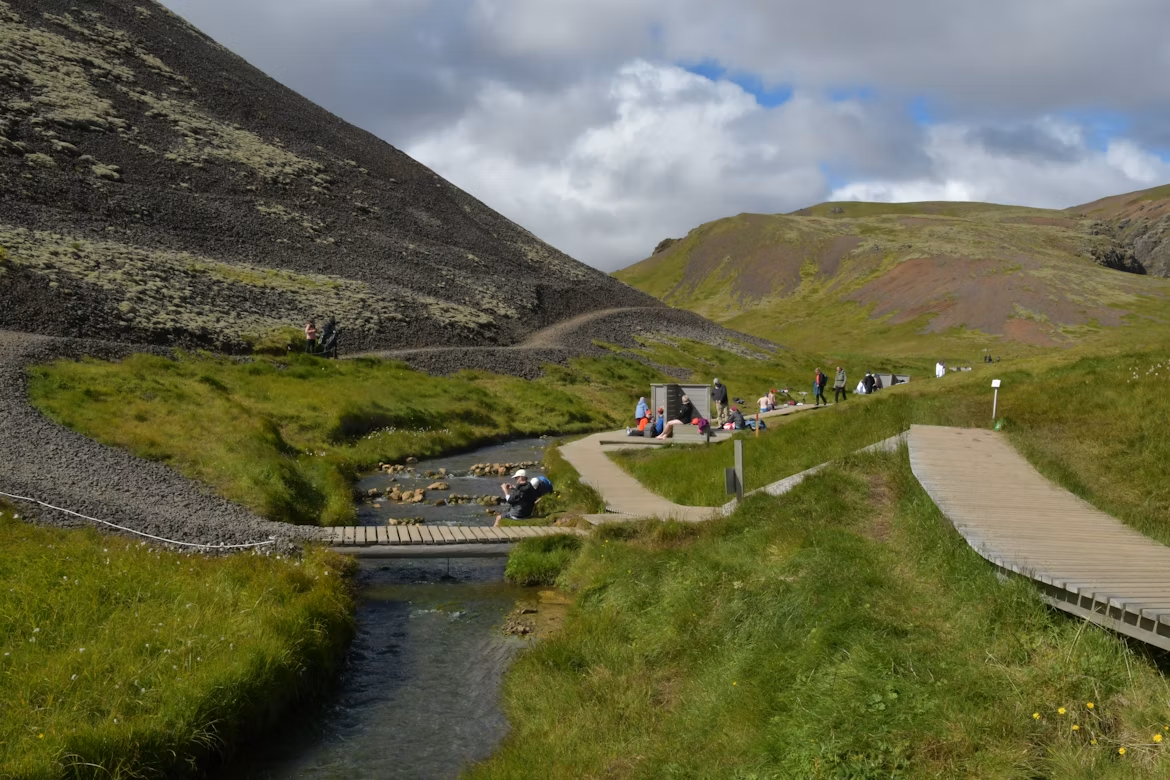
The town of Hveragerdi, about 45 minutes from Reykjavik by car, is the starting point for a three-kilometre hike into the Reykjadalur valley, where a river runs hot. The trail passes through steaming vents and past bubbling mud pools before arriving at the river itself, where wooden platforms line the banks for changing and the water temperature is comfortable enough to soak in at length.
This is the most accessible wild hot spring experience I have found for someone basing themselves in Reykjavik. It is free. The hike in is short enough to be manageable and long enough to make the arrival feel like something was earned. On a clear day, the valley is green and steaming and surrounded by hills that look, genuinely, like the beginning of the world.
How to Get Around Iceland as a Foreigner
The one thing I want to be clear about, because I think it is the biggest practical adjustment for anyone coming from Asia: you need a rental car. English is spoken everywhere in Iceland, so navigation and communication are not issues. But the hot springs I am most interested in are not on any bus route. They are reachable only with your own vehicle, and for places like Landmannalaugar, that vehicle needs to be a proper 4WD.


SpringsAtlas may earn a commission, at no extra cost to you.
F-roads are closed entirely in winter, and regular roads can close without notice in bad weather. Winter travel in Iceland means the accessible springs narrow to those near Reykjavik and along the southern Ring Road, but the payoff is the northern lights and the particular quiet of an Icelandic winter that I suspect is something else entirely. Summer offers more freedom, more daylight than seems reasonable, and access to the highland interior.
Blue Lagoon vs The Alternatives
| Spring | Access | Cost | Booking Required | What Makes It Special |
|---|
| Blue Lagoon | 45 min from Reykjavik, easy | Expensive (from ~€80) | Yes, months ahead | Iconic milky blue water, top facilities |
| Reykjadalur Hot River | 45 min drive + 3km hike | Free | No | Wild hot river, accessible from capital |
| Seljavallalaug | 90 min drive + short walk | Free | No | Iceland's oldest pool, dramatic mountain valley |
| Landmannalaugar | 4WD required, summer only | Free (camping fees apply) | No | Rainbow mountains, highland wilderness |
| Gjábakkahellir cave pool | Near Haukadalur, 4WD helps | Free | No | Unique cave setting, geothermal area |
New Zealand First, Iceland After
I am being honest with myself about the sequencing here. New Zealand is closer to the Philippines, it is warmer, and it is a slightly more straightforward first expedition into this part of the world's hot spring scene. Iceland is the second trip. The more challenging, more extreme, more otherworldly second trip.
I will probably watch the ending of First Love again the night before that flight, to close a loop that started on a warm evening in Manila. But that is how the best travel plans begin: not with a guidebook but with a feeling, a landscape glimpsed in passing, and the slow accumulation of research that eventually becomes a boarding pass. Iceland is waiting, and the water there has been hot for a very long time.