
Awara Onsen
芦原温泉
Awara Onsen
sodium-bicarbonate · Chubu
Hotter than 73% of Japan springs (n=122).
More acidic than 36% of Japan springs (n=121).
Mineral profile
Bar width reflects listing order, not measured concentration.
Suitability
At a glance
Getting there
Easy — under 1km from a station
Cost
Moderate
About this spring
Awara is a hot spring town in Fukui Prefecture, frequently described as the entry point to the Hokuriku region. Its waters run hot and carry a pronounced saline content, and ryokan line the tree-shaded streets in close succession. The town covers a small area and lends itself well to walking, often done in a yukata borrowed from the inn.
Highlights
History
In 1883, a local farmer struck hot water while sinking an irrigation well.
The spring surfaced at 80 degrees Celsius, and news of the find spread quickly through the area. Two railway connections, completed in 1911 and 1928, drew more visitors and pushed the town's development forward. An earthquake in 1948 and a fire in 1956 each caused damage to the district, but the hotels were rebuilt after both events. Awara operates today as a well-maintained resort town drawing guests from across the Kansai and Chubu regions.
Local guide
If you take a short drive from the dramatic, wind-swept stone cliffs of Tojinbo, the landscape smooths out into quiet farmlands and peaceful streets. This is Awara Onsen. Unlike many mountain hot spring towns that are packed tightly into narrow rock canyons, Awara spreads out across a flat, open plain. It has a calm, unhurried rhythm that instantly makes you slow your pace. When you walk through the town at dusk, you will see warm lantern light reflecting off the wood panels of traditional inns, and soft plumes of steam rising up into the clean coastal air.
The real magic of Awara is hidden right beneath the floorboards. In most hot spring villages, every bathhouse pipes in water from one giant, shared central source. Awara does things differently. The town has over forty independent wells, and nearly every ryokan digs its own private line down into the earth. Because the mineral balances shift from one well to the next, you can walk down the street, step into a different inn, and experience a completely new type of bath. The water here is rich in natural sodium and calcium salts. It is crystal clear, but it feels wonderfully heavy on your skin. When you sit in the hot water, the salt coats your body, locking in your natural heat and leaving your skin feeling smooth and completely refreshed.
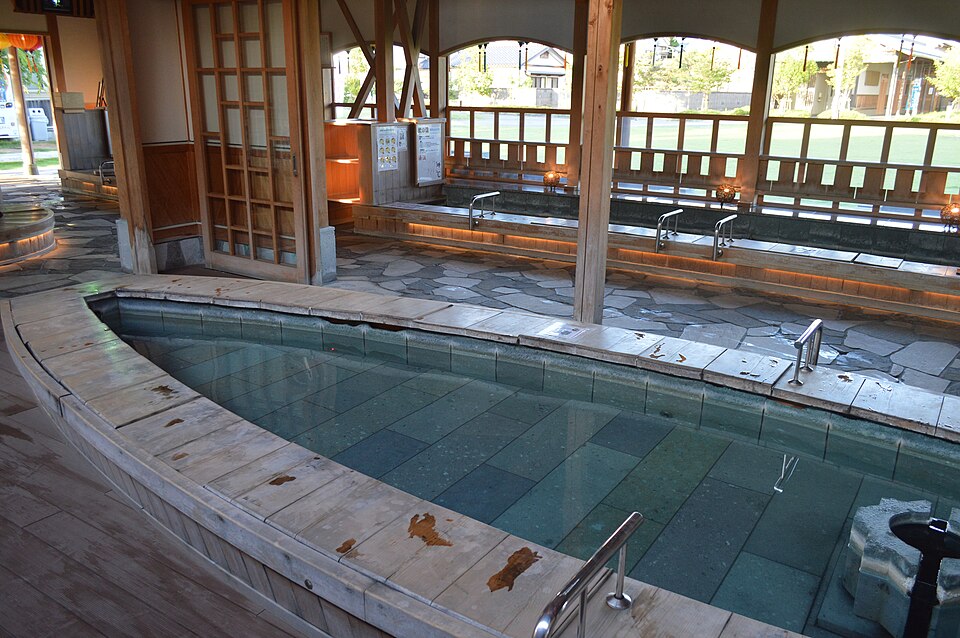
The heart of the community life centers around the Ashiyu, a gorgeous, all-wooden public footbath pavilion located right in the middle of the town square. It is built from beautiful cypress wood and features stained-glass windows that light up softly after dark. Here, locals and travelers sit together along the edge of the wrapping wooden benches, soaking their feet in the hot water after a long day of exploring. It is a simple, practical, and incredibly warm space where you can drink a local craft beer, chat with your neighbors, and feel the genuine hospitality of the region. If you want to escape the crowds and enjoy a truly relaxing, authentic slice of Japanese hot spring culture, this quiet town on the coast is the perfect place to land.
Mineral chemistry
Water character inferred from mineral type — verify on site.
Bicarbonate springs cleanse and soften the skin surface, removing excess sebum without stripping the skin's acid mantle. Traditionally recommended for acne-prone skin and sensitive skin types.
Bicarbonate springs are generally among the most gentle and well-tolerated onsen types.
Radium or radon springs are a recognised therapeutic category in several countries. At the low concentrations found in natural springs, exposure is associated with hormesis, a mild beneficial stress response.
Radon concentrations in natural hot springs are far below levels associated with health risk. Those who are pregnant should consult a doctor before bathing.
Similar springs
 FREE
FREEThe valley occupies the center of Noboribetsu Onsen in Hokkaido. Jigokudani translates as Hell Valley. The crater covers 11 hectares and releases roughly 10,000 tonnes of hot spring water each day. Fumaroles vent steam across the floor of the valley, boiling pools bubble at the surface, and the surrounding cliffs carry heavy mineral staining. A walking path winds through the area in about 20 minutes and is open to all visitors at no cost. It ranks among the most striking landscapes accessible on foot anywhere in Japan.

Tsuru-no-yu is the oldest of the seven inns at Nyuto, set deep in a beech forest in Akita Prefecture. The main draw is a large outdoor mixed-bathing pool fed by opaque, milky-white sulfurous water. Many regard it as the most beautiful onsen setting in Japan. People come here to put some distance between themselves and the rest of the world for a while.
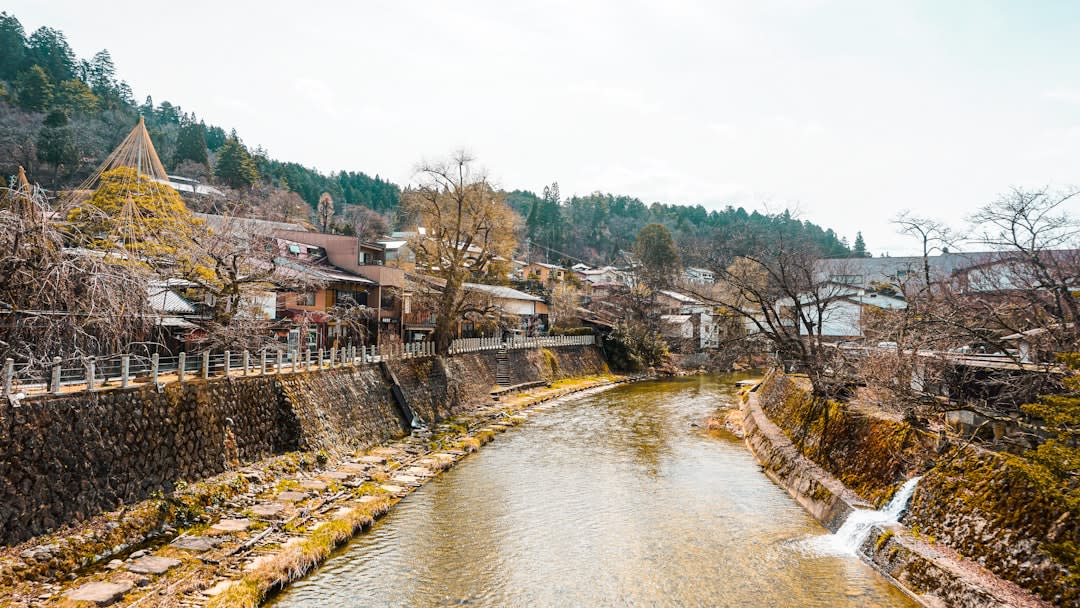
A peaceful artsy onsen town at the foot of Mt. Yufu in Oita Prefecture. The town is known for boutique galleries, craft shops, and ryokan with private outdoor baths. Lake Kinrin sits at the heart of it all. On quiet mornings, steam rises off the lake's surface in a way that seems almost designed to make you stop and stand still.
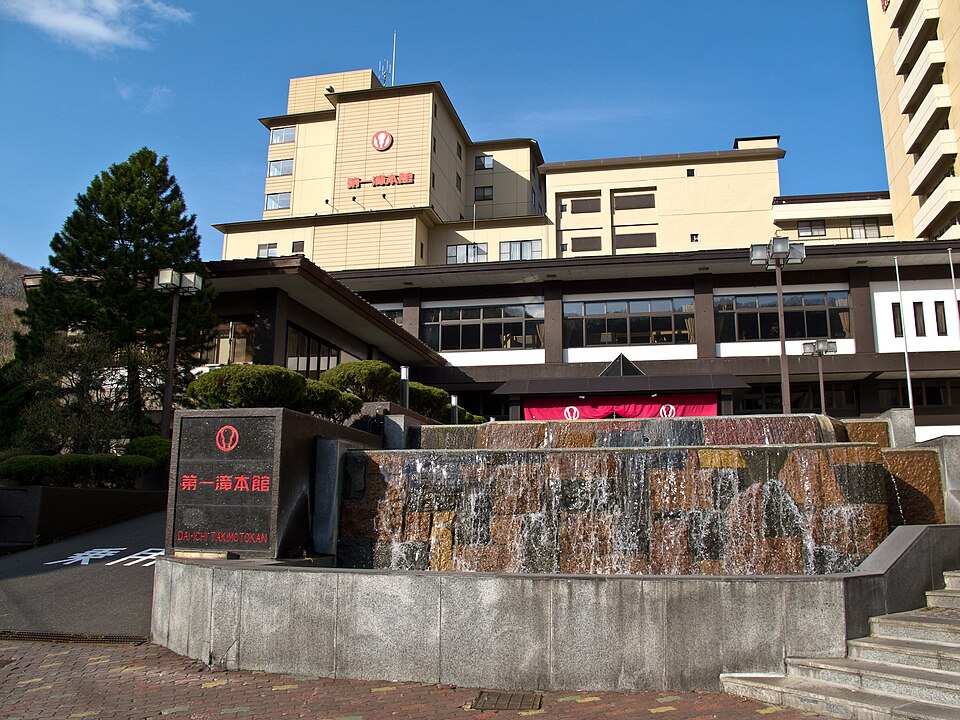
One of Hokkaido's most celebrated bathhouses. Dai-ichi Takimotokan channels water from seven distinct mineral springs into 35 pools spread across multiple floors. Indoor halls open onto outdoor rotenburo overlooking the steam-filled valley below. Day visitors are welcome without an overnight stay.
Amenities
Getting there
Take the Hokuriku Shinkansen to Fukui Station, then transfer to the Echizen Railway Mikuni Awara Line for a 25-minute ride to Awara-Yunomachi Station. The heart of the onsen district is within easy walking distance. From Osaka or Kyoto, take the JR Thunderbird express to Fukui first.
Location & nearby
Awara Onsen, Awara, Fukui
Make a day of it
Pair your soak with these nearby spots.
Attraction
Fujinoimukuro Kinenkan
0.1km away
Attraction
Awara Onsen Jo Suido Zaisankusuido Kaikan
0.1km away
Park
Funatsu Park
0.4km away
Attraction
Awara Onsen Hassho Nochi
0.4km away
Attraction
Awara Onsen Girls Barburakkusuto N
0.4km away
Attraction
Rakurakuso
0.4km away
More springs in Chubu
 FREE
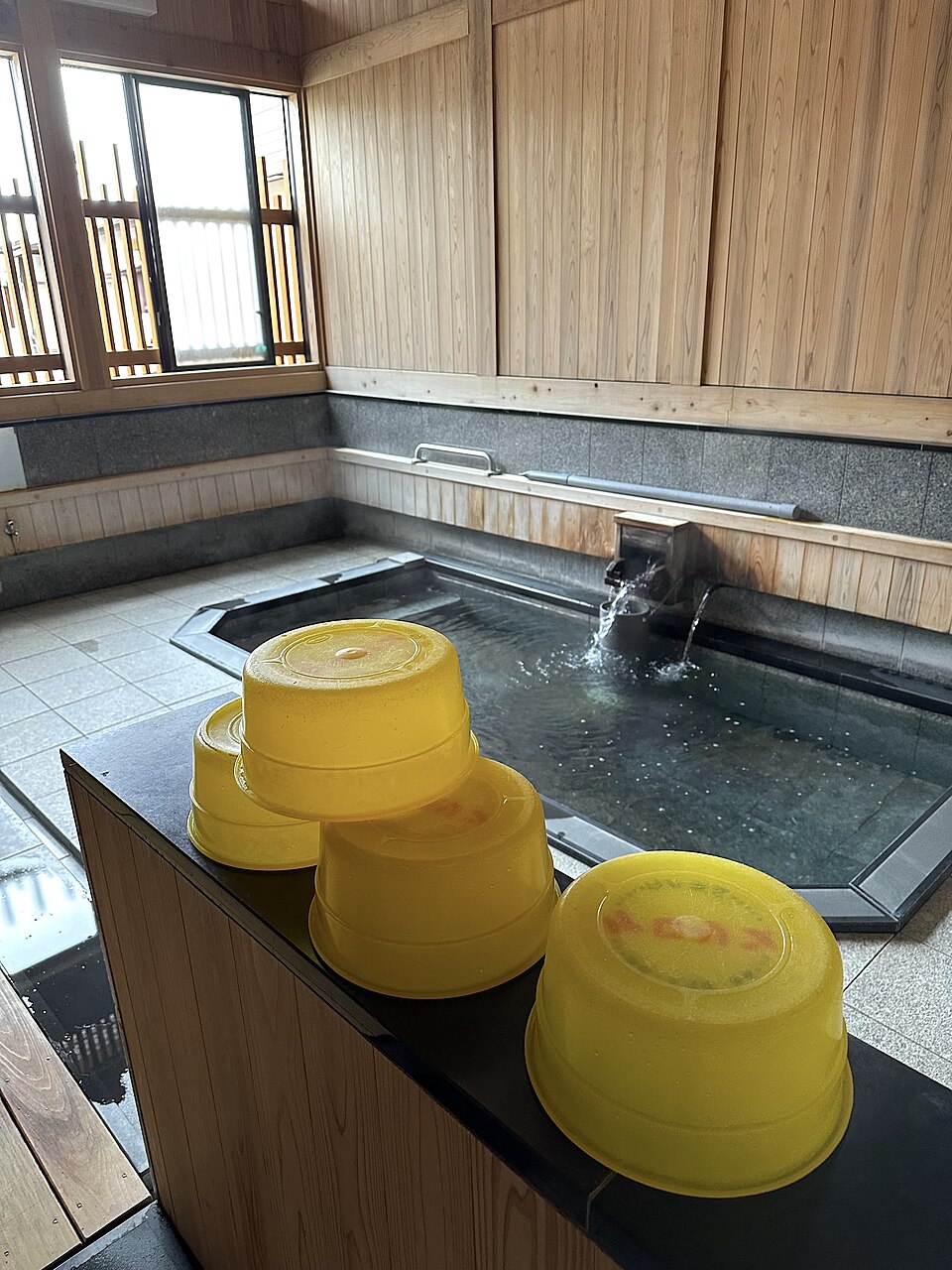
FREENozawa Onsen is a traditional village in Nagano Prefecture that maintains 13 free public bathhouses open to visitors and residents alike. These bathhouses, known as soto-yu, have been overseen by neighborhood cooperatives called yunakama for close to four centuries. The village also contains world-class ski slopes, a pairing that is genuinely uncommon anywhere in the world.
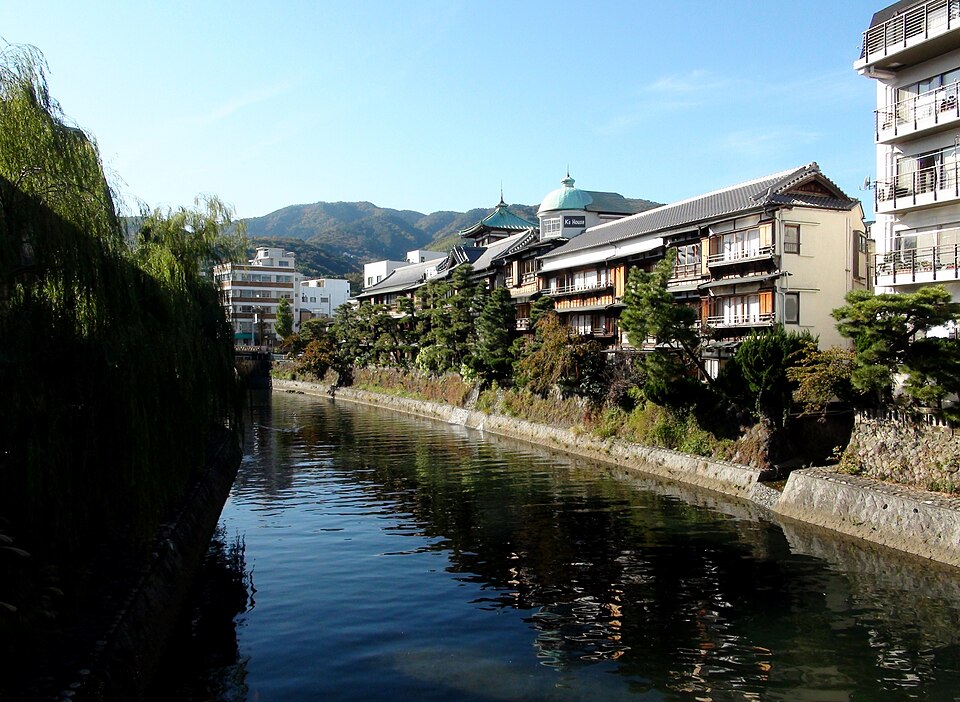
Ito sits along the eastern shore of the Izu Peninsula, facing the ocean and ranking among Japan's most productive hot spring districts by volume. More than 1,500 individual springs feed the town's supply, together pushing out around 30,000 kiloliters of water each day. Palm-lined avenues, tropical parks, and botanical gardens set the tone here, giving Ito a resort atmosphere that reads as distinctly its own compared to inland onsen destinations.
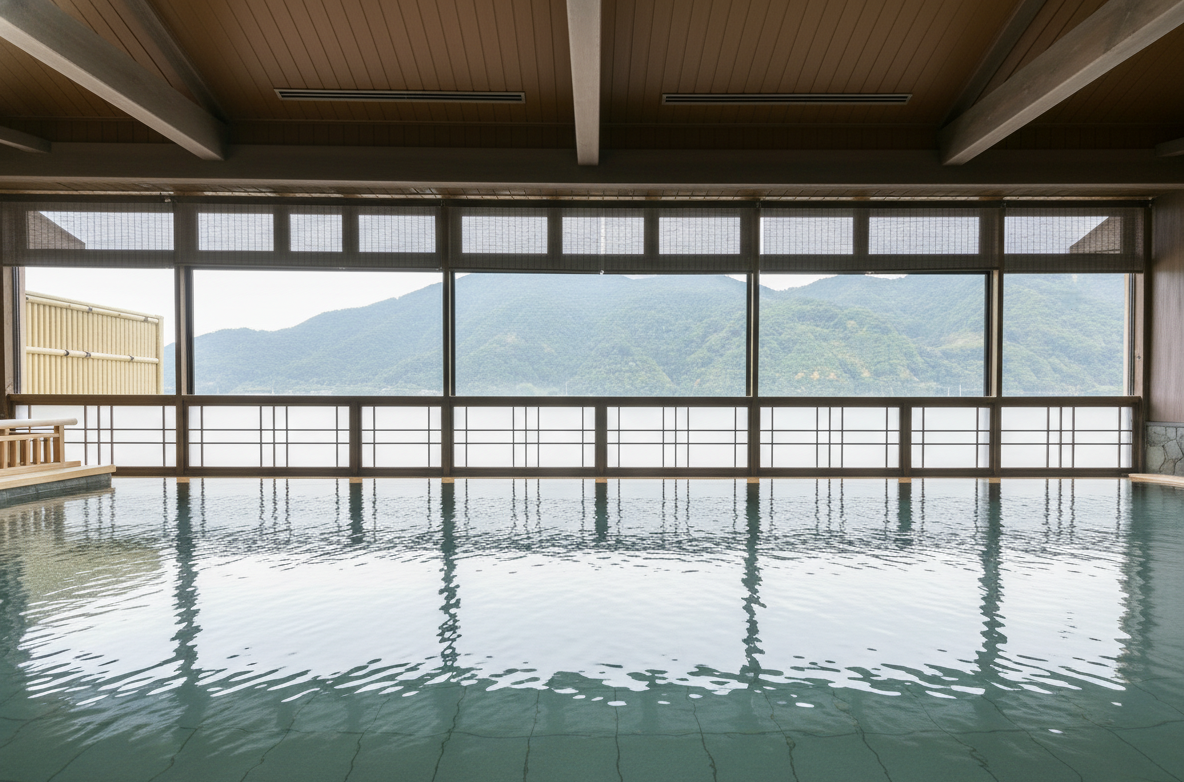
A mountain town in Niigata Prefecture famous for heavy snowfall and a unique sake-infused bath. After a day on the ski slopes, visitors soak in outdoor baths while snow falls silently around them. The town is also the setting of one of Japan's greatest novels.
Common questions
What is the water temperature at Awara Onsen?▾
The water temperature at Awara Onsen ranges up to 80°C (minimum around 33°C).
Is Awara Onsen free to visit?▾
Awara Onsen charges an entrance fee in JPY.
Is Awara Onsen a public or private bath?▾
Awara Onsen is a public bathing spring.
Are tattoos allowed at Awara Onsen?▾
Tattoo policy varies at Awara Onsen. Check ahead of your visit.