Echigo Yuzawa Onsen
越後湯沢温泉
4.4 · 2100 reviews · via Google
Echigo Yuzawa Onsen
simple-thermal · Chubu
Hotter than 42% of Japan springs (n=122).
More acidic than 31% of Japan springs (n=121).
Mineral profile
Bar width reflects listing order, not measured concentration.
Suitability
At a glance
Getting there
Easy — under 1km from a station
Cost
Low
Crowd level
Moderate
About this spring
A mountain town in Niigata Prefecture famous for heavy snowfall and a unique sake-infused bath. After a day on the ski slopes, visitors soak in outdoor baths while snow falls silently around them. The town is also the setting of one of Japan's greatest novels.
Highlights
History
Yuzawa's springs go back to at least the thirteenth century.
The oldest, Kaikake Onsen, appears in documents from the 1400s. The warrior Uesugi Kenshin reportedly directed his troops to bathe here after battle. But the modern story begins in 1931 with the opening of the Joetsu Line and its Shimizu Tunnel, then the longest rail tunnel in Japan. Entrepreneurs drilled for hot springs in the Nishiyama district the following year and struck a 71-degree source. Hotels and ryokan quickly followed. In 1934, the novelist Yasunari Kawabata took up lodging at Takahan Ryokan. He spent three years writing Snow Country here, whose famous opening line is: The train came out of the long tunnel into the snow country. When Kawabata won the Nobel Prize in 1968, the world turned its attention to this mountain town.
Local guide
The Joetsu Shinkansen out of Tokyo runs northeast through Saitama and then bends northwest toward Niigata, and about eighty minutes from Tokyo Station it enters the long Shimizu Tunnel beneath the Mikuni mountain range. Yasunari Kawabata opened Snow Country, his 1968 Nobel Prize-winning novel, with a sentence about this exact tunnel: the train comes out of the long tunnel into the snow country, and the world on the other side is white. When you exit the tunnel at Echigo-Yuzawa Station, you understand what he meant. The mountain walls close in tightly, the valley floor is narrow, and from November through March the snow here reaches a depth that transforms everything below the ridgeline into a single white surface.
Yuzawa's hot springs are simple thermal and sulfate, running between 38 and 55 degrees Celsius at a neutral pH of 7. The water is clear and clean, without dramatic color or strong smell, and the bathing quality is straightforward: a genuinely hot outdoor pool while heavy snowflakes fall around you is an experience that depends more on the setting than the chemistry. The rotenburo at most ryokan face the surrounding peaks, and bathing outdoors in late January while the snow accumulates on the rocks at the pool edge and the steam rises straight up into still air is the specific experience Yuzawa has built its winter reputation on.
Inside Echigo-Yuzawa Station itself, a facility called Ponshukan makes a strong case for extended time at the station before you check into your inn. It contains a sake museum and tasting hall where, for 500 yen, you receive five tokens and access to over a hundred different Niigata sake varieties dispensed from small vending machines along the wall. In a separate section of the same building, the Eki-no-Naka-no-Onsen offers an actual sake-infused bath, where the spring water is blended with sake and the result is a warm, faintly rice-scented soak that sounds gimmicky until you are actually in it. Niigata is Japan's largest sake-producing prefecture, and the relationship between the rice fields outside and what is in the bath inside is not entirely metaphorical.
The Daigenta Canyon runs south of the town and offers a demanding summer hike through deep river gorges, providing a different reason to visit in the warmer months. But Yuzawa is fundamentally a winter place. The ski resorts above the town bring a younger, louder crowd to the slopes, while the onsen town below them operates at its own slower pace, filling and emptying with skiers who come down from the mountain at dusk, trade their boots for inn slippers, and spend the evening rotating between the pool and the dinner table. The rhythm of it is simple and extremely pleasant.
Mineral chemistry
Water character inferred from mineral type — verify on site.
Simple thermal springs have lower dissolved mineral content but are valued for the pure therapeutic effect of heat immersion itself — easing muscle tension and improving circulation. Considered the gentlest introduction to hot spring bathing.
Standard precautions apply: avoid bathing within 30 minutes of eating, keep soaks to 10–15 minutes for first-timers, and hydrate before and after.
Sulfate springs contain dissolved calcium, sodium, or magnesium sulfate. Calcium sulfate springs are traditionally associated with wound healing and post-surgical recovery.
Sodium sulfate springs can have a mild laxative effect in sensitive individuals — stay well hydrated.
Similar springs
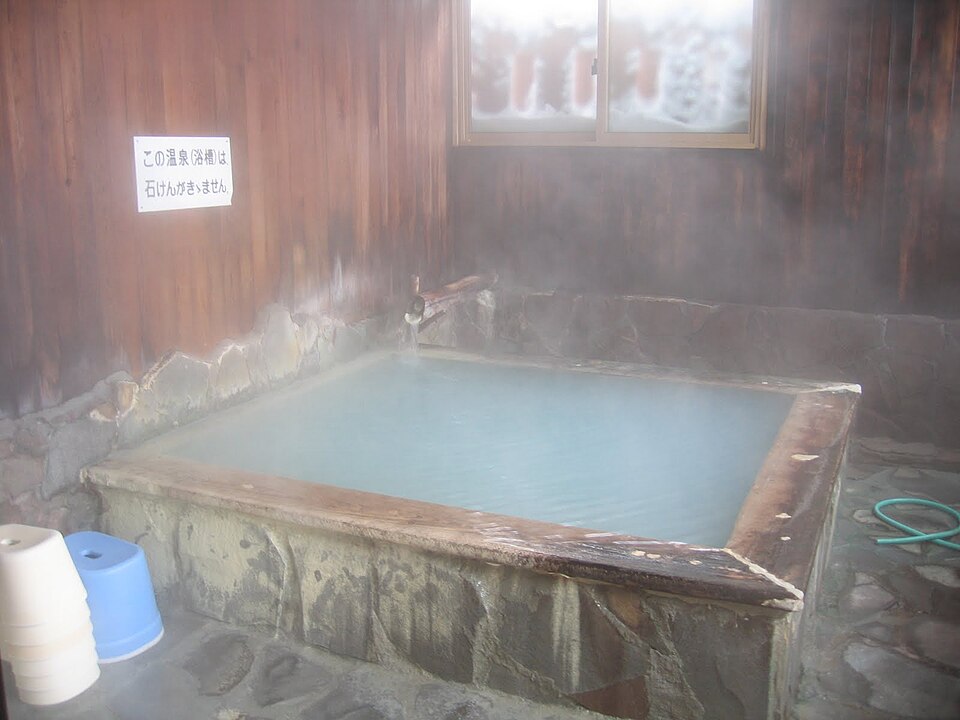
Set deep in the Hakkoda Mountains of Aomori Prefecture, Sukayu Onsen is a historic bathhouse best known for its cavernous mixed-bathing hall, the Sen-nin-buro, which translates as the Bath of a Thousand Bathers. The waters are strongly acidic, the setting is rustic and unhurried, and winter brings extraordinary snowfall to the surrounding mountains.
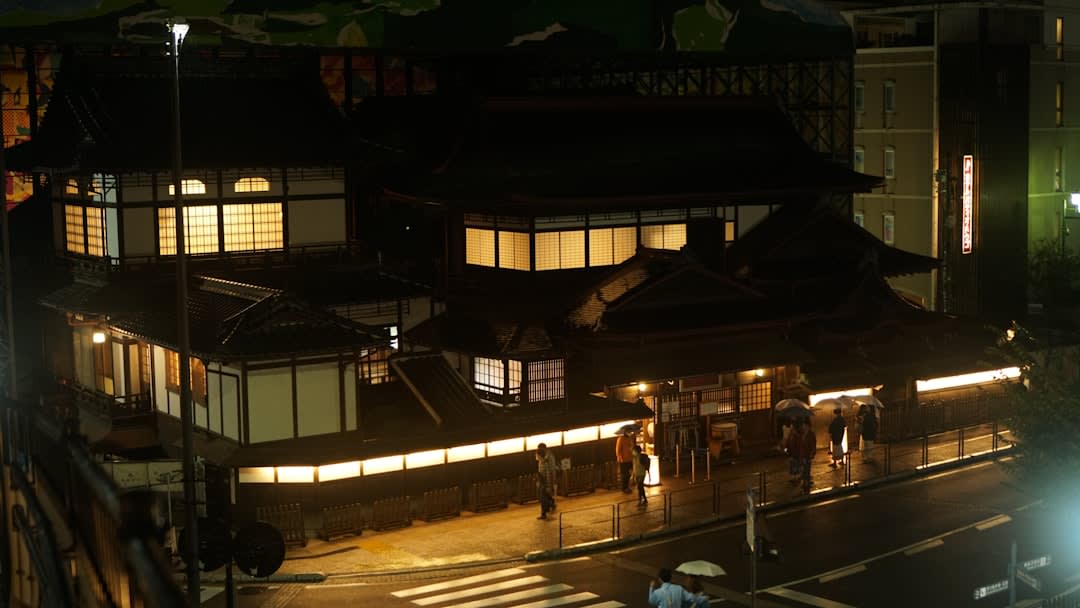
Dogo Onsen ranks among the oldest hot springs in Japan, with written records documenting its use for more than 1,300 years and oral traditions pointing back considerably further. The landmark Dogo Onsen Honkan is a three-storey wooden bathhouse finished in 1894, widely credited as the inspiration for the bathhouse depicted in Studio Ghibli's Spirited Away. The spring water is mildly alkaline and has long been valued for its ability to soften and smooth the skin.
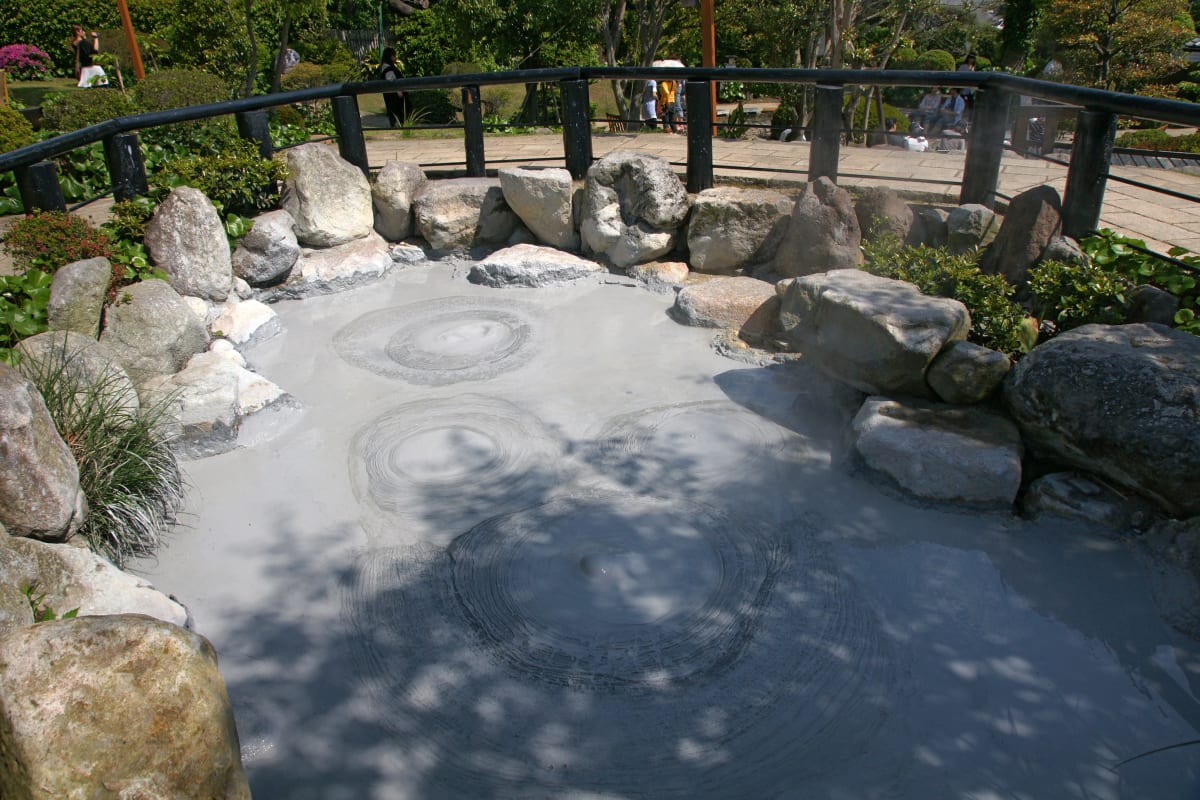
Beppu is the most geothermally active city in Japan, with more than 2,900 hot spring vents located within the city limits and eight distinct thermal spring zones collectively known as the Beppu Hatto. The variety on offer is wide, ranging from grand hotel bathhouses to modest neighborhood public facilities to the celebrated Hells, a collection of brilliantly colored boiling pools scattered across the city. The Hells run far too hot for bathing, but they draw visitors who come to walk among them and take in the spectacle.
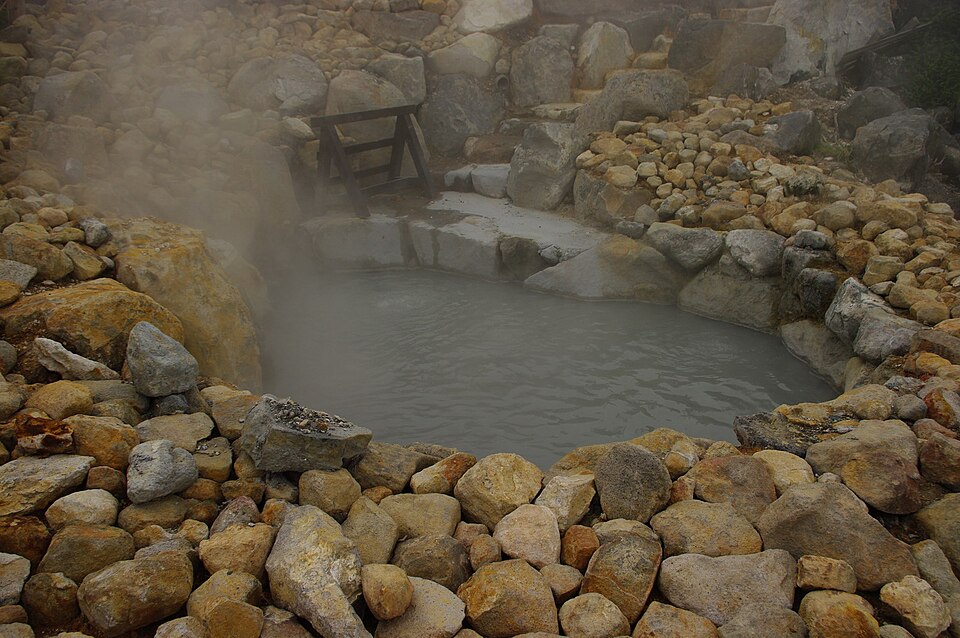
Hakone is a sizable onsen district spread across a caldera, roughly 90 minutes from Tokyo by rail. Seventeen distinct spring sources supply the area's bathhouses, which range from large hotel rotenburo with views of Mt. Fuji and Lake Ashi to small, family-operated facilities tucked along the Old Tokaido road. Because the mineral makeup differs from one source to the next, visiting multiple bathhouses yields a genuinely different soaking experience each time.
Amenities
Getting there
From Tokyo: Joetsu Shinkansen
Gateway: Echigo-Yuzawa (80 min)
Ryokan shuttle
Total journey: 90 min
Take the Joetsu Shinkansen from Tokyo to Echigo-Yuzawa Station. The journey takes about 80 minutes. Free shuttle buses serve most ryokan.
Location & nearby
Yuzawa-machi, Minamiuonuma-gun, Niigata 949-6101
Make a day of it
Pair your soak with these nearby spots.
Attraction
Echigoyuzawa
0.0km away
Attraction
Miyabayashi
0.2km away
Attraction
Seju Rubisho
0.4km away
Attraction
Ko Kami Onsen Daiichigensenkumiaiko Kamikyo Do Yokujo
0.6km away
Attraction
Miyabayashiko Minkan
0.6km away
Park
Co Co Loyuzawachu Shajo
0.7km away
More springs in Chubu
 FREE
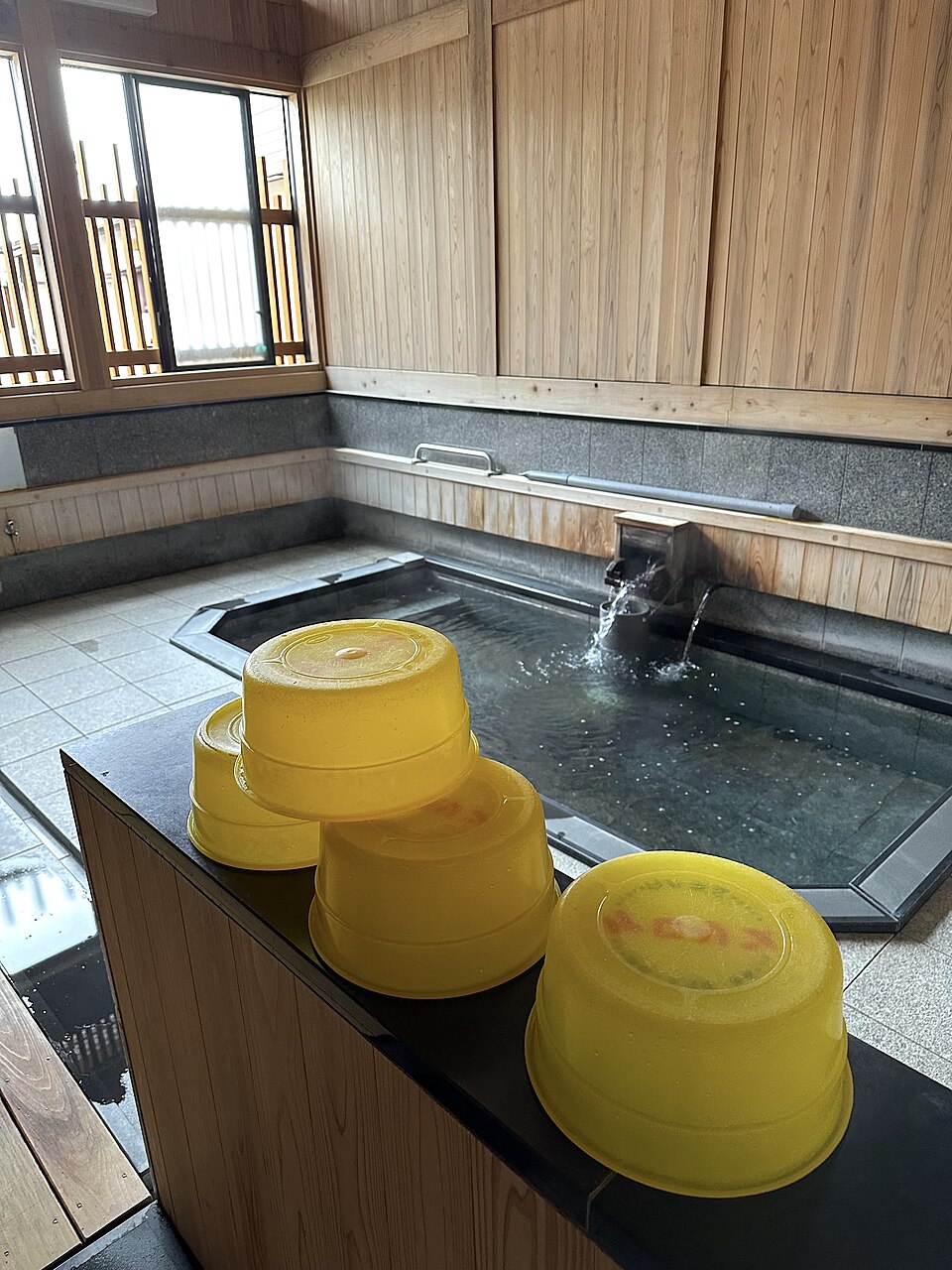
FREENozawa Onsen is a traditional village in Nagano Prefecture that maintains 13 free public bathhouses open to visitors and residents alike. These bathhouses, known as soto-yu, have been overseen by neighborhood cooperatives called yunakama for close to four centuries. The village also contains world-class ski slopes, a pairing that is genuinely uncommon anywhere in the world.
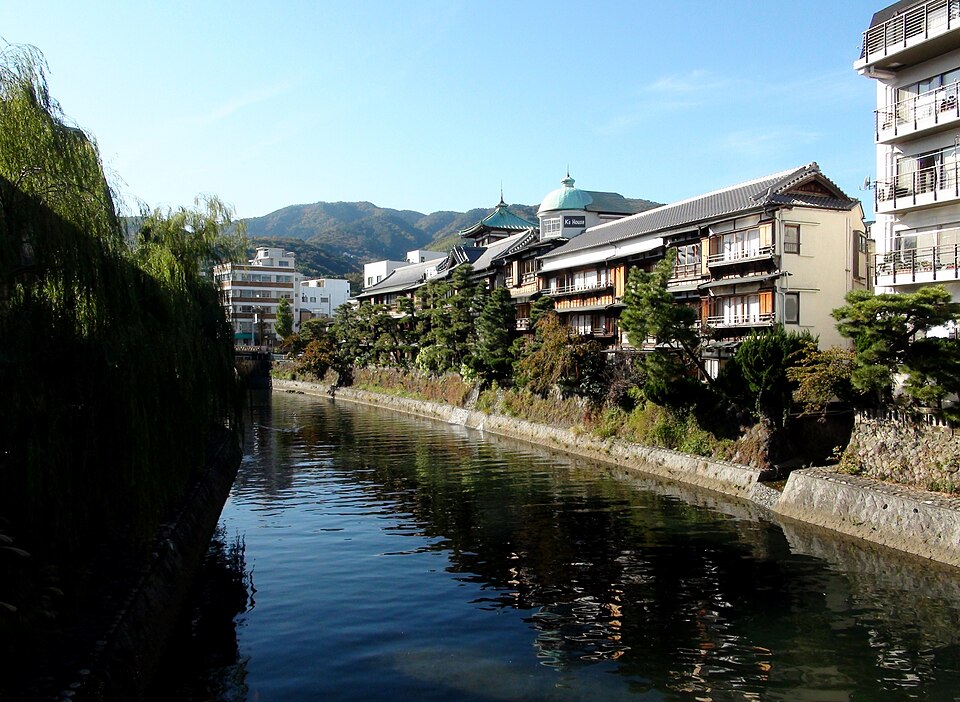
Ito sits along the eastern shore of the Izu Peninsula, facing the ocean and ranking among Japan's most productive hot spring districts by volume. More than 1,500 individual springs feed the town's supply, together pushing out around 30,000 kiloliters of water each day. Palm-lined avenues, tropical parks, and botanical gardens set the tone here, giving Ito a resort atmosphere that reads as distinctly its own compared to inland onsen destinations.
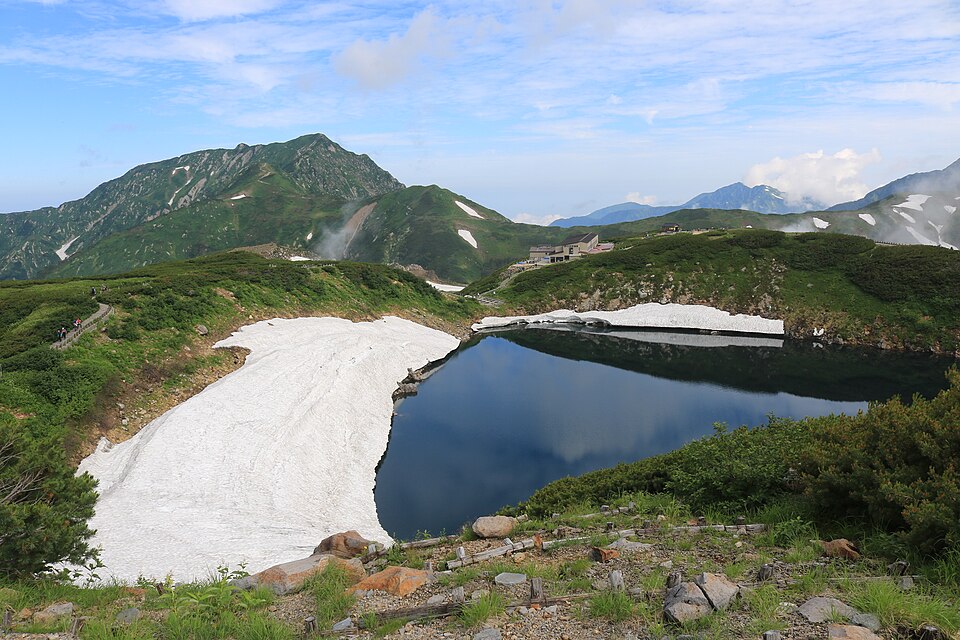
Japan's highest natural hot spring inn sits at 2,410 meters above sea level on the Murodo Plateau, along the Tateyama Kurobe Alpine Route in Toyama Prefecture. The water is a milky white acidic sulfur spring, fully free-flowing and undiluted, fed by the volcanic Jigokudani crater below. The inn is open only from mid-April to late November, and reaching it is an adventure in its own right.
Common questions
What is the water temperature at Echigo Yuzawa Onsen?▾
The water temperature at Echigo Yuzawa Onsen ranges up to 55°C (minimum around 38°C).
Is Echigo Yuzawa Onsen free to visit?▾
Echigo Yuzawa Onsen charges an entrance fee in JPY.
Is Echigo Yuzawa Onsen a public or private bath?▾
Echigo Yuzawa Onsen is a public bathing spring.
Are tattoos allowed at Echigo Yuzawa Onsen?▾
Tattoo policy varies at Echigo Yuzawa Onsen. Check ahead of your visit.
What is the nearest station to Echigo Yuzawa Onsen?▾
The nearest station to Echigo Yuzawa Onsen is Yuzawa Machi Yakuba Mae(Town Office), about 0.3km away.