
Ruisui Hot Spring Area
瑞穗溫泉
4.0 · 1377 reviews · via Google
Ruisui Hot Spring Area
iron · Hualien
Hotter than 32% of Taiwan springs (n=25).
More acidic than 16% of Taiwan springs (n=25).
Mineral profile
Bar width reflects listing order, not measured concentration.
Suitability
At a glance
Getting there
Moderate — a short ride from a station
Cost
Low
Crowd level
Moderate
About this spring
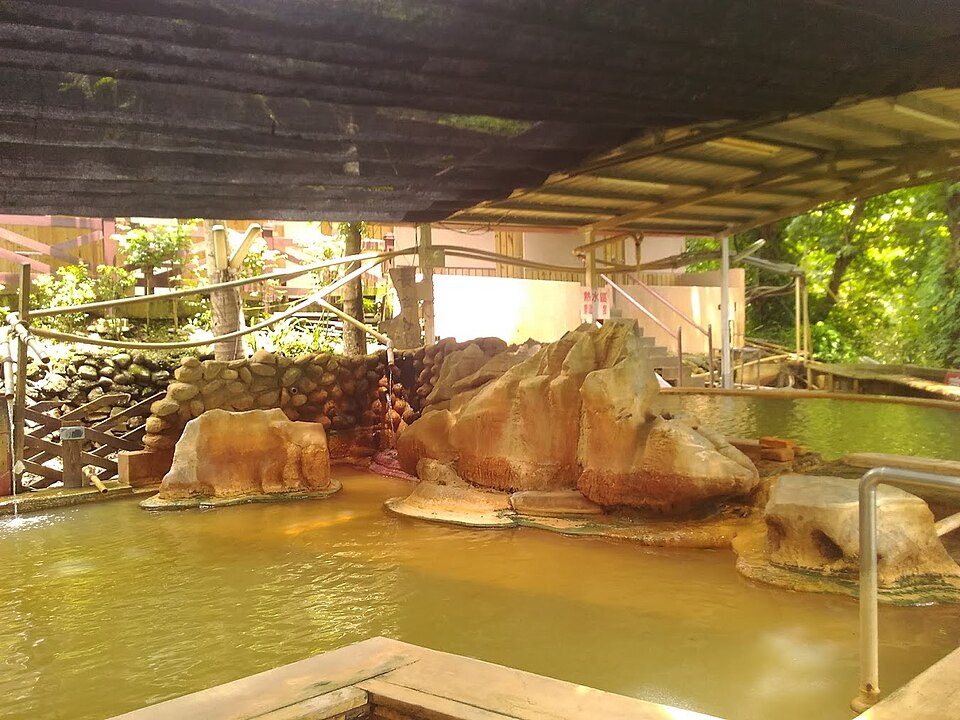
Situated in the pastoral East Rift Valley, Ruisui is famous for producing Taiwan's only iron-rich carbonate hot spring. The mineral-dense water displays a metallic yellow-gold hue and forms a delicate layer of crystallized minerals on the surface known as spring flowers. The valley setting is surrounded by farmland and low green hills.
Highlights
History
The Ruisui springs were originally mapped and cleared by the Japanese colonial administration in 1919.
Recognizing the unique therapeutic value of the iron rich waters, they established a formal public bathhouse built in a classic Japanese architectural style with tatami mats and wooden soaking tubs. It was initially known as the Hongye Hot Spring Club. The original vintage wooden structure has been remarkably well preserved by its owners, serving as a living testament to the early development of thermal culture in eastern Taiwan.
Local guide
The journey to Ruisui is a scenic cruise along the wide, emerald green corridor of the East Rift Valley in Hualien County, either by a TRA express train or a scooter traveling down Provincial Highway 9. The landscape here is flat and agrarian, framed by the towering Central Range on one side and the Coastal Range on the other, with vast pomelo orchards and dairy pastures lining the roads. Turning off toward the foothills of Hongye Mountain, you will arrive at the Ruisui Hot Spring area, which feels peaceful, rural, and wonderfully uncommercialized. The air smells of fresh grass and distant mountain forests. Ruisui is famous for possessing Taiwan's only iron carbonate spring, often referred to by locals as the gold spring or the soup for choosing sons due to an old folklore belief. The water is highly distinct, emerging with a murky, yellowish green or rusty gold hue due to its rich iron content. As the water oxidizes in the open air, a delicate layer of mineral crystals called spring flowers forms on the surface. The water is odorless and kept around forty degrees Celsius. The historic Ruisui Hot Spring Hotel offers access to its traditional outdoor public pools for an entry fee of around two hundred TWD. These pools are coed and require standard swimwear and caps. Tattoos are entirely acceptable in these open outdoor areas. You should bring your own towel and mosquito repellent, as the lush valley is home to tiny biting midges. To enjoy the pools in solitude, arrive during the middle of a weekday. After your bath, take a short ride over to the local Ruisui Dairy Farm to try fresh milk ice cream and steaming hot steamed buns made with milk straight from the pastures.
Mineral chemistry
Iron-bearing springs are recognised by their characteristic rust-red or amber colour and metallic taste. The iron content is associated with stimulation of red blood cell production and is traditionally recommended for anaemia and fatigue recovery.
Iron springs will stain light-coloured swimwear and towels a persistent brownish-orange. Those with haemochromatosis (iron overload condition) should seek medical advice before bathing.
Carbonated hot springs are genuinely rare. The dissolved carbon dioxide creates micro-bubbles that cling to the skin, dilating capillaries and boosting local circulation — sometimes called "heart baths."
Carbonated springs are typically cooler than other spring types. Those with cardiovascular conditions should soak for shorter periods (10–15 minutes max) and exit slowly to avoid lightheadedness.
Similar springs
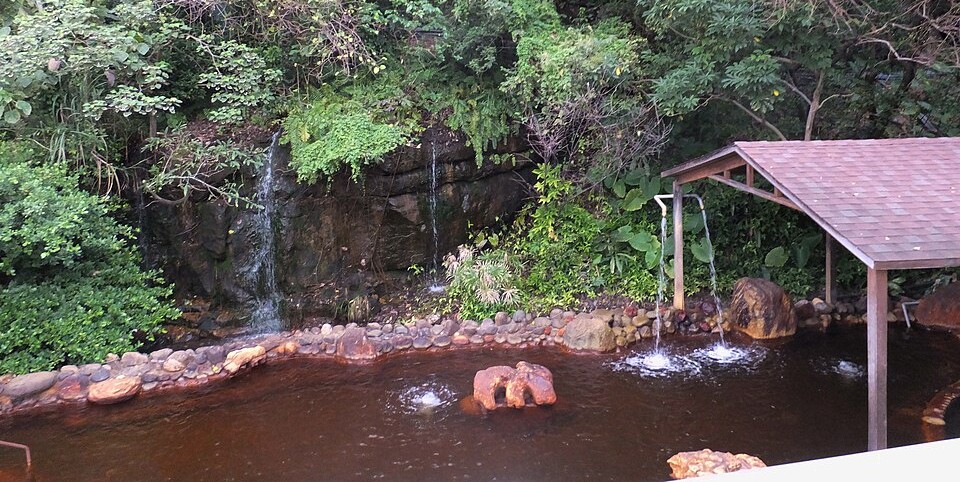
Located on the dramatic northern coastline, this historic bathhouse offers iron-rich marine hot spring water with a golden hue. The rooftop open-air pools provide panoramic views over the coastal wetlands and the open sea. The water contains a natural salt content that helps the body retain heat after bathing.
 FREE
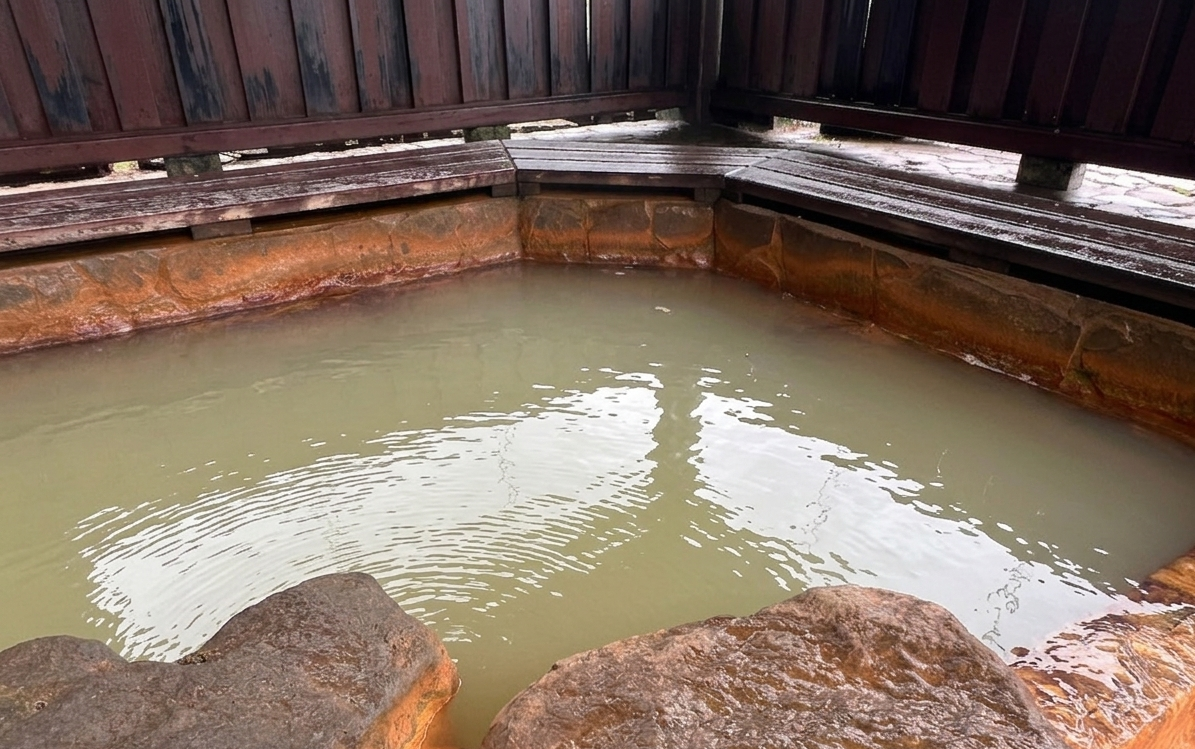
Maintained by the Yangmingshan National Park administration, this free public bathhouse offers separate indoor pools for men and women alongside an outdoor foot-soaking pool. The name translates literally to Cold Water Pit because its water sits at a lower temperature compared to other boiling volcanic vents in the park. The iron-rich neutral sulfate water leaves a faint rust-colored sediment along the pool walls.
 FREE
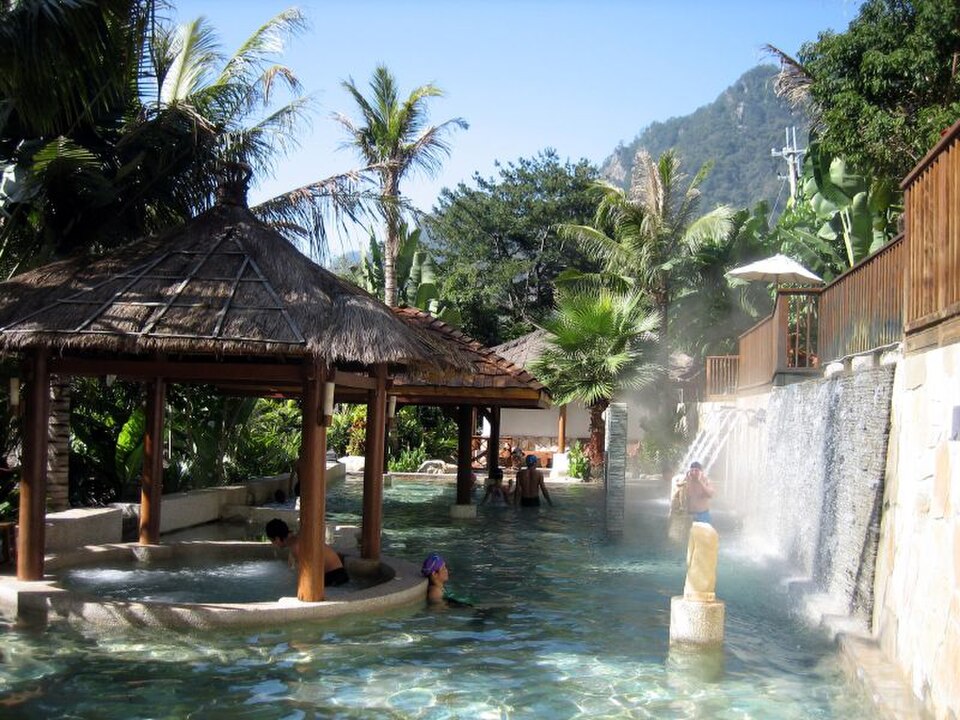
Located along the scenic Central Cross-Island Highway, this park features free, open-air public foot pools that contain therapeutic Doctor Fish which nibble away dead skin cells. The water is a mild, weakly alkaline carbonic acid spring with a light hint of sulfur that is clear and relaxing. The park is beautifully integrated with mountain walking trails and an indigenous cultural center.
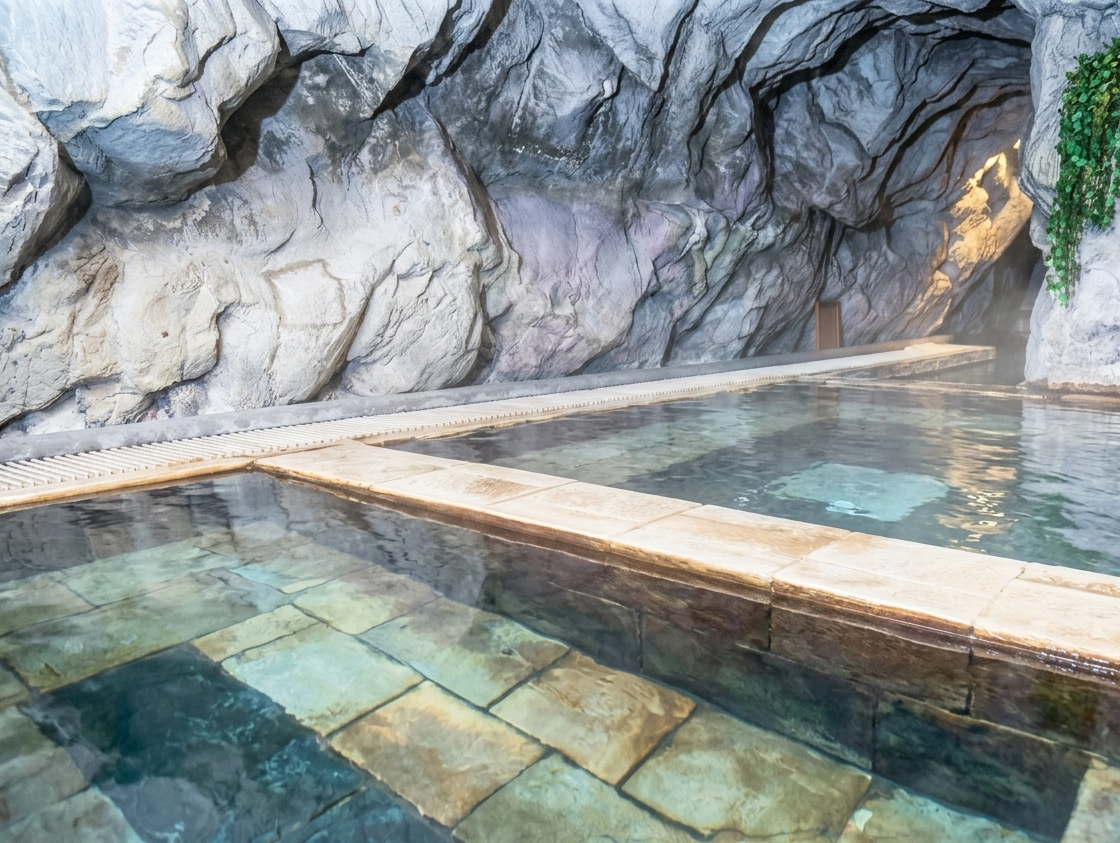
Perched on a high mountain slope near the entrance of the Yushan National Park trail system, Dongpu features pristine, clear carbonic acid springs. The village is surrounded by steep mountain peaks and serves as a major agricultural hub for the indigenous Bunun tribe. The water flows from mountain crevices and is completely free of any strong chemical odors.
Amenities
Getting there
From Hualien
Gateway: Ruisui TRA Station
TRA local or express to Ruisui Station, then a 10 minute taxi west
Total journey: 60 min
Take the TRA train directly to Ruisui Station, then rent a bicycle or catch a short local taxi ride west toward the foothills.
Location & nearby
Hot Spring Road, Ruisui Township, Hualien County
Make a day of it
Pair your soak with these nearby spots.
Attraction
Ruisui Hot Spring
0.2km away
Attraction
Hot Spring Foot Bath
1.1km away
Attraction
Reflector Panel
1.4km away
Viewpoint
Jiangbu South Mountain
1.4km away
Attraction
Ruisui Farm
1.8km away
More springs in Hualien
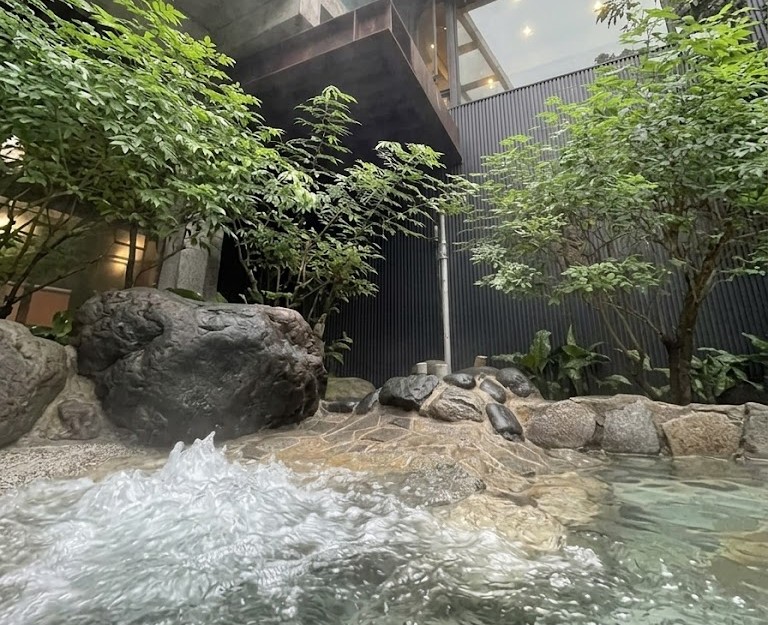
Antong is located along a quiet mountain valley slicing through the Coastal Mountain Range, featuring clear, slightly salty sodium chloride water. The spring area emits a delicate sulfur fragrance and is famous for panoramic views of dark green valleys. A historic single-story dark wood Japanese inn sits at the center of the modern resort complex.
Common questions
What is the water temperature at Ruisui Hot Spring Area?▾
The water temperature at Ruisui Hot Spring Area ranges up to 48°C (minimum around 45°C).
Is Ruisui Hot Spring Area free to visit?▾
Ruisui Hot Spring Area charges an entrance fee in TWD.
Is Ruisui Hot Spring Area a public or private bath?▾
Ruisui Hot Spring Area is a mixed bathing spring.
Are tattoos allowed at Ruisui Hot Spring Area?▾
Yes, Ruisui Hot Spring Area welcomes visitors with tattoos.
What is the nearest station to Ruisui Hot Spring Area?▾
The nearest station to Ruisui Hot Spring Area is Ruisui TRA Station, about 2.8km away.