The first thing I do after any hot spring, before I have even fully dried off, is start thinking about what I am going to eat. This is not a personal failing so much as a pattern I have noticed everywhere I have soaked, from a volcano-facing pool in Bali to a municipal bathhouse in Budapest. Every hot spring culture on earth seems to have solved the same problem the same way: a long soak leaves you starving, and somebody nearby has always figured out exactly what to sell you for it.
Japan: the onsen ryokan and the multi-course reset
Japan built an entire hospitality tradition around this exact hunger. Stay at a proper onsen ryokan and dinner arrives as kaiseki, a multi-course meal built around whatever is seasonal and local, served in your room or a private dining area timed precisely for after your first soak of the evening. It is deliberately paced. You are not meant to rush it, the same way you were not meant to rush the bath.
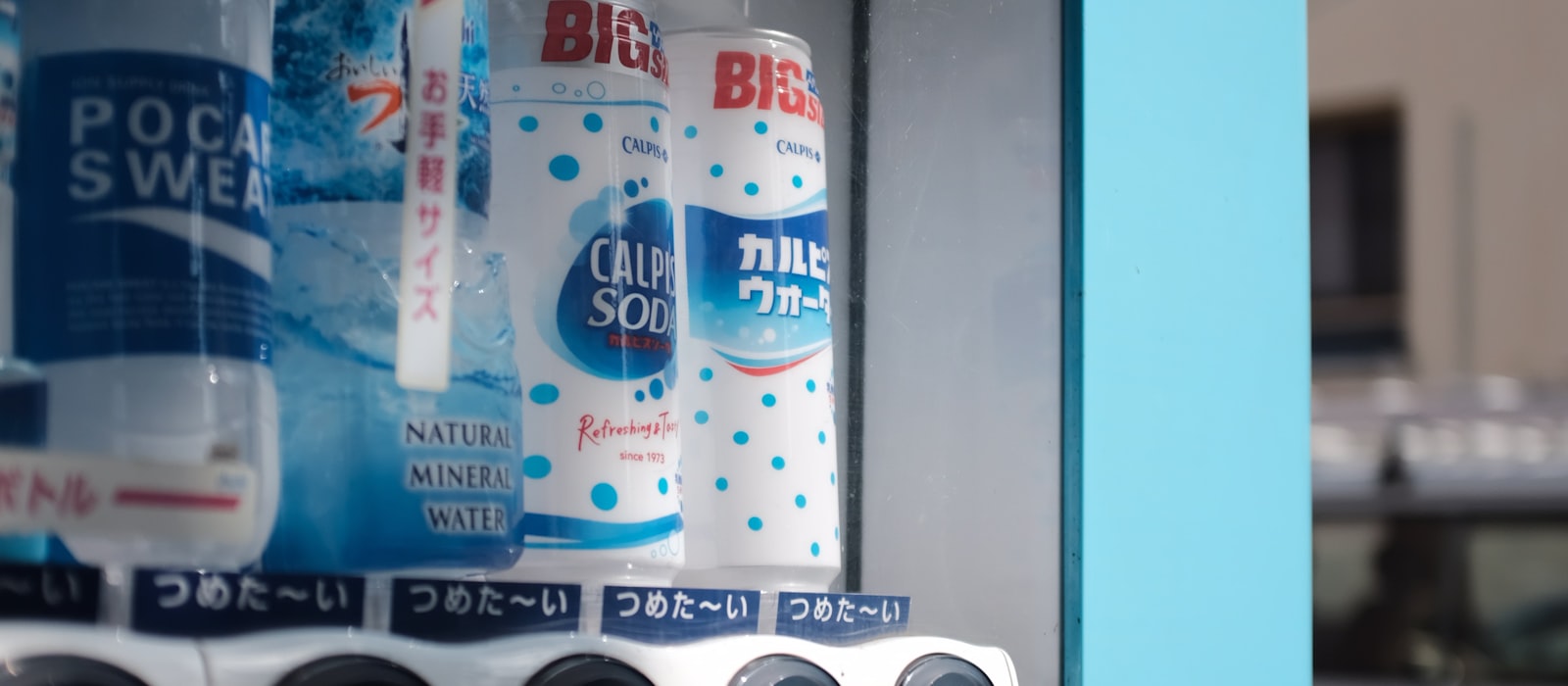
Day-trip onsen towns run a more casual version of the same instinct. Walk the streets of Kusatsu or Beppu and you will find stalls selling onsen tamago, eggs slow-cooked in the spring water itself until the yolk turns custardy and the white stays soft, along with steamed buns and grilled skewers meant to be eaten standing up between baths. The formality changes. The underlying logic, that a soak earns you food, does not.
Indonesia: rice terraces, volcano views, and a very good bowl of soup
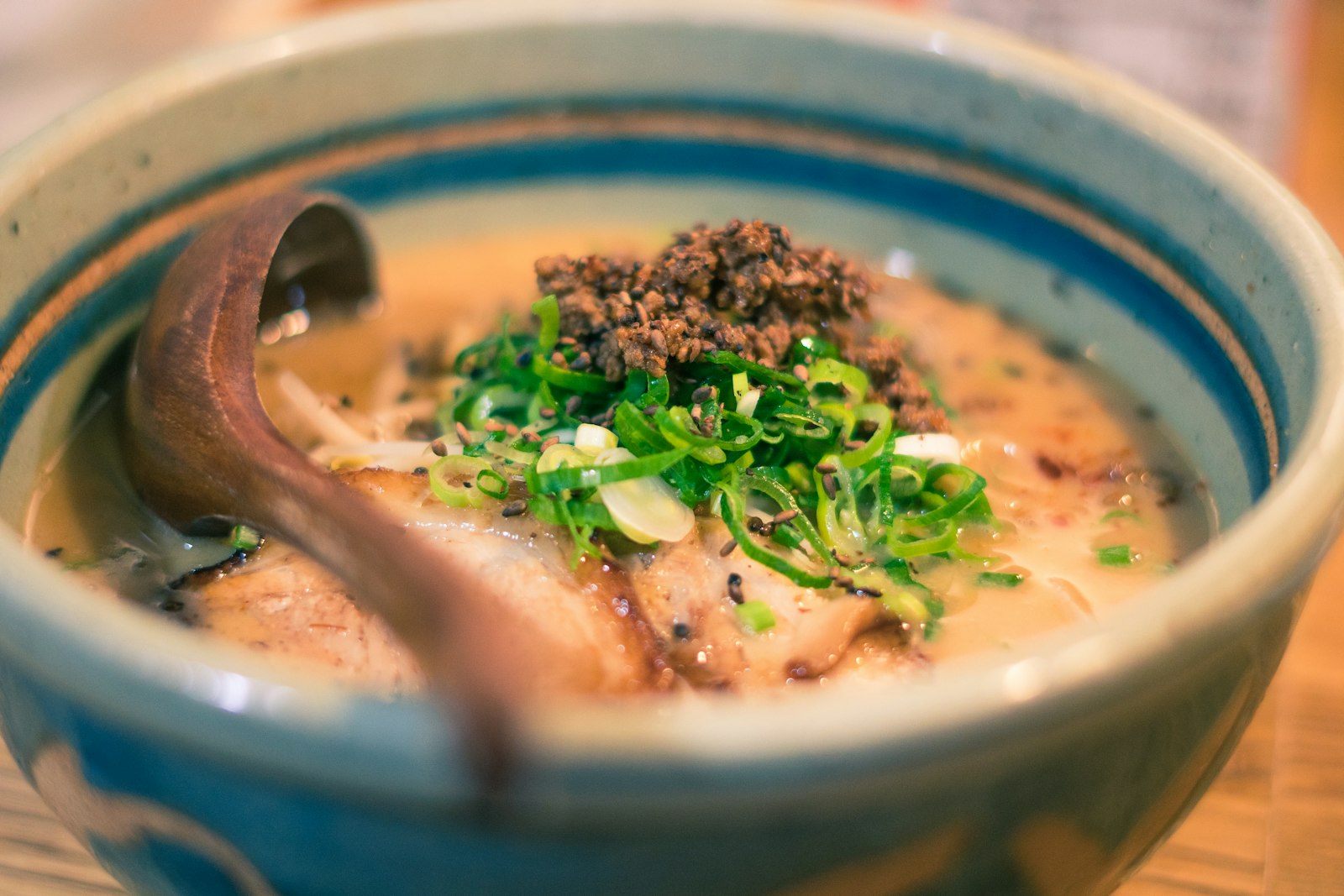
My own first experience with this pattern happened in Bali, at a natural hot spring outside Ubud reached by a walk down into a green canyon beside a waterfall. There was no restaurant at the spring itself, just the water and the jungle, but the ride back into town always ended at a warung, a small family-run eatery, for a bowl of soto ayam or nasi campur eaten with the kind of appetite only cold-then-hot water can produce.
Java and Bali's hot spring towns tend to follow this pattern: the spring itself is often simple, sometimes just a natural pool with no facilities at all, and the food culture happens in the village nearby rather than on-site. It rewards planning your route around the meal as much as the soak, since the best warung is rarely the one closest to the parking lot.
Hungary: the thermal bath as an all-day social institution
Budapest flips the entire structure. Its grand thermal baths, Szechenyi and Gellert among them, are built with cafes and full restaurants inside the same complex, because Hungarian bathing culture treats a thermal visit as an entire day rather than a quick stop. People play chess in the water, read newspapers, and eat between soaking sessions without ever leaving the building. Goulash and langos, a fried dough topped with sour cream and cheese, are the reliable order, and both taste better than they have any right to after two hours in mineral water.
The lesson from Budapest is really about pacing. A Hungarian thermal bath visit is not a stop between other activities, it is the activity, food included, and treating it that way changes how satisfying the whole day feels.
Turkey: gozleme, ayran, and the village stop
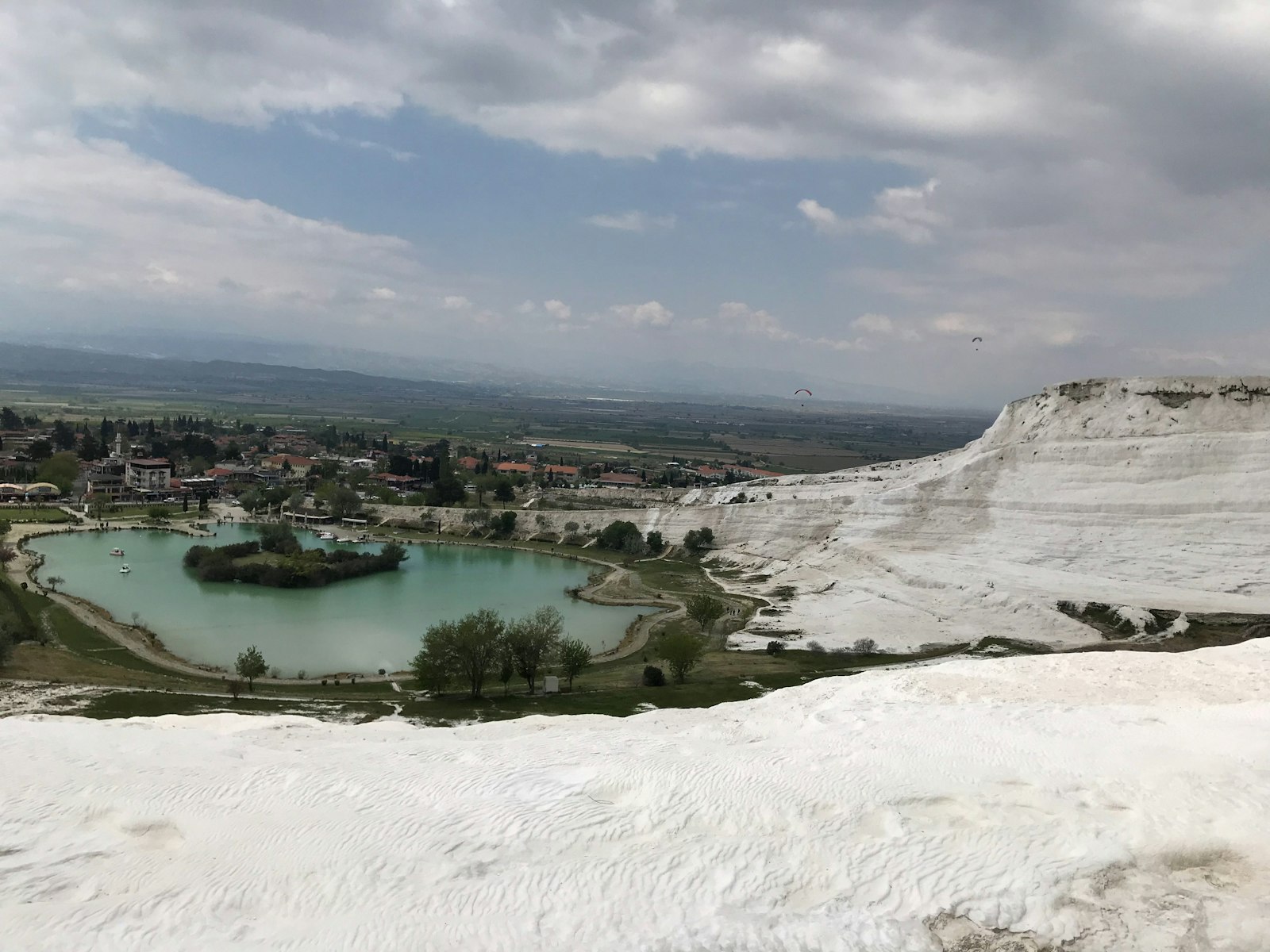
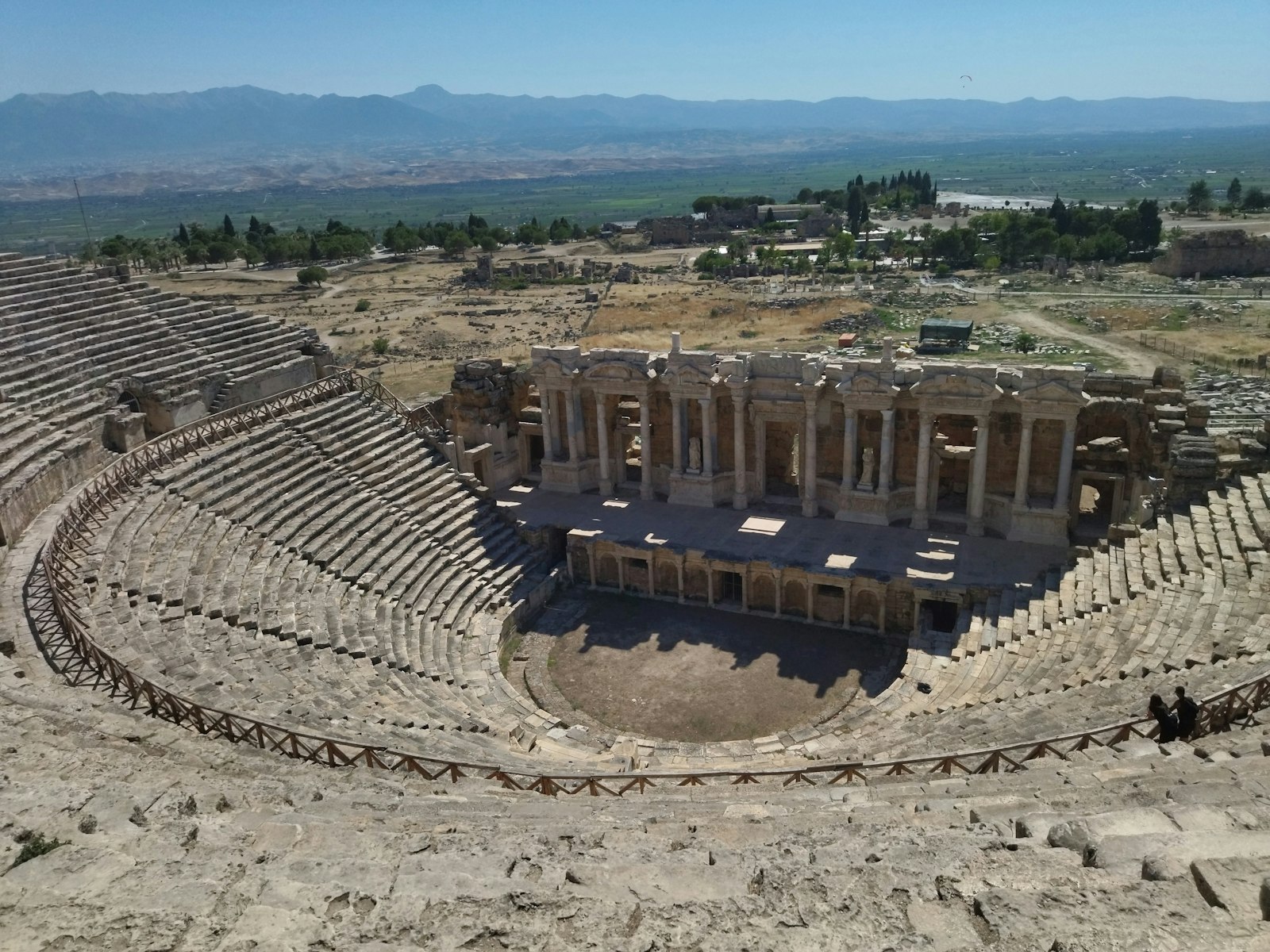
Turkey's hot spring towns lean casual and local. Near Pamukkale's white travertine terraces and the Cleopatra Antique Pool, simple cafes near the site entrance sell gozleme, a savory stuffed flatbread cooked on a griddle, alongside ayran, a salted yogurt drink that does more to rehydrate you after a hot soak than water alone ever seems to. A short drive away in Karahayit, where the red iron springs stain your feet rust orange, the village's main street runs the same combination: gozleme, Turkish coffee, and enough plastic chairs outside each stall to suggest everyone else had the same idea after their soak.
It is unfussy food, made for eating quickly between one thermal stop and the next, and it fits the pace of a Turkey hot spring trip built around covering ground rather than lingering at any single site.
Why this keeps happening everywhere
None of this is coincidence. Soaking in hot mineral water raises your body temperature, increases circulation, and genuinely burns through your energy reserves faster than a normal walk would. Every culture that developed a hot spring tradition eventually built a food tradition next to it, because the hunger shows up whether you planned for it or not. What changes is the shape the solution takes: a multi-course kaiseki in Japan, a warung bowl in Bali, an all-day cafe in Budapest, a quick gozleme stall in Karahayit. Different countries, same problem, and in every case, a genuinely good answer.
A note for planning your own trip
If there is one practical takeaway from comparing these four countries, it is this: check what is actually available near the spring before you go, not just at it. Japan's ryokan meals often need to be booked as part of your stay. Bali's best food is frequently a short drive from the spring itself, in the nearest village rather than the parking lot. Budapest rewards blocking out most of a day rather than an hour. And Turkey's smaller sites, especially the free public springs like Karahayit, may have no food options directly on-site at all, so a nearby town stop is worth building into the plan rather than assuming you will find something at the gate.


SpringsAtlas may earn a commission, at no extra cost to you.
Sources and further reading
- SpringsAtlas country directories for Japan, Indonesia, Hungary, and Turkey
- Personal travel experience across Bali and Java hot spring regions