I have a confession. I did not start soaking in hot springs for my health. I started because the water felt wonderful and the settings were beautiful. The health part was something the signs at Japanese onsen kept insisting on, in that formal way Japanese signage insists on things. Good for neuralgia. Good for recovery from fatigue. Good for sensitive skin.
Ryan is the one who reads the actual studies. It has become a routine of ours. I come out of the water saying I feel amazing, and he tells me which parts of that feeling have published evidence behind them and which parts are three hundred years of enthusiastic folklore. This post is that conversation, written down.
The heat is doing most of the work
Here is the unglamorous truth first. A large share of what a hot spring does for you is what any sustained warm-water immersion does for you. The minerals get the marketing, but the heat does the heavy lifting.
When you sit in water around 38 to 40 degrees, your blood vessels widen. Circulation increases. Muscles that were holding tension let go of it, partly because the water is warm and partly because the water is holding your weight up so your muscles do not have to. This is why a twenty-minute soak after a long hiking day feels like it repairs you. In a measurable way, it does.
The most consistent finding in the research is about sleep. Warm bathing in the evening, followed by the natural drop in body temperature afterward, helps people fall asleep faster and sleep more deeply. Japanese researchers have studied this extensively because bathing before bed is a national habit. The effect shows up whether the water is mineral-rich or straight from a tap. I can confirm the effect is real. Onsen nights are the best sleep of any trip.
What the minerals add
So do the minerals matter at all? They do, but more specifically than the signage suggests.
Sulfur springs are the ones with the strongest skin evidence. Sulfur has documented antibacterial and keratolytic effects, which is a dermatology word for softening and loosening the outer layer of skin. This is why sulfur springs have a long association with psoriasis and eczema relief, and why some of that association survives contact with actual clinical studies. Balneotherapy trials, mostly from Europe and Japan, show modest but real improvements for some inflammatory skin conditions.
Sodium chloride springs, the salty ones, hold heat against the skin longer. You stay warmer after leaving the water. Old Japanese bathing culture calls these heat-retaining baths, and for once the folklore and the physiology agree.
Hydrogen carbonate springs are the ones locals call beauty water in both Japan and Taiwan. The water feels silky and leaves skin feeling smooth because mildly alkaline water helps lift oils and dead skin. Whether that adds up to a lasting cosmetic benefit is less proven. Whether it feels lovely is not in dispute.
If you want to go deeper on the chemistry side, I wrote about what pH levels mean for your skin after a trip through some very acidic Japanese springs.
What soaking will not do
I love hot springs and I am telling you this anyway. A hot spring will not detox you. Your liver and kidneys do that, and no amount of mineral water on the outside of your body changes what they do on the inside. Sweating in hot water removes water and salt, not accumulated toxins.
The mineral absorption claims deserve honesty too. Some minerals do cross the skin in small amounts, and researchers have measured it. But the quantities are tiny compared to what you get from food. You soak in calcium-rich water for the feeling, not for your calcium intake.
And there are real cautions. Very hot water raises heart rate and drops blood pressure when you stand up. If you are pregnant, have a heart condition, or have low blood pressure, keep soaks short and temperatures moderate, and talk to your doctor rather than a travel blog. That includes this one.
How I get the most out of a soak
Years of trial and error, condensed.
Go in stages. Rinse first, always. Start with a warm pool before a hot one. Your body reads a sudden 44-degree bath as an emergency, not a treat.
Fifteen to twenty minutes, then a break. The benefits do not stack the longer you cook. Step out, cool down, drink water, go back in if you want. The Japanese practice of alternating soaks with rest is not ceremony. It is cardiovascular common sense.
Do not rinse off mineral water at the end if your skin tolerates it. This is standard onsen advice for sulfur and bicarbonate springs. Let the minerals sit. The exception is highly acidic water, which you should rinse off, and strongly sulfurous water if you value your silver jewelry, which you should have removed anyway.
Evening beats morning if sleep is your goal. Soak, cool down, sleep like a stone.
The honest summary
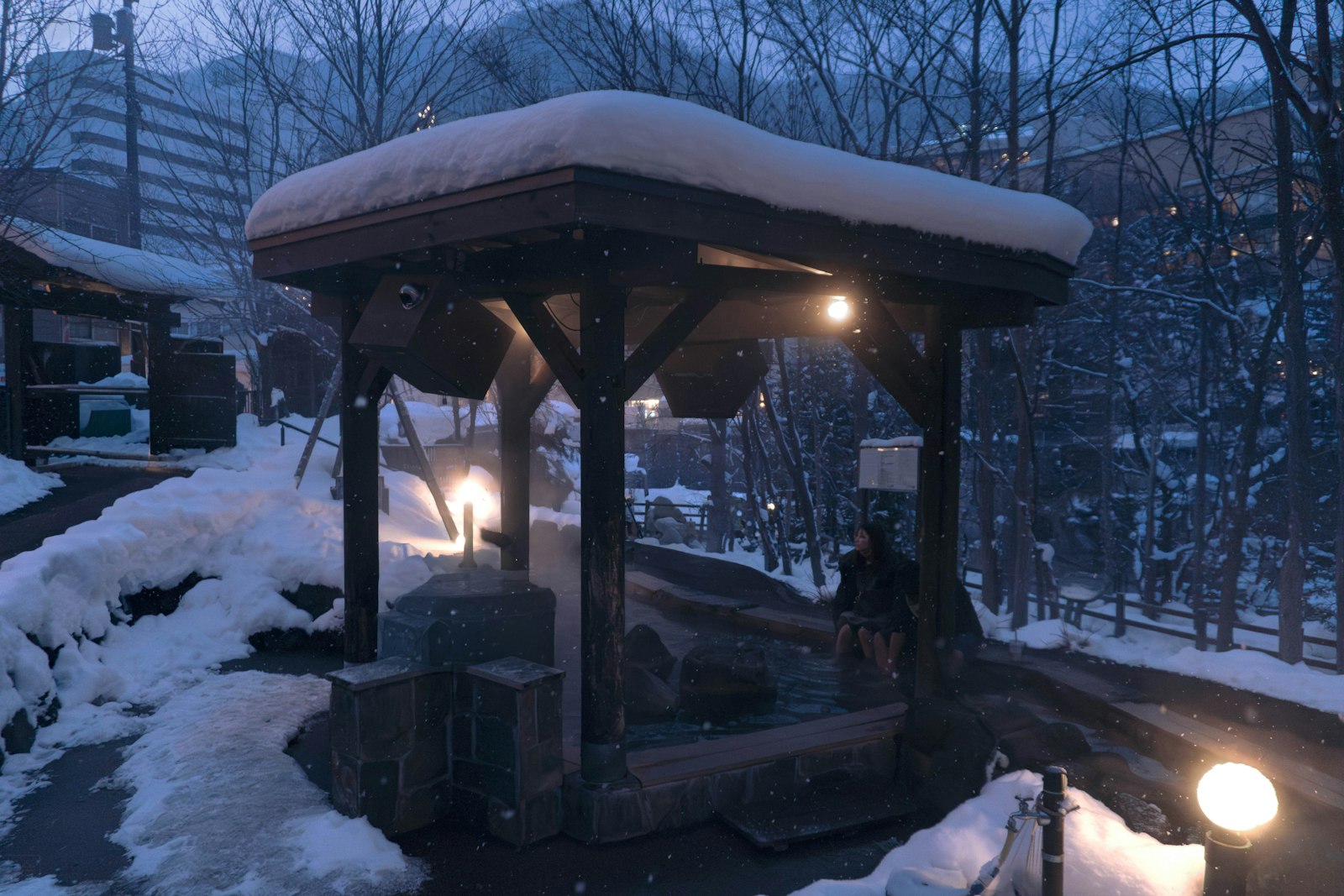
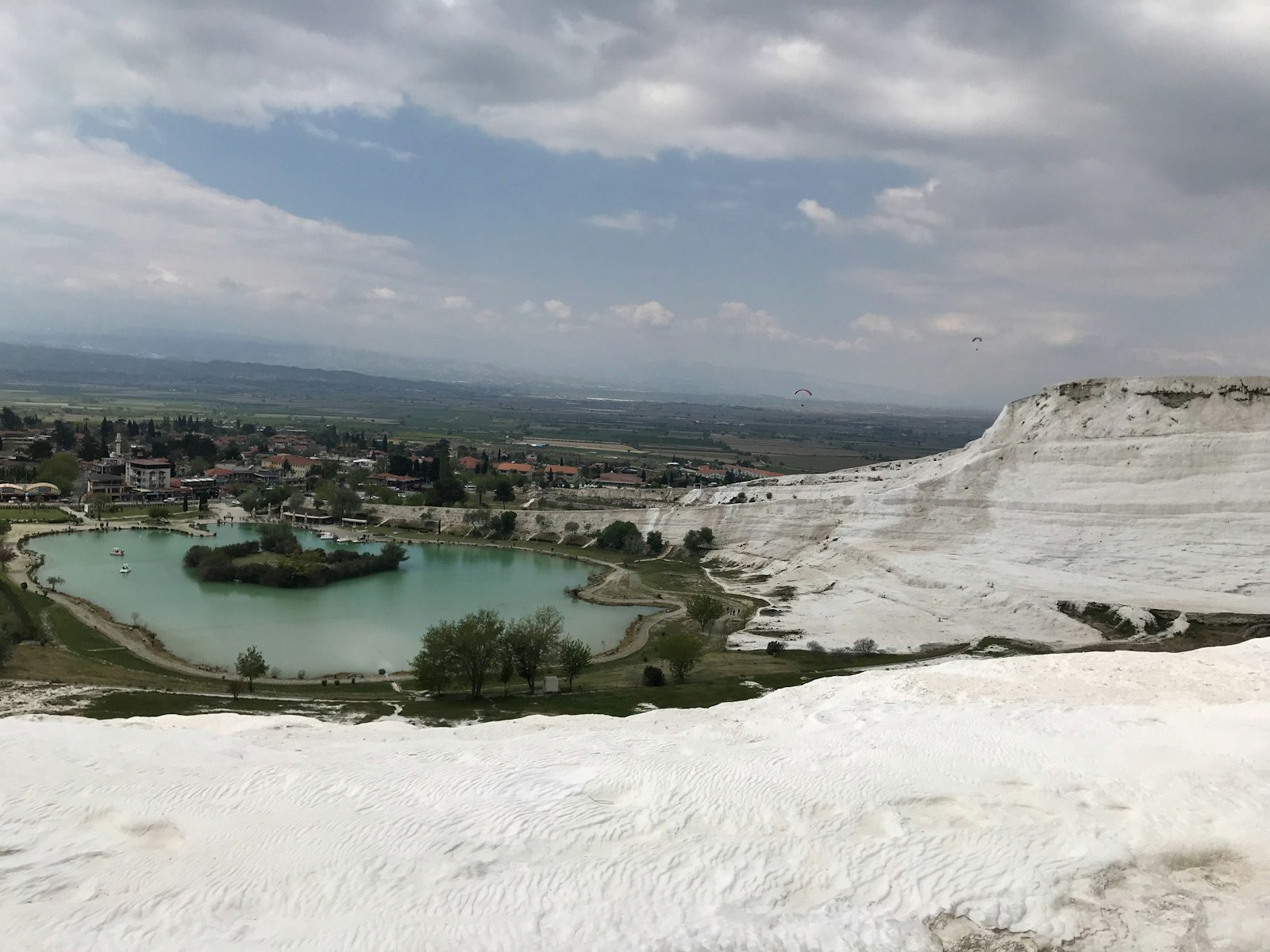
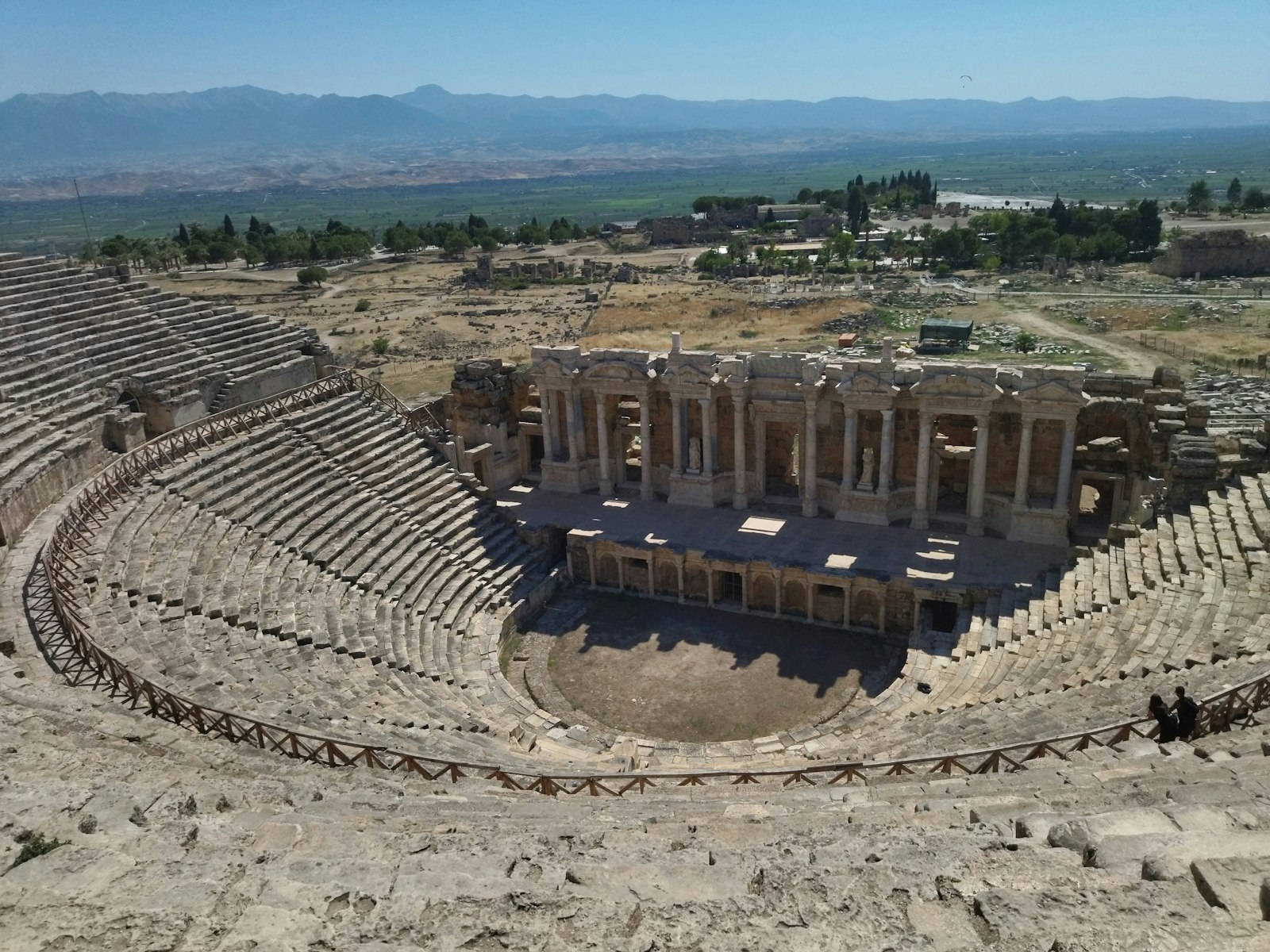
The setting is the medicine as much as the water. A hot pool in a forest in Hokkaido, a thermal lake in Hungary, a tiled bath under a dome in Budapest, a concrete pool under palm trees in Laguna. What they share is heat, buoyancy, minerals, and the fact that you cannot bring your phone in with you. Every one of those four things has evidence behind it. The last one might have the most.
Wherever you are reading this from, there is probably geothermal water closer than you think. That is more or less why we built SpringsAtlas. Go find your soak.


SpringsAtlas may earn a commission, at no extra cost to you.
Sources and further reading
- Mooventhan A. and Nivethitha L., Scientific evidence-based effects of hydrotherapy on various systems of the body, North American Journal of Medical Sciences
- Matz H., Orion E., Wolf R., Balneotherapy in dermatology, Dermatologic Therapy
- Haghayegh S. et al., Before-bedtime passive body heating by warm shower or bath to improve sleep, Sleep Medicine Reviews
- Japan Ministry of the Environment, official onsen classification and indicated benefits documentation