
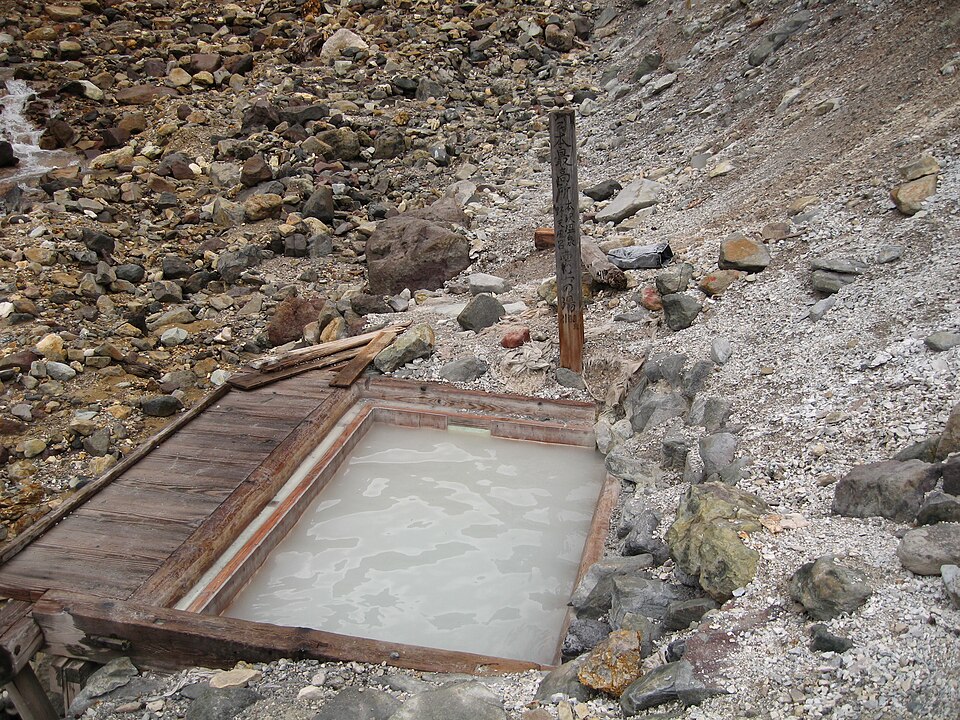
Honzawa Onsen
本沢温泉
4.2 · 235 reviews · via Google
Honzawa Onsen
calcium-sulfate · Chubu
Hotter than 48% of Japan springs (n=122).
More acidic than 10% of Japan springs (n=121).
Mineral profile
Bar width reflects listing order, not measured concentration.
Suitability
At a glance
Getting there
Moderate — a short ride from a station
Cost
High
Crowd level
Quiet
About this spring
Honzawa Onsen sits within the Hakone volcanic zone of Kanagawa Prefecture, drawing from a geothermal system that has driven the formation of the Hakone caldera for more than 300,000 years. The waters carry a notable sulfurous character and are dense with dissolved minerals. The spring occupies a forested mountain valley setting.
Highlights
History
The springs at Honzawa are part of the broader geological story of the Hakone region.
Written records of Hakone's hot springs date to the Nara period, around 738 AD, making them among the earliest documented in the area. During the Edo period the valley found a practical role as a waypoint along the Tokaido Highway. In 1811 a published guide to the Hakone springs catalogued the main sources in the region, and that classification provided the foundation for the resort development that followed through the Meiji era.
Local guide
Past Hirayu, the road into the Okuhida valley follows the Gamata River further up into the mountains until the trees close in and the paving ends at a small cluster of buildings. Honzawa Onsen sits at around 1,100 meters in the narrowest section of the upper Okuhida valley, with the Hida Mountains rising on both sides and the river audible from every building. From Hirayu Bus Terminal, a local bus covers the route in about twenty minutes, though the last service back runs in the early evening and missing it means a long walk. Snow closes the upper road for part of winter, and the timing of the seasonal reopening determines when the year's first guests can return.
The spring chemistry at Honzawa is calcium sulfate and sodium bicarbonate with a trace of sulfur, and the water emerges at 60 degrees with a pH of 6.9, which is almost perfectly neutral. In the bath it reads as milky or faintly translucent white, softer than the stronger sulfur springs at nearby Shin-Hotaka but with a similar mineral depth. The calcium sulfate content is what gives the water its particular skin feel: not the silky alkalinity of a high-pH simple spring, but a smoother, slightly velvety quality that coats without clinging. The sulfur note is mild, the kind you register once and then forget.
The valley setting at Honzawa produces one of the more striking outdoor bathing situations in the Okuhida region. The outdoor pools at the main facility here look directly up the river gorge toward the Hida ridgeline, and in autumn the beech and maple canopy on the slopes above turns yellow and red from the valley floor up to the treeline in sequence as the weeks progress. By late October, when the upper slopes are already bare, the lower forest is still in full color, and the steam from the outdoor baths rises through the cold air against that backdrop in a way that is hard to photograph and easy to remember.
The Shin-Hotaka Ropeway, Japan's only double-decker gondola, is about fifteen minutes further up the valley from Honzawa and lifts riders to a platform at 2,156 meters above sea level. Most visitors who stay at Honzawa use the ropeway as the main daytime activity, returning to the outdoor baths in the late afternoon. The combination of high altitude views, cold mountain air, and then the warm neutral water of a calcium sulfate pool at dusk is the particular pleasure this corner of Gifu does better than most places in the Japanese Alps.
Mineral chemistry
Sulfate springs contain dissolved calcium, sodium, or magnesium sulfate. Calcium sulfate springs are traditionally associated with wound healing and post-surgical recovery.
Sodium sulfate springs can have a mild laxative effect in sensitive individuals — stay well hydrated.
Bicarbonate springs cleanse and soften the skin surface, removing excess sebum without stripping the skin's acid mantle. Traditionally recommended for acne-prone skin and sensitive skin types.
Bicarbonate springs are generally among the most gentle and well-tolerated onsen types.
Sulfuric hot springs are among the most studied in balneology worldwide. The sulfur compounds, primarily hydrogen sulfide and thiosulfate, have documented antimicrobial and anti-inflammatory properties. Regular bathing is associated with relief from chronic skin conditions including eczema and psoriasis, as well as joint inflammation and muscle soreness. Sulfuric waters have been used therapeutically across Asia and Europe for centuries.
The distinctive rotten-egg smell dissipates quickly after leaving the bath. Avoid if you have a sulfur allergy, very sensitive skin, or respiratory conditions. Remove silver jewellery before entering — sulfur will blacken it permanently.
Iron-bearing springs are recognised by their characteristic rust-red or amber colour and metallic taste. The iron content is associated with stimulation of red blood cell production and is traditionally recommended for anaemia and fatigue recovery.
Iron springs will stain light-coloured swimwear and towels a persistent brownish-orange. Those with haemochromatosis (iron overload condition) should seek medical advice before bathing.
Similar springs
 FREE
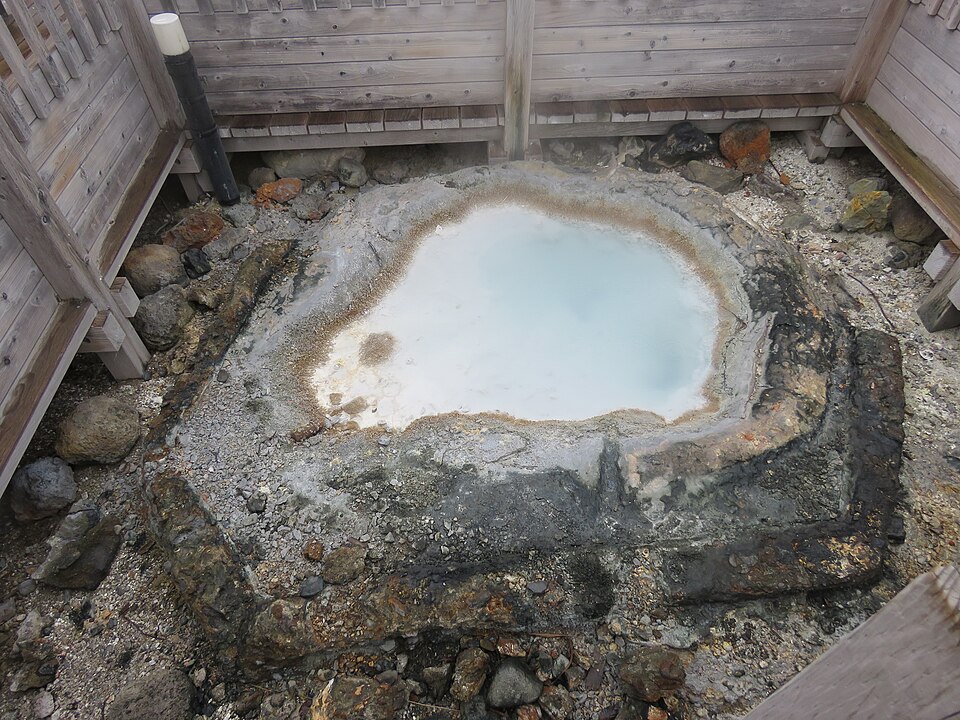
FREEThe valley occupies the center of Noboribetsu Onsen in Hokkaido. Jigokudani translates as Hell Valley. The crater covers 11 hectares and releases roughly 10,000 tonnes of hot spring water each day. Fumaroles vent steam across the floor of the valley, boiling pools bubble at the surface, and the surrounding cliffs carry heavy mineral staining. A walking path winds through the area in about 20 minutes and is open to all visitors at no cost. It ranks among the most striking landscapes accessible on foot anywhere in Japan.
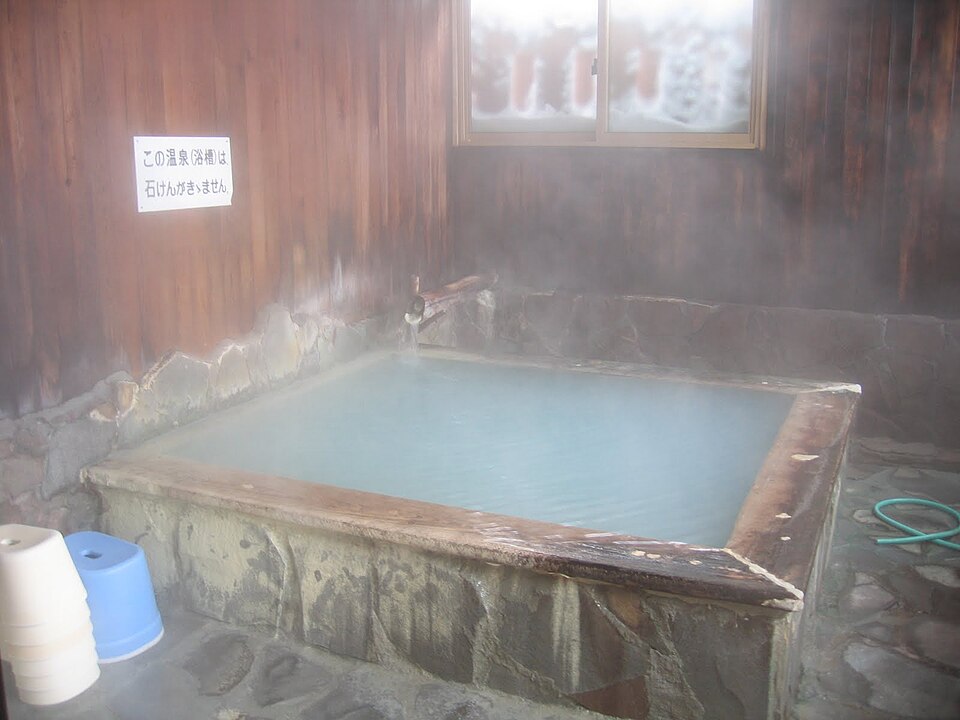
Set deep in the Hakkoda Mountains of Aomori Prefecture, Sukayu Onsen is a historic bathhouse best known for its cavernous mixed-bathing hall, the Sen-nin-buro, which translates as the Bath of a Thousand Bathers. The waters are strongly acidic, the setting is rustic and unhurried, and winter brings extraordinary snowfall to the surrounding mountains.
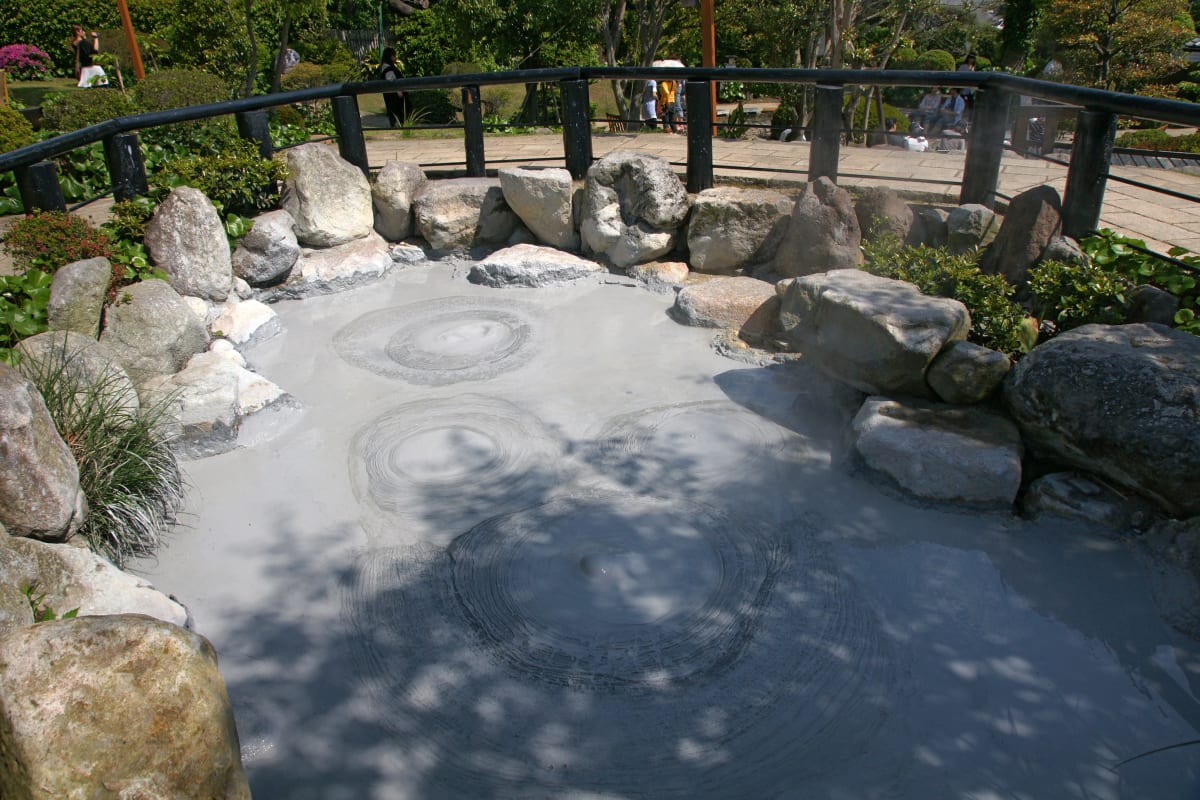
Beppu is the most geothermally active city in Japan, with more than 2,900 hot spring vents located within the city limits and eight distinct thermal spring zones collectively known as the Beppu Hatto. The variety on offer is wide, ranging from grand hotel bathhouses to modest neighborhood public facilities to the celebrated Hells, a collection of brilliantly colored boiling pools scattered across the city. The Hells run far too hot for bathing, but they draw visitors who come to walk among them and take in the spectacle.
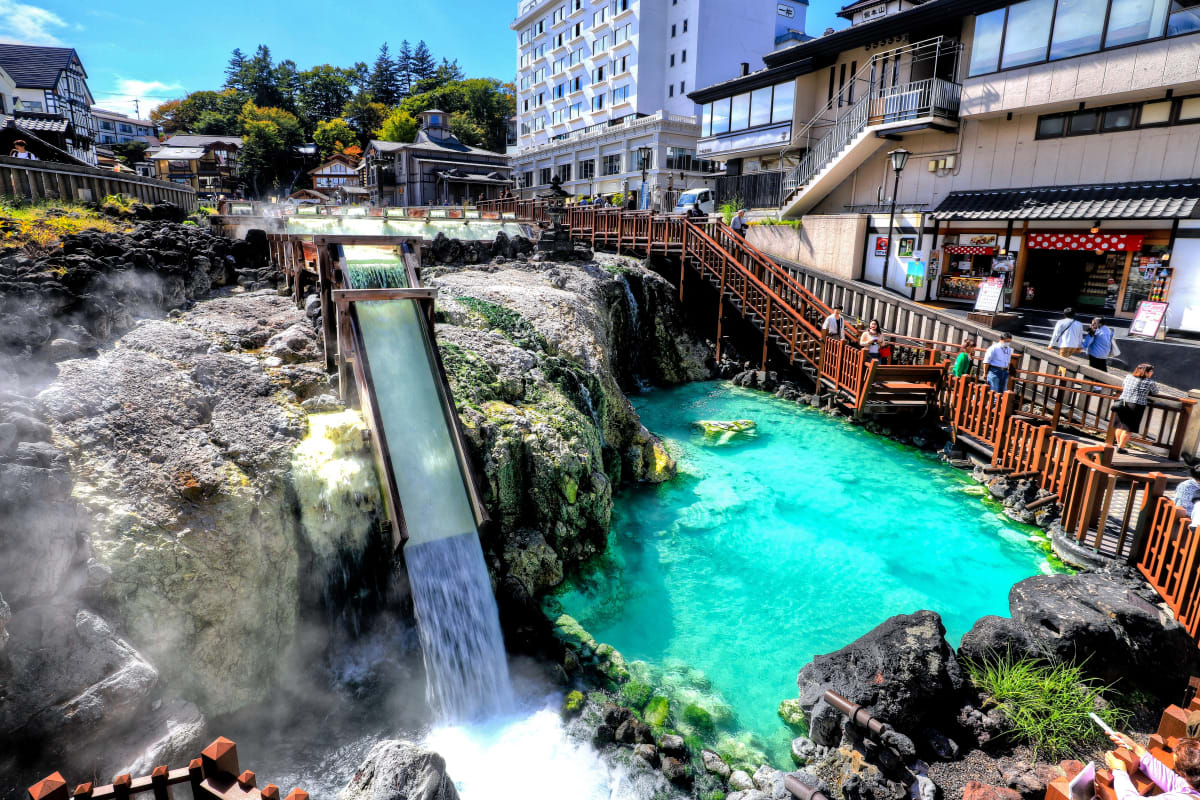 FREE
FREEKusatsu Onsen sits at 1,200 meters in the mountains of Gunma Prefecture and ranks among the most celebrated hot spring towns in Japan. The springs here produce more than 32,000 liters of water per minute, a volume unmatched anywhere else in the country. The water is strongly acidic and sulfurous, and its skin-healing properties have long made it legendary among visitors. Twice each day in the central town square, workers cool the scalding water by pulling long wooden paddles through it in unison while singing traditional songs. This practice is called yumomi.
Amenities
Getting there
Take the Joetsu Shinkansen from Tokyo to Minakami Station. The journey takes about 70 minutes. From Minakami, take a local bus toward Honzawa Onsen, about 30 minutes further into the mountains.
Location & nearby
〒384-1301 Nagano, Minamisaku District, Minamimaki, Umijiri, 国定公園内
Make a day of it
Pair your soak with these nearby spots.
Attraction
Honzawaonsen
0.0km away
Attraction
Honzawaonsen UnjōNoyu
0.3km away
Attraction
Kita Yatsugatake
1.8km away
More springs in Chubu
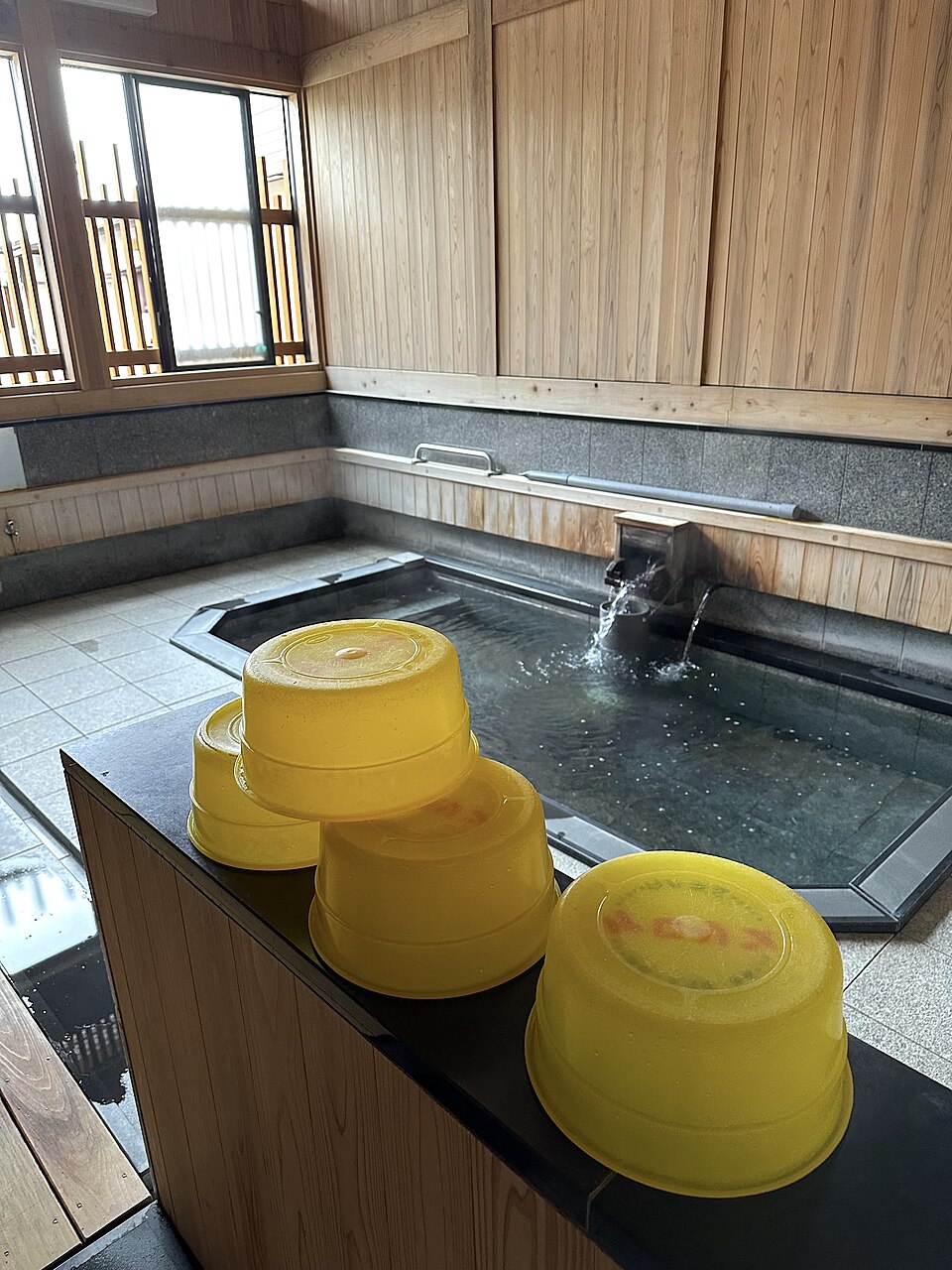 FREE
FREENozawa Onsen is a traditional village in Nagano Prefecture that maintains 13 free public bathhouses open to visitors and residents alike. These bathhouses, known as soto-yu, have been overseen by neighborhood cooperatives called yunakama for close to four centuries. The village also contains world-class ski slopes, a pairing that is genuinely uncommon anywhere in the world.
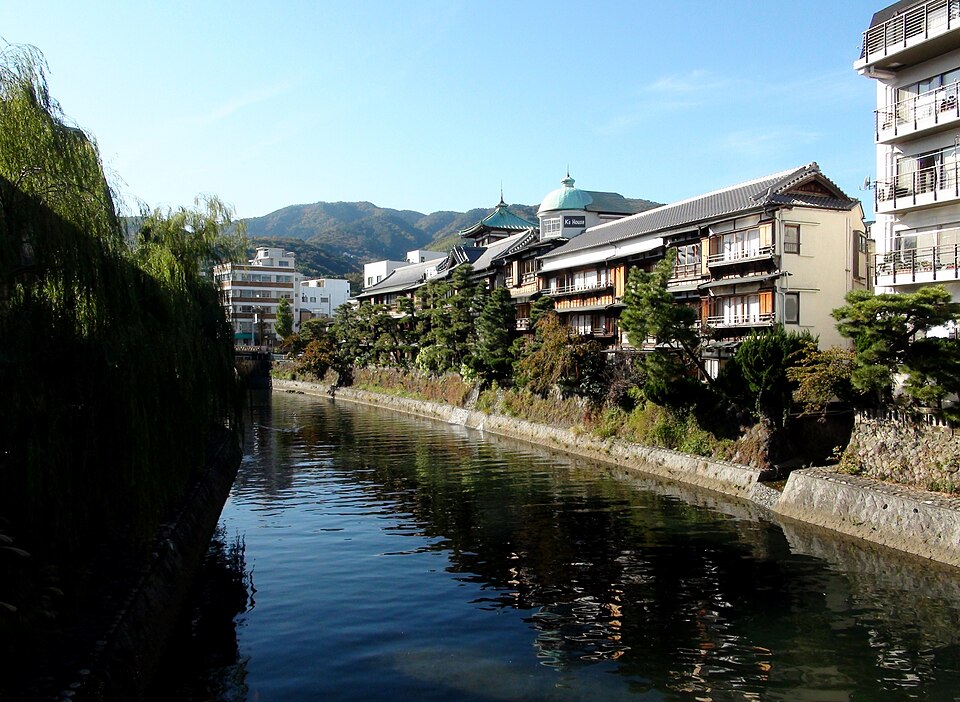
Ito sits along the eastern shore of the Izu Peninsula, facing the ocean and ranking among Japan's most productive hot spring districts by volume. More than 1,500 individual springs feed the town's supply, together pushing out around 30,000 kiloliters of water each day. Palm-lined avenues, tropical parks, and botanical gardens set the tone here, giving Ito a resort atmosphere that reads as distinctly its own compared to inland onsen destinations.
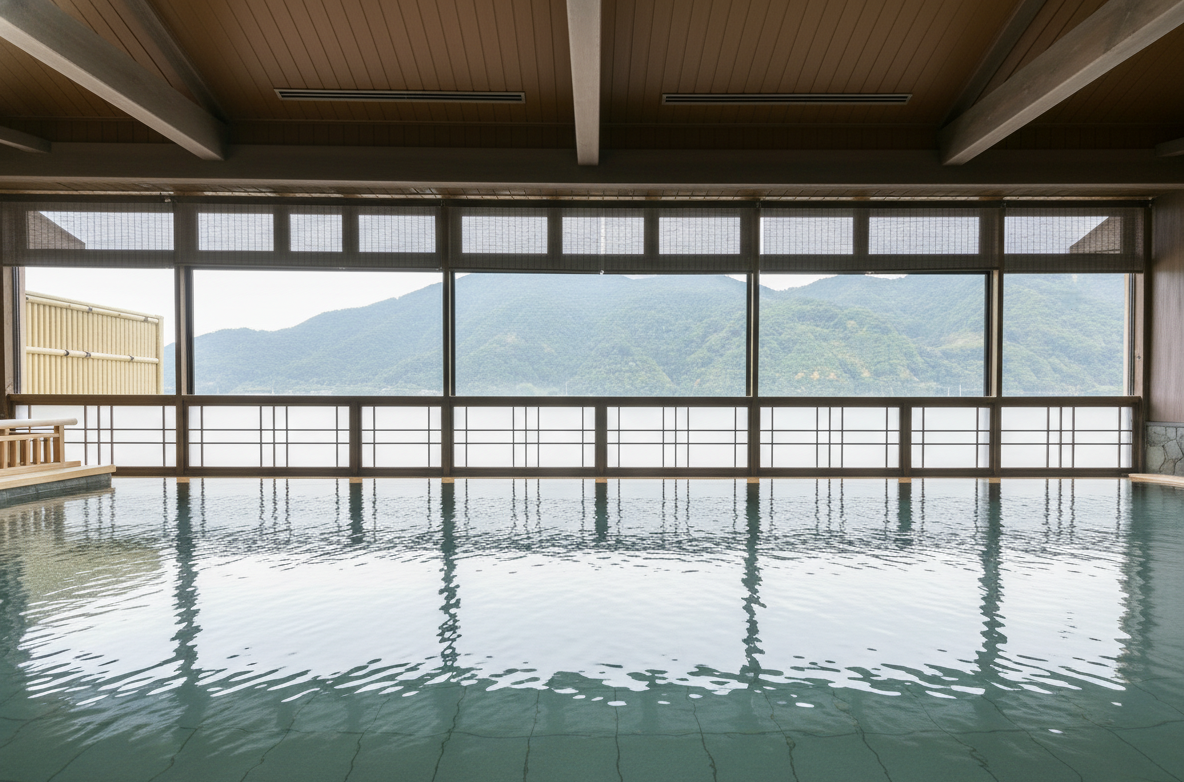
A mountain town in Niigata Prefecture famous for heavy snowfall and a unique sake-infused bath. After a day on the ski slopes, visitors soak in outdoor baths while snow falls silently around them. The town is also the setting of one of Japan's greatest novels.
Common questions
What is the water temperature at Honzawa Onsen?▾
The water temperature at Honzawa Onsen ranges up to 60°C (minimum around 40°C).
Is Honzawa Onsen free to visit?▾
Honzawa Onsen charges an entrance fee in JPY.
Is Honzawa Onsen a public or private bath?▾
Honzawa Onsen is a mixed bathing spring.
Are tattoos allowed at Honzawa Onsen?▾
Yes, Honzawa Onsen welcomes visitors with tattoos.
What is the nearest station to Honzawa Onsen?▾
The nearest station to Honzawa Onsen is Shibunoyu, about 4.8km away.