
Milky Hot Springs in Japan
Japan has 33 hot springs with milky, cloudy water. The opaque white colour comes from suspended minerals — visually striking and among the most memorable onsen to experience.
Noboribetsu Onsen is the best-known hot spring resort in Hokkaido, centered on a volcanic crater called Jigokudani, a name that translates to Hell Valley. From the crater floor, nine chemically distinct spring types rise to the surface, each with its own mineral character. Sulfurous steam drifts across the landscape constantly, giving the valley a quality found nowhere else in Japan. The ground here is visibly alive.
 FREE
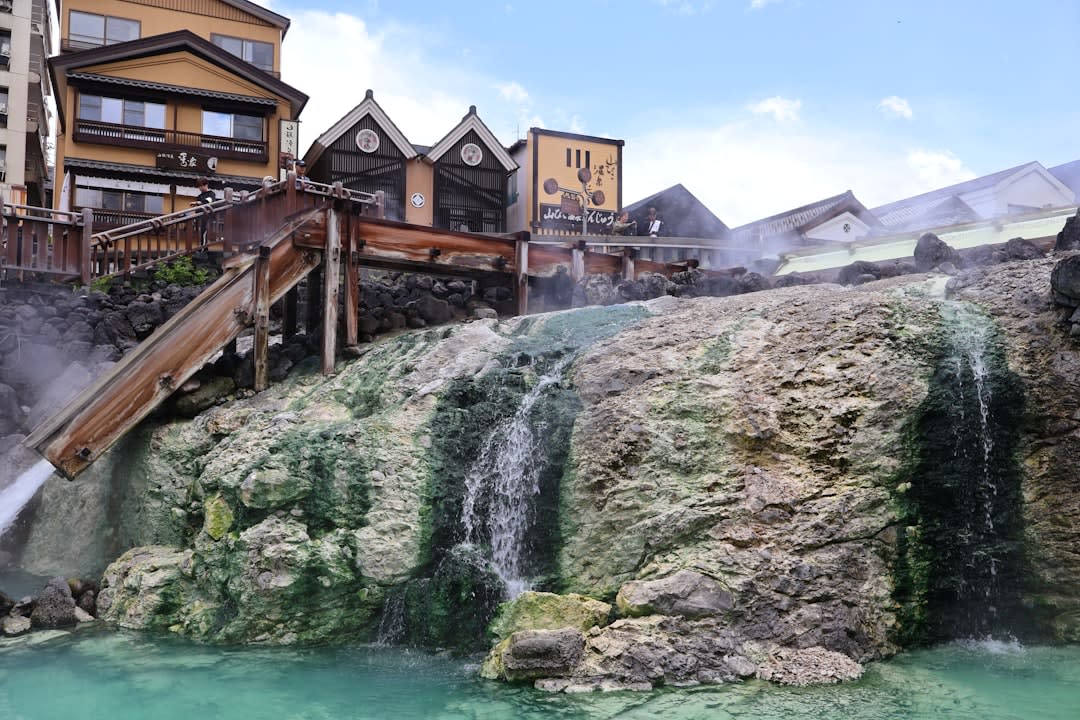
FREEThe valley occupies the center of Noboribetsu Onsen in Hokkaido. Jigokudani translates as Hell Valley. The crater covers 11 hectares and releases roughly 10,000 tonnes of hot spring water each day. Fumaroles vent steam across the floor of the valley, boiling pools bubble at the surface, and the surrounding cliffs carry heavy mineral staining. A walking path winds through the area in about 20 minutes and is open to all visitors at no cost. It ranks among the most striking landscapes accessible on foot anywhere in Japan.

Beppu is the most geothermally active city in Japan, with more than 2,900 hot spring vents located within the city limits and eight distinct thermal spring zones collectively known as the Beppu Hatto. The variety on offer is wide, ranging from grand hotel bathhouses to modest neighborhood public facilities to the celebrated Hells, a collection of brilliantly colored boiling pools scattered across the city. The Hells run far too hot for bathing, but they draw visitors who come to walk among them and take in the spectacle.
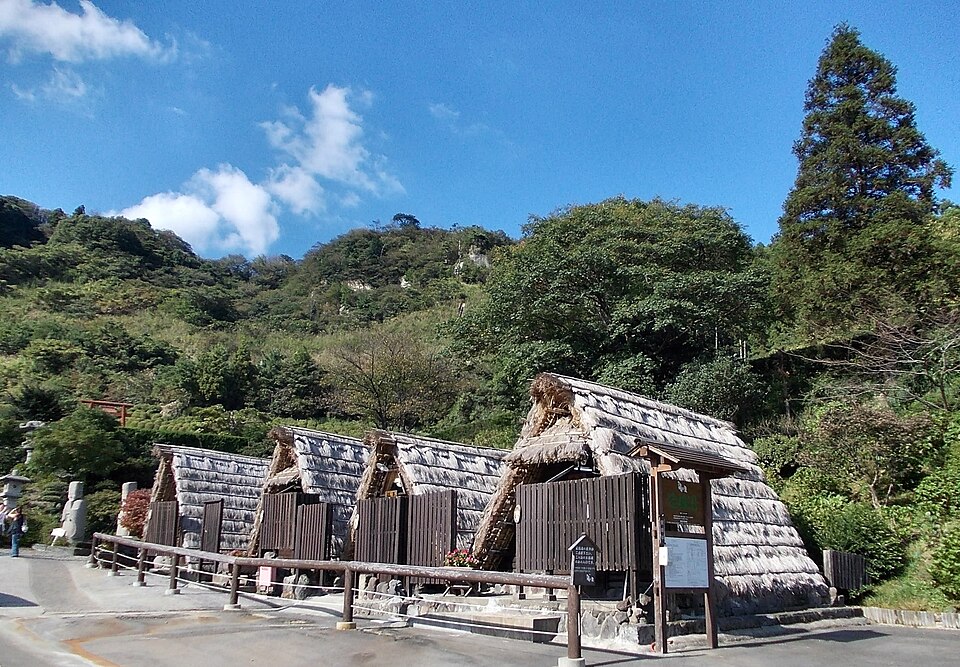
Set on a wooded slope in Beppu's Myoban district, this resort draws visitors for its yunohana, a term meaning hot spring flowers, which are white crystalline deposits that collect on surfaces where steam from the springs cools and condenses. The spring water itself is strongly sulfurous and acidic, rising at high temperatures from one of the eight volcanic source zones that make up Beppu Hatto.

Tsuru-no-yu is the oldest of the seven inns at Nyuto, set deep in a beech forest in Akita Prefecture. The main draw is a large outdoor mixed-bathing pool fed by opaque, milky-white sulfurous water. Many regard it as the most beautiful onsen setting in Japan. People come here to put some distance between themselves and the rest of the world for a while.
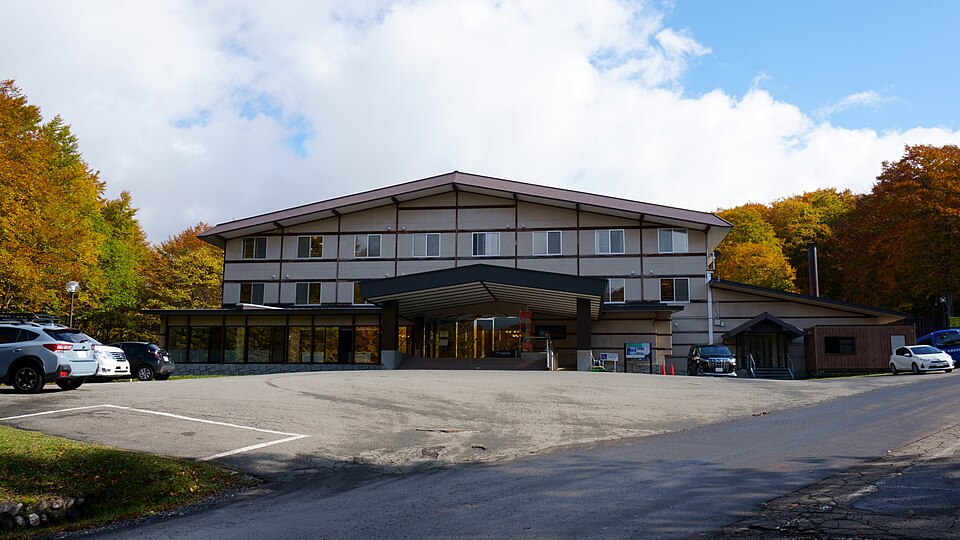
Deep in Towada-Hachimantai National Park, seven small hot spring inns sit among beech forest with few roads connecting them to the outside world. Each inn draws from its own source and has a distinct atmosphere. A pass called the yumeguri-cho covers entry to all seven, letting visitors move between them over the course of a stay. Few onsen groupings anywhere in Japan feel as genuinely remote as this one.
 FREE
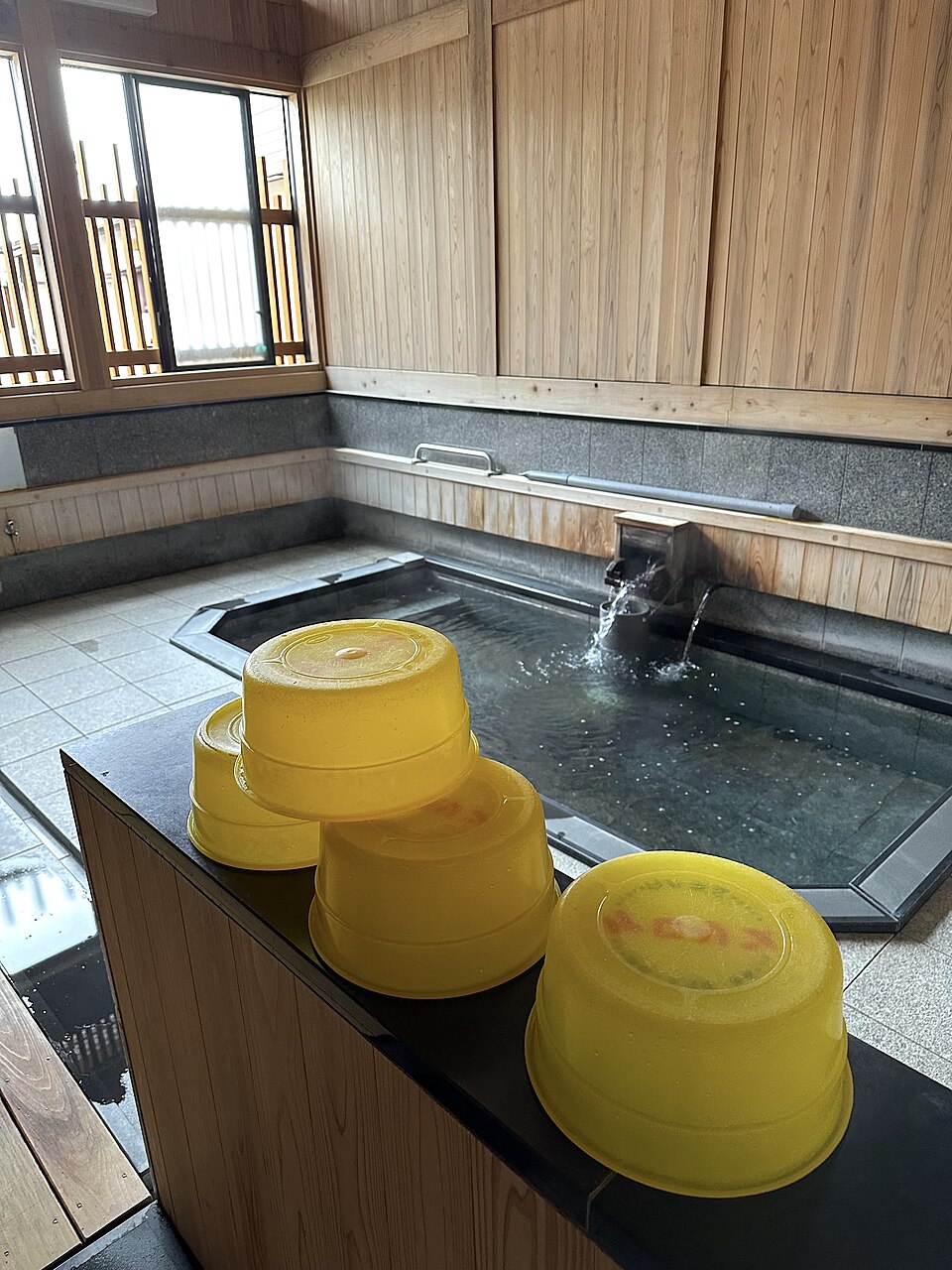
FREENozawa Onsen is a traditional village in Nagano Prefecture that maintains 13 free public bathhouses open to visitors and residents alike. These bathhouses, known as soto-yu, have been overseen by neighborhood cooperatives called yunakama for close to four centuries. The village also contains world-class ski slopes, a pairing that is genuinely uncommon anywhere in the world.
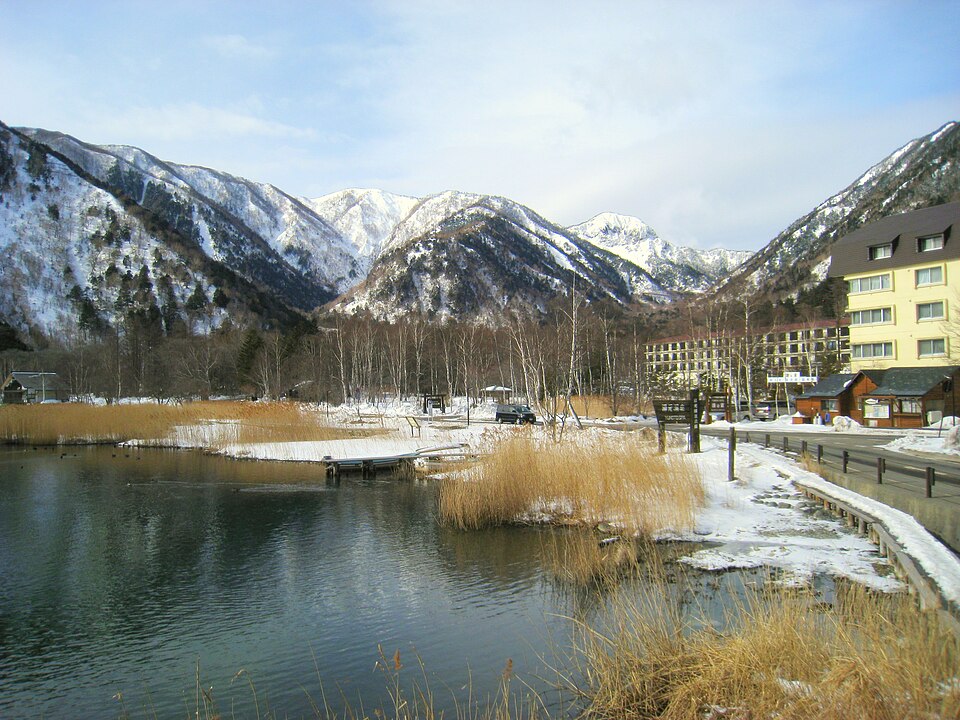
Nikko Yumoto Onsen sits at the edge of Lake Yunoko inside Nikko National Park, high in the mountains. The waters are milky and sulfurous, and travelers have been coming here for hundreds of years. The park surrounds the onsen with sacred forests and waterfalls, making a long day of hiking through them a natural prelude to a long soak.
 FREE
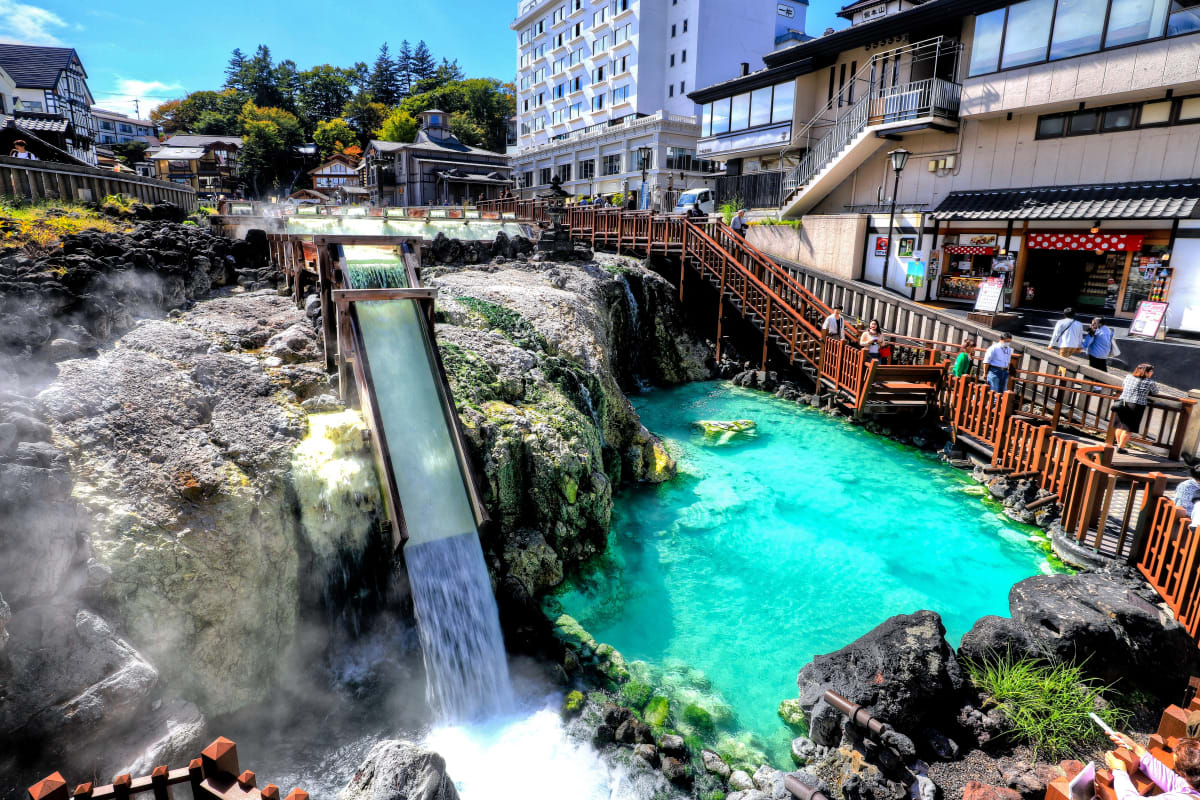
FREEKusatsu Onsen sits at 1,200 meters in the mountains of Gunma Prefecture and ranks among the most celebrated hot spring towns in Japan. The springs here produce more than 32,000 liters of water per minute, a volume unmatched anywhere else in the country. The water is strongly acidic and sulfurous, and its skin-healing properties have long made it legendary among visitors. Twice each day in the central town square, workers cool the scalding water by pulling long wooden paddles through it in unison while singing traditional songs. This practice is called yumomi.
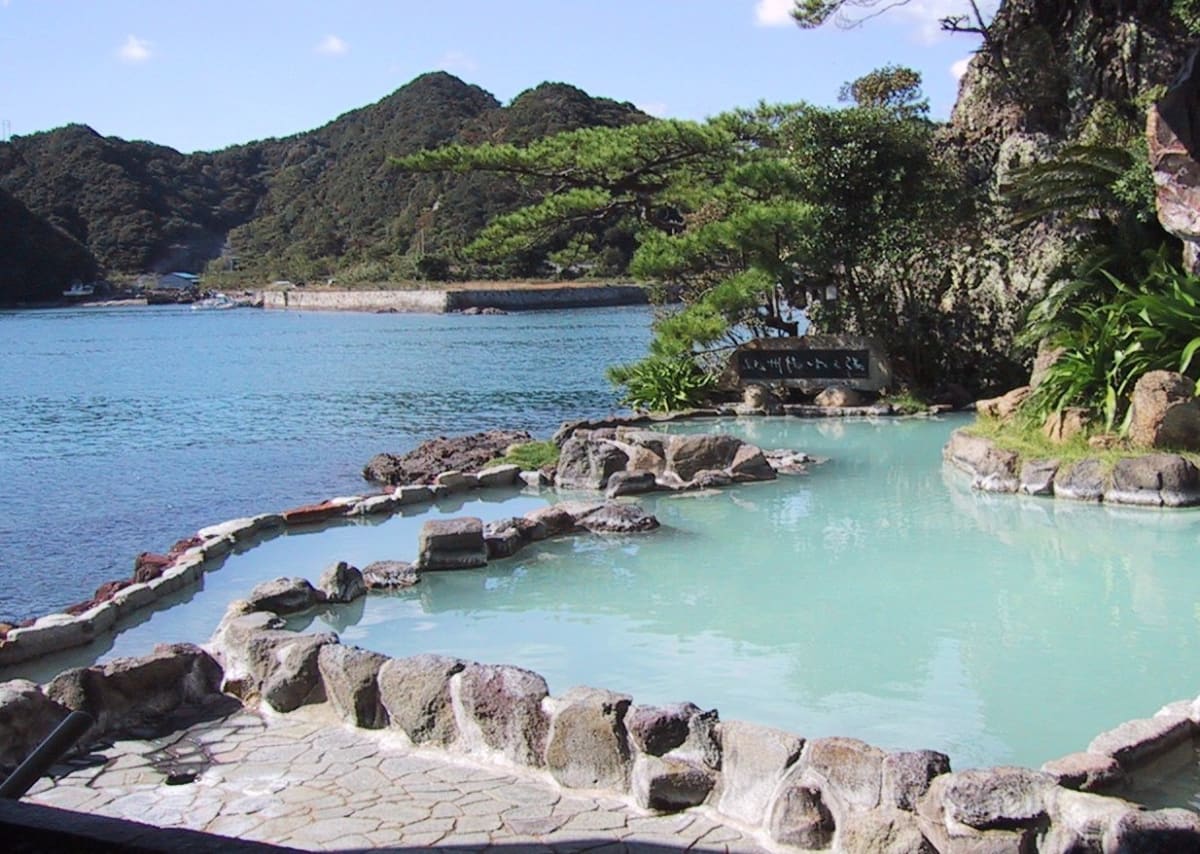
Nanki-Katsuura Onsen sits along a jagged section of the Kii Peninsula coastline in Wakayama Prefecture, within the boundaries of Yoshino-Kumano National Park. More than 100 springs surface from the cliffs and headlands bordering Katsuura Bay. Among the area's most unusual bath facilities are those carved into sea caves and others perched on small islands that visitors reach by boat from the harbor.
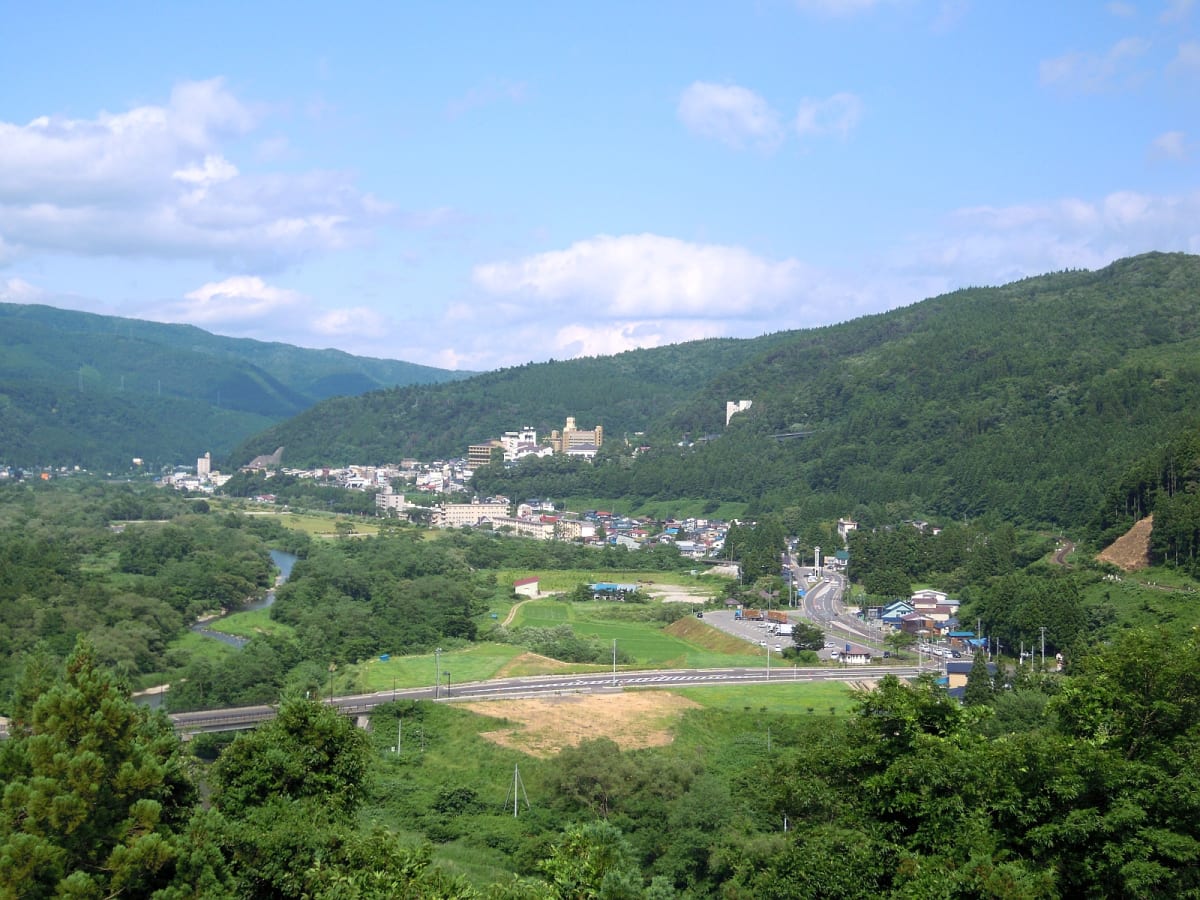
A quiet gorge-side onsen town in Miyagi Prefecture with nine distinct spring types, the famous Naruko Gorge, and a deep tradition of kokeshi doll making. The sulfurous waters and unhurried Tohoku atmosphere make this a favourite for those who want something more authentic than the well-worn tourist circuit.
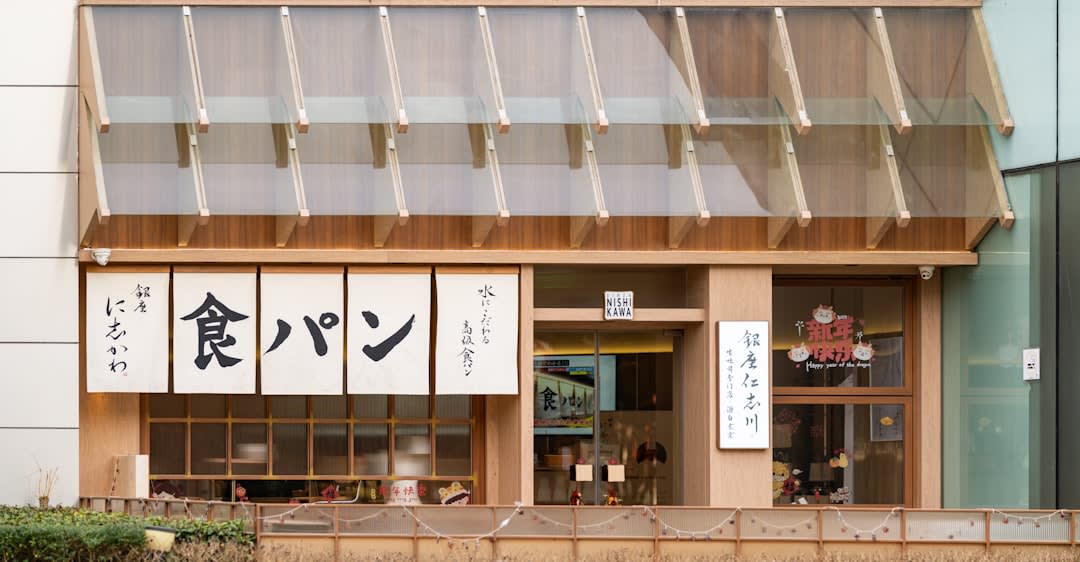
A highland onsen in Unzen-Amakusa National Park at around 700 meters elevation. The dramatic sulfurous steam vents known as the Jigoku, or Hell Grounds, are the defining feature: they bubble, hiss, and release clouds of white vapor across the landscape. The water here is strongly acidic and celebrated for its skin-healing properties.
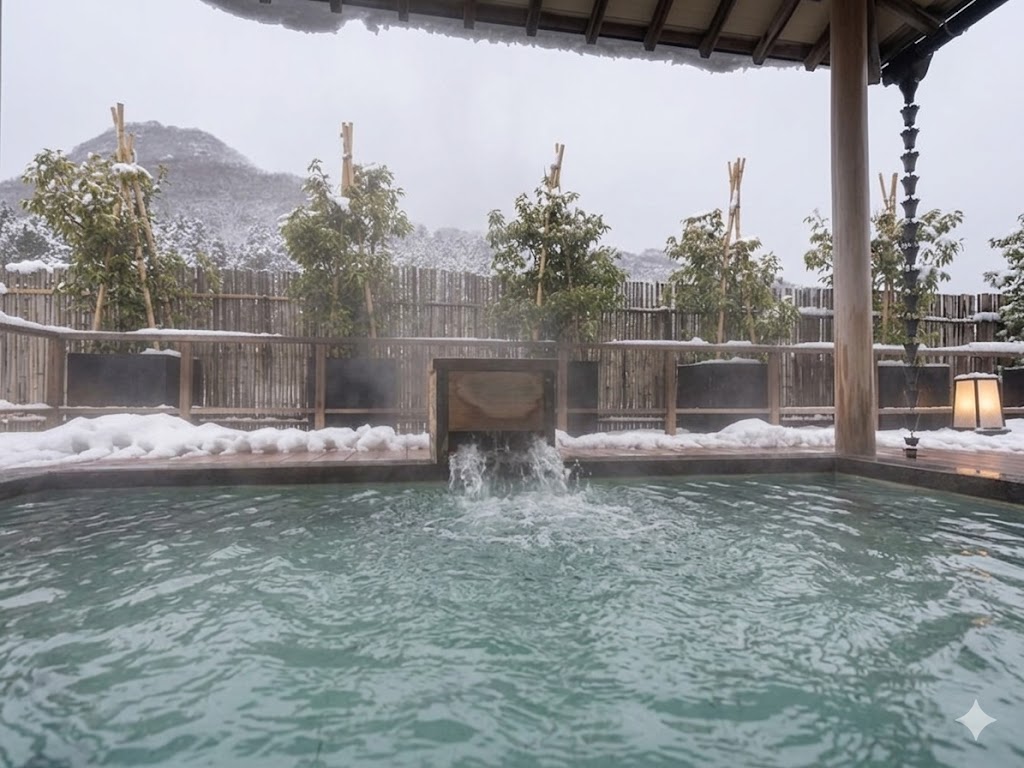
Iwamuro Onsen is a traditional hot spring town in Niigata Prefecture that has served as a rest stop for travelers heading to the sacred Yahiko Shrine for centuries. The spring was discovered more than 300 years ago when a Buddhist priest named Shokai followed a wild goose that bathed its injured wings in the warm water until they healed. The waters carry a reputation for their smooth, skin-softening character. The town also sustains a living Echigo Geiko (Niigata geisha) entertainment culture.
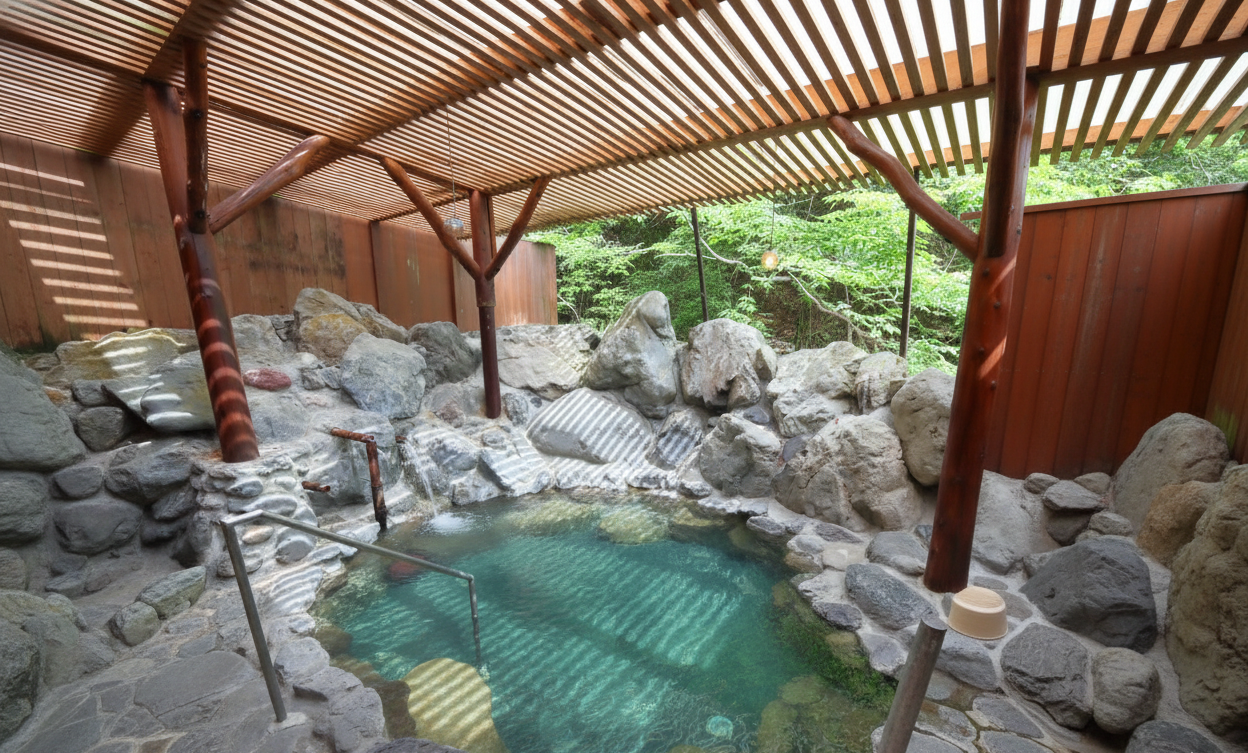
Sumatakyo Onsen is a secluded hot spring village tucked into the Sumata Gorge in the Southern Alps of Shizuoka Prefecture. The thermal water is a simple sulfur spring with a pH of 8.9, called bijin-no-yu locally, meaning beauty water. The village lies alongside a vivid turquoise dam reservoir and the well-known Yume no Tsuribashi suspension bridge. Reaching it depends on the historic Oigawa Railway.
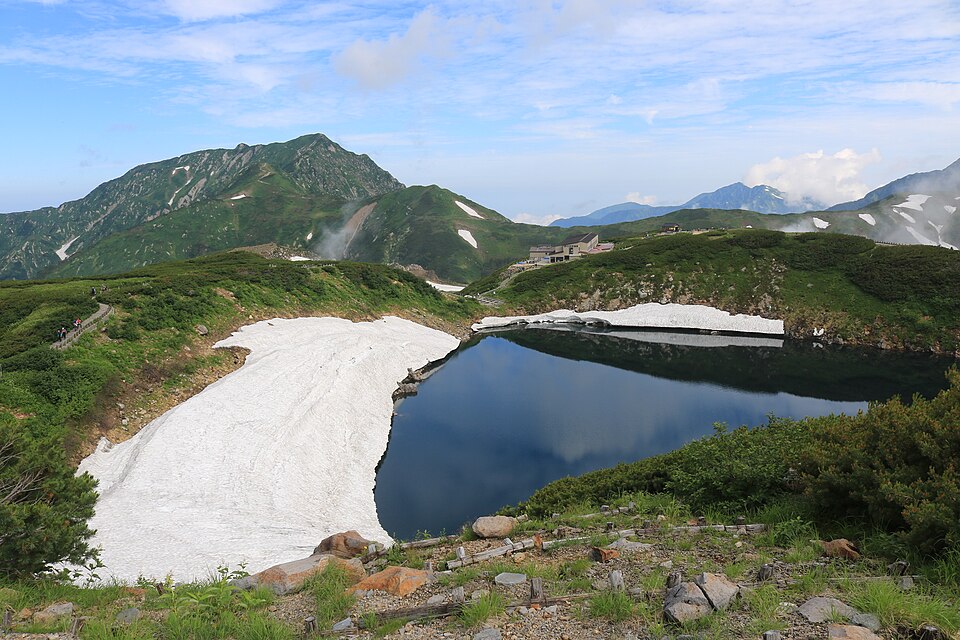
Japan's highest natural hot spring inn sits at 2,410 meters above sea level on the Murodo Plateau, along the Tateyama Kurobe Alpine Route in Toyama Prefecture. The water is a milky white acidic sulfur spring, fully free-flowing and undiluted, fed by the volcanic Jigokudani crater below. The inn is open only from mid-April to late November, and reaching it is an adventure in its own right.
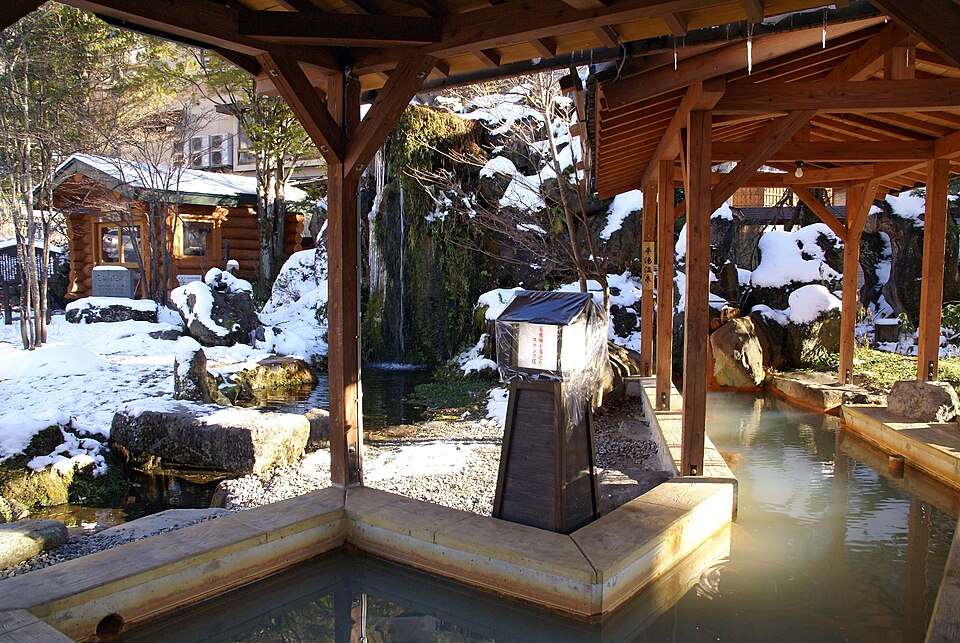
Hirayu Onsen is the oldest and largest of five hot spring villages that form the Okuhida Onsen-go cluster in Gifu Prefecture, positioned at the gateway to the Japanese Alps. Across all five villages, combined output exceeds 37,000 liters of spring water per minute, placing the cluster third in Japan for total volume. Hirayu functions as the central bus hub for the Okuhida area and the adjoining national park, with routes running to Takayama, Matsumoto, and points beyond.
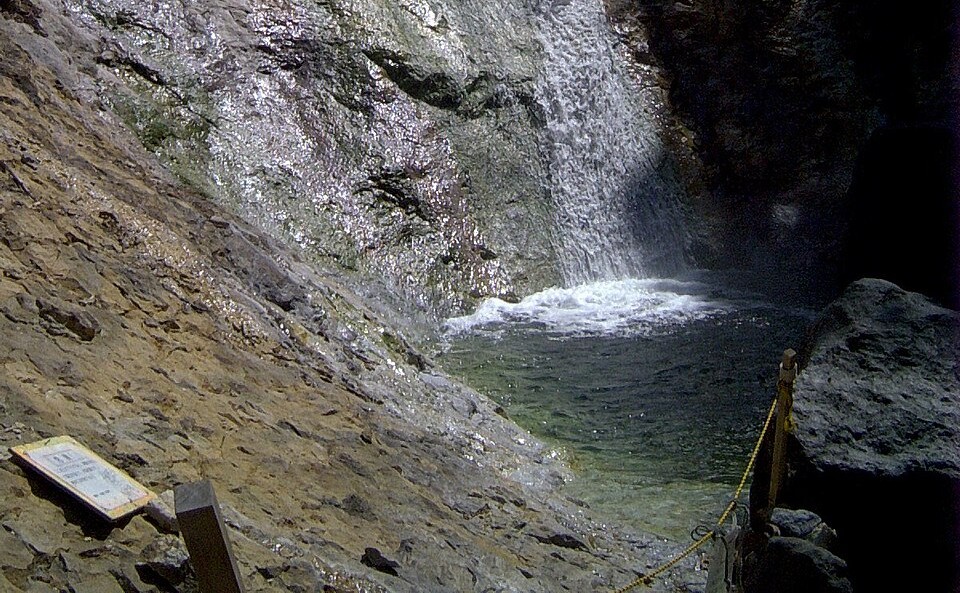
The Kamuiwakka River flows through the UNESCO World Heritage wilderness of the Shiretoko Peninsula in northeastern Hokkaido, heated along its entire length by the active volcano Mount Io on the slopes above. Visitors climb the riverbed itself, wading through a succession of natural waterfall pools that grow progressively hotter with each step upward.
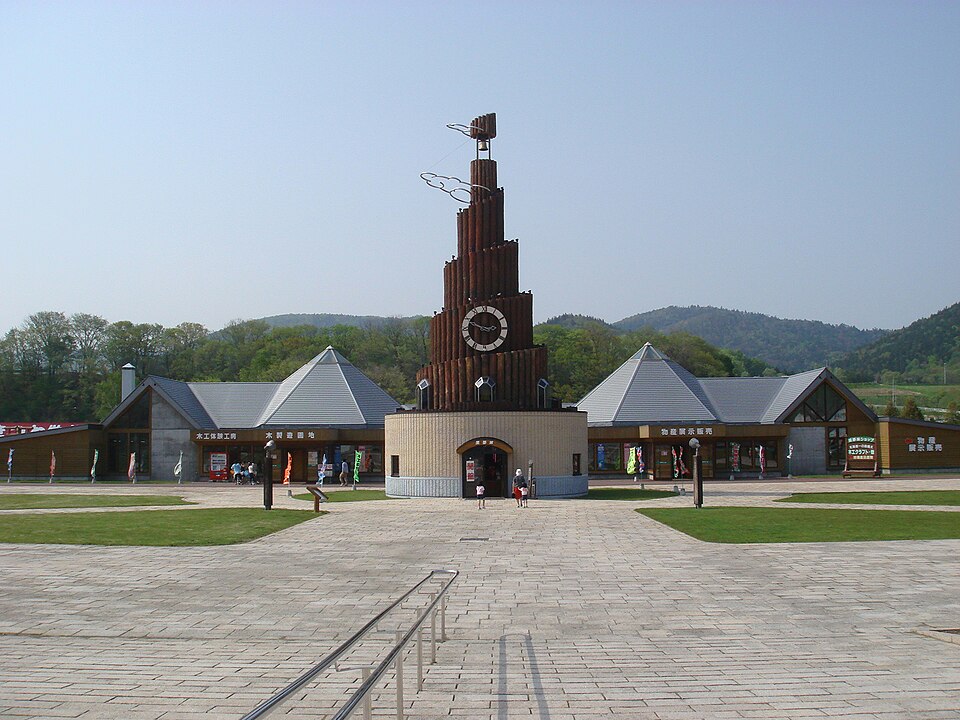
Onneyu Onsen is a small hot spring village in the Rubeshibe district of eastern Hokkaido. Its name comes directly from the Ainu language, combining onne, meaning large, and yu, meaning hot spring. The village is bordered on three sides by the overlapping extents of the Akan, Daisetsuzan, and Shiretoko national parks. The waters are classified as a sodium sulfate spring and are noted for their skin-softening properties.
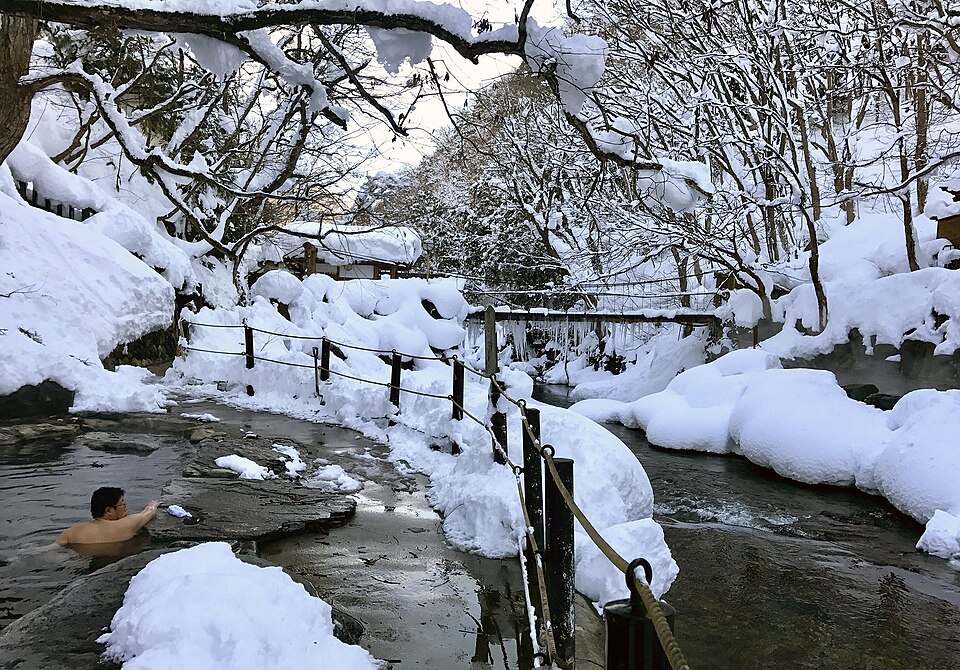
A mountain hot spring resort in Gunma Prefecture, positioned along the Takara River roughly 100 kilometers outside Tokyo. The centerpiece is a large outdoor bath built right at the river's edge, with dense forest climbing the slopes on either side. One portion of the bathing area accommodates mixed-gender soaking. The draw here is the pairing of untamed river scenery with open-air thermal pools.
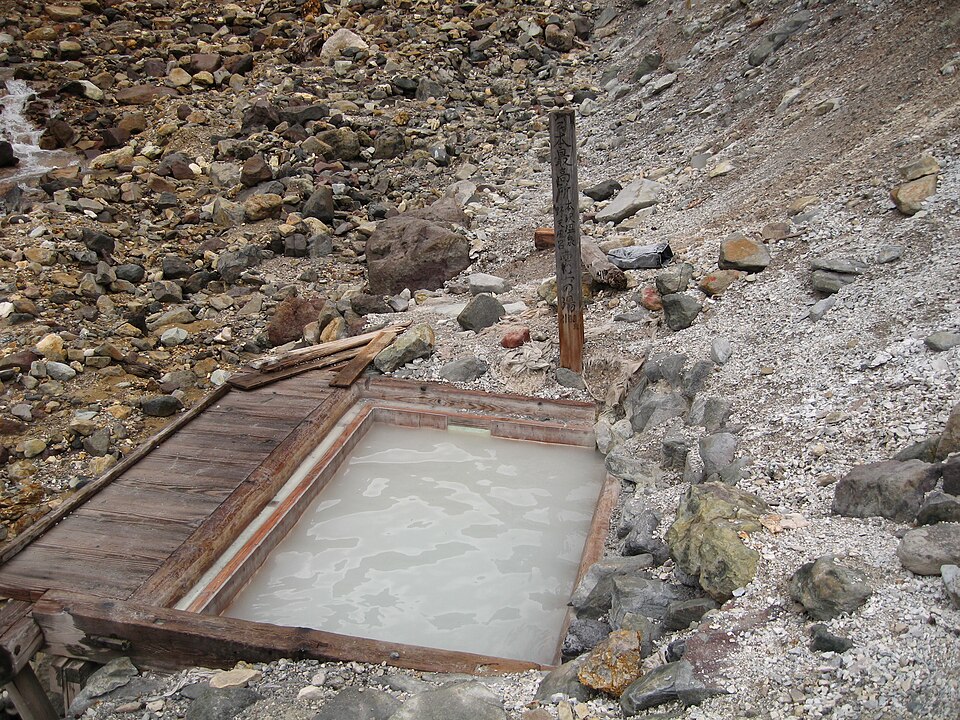
Honzawa Onsen sits within the Hakone volcanic zone of Kanagawa Prefecture, drawing from a geothermal system that has driven the formation of the Hakone caldera for more than 300,000 years. The waters carry a notable sulfurous character and are dense with dissolved minerals. The spring occupies a forested mountain valley setting.
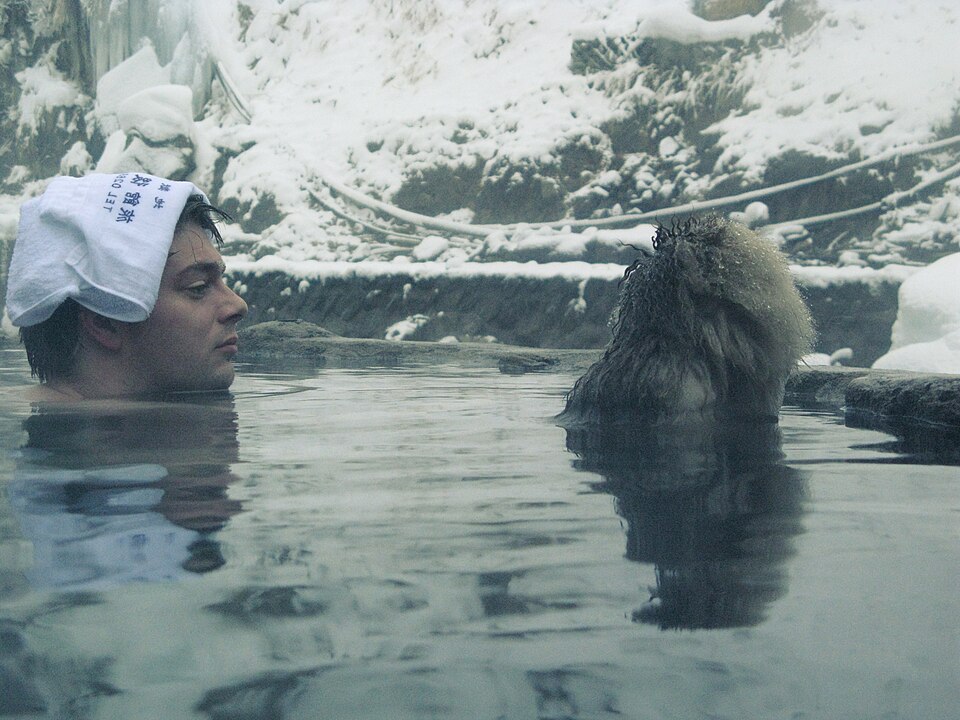
Jigokudani Onsen sits in the Shiga Kogen highlands of Nagano Prefecture, a remote mountain spring known above all for the troops of Japanese macaques that descend from the surrounding forest to bathe in the open-air pools. The Korakukan ryokan has operated at this location for more than 150 years. Visitors reach the spring on foot, following a narrow trail through beech forest for about 30 minutes.
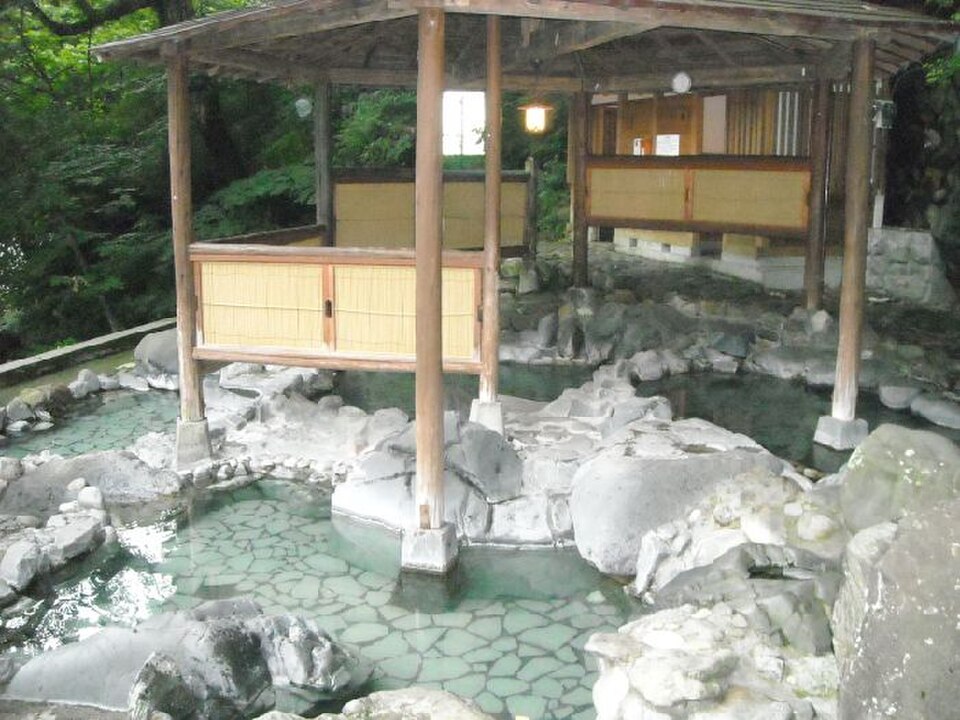
Shima Onsen is a historic hot spring town in Nakanojo, Gunma Prefecture, situated deep in the valley of the Shima River. More than 40 separate spring sources supply the town's ryokan and public bathhouses. The best-known inn, Sekizen-kan Honkan, dates to 1691 and carries designation as an Important Cultural Asset. The building is widely cited as one of the real-world references behind the bathhouse in Studio Ghibli's Spirited Away.
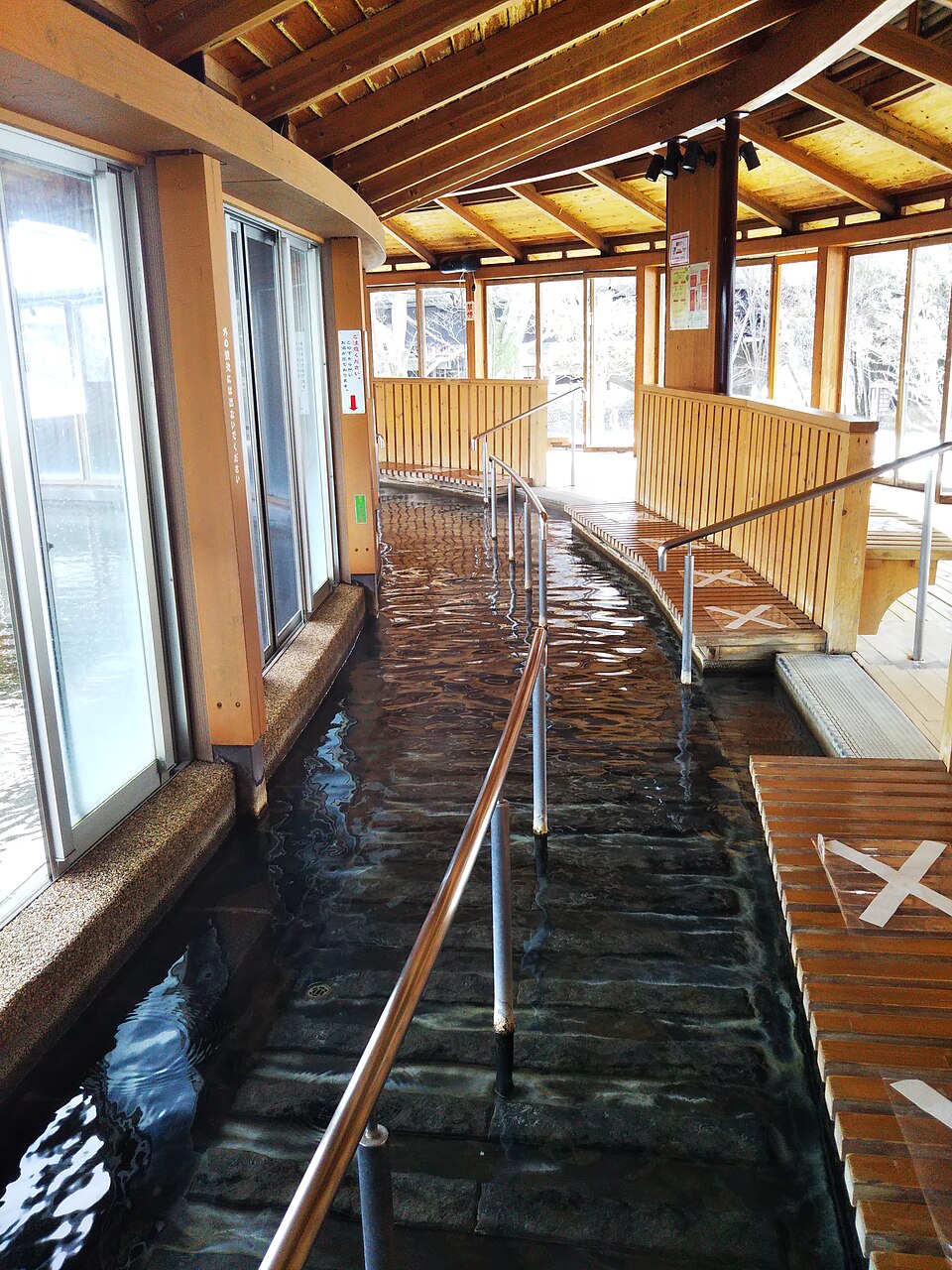
Shiobara Onsen occupies a river gorge in northern Tochigi Prefecture, where 11 separate spring zones produce water in six distinct mineral types and seven different colors. The range of water chemistry combined with mountain river scenery drew visitors from across Japan during the Meiji era, earning Shiobara a reputation as one of the country's most notable hot spring retreats. More than 50 stone monuments stand throughout the valley marking the visits of notable writers.
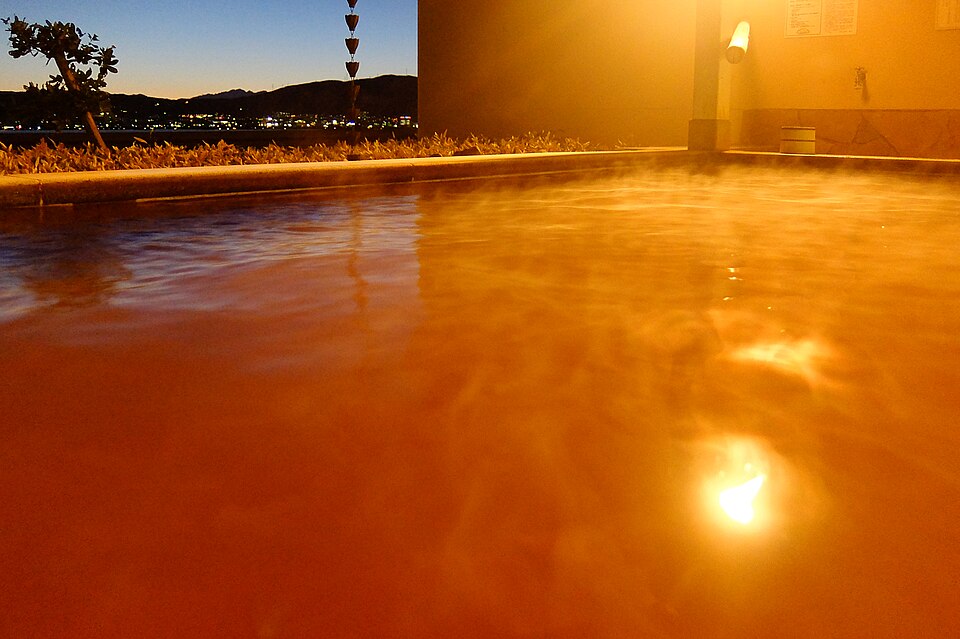
Kamisuwa Onsen sits on the northern shore of Lake Suwa in Nagano Prefecture, a lakeside resort built around one of the most productive thermal sources in the region. The springs here push out 26,000 liters of water per minute, the highest output of any onsen in Nagano Prefecture. The lake lies at the base of Suwa Taisha, one of the oldest Shinto shrine complexes in Japan. The surrounding area combines mountain views, a working geyser, and traces of a silk industry that once gave this valley a worldwide reputation.
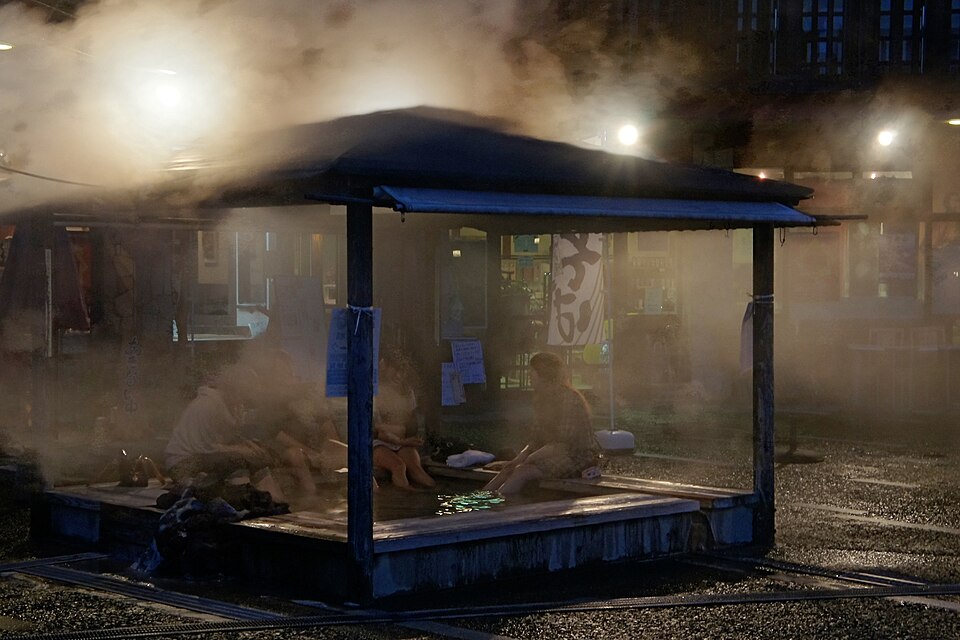
Kirishima Onsen occupies the lower slopes of the Kirishima mountain range in Kagoshima Prefecture, where visitors can look out across Sakurajima and Kagoshima Bay. The region is organized around four separate hot spring towns, collectively offering dozens of spring varieties. It is widely known as the spot where the samurai leader Sakamoto Ryoma chose to honeymoon in 1866, an occasion the area recognizes as Japan's first modern honeymoon.
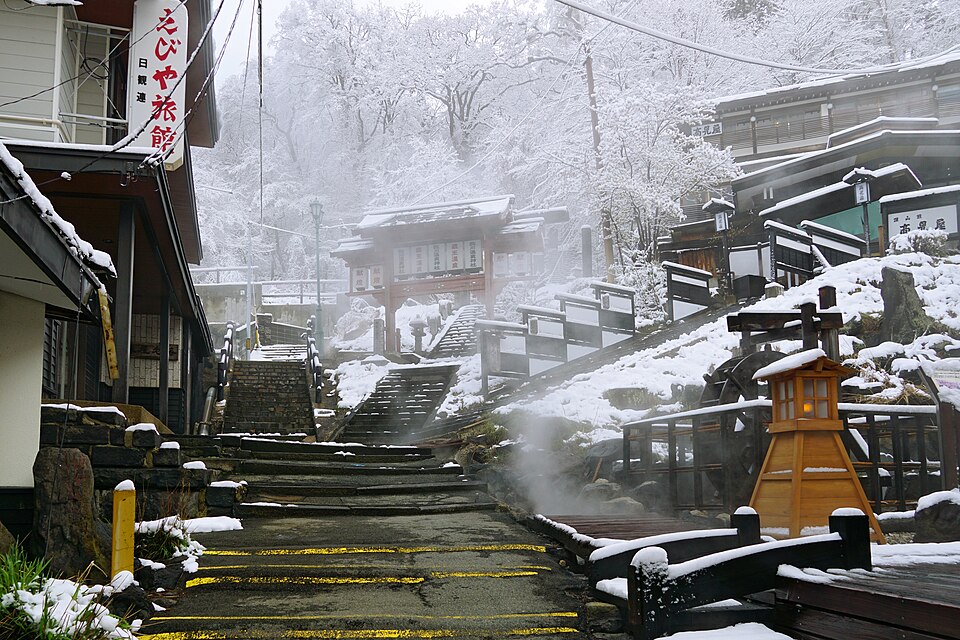
A highland onsen resort at around 880 meters in the Zao mountain range of Yamagata Prefecture. The strongly acidic sulfur springs are among the most potent in Tohoku. In winter, the mountain above becomes famous for juhyo: fir trees coated in thick mantles of rime ice that form bizarre shapes the Japanese call snow monsters.
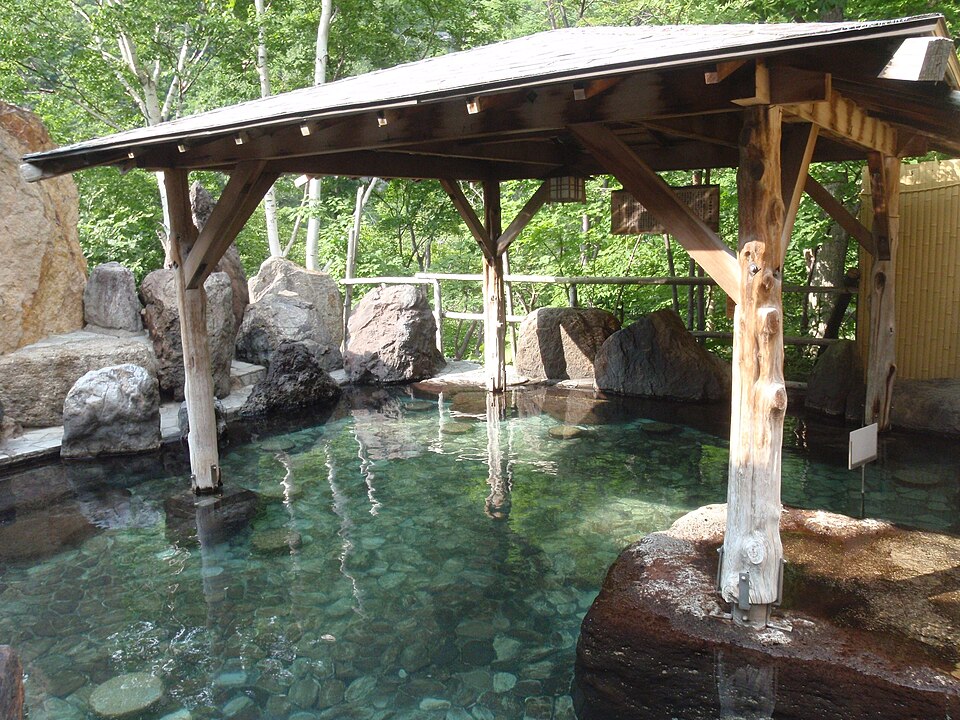
Sounkyo Onsen sits at the bottom of one of Hokkaido's most striking gorges, hemmed in by columnar basalt walls that climb up to 150 meters above the Ishikari River. Daisetsuzan National Park wraps around the town on every side. A walking path through the gorge ranks among the best hikes on the island. Each February, ice sculptures cover the valley floor for a seasonal festival. Come autumn, the cliff faces shift to deep golds and reds.
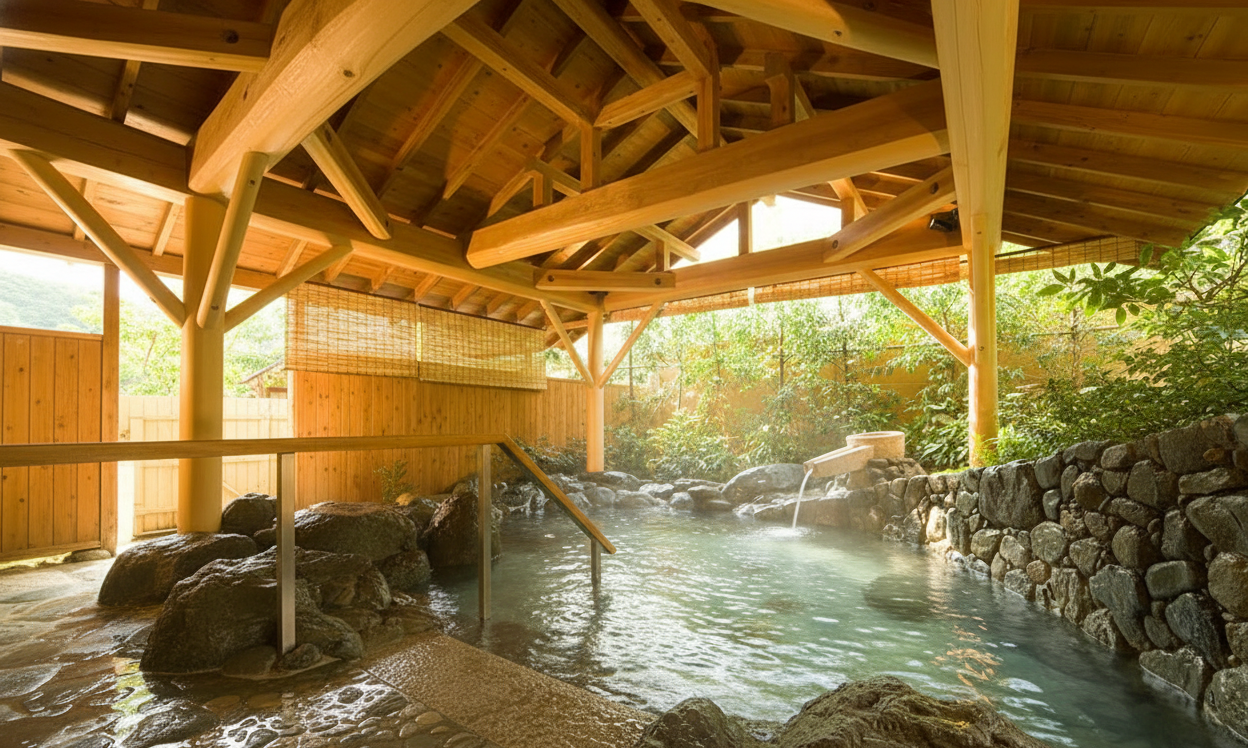
Shimobe Onsen sits along the Shimobe River in Yamanashi Prefecture, tucked against the base of the Minobu mountains and backed by more than 1,200 years of documented history, making it among the oldest hot spring destinations in Japan. The site is closely linked to the warlord Takeda Shingen, who reportedly sent soldiers here to heal their wounds following the battles of Kawanakajima. The waters are strongly alkaline, registering pH 10.
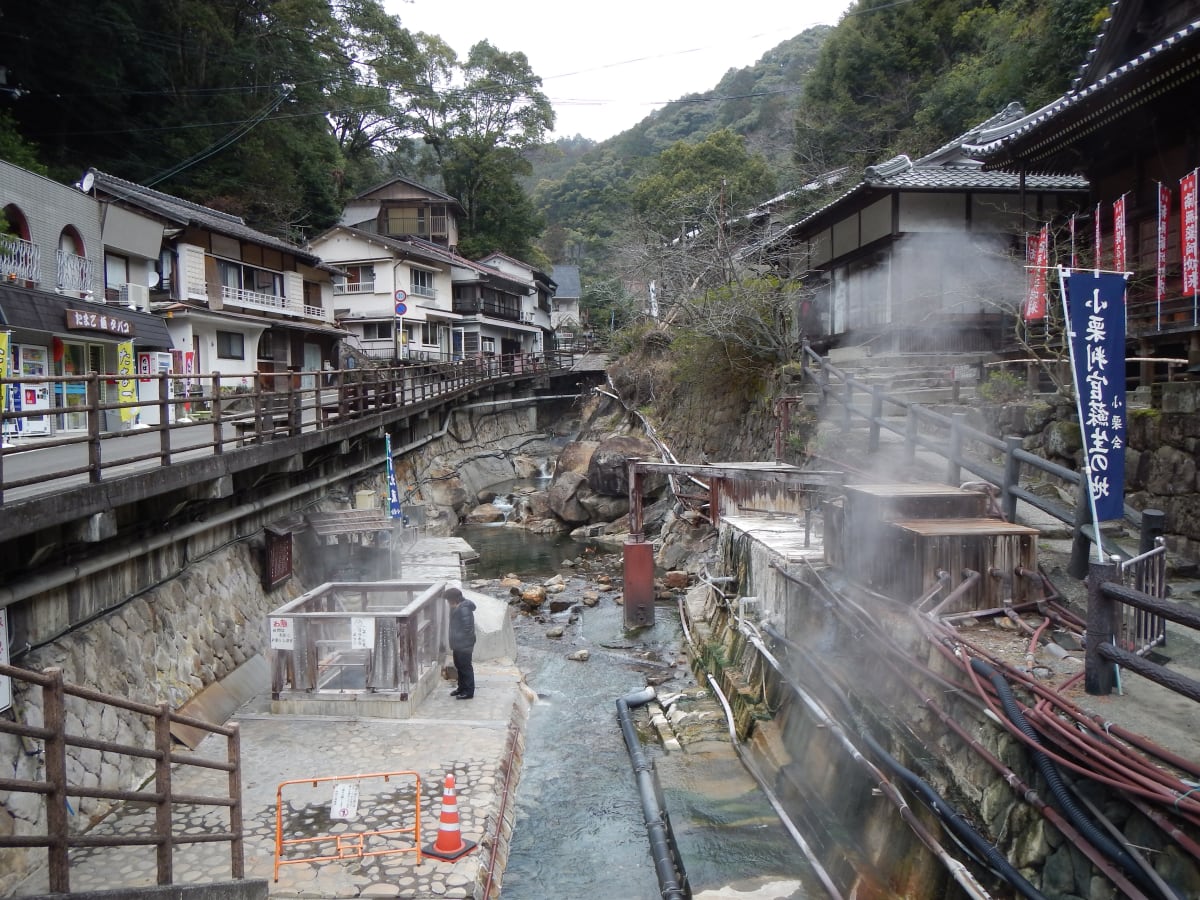
Tucked into a narrow valley in the Kii Mountains, Yunomine Onsen sits along the Nakahechi Trail of the Kumano Kodo pilgrimage route and ranks among Japan's oldest thermal springs, with origins dating back more than 1,800 years. The water is known to shift color seven times throughout the day as temperature and mineral concentration fluctuate. Tsuboyu, a small stone-lined soaking pool enclosed within a wooden cabin, holds the distinction of being the only bathing facility in the world registered as a UNESCO World Heritage Site.
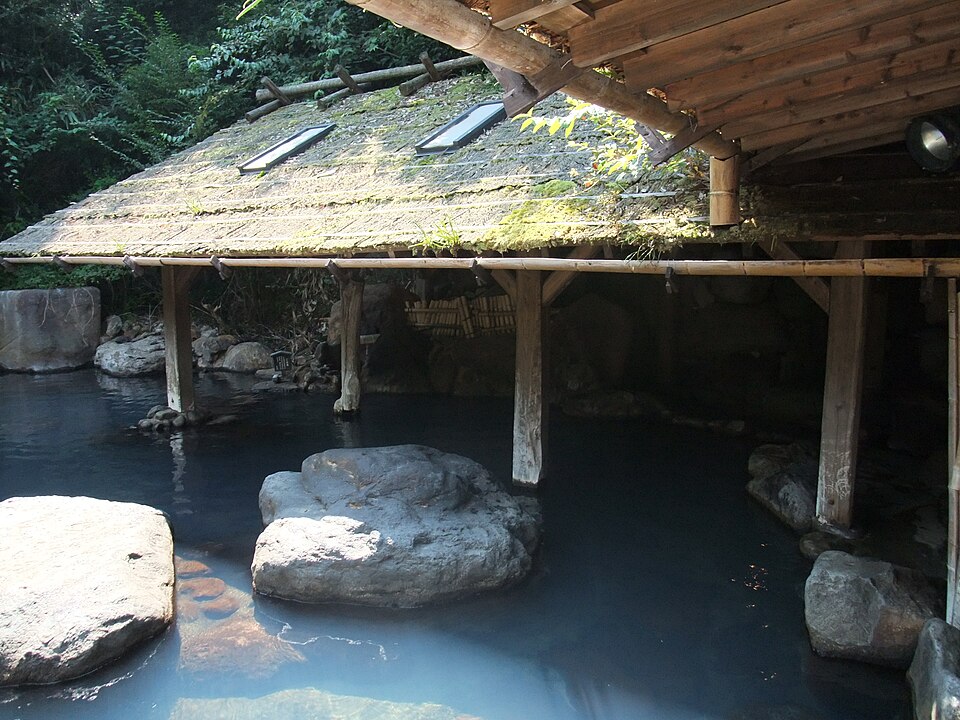
Kurokawa Onsen sits in a gorge along the Chikugo River valley in the forested hills of northern Kumamoto Prefecture. Each ryokan in the village maintains its own open-air rotenburo built into the surrounding woodland. Guests can purchase the nyuto tegata, a cedar bathing pass carved at the village, which grants entry to three outdoor baths at separate properties. The village has no neon signage and no modern storefronts. Innkeepers collectively agreed on these restrictions in the 1980s, a decision that reversed the town's fortunes.
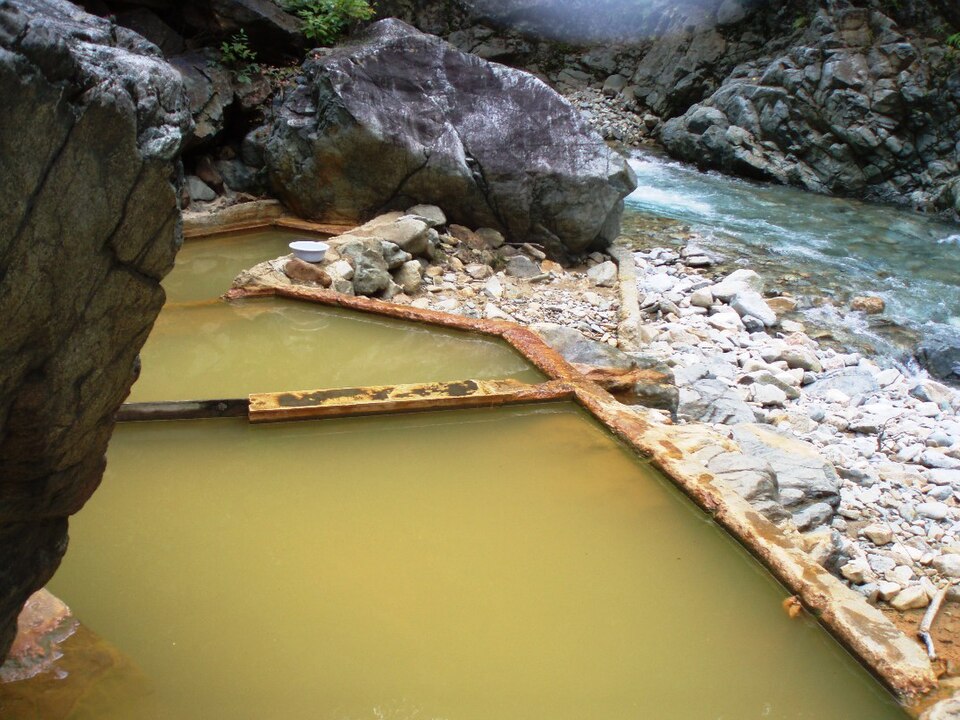
Akayu Onsen is a historic hot spring town in Nanyo City, Yamagata Prefecture, situated along the Mogami River. The thermal waters carry a sulfurous quality and are valued for their warming effect on the body. The name Akayu, which translates as red hot water, comes from a founding legend rooted in 1093, when soldiers serving Minamoto no Yoshie reportedly bathed in the spring after sustaining wounds, and their skin turned visibly red in the water.
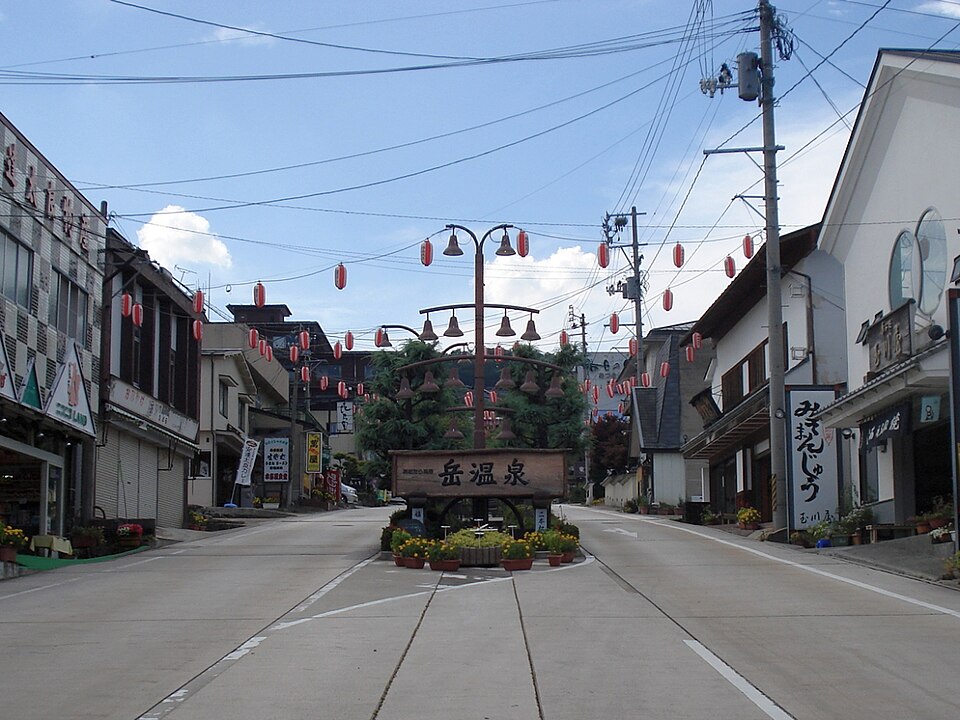
Dake Onsen is a hot spring village sitting on the highland slopes of Mount Adatara in Nihonmatsu, Fukushima Prefecture. Its waters are strongly acidic, registering a pH of 2.5. The settlement has endured more than its share of calamity. A massive landslide in 1824 buried the original village, and the Boshin War of 1868 leveled the rebuilt town during combat that included the celebrated last stand of the Nihonmatsu Shonentai, a unit of boy samurai ranging in age from 12 to 17.
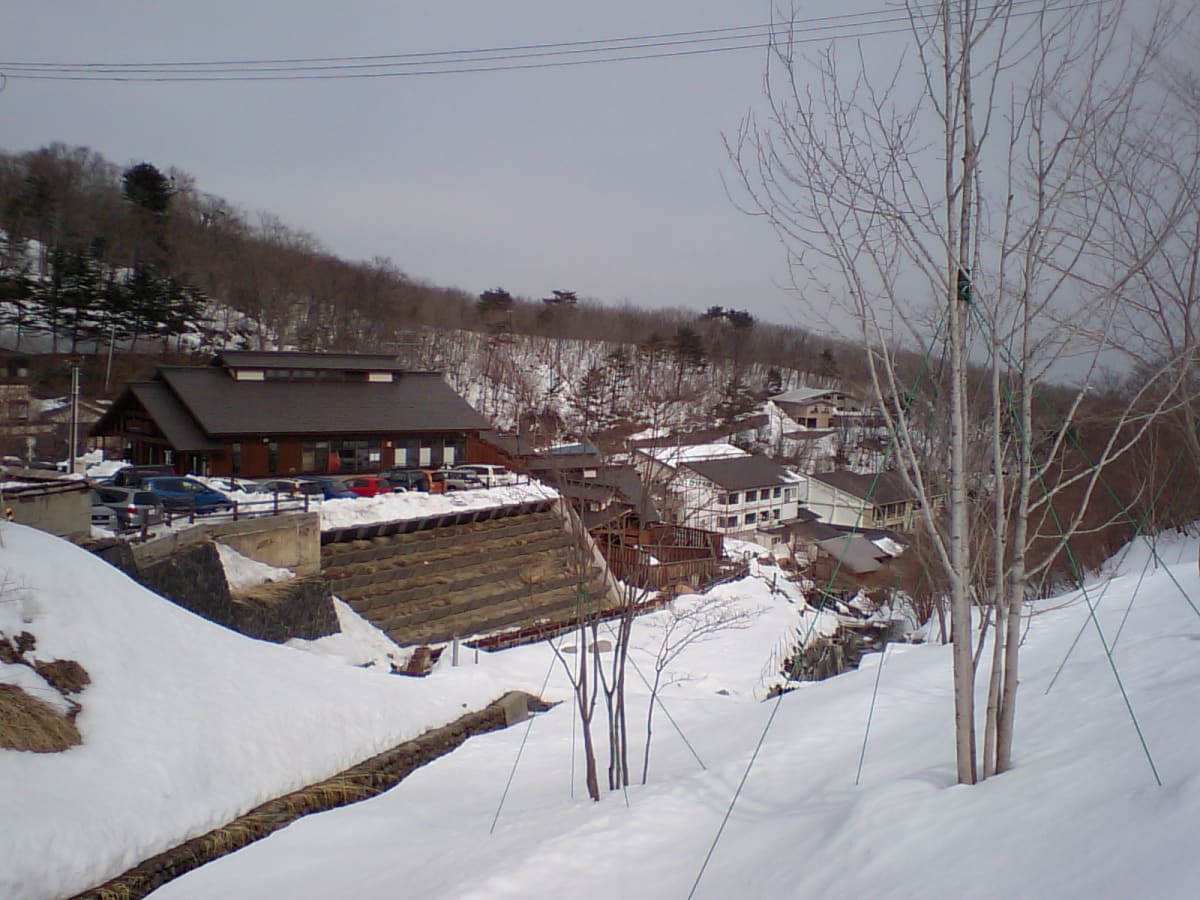
Takayu Onsen sits at high elevation on the flanks of Mount Azuma in Fukushima Prefecture, roughly 50 minutes from Fukushima city by bus. The springs rank among the most acidic in Tohoku, producing milky white water with a sharp sulfurous smell. The village is recognized as one of the Three Takayu hot springs of the Oshu region, a distinction that has drawn visitors for centuries. Around twelve ryokan are gathered near ten spring sources in surroundings that have seen little change since the Edo period.