
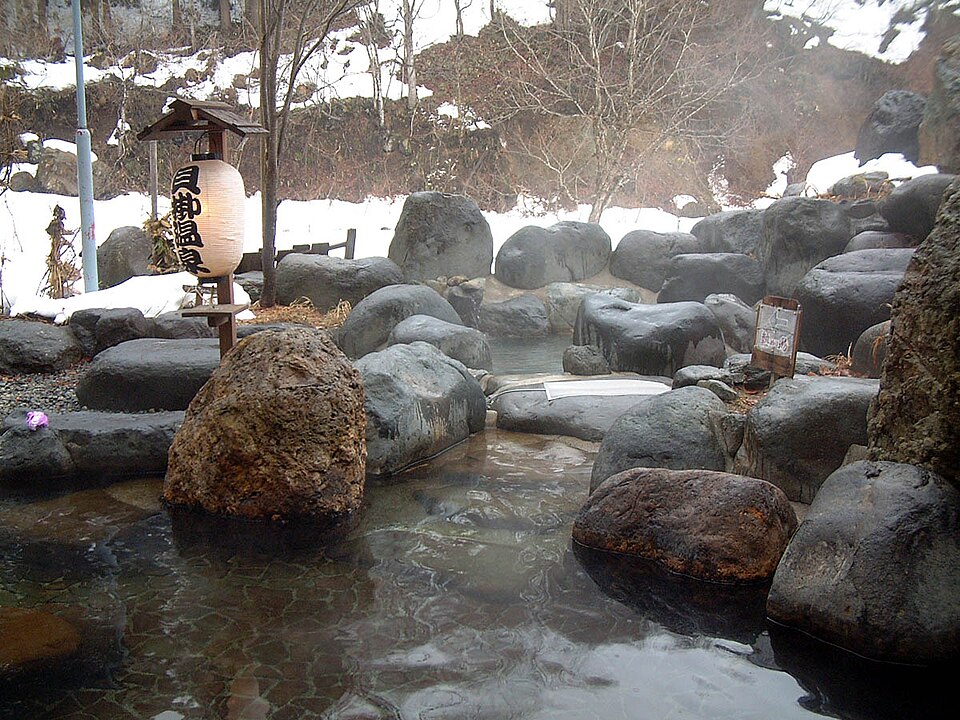
Yuzawa Onsen
湯沢温泉
Yuzawa Onsen
simple-alkaline · Chubu
Hotter than 11% of Japan springs (n=122).
More acidic than 56% of Japan springs (n=121).
Mineral profile
Bar width reflects listing order, not measured concentration.
Suitability
At a glance
Getting there
Easy — under 1km from a station
Cost
Moderate
About this spring
Yuzawa Onsen sits in the Uonuma highlands of Niigata Prefecture, surrounded by snowfields that define the landscape. The town counts at least 27 onsen and ryokan within its bounds, with both public and private bathing options available. Kaikake Onsen is the oldest in the area, with written records going back to the 1400s. Smaller springs, including Akayu Onsen, can be reached on foot via mountain trails.
Highlights
History
Kaikake Onsen holds the longest documented history among the area's springs, with records extending to at least the 1400s.
During the Sengoku period, Uesugi Kenshin reportedly brought wounded soldiers to its waters for treatment. By the Edo period, the springs had developed a reputation for relieving eye diseases. The present-day town of Yuzawa came into existence in 1955, when several surrounding villages were merged into a single municipality.
Local guide
The Joetsu Shinkansen from Tokyo reaches Echigo-Yuzawa Station in about eighty minutes, carrying mostly skiers in winter and hikers in summer. But the station the data records as the nearest stop to Yuzawa Onsen is Echigo-Yuzawa, and the town it refers to is the same ski-and-spring resort destination that Yasunari Kawabata used as the setting for Snow Country, his Nobel Prize-winning novel. The opening sentence of that book may be the most famous geographical observation in Japanese literature: the train comes out of the long tunnel and there is the snow country. The tunnel he means is the Shimizu Tunnel, and when you ride it today the moment still works, the dark of the bore and then the sudden white landscape of the Niigata basin laid out below you.
The springs here are simple alkaline and sodium chloride, neutral at pH 7.5, coming out of the ground at a steady 43 degrees Celsius. The water is clear with no strong odor and a mild mineral taste. It is warm water in the Japanese tradition of reliable, approachable bathing rather than dramatic chemistry. In the large communal baths at the resort hotels and in the public day-use bath facilities in the station building itself, the warmth is direct and honest. You stay in for forty minutes and come out with pink skin and slow thoughts. The outdoor baths in winter are the defining experience: hot water at 43 degrees, air temperature well below zero, heavy snowfall coming straight down, and the entire Niigata basin visible in the distance beyond the cedar ridge.
Kaikake Onsen, a single old inn about a thirty-minute walk or short taxi ride from the main resort area, predates the ski development by several centuries. The records go back to the 1400s, and the building has the feel of a place that has been continuously occupied rather than periodically renovated. The bath at Kaikake is smaller and quieter than the resort pools, fed by its own dedicated line, and the water has a slightly different mineral profile from the town's main source. It is the kind of bath where you understand why people came here before the train existed, before the ski lifts, before the sake vending machines in the station basement.
The snow in Yuzawa is not decorative. This part of Niigata gets among the heaviest snowfall in the inhabited world, averaging several meters per winter, and the rooftops are built with steep pitches to shed it. The ski area is substantial, and the resort town around the station has a functional, year-round energy rather than the seasonal hollowness of some mountain destinations. Come in February if you want the full Snow Country effect. The tunnel comes out into white, the valley is buried, and the baths are working at full capacity against the cold.
Mineral chemistry
Water character inferred from mineral type — verify on site.
Alkaline springs (pH above 8) are known for their skin-softening effect, sometimes called "beauty water" in bathing cultures across Asia. The high pH saponifies skin oils, producing a characteristic silky feel on the skin surface.
The slippery feeling underfoot in highly alkaline springs is normal — take care when standing and walking in the bath. Avoid prolonged soaking if you have dry or sensitive skin.
Sodium chloride springs, essentially natural saltwater baths, are celebrated for their warming and moisturising effects. The salt forms a thin film on the skin that slows moisture evaporation, keeping skin hydrated longer than a freshwater bath.
Those with high blood pressure or heart conditions should consult a doctor before bathing, as the warming effect increases circulation. Avoid immersing open wounds.
Similar springs
 FREE
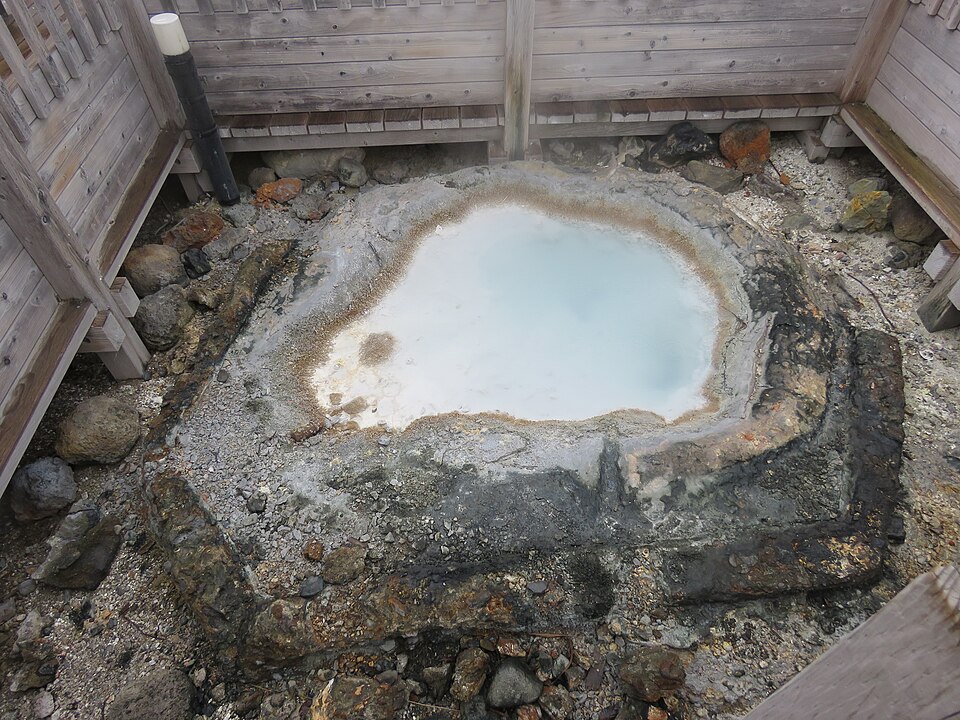
FREEThe valley occupies the center of Noboribetsu Onsen in Hokkaido. Jigokudani translates as Hell Valley. The crater covers 11 hectares and releases roughly 10,000 tonnes of hot spring water each day. Fumaroles vent steam across the floor of the valley, boiling pools bubble at the surface, and the surrounding cliffs carry heavy mineral staining. A walking path winds through the area in about 20 minutes and is open to all visitors at no cost. It ranks among the most striking landscapes accessible on foot anywhere in Japan.
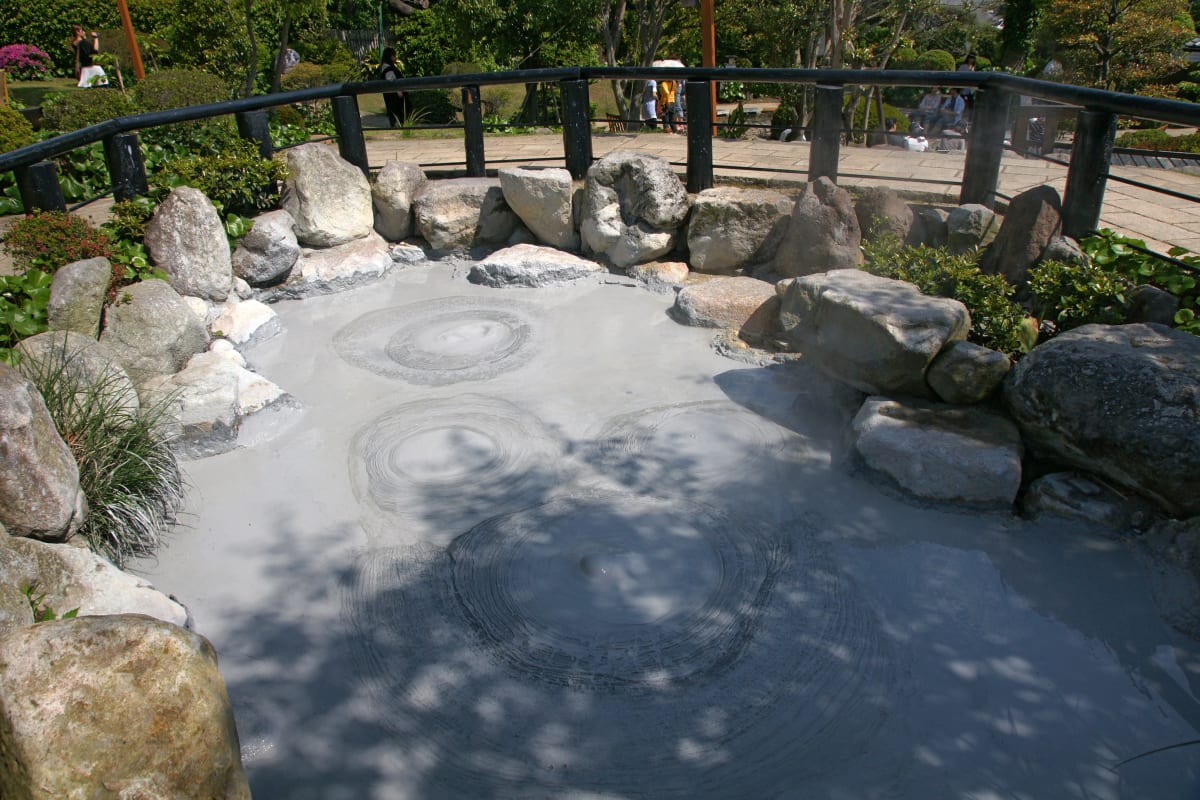
Beppu is the most geothermally active city in Japan, with more than 2,900 hot spring vents located within the city limits and eight distinct thermal spring zones collectively known as the Beppu Hatto. The variety on offer is wide, ranging from grand hotel bathhouses to modest neighborhood public facilities to the celebrated Hells, a collection of brilliantly colored boiling pools scattered across the city. The Hells run far too hot for bathing, but they draw visitors who come to walk among them and take in the spectacle.
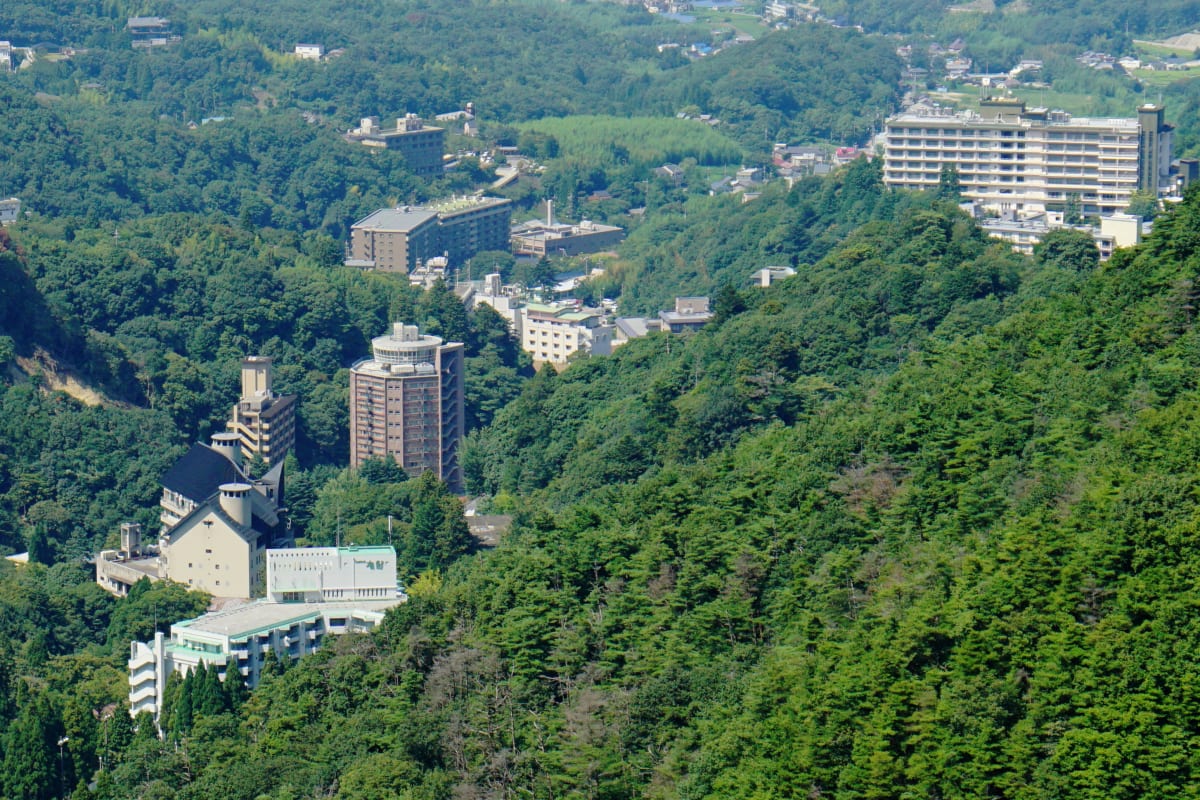
Arima Onsen sits in the hills above Kobe, close to Mount Rokko, and ranks among the oldest hot spring towns in Japan. The town draws visitors for two entirely different spring types that coexist within its compact footprint. Kinsen is the iron-rich golden water that stains surrounding rocks a rusty orange, while ginsen runs clear and carries both carbonation and mild radioactivity. Few other onsen destinations in Japan bring together two such distinct water types within a single small town.
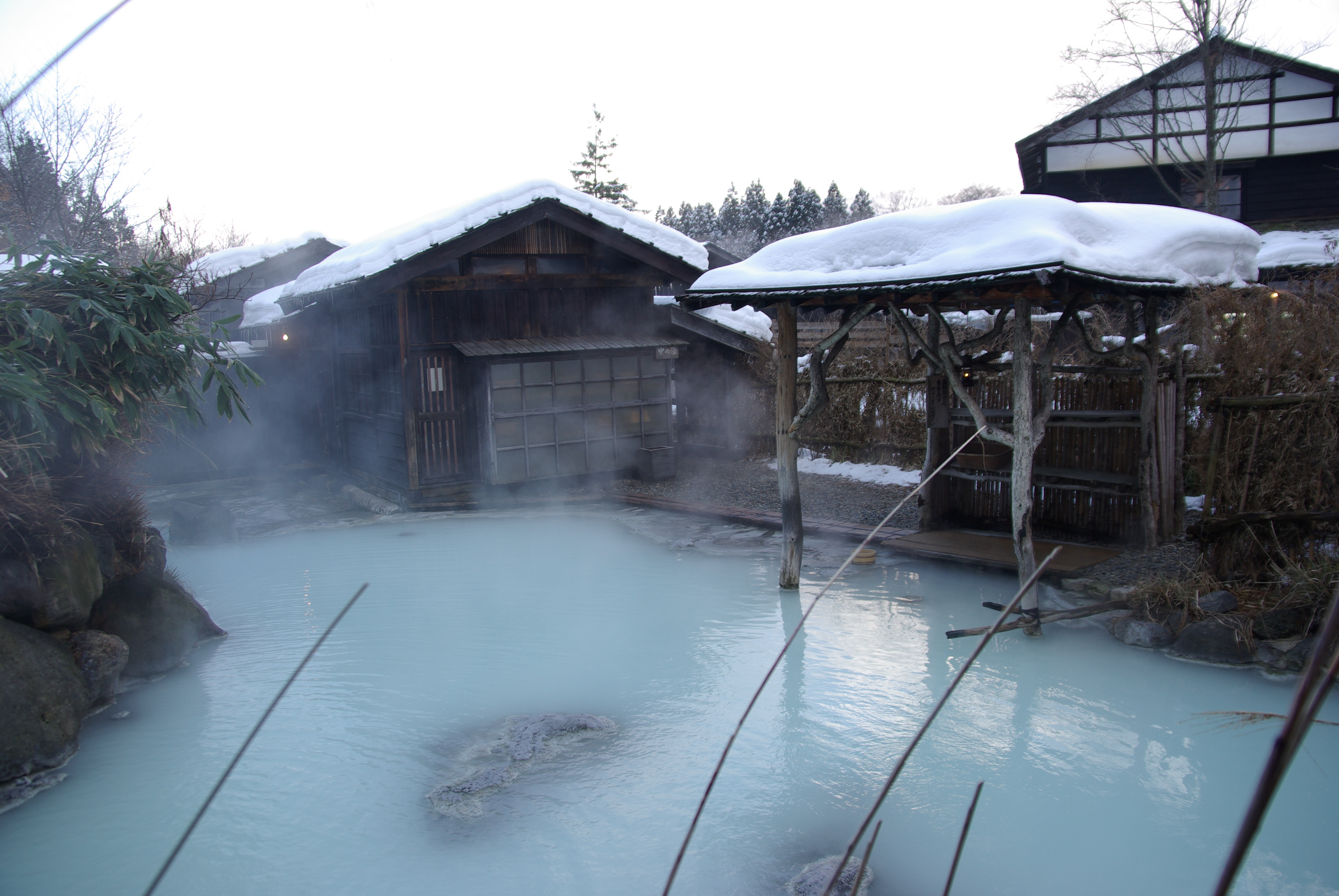
Tsuru-no-yu is the oldest of the seven inns at Nyuto, set deep in a beech forest in Akita Prefecture. The main draw is a large outdoor mixed-bathing pool fed by opaque, milky-white sulfurous water. Many regard it as the most beautiful onsen setting in Japan. People come here to put some distance between themselves and the rest of the world for a while.
Amenities
Getting there
Take the Joetsu Shinkansen from Tokyo to Echigo-Yuzawa Station. The journey takes about 80 minutes. Most of the onsen are within the town, reachable on foot or by local bus.
Location & nearby
Echigoyuzawa Onsen, Yuzawa, Minamiuonuma District, Niigata 949-6101
Make a day of it
Pair your soak with these nearby spots.
Attraction
Suwasha
1.4km away
Attraction
Yamanoyu
1.4km away
Attraction
Do Muga Ra
1.5km away
Attraction
SPAga Ranoyu
1.8km away
More springs in Chubu
 FREE
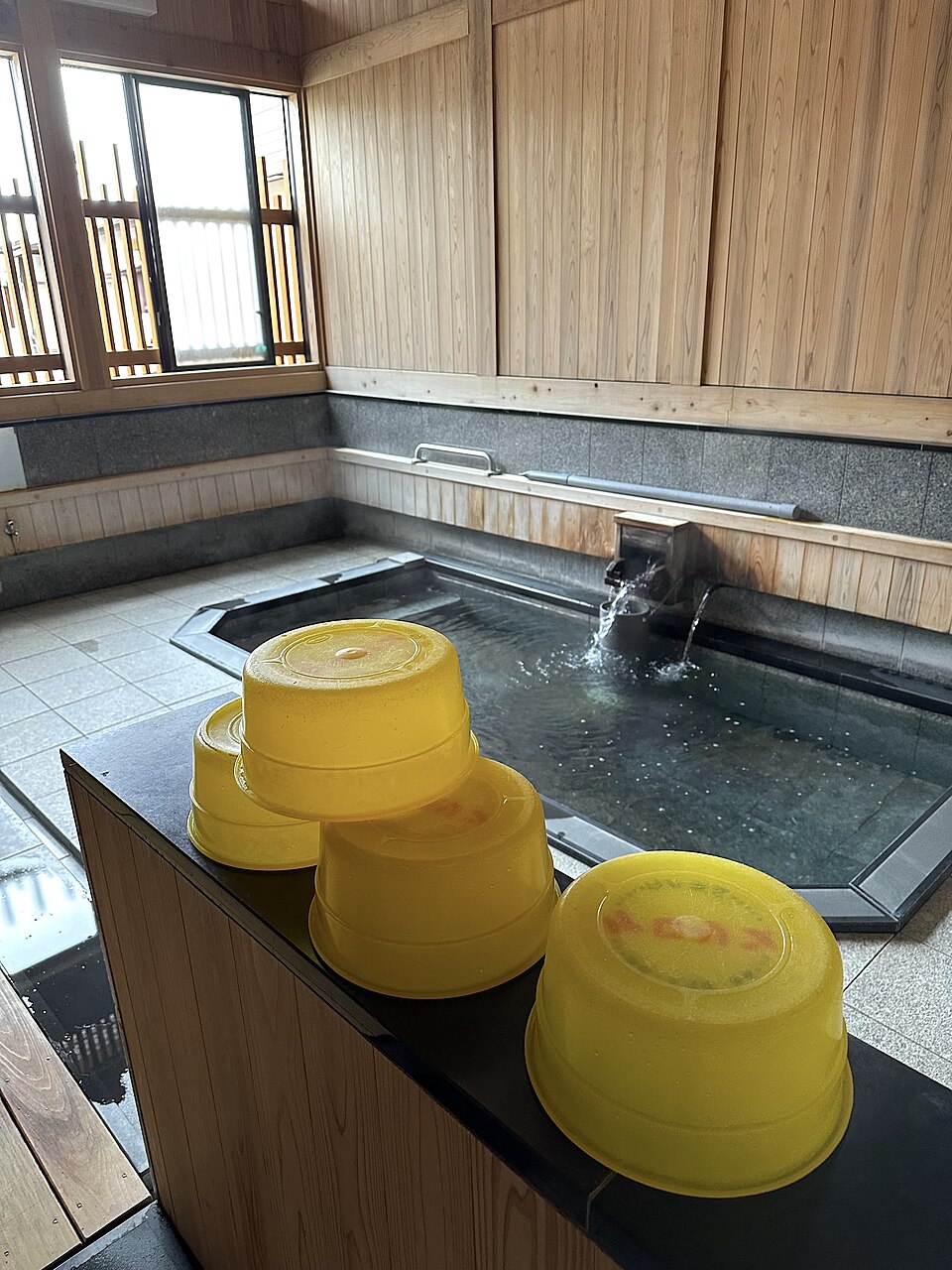
FREENozawa Onsen is a traditional village in Nagano Prefecture that maintains 13 free public bathhouses open to visitors and residents alike. These bathhouses, known as soto-yu, have been overseen by neighborhood cooperatives called yunakama for close to four centuries. The village also contains world-class ski slopes, a pairing that is genuinely uncommon anywhere in the world.
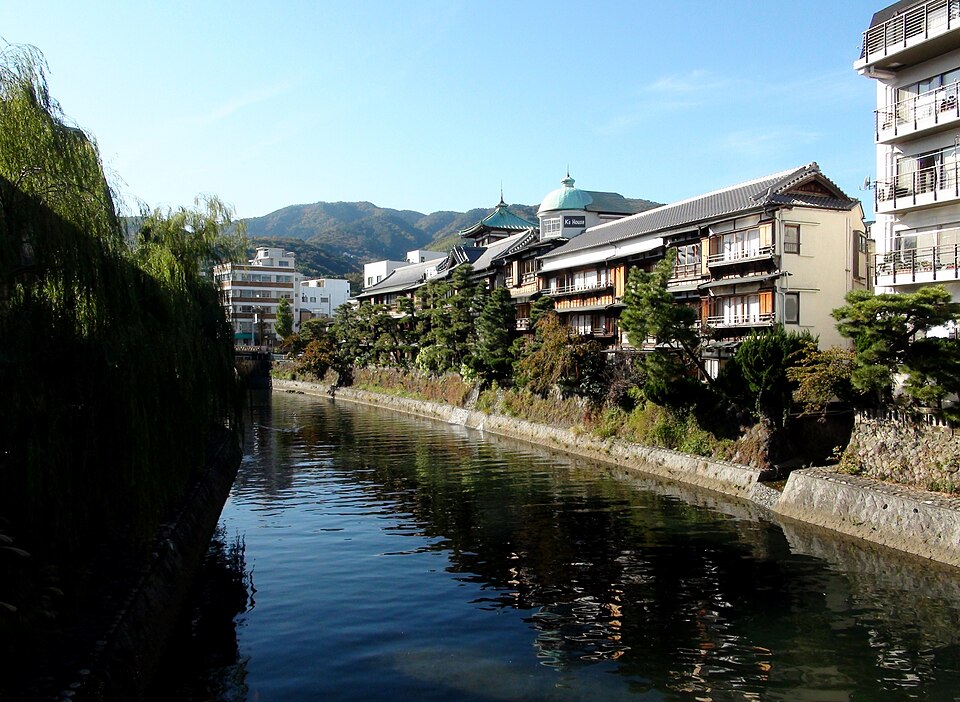
Ito sits along the eastern shore of the Izu Peninsula, facing the ocean and ranking among Japan's most productive hot spring districts by volume. More than 1,500 individual springs feed the town's supply, together pushing out around 30,000 kiloliters of water each day. Palm-lined avenues, tropical parks, and botanical gardens set the tone here, giving Ito a resort atmosphere that reads as distinctly its own compared to inland onsen destinations.
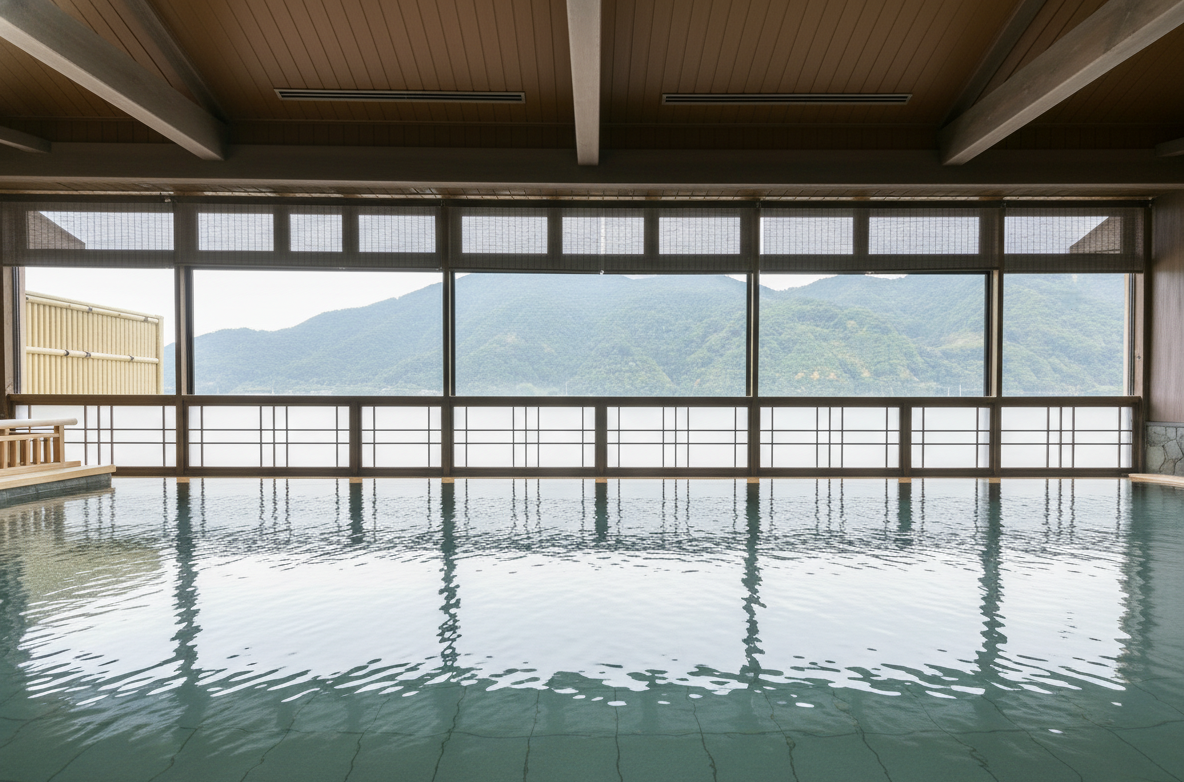
A mountain town in Niigata Prefecture famous for heavy snowfall and a unique sake-infused bath. After a day on the ski slopes, visitors soak in outdoor baths while snow falls silently around them. The town is also the setting of one of Japan's greatest novels.
Common questions
What is the water temperature at Yuzawa Onsen?▾
The water temperature at Yuzawa Onsen ranges up to 43°C (minimum around 43°C).
Is Yuzawa Onsen free to visit?▾
Yuzawa Onsen charges an entrance fee in JPY.
Is Yuzawa Onsen a public or private bath?▾
Yuzawa Onsen is a mixed bathing spring.
Are tattoos allowed at Yuzawa Onsen?▾
Tattoo policy varies at Yuzawa Onsen. Check ahead of your visit.
What is the nearest station to Yuzawa Onsen?▾
The nearest station to Yuzawa Onsen is ECHIGO YUZAWA STATION, about 0.1km away.