
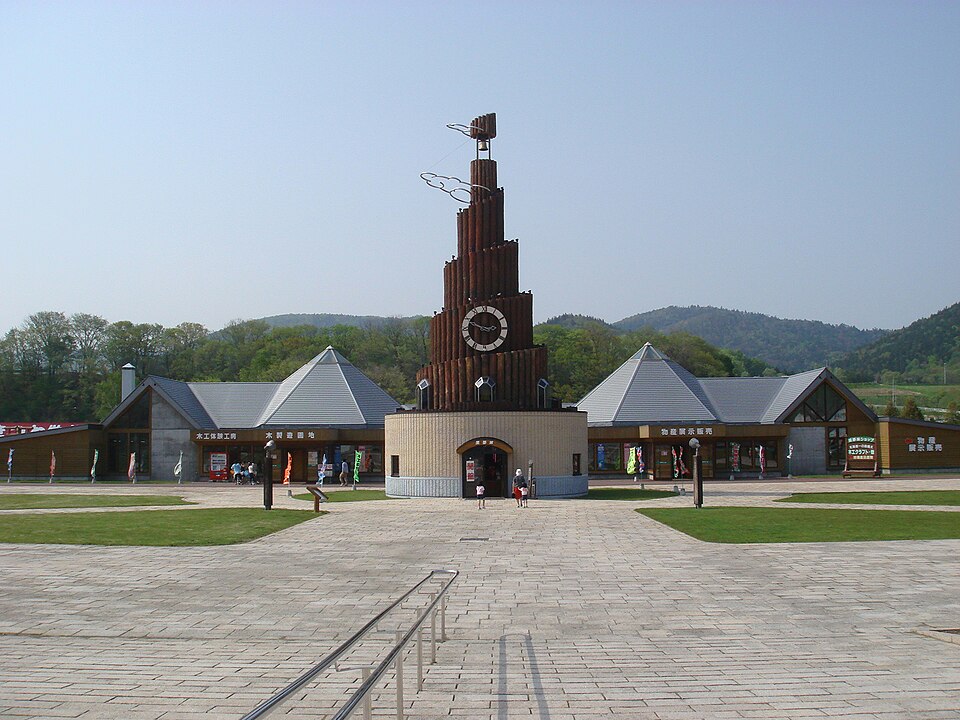
Onneyu Onsen
温根湯温泉
Onneyu Onsen
sulfur · Hokkaido
Hotter than 30% of Japan springs (n=122).
More acidic than 91% of Japan springs (n=121).
Mineral profile
Bar width reflects listing order, not measured concentration.
Suitability
At a glance
Getting there
Easy — under 1km from a station
Cost
High
About this spring
Onneyu Onsen is a small hot spring village in the Rubeshibe district of eastern Hokkaido. Its name comes directly from the Ainu language, combining onne, meaning large, and yu, meaning hot spring. The village is bordered on three sides by the overlapping extents of the Akan, Daisetsuzan, and Shiretoko national parks. The waters are classified as a sodium sulfate spring and are noted for their skin-softening properties.
Highlights
History
The Ainu people drew on these sodium sulfate waters for therapeutic bathing as part of their customary connection to the land, and the Ainu origin of the place name reflects their longstanding familiarity with the site.
Commercial development started in 1899 during the Meiji era, at a time when the government was actively promoting the colonization and settlement of Hokkaido. Through the early twentieth century the resort grew, attracting workers and settlers from the expanding town of Kitami to the west.
Local guide
Kitami is not on most travel itineraries for Hokkaido. The city sits inland in the eastern part of the island, an hour and fifteen minutes from Memanbetsu Airport, in the kind of quiet agricultural and forest country that tourists pass through on the way to Akan or Shiretoko. Onneyu Onsen is about forty minutes from Kitami by car, tucked into a valley of Japanese larch and mixed Hokkaido forest where the Rubeshibe River runs clear and cold. The town opened its first bath in 1899 and has been running continuously since then, which is a long time to stay relevant in a prefecture full of competing springs.
The water at Onneyu is a simple alkaline spring with a pH of 8.8, which places it firmly in the category the Japanese call bijin-no-yu, or water that makes skin beautiful. The chemistry at work is straightforward: the high alkalinity dissolves dead skin cells gently, and the sodium bicarbonate content softens the water until it feels like something other than just hot water. The texture is what visitors notice first. Not silky exactly, more like the resistance of the water has been reduced, so it moves against your skin differently than it should. When you step out, your skin is noticeably smoother and stays that way for longer than you expect.
The springs here are all run as gensen kakenagashi, meaning fresh water flows directly from the source into the bath without dilution, heating, or recirculation. This is an increasingly rare practice in Japan, where energy costs push many operators toward recycling. At Onneyu, every bath is drawing live water from the ground. The temperature is consistent, the clarity is complete, and the faint smell of the spring, something between fresh mineral water and clean stone, tells you the water has not been sitting in a tank.
From the forest walking course above the town, on a clear day, you can see the faint outline of the Daisetsuzan range to the southwest, sixty kilometers away. In winter the larch trees drop their needles and the forest goes grey and silver, and the steam from the outdoor baths rises straight up in the cold air with no wind to disperse it. Onneyu is the kind of place that rewards choosing it deliberately rather than arriving by accident, because nothing here shouts for your attention.
Mineral chemistry
Sulfuric hot springs are among the most studied in balneology worldwide. The sulfur compounds, primarily hydrogen sulfide and thiosulfate, have documented antimicrobial and anti-inflammatory properties. Regular bathing is associated with relief from chronic skin conditions including eczema and psoriasis, as well as joint inflammation and muscle soreness. Sulfuric waters have been used therapeutically across Asia and Europe for centuries.
The distinctive rotten-egg smell dissipates quickly after leaving the bath. Avoid if you have a sulfur allergy, very sensitive skin, or respiratory conditions. Remove silver jewellery before entering — sulfur will blacken it permanently.
Alkaline springs (pH above 8) are known for their skin-softening effect, sometimes called "beauty water" in bathing cultures across Asia. The high pH saponifies skin oils, producing a characteristic silky feel on the skin surface.
The slippery feeling underfoot in highly alkaline springs is normal — take care when standing and walking in the bath. Avoid prolonged soaking if you have dry or sensitive skin.
Similar springs
 FREE
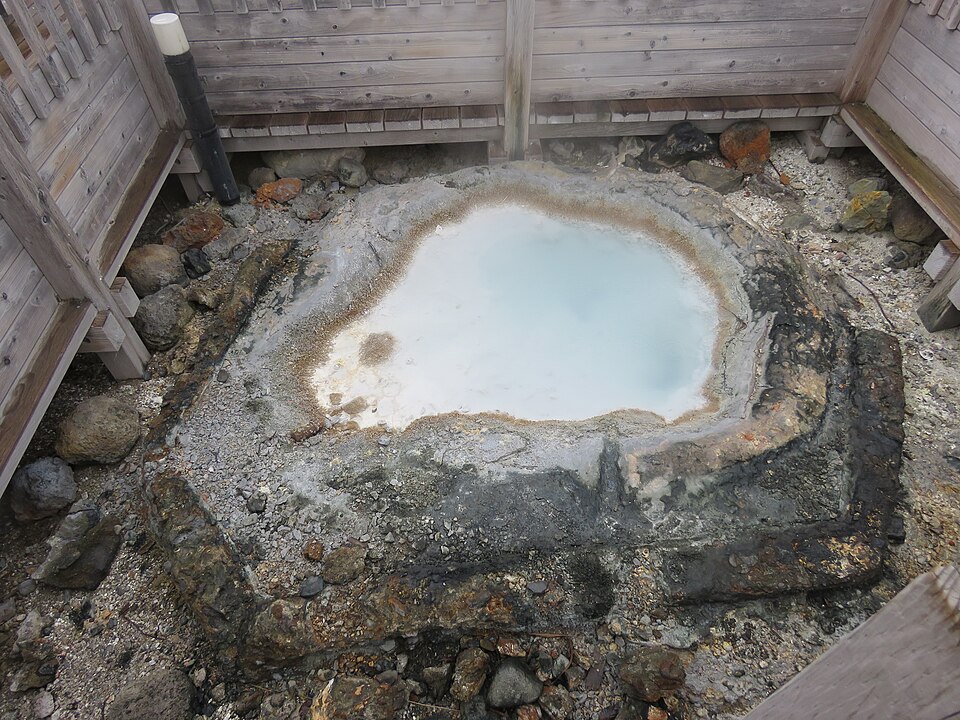
FREEThe valley occupies the center of Noboribetsu Onsen in Hokkaido. Jigokudani translates as Hell Valley. The crater covers 11 hectares and releases roughly 10,000 tonnes of hot spring water each day. Fumaroles vent steam across the floor of the valley, boiling pools bubble at the surface, and the surrounding cliffs carry heavy mineral staining. A walking path winds through the area in about 20 minutes and is open to all visitors at no cost. It ranks among the most striking landscapes accessible on foot anywhere in Japan.
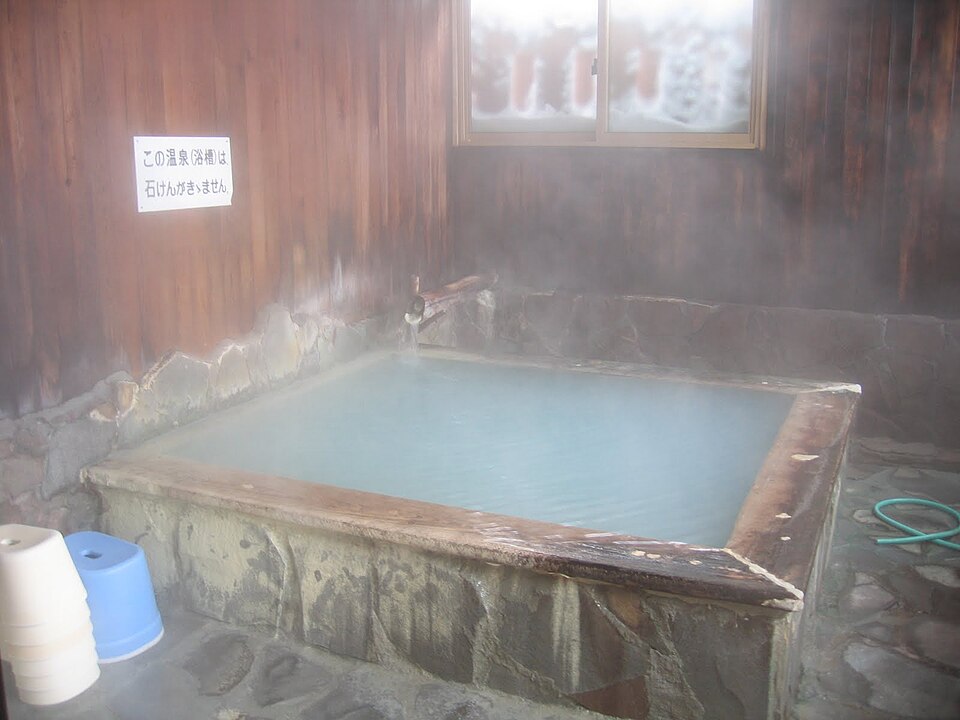
Set deep in the Hakkoda Mountains of Aomori Prefecture, Sukayu Onsen is a historic bathhouse best known for its cavernous mixed-bathing hall, the Sen-nin-buro, which translates as the Bath of a Thousand Bathers. The waters are strongly acidic, the setting is rustic and unhurried, and winter brings extraordinary snowfall to the surrounding mountains.
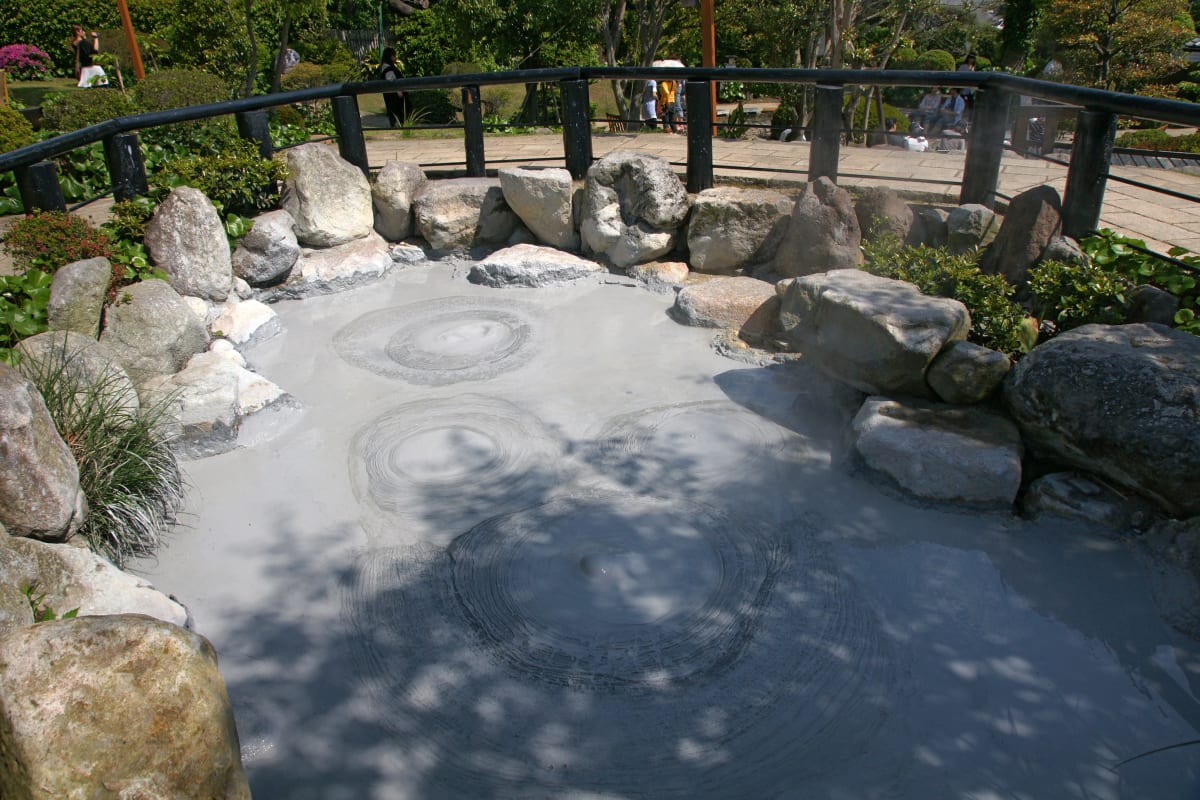
Beppu is the most geothermally active city in Japan, with more than 2,900 hot spring vents located within the city limits and eight distinct thermal spring zones collectively known as the Beppu Hatto. The variety on offer is wide, ranging from grand hotel bathhouses to modest neighborhood public facilities to the celebrated Hells, a collection of brilliantly colored boiling pools scattered across the city. The Hells run far too hot for bathing, but they draw visitors who come to walk among them and take in the spectacle.
 FREE
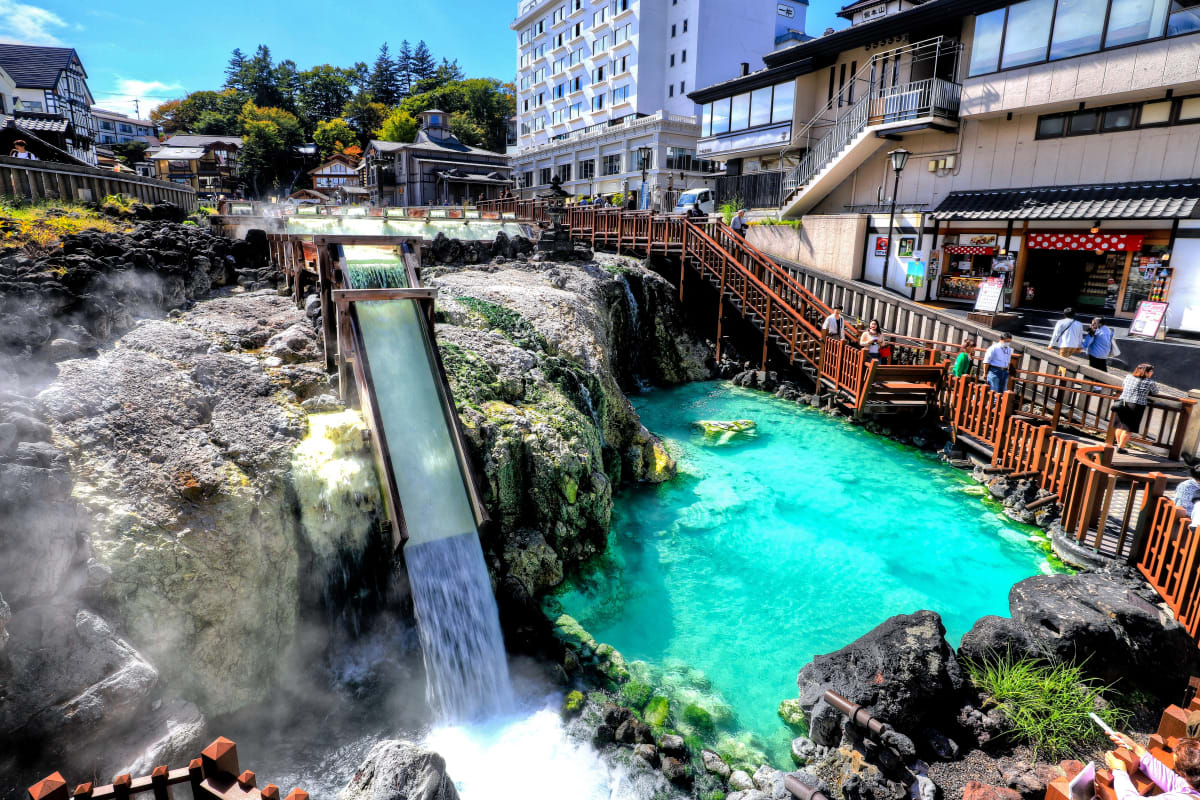
FREEKusatsu Onsen sits at 1,200 meters in the mountains of Gunma Prefecture and ranks among the most celebrated hot spring towns in Japan. The springs here produce more than 32,000 liters of water per minute, a volume unmatched anywhere else in the country. The water is strongly acidic and sulfurous, and its skin-healing properties have long made it legendary among visitors. Twice each day in the central town square, workers cool the scalding water by pulling long wooden paddles through it in unison while singing traditional songs. This practice is called yumomi.
Amenities
Getting there
From Kitami City, drive west for about 40 minutes on National Highway 39, or take a Kitami Bus from Rubeshibe Station to the Michi-no-Eki Onneyu Onsen roadside stop, about 25 minutes. From Memanbetsu Airport, the drive takes about 75 minutes.
Location & nearby
Onneyu Onsen, Kitami, Hokkaido
Make a day of it
Pair your soak with these nearby spots.
Attraction
Onneyu Onsen Yu Binkyoku
0.3km away
Park
Onneyu Onsen Yumehiroba
0.3km away
Park
Onneyunishijido Park
0.4km away
Attraction
Fukuzumi Onneyuten
0.4km away
Attraction
Onneyu Onsen
0.5km away
Attraction
OYukiko Gen Onsen
0.5km away
More springs in Hokkaido
FREEThe valley occupies the center of Noboribetsu Onsen in Hokkaido. Jigokudani translates as Hell Valley. The crater covers 11 hectares and releases roughly 10,000 tonnes of hot spring water each day. Fumaroles vent steam across the floor of the valley, boiling pools bubble at the surface, and the surrounding cliffs carry heavy mineral staining. A walking path winds through the area in about 20 minutes and is open to all visitors at no cost. It ranks among the most striking landscapes accessible on foot anywhere in Japan.
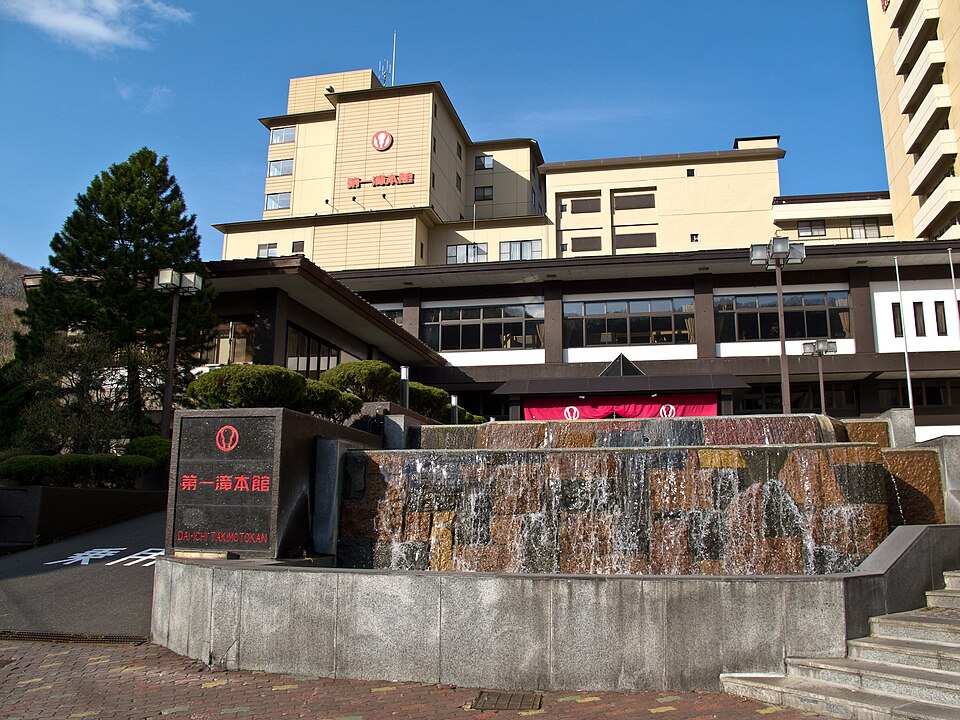
One of Hokkaido's most celebrated bathhouses. Dai-ichi Takimotokan channels water from seven distinct mineral springs into 35 pools spread across multiple floors. Indoor halls open onto outdoor rotenburo overlooking the steam-filled valley below. Day visitors are welcome without an overnight stay.
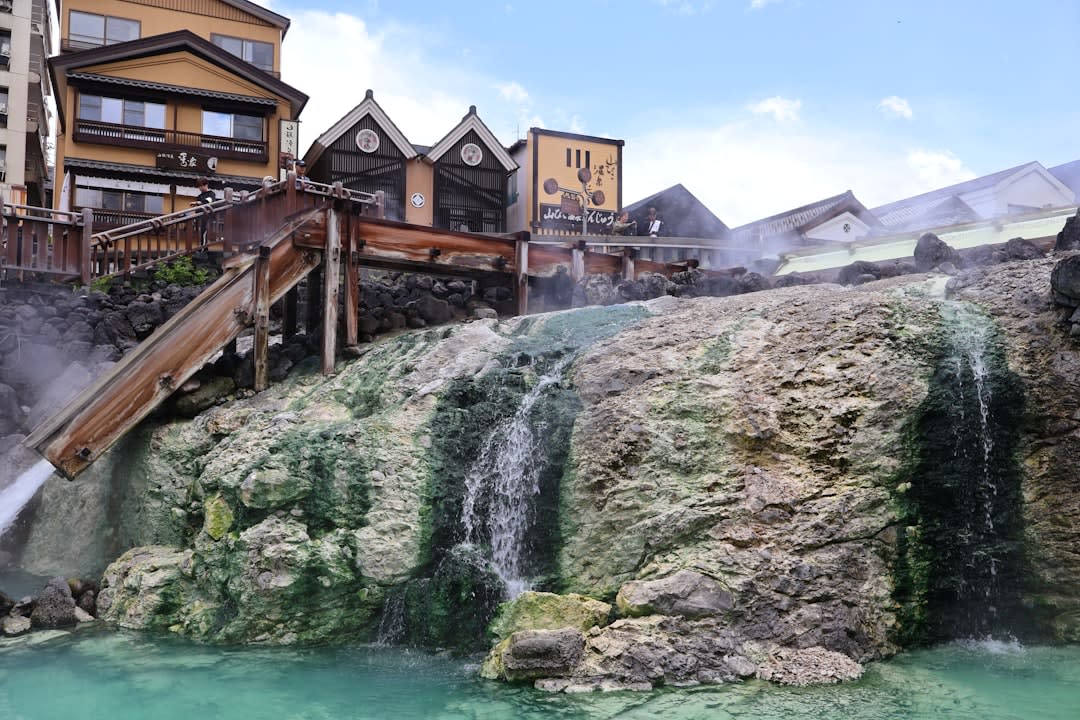
Noboribetsu Onsen is the best-known hot spring resort in Hokkaido, centered on a volcanic crater called Jigokudani, a name that translates to Hell Valley. From the crater floor, nine chemically distinct spring types rise to the surface, each with its own mineral character. Sulfurous steam drifts across the landscape constantly, giving the valley a quality found nowhere else in Japan. The ground here is visibly alive.
Common questions
What is the water temperature at Onneyu Onsen?▾
The water temperature at Onneyu Onsen ranges up to 51°C (minimum around 41°C).
Is Onneyu Onsen free to visit?▾
Onneyu Onsen charges an entrance fee in JPY.
Is Onneyu Onsen a public or private bath?▾
Onneyu Onsen is a public bathing spring.
Are tattoos allowed at Onneyu Onsen?▾
No, Onneyu Onsen does not permit visible tattoos.
What is the nearest station to Onneyu Onsen?▾
The nearest station to Onneyu Onsen is Daisenji, about 0.1km away.