
Nachikatsuura Onsen
那智勝浦温泉
4.1 · 1300 reviews · via Google
Nachikatsuura Onsen
sodium-chloride · Kansai
Hotter than 54% of Japan springs (n=122).
More acidic than 64% of Japan springs (n=121).
Mineral profile
Bar width reflects listing order, not measured concentration.
Suitability
At a glance
Getting there
Easy — under 1km from a station
Cost
Low
Crowd level
Moderate
About this spring
Nachikatsuura Onsen is a hot spring resort town on the Kii Peninsula, positioned close to Nachi Falls, the tallest waterfall in Japan. The harbor sits along the ancient Kumano Kodo pilgrimage route, and the town's baths offer two distinct outlooks: some face out over the Pacific Ocean, and others look directly toward the sacred falls. That pairing is rare to find anywhere in Japan.
Highlights
History
This stretch of coastline has attracted pilgrims for more than a thousand years.
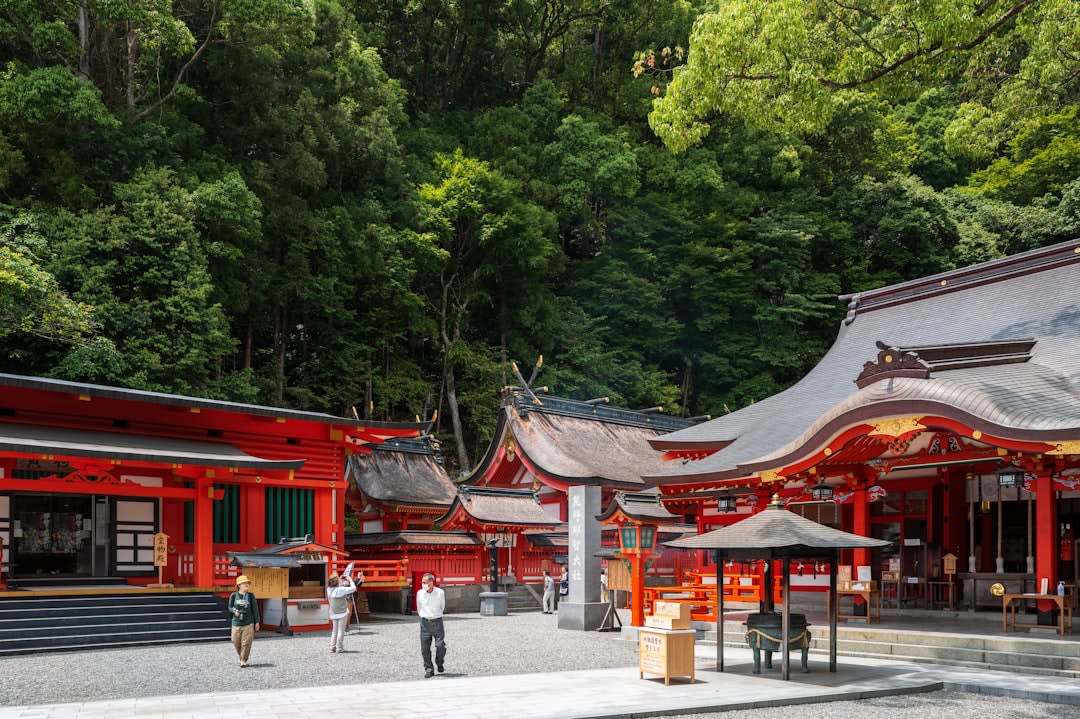
Kumano Nachi Taisha, counted among the three Grand Shrines of Kumano, stands a few kilometers from the shore. The falls the shrine oversees have served as a site of nature worship since before Buddhism reached Japan, and the shrine's founding is traditionally placed in 317 AD. Travelers who arrived by sea at Katsuura Bay would use the coastal hot springs for ritual purification before making the ascent to the shrine. The present-day town came into being in 1955 through the merger of the villages of Nachi and Katsuura. In the decades following the war, large resort hotels were built along the clifftops overlooking the bay. The result today is a destination that pairs ocean-view hot spring bathing with mountain scenery designated as a World Heritage site, which sets it apart from most other towns along the Kii coast.
Local guide
The JR Kuroshio limited express from Osaka takes just under four hours to reach Kii-Katsuura Station, and for most of that journey you are following the coast of the Kii Peninsula as it gets progressively wilder. The cliffs get taller, the bays get deeper, and the forest behind the shoreline thickens into the kind of dark, wet, cedar-and-camphor growth that has covered these mountains for a thousand years of pilgrimage. When you step off the train at Kii-Katsuura, the air is warm, heavy with salt, and faintly sweet with something you cannot quite name. The harbor is immediately below the station, and on a clear day you can see a few small rocky islands sitting low in the deep blue water just offshore.
The hot spring water in the Nachikatsuura area runs sodium chloride, clear and neutral at pH 7.6, and it flows in several places along this small coastal town. The water is warm and fairly dense on the skin, with the kind of slight salinity that makes your body feel faintly supported in the bath rather than just submerged. Temperatures range widely across the different facilities, from a gentle 38 degrees to nearly 62 at the hottest source, so it is worth asking before you commit. The ocean is the real context for the bathing here. Some of the most sought-after baths are literally inside the rocky peninsula, carved into sea caves where waves push through gaps in the stone floor and the Pacific light filters in sideways in the morning.
Hotel Urashima's Bokido bath is the most famous of these cave baths, its name translating roughly as the cave where one forgets to return home. You approach it by crossing to the hotel's peninsula by boat from the harbor, a five-minute crossing that already puts you in a different frame of mind. The cave is naturally formed, high-ceilinged, and open at the ocean-facing side, so you are bathing while waves break below you and seabirds pass at eye level. It does not feel like a hotel amenity. It feels like something the sea hollowed out and the town was wise enough to leave mostly alone.
Above the town, forty minutes by bus, Nachi Falls drops 133 meters in a single unbroken plunge, the longest single-fall waterfall in Japan, and it has been drawing people here for purification and prayer for over 1,300 years. The Kumano Nachi Taisha shrine sits at its base, one of the three grand shrines of the Kumano Kodo pilgrimage route. Coming down from the falls and back to the harbor, then crossing to the cave bath as the afternoon light changes on the water, is a genuinely full day in a place that has been managing the business of cleansing people, spiritually and literally, for a very long time.
Mineral chemistry
Water character inferred from mineral type — verify on site.
Sodium chloride springs, essentially natural saltwater baths, are celebrated for their warming and moisturising effects. The salt forms a thin film on the skin that slows moisture evaporation, keeping skin hydrated longer than a freshwater bath.
Those with high blood pressure or heart conditions should consult a doctor before bathing, as the warming effect increases circulation. Avoid immersing open wounds.
Simple thermal springs have lower dissolved mineral content but are valued for the pure therapeutic effect of heat immersion itself — easing muscle tension and improving circulation. Considered the gentlest introduction to hot spring bathing.
Standard precautions apply: avoid bathing within 30 minutes of eating, keep soaks to 10–15 minutes for first-timers, and hydrate before and after.
Similar springs
 FREE
FREEThe valley occupies the center of Noboribetsu Onsen in Hokkaido. Jigokudani translates as Hell Valley. The crater covers 11 hectares and releases roughly 10,000 tonnes of hot spring water each day. Fumaroles vent steam across the floor of the valley, boiling pools bubble at the surface, and the surrounding cliffs carry heavy mineral staining. A walking path winds through the area in about 20 minutes and is open to all visitors at no cost. It ranks among the most striking landscapes accessible on foot anywhere in Japan.
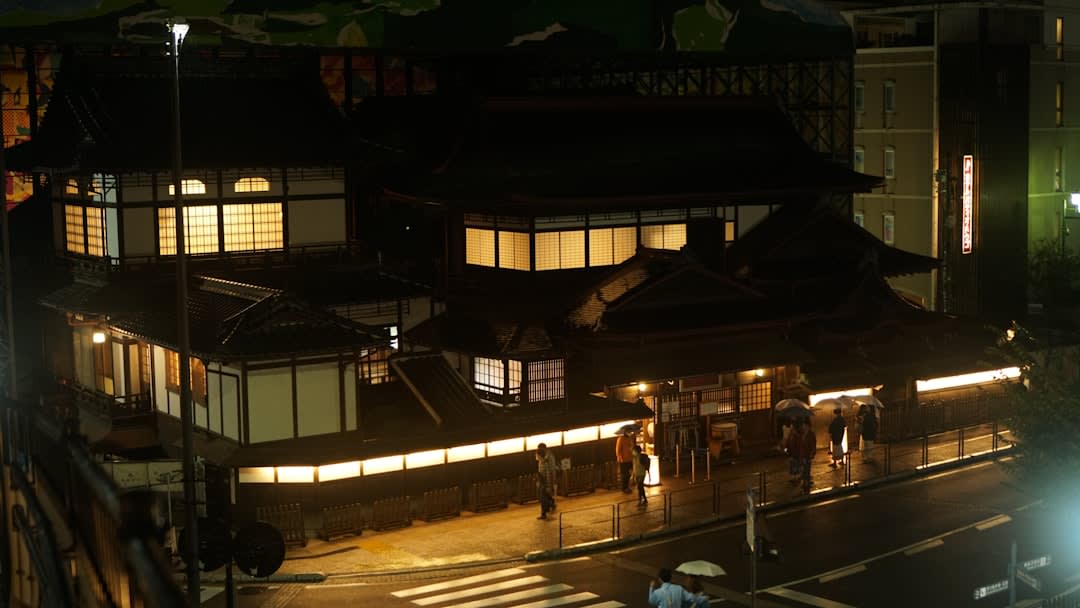
Dogo Onsen ranks among the oldest hot springs in Japan, with written records documenting its use for more than 1,300 years and oral traditions pointing back considerably further. The landmark Dogo Onsen Honkan is a three-storey wooden bathhouse finished in 1894, widely credited as the inspiration for the bathhouse depicted in Studio Ghibli's Spirited Away. The spring water is mildly alkaline and has long been valued for its ability to soften and smooth the skin.

Beppu is the most geothermally active city in Japan, with more than 2,900 hot spring vents located within the city limits and eight distinct thermal spring zones collectively known as the Beppu Hatto. The variety on offer is wide, ranging from grand hotel bathhouses to modest neighborhood public facilities to the celebrated Hells, a collection of brilliantly colored boiling pools scattered across the city. The Hells run far too hot for bathing, but they draw visitors who come to walk among them and take in the spectacle.

Arima Onsen sits in the hills above Kobe, close to Mount Rokko, and ranks among the oldest hot spring towns in Japan. The town draws visitors for two entirely different spring types that coexist within its compact footprint. Kinsen is the iron-rich golden water that stains surrounding rocks a rusty orange, while ginsen runs clear and carries both carbonation and mild radioactivity. Few other onsen destinations in Japan bring together two such distinct water types within a single small town.
Amenities
Getting there
From Osaka: JR Kuroshio limited express
Gateway: Kii-Katsuura (210 min)
Walk to bathhouse
Total journey: 215 min
Take the JR Kuroshio limited express from Osaka to Kii-Katsuura Station. The ride takes about 3.5 hours. The onsen district is within walking distance or a short taxi ride from the station.
Location & nearby
Nachikatsuura-cho, Higashimuro-gun, Wakayama 649-5334
Make a day of it
Pair your soak with these nearby spots.
Attraction
Nachiwan
0.3km away
Attraction
YukairizōTo Etsunoyu
0.6km away
Attraction
KōShūYokujō Wamayu
0.7km away
Attraction
NachikatsuuramachifukushikenkōSentā
0.8km away
Attraction
WamayutennenonsenkōShūYokujō
0.9km away
Attraction
Sakurayu
1.4km away
More springs in Kansai
Arima Onsen sits in the hills above Kobe, close to Mount Rokko, and ranks among the oldest hot spring towns in Japan. The town draws visitors for two entirely different spring types that coexist within its compact footprint. Kinsen is the iron-rich golden water that stains surrounding rocks a rusty orange, while ginsen runs clear and carries both carbonation and mild radioactivity. Few other onsen destinations in Japan bring together two such distinct water types within a single small town.
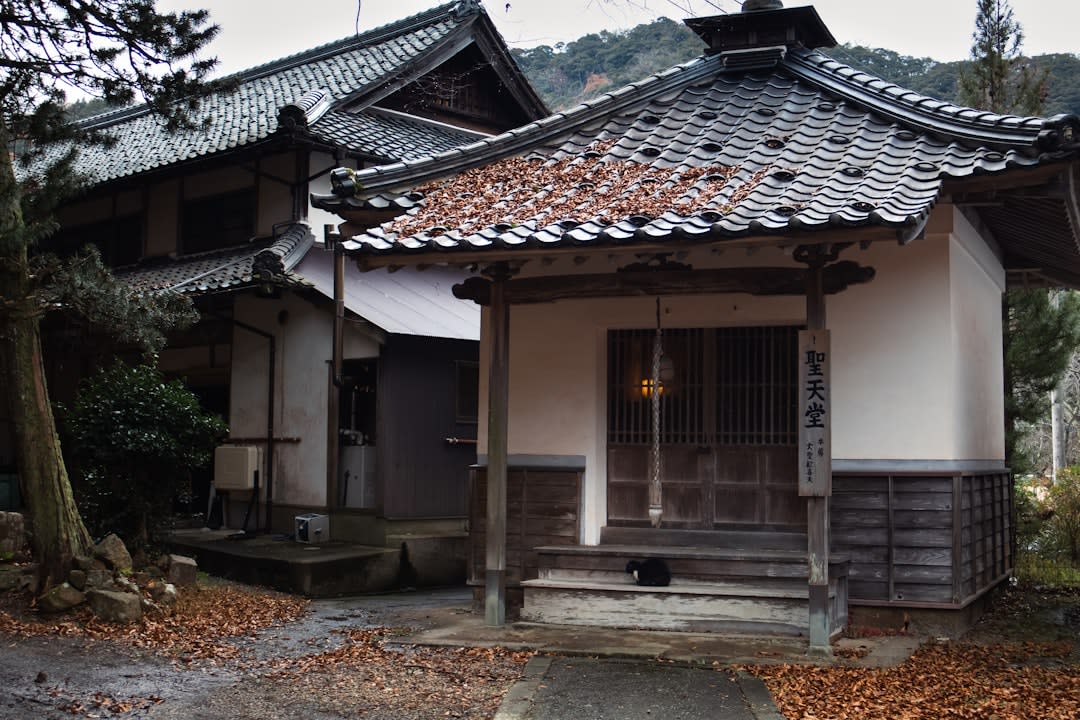
One of Japan's most beloved onsen towns. Visitors put on a yukata and wooden sandals and stroll between seven public bathhouses along a willow-lined canal. The wooden bridges, stone walkways, and traditional inn facades have barely changed in a century. The town is built for wandering.
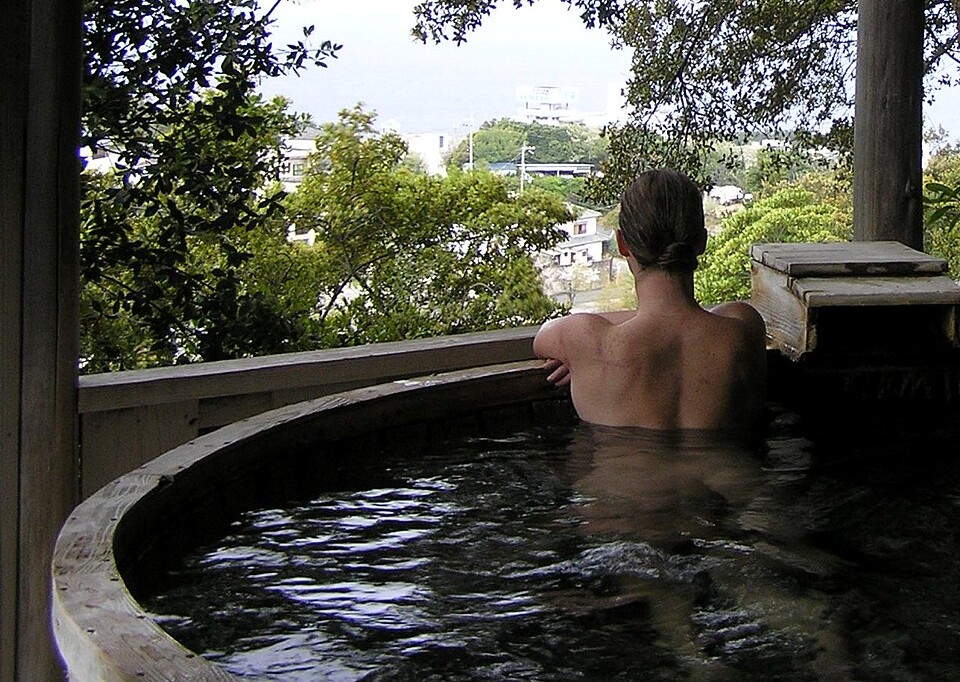
An old coastal resort town where hot springs meet the Pacific. The white-sand beach and dramatic rock formations create a setting unlike most onsen destinations. The ancient outdoor baths of Saki-no-Yu sit directly above the ocean. You soak while watching the waves crash below you.
Common questions
What is the water temperature at Nachikatsuura Onsen?▾
The water temperature at Nachikatsuura Onsen ranges up to 62°C (minimum around 38°C).
Is Nachikatsuura Onsen free to visit?▾
Nachikatsuura Onsen charges an entrance fee in JPY.
Is Nachikatsuura Onsen a public or private bath?▾
Nachikatsuura Onsen is a public bathing spring.
Are tattoos allowed at Nachikatsuura Onsen?▾
No, Nachikatsuura Onsen does not permit visible tattoos.
What is the nearest station to Nachikatsuura Onsen?▾
The nearest station to Nachikatsuura Onsen is Kii-Katsuura Station, about 0km away.