
Unzen Onsen
雲仙温泉
4.1 · 1600 reviews · via Google
Unzen Onsen
sulfur · Kyushu
Hotter than 93% of Japan springs (n=122).
More acidic than 11% of Japan springs (n=121).
Mineral profile
Bar width reflects listing order, not measured concentration.
Suitability
At a glance
Getting there
Easy — under 1km from a station
Cost
Low
Crowd level
Moderate
About this spring
A highland onsen in Unzen-Amakusa National Park at around 700 meters elevation. The dramatic sulfurous steam vents known as the Jigoku, or Hell Grounds, are the defining feature: they bubble, hiss, and release clouds of white vapor across the landscape. The water here is strongly acidic and celebrated for its skin-healing properties.
Highlights
History
Unzen's settlement dates to around 701 AD, when the Buddhist monk Gyoki developed the area as a temple complex.
At its peak it rivaled Koyasan in scale and prestige. The darkest chapter came in the 1620s and 1630s when the Shimabara Domain's feudal lord used the scalding spring waters as instruments of persecution against the region's Christian community. Between 1627 and 1632 dozens of converts who refused to renounce their faith were brought to the boiling pools. A monument erected in the Meiji era now commemorates those martyrs. In 1889, an article in the North China Daily News brought Unzen to the attention of Western residents of Shanghai and Nagasaki. The springs were quickly developed as a hill-station resort for foreign diplomats escaping summer heat. In 1934 the area became part of Japan's first national park.
Local guide
The bus from Isahaya Station climbs the Shimabara Peninsula through citrus orchards and tea fields, then the road enters a zone of volcanic fog about two hundred meters before Unzen Onsen itself. Steam rises from vents on both sides of the road, and the sulfur smell reaches you through closed windows. You arrive into a highland resort at around 700 meters elevation on the Nishihara Plateau, and the first thing you see on the main street is the Jigoku, the hells, a field of boiling mudpots and fumaroles where the ground temperature runs close to a hundred degrees Celsius and the surface pools churn in constant, slow agitation.
Unzen's acidic sulfur springs are among the most strongly acidic bathing waters in Japan, with a pH of around 2.5. This is water that will visibly bleach a piece of metal left in it, and that quality made it historically valued for skin ailments. In the bath it produces an intense, clean tingle that is more astringent than relaxing, and the sulfur smell, which elsewhere might be background, here is the dominant note of the experience. The water is completely clear. The heat ranges from a standard 42 degrees at the bathing facilities to near boiling at the surface vents.
The Jigoku field carries a history that no amount of scenic landscape can erase. Between 1627 and 1631, thirty-three Christians were martyred here by the Tokugawa authorities, brought to these boiling vents and killed when they refused to renounce their faith. The memorial stone at the edge of the field marks this directly, and it is worth reading before you walk further into the steam. The story intersects with Scorsese's film Silence and the wider history of Kakure Kirishitan, the hidden Christians of Kyushu, in ways that make Unzen one of the few onsen destinations in Japan where the spiritual and volcanic histories are genuinely inseparable.
Looking north from the town on a clear day, the lava dome of Heisei Shinzan is visible, formed during eruptions in the early 1990s that killed more than forty people and displaced twelve thousand more. The mountain is still classified as active. Bathing in the springs below a geologically living volcano, on ground where martyrs died four centuries ago, is an unusual experience, and Unzen makes no effort to soften or aestheticize any part of it.
Mineral chemistry
Sulfuric hot springs are among the most studied in balneology worldwide. The sulfur compounds, primarily hydrogen sulfide and thiosulfate, have documented antimicrobial and anti-inflammatory properties. Regular bathing is associated with relief from chronic skin conditions including eczema and psoriasis, as well as joint inflammation and muscle soreness. Sulfuric waters have been used therapeutically across Asia and Europe for centuries.
The distinctive rotten-egg smell dissipates quickly after leaving the bath. Avoid if you have a sulfur allergy, very sensitive skin, or respiratory conditions. Remove silver jewellery before entering — sulfur will blacken it permanently.
Acidic springs (pH below 6) have natural exfoliating properties. The low pH gently dissolves dead skin cells, leaving skin noticeably smoother after a soak. Strongly acidic springs (pH below 3) also carry antimicrobial effects potent enough that they have historically been used to treat skin infections.
Limit initial soaks to 3–5 minutes until you know how your skin responds. Rinse thoroughly with fresh water afterwards to neutralise the acid. Not recommended for broken skin, active eczema flare-ups, fresh tattoos, or children under 10.
Similar springs
 FREE
FREEThe valley occupies the center of Noboribetsu Onsen in Hokkaido. Jigokudani translates as Hell Valley. The crater covers 11 hectares and releases roughly 10,000 tonnes of hot spring water each day. Fumaroles vent steam across the floor of the valley, boiling pools bubble at the surface, and the surrounding cliffs carry heavy mineral staining. A walking path winds through the area in about 20 minutes and is open to all visitors at no cost. It ranks among the most striking landscapes accessible on foot anywhere in Japan.

Set deep in the Hakkoda Mountains of Aomori Prefecture, Sukayu Onsen is a historic bathhouse best known for its cavernous mixed-bathing hall, the Sen-nin-buro, which translates as the Bath of a Thousand Bathers. The waters are strongly acidic, the setting is rustic and unhurried, and winter brings extraordinary snowfall to the surrounding mountains.

Beppu is the most geothermally active city in Japan, with more than 2,900 hot spring vents located within the city limits and eight distinct thermal spring zones collectively known as the Beppu Hatto. The variety on offer is wide, ranging from grand hotel bathhouses to modest neighborhood public facilities to the celebrated Hells, a collection of brilliantly colored boiling pools scattered across the city. The Hells run far too hot for bathing, but they draw visitors who come to walk among them and take in the spectacle.
 FREE
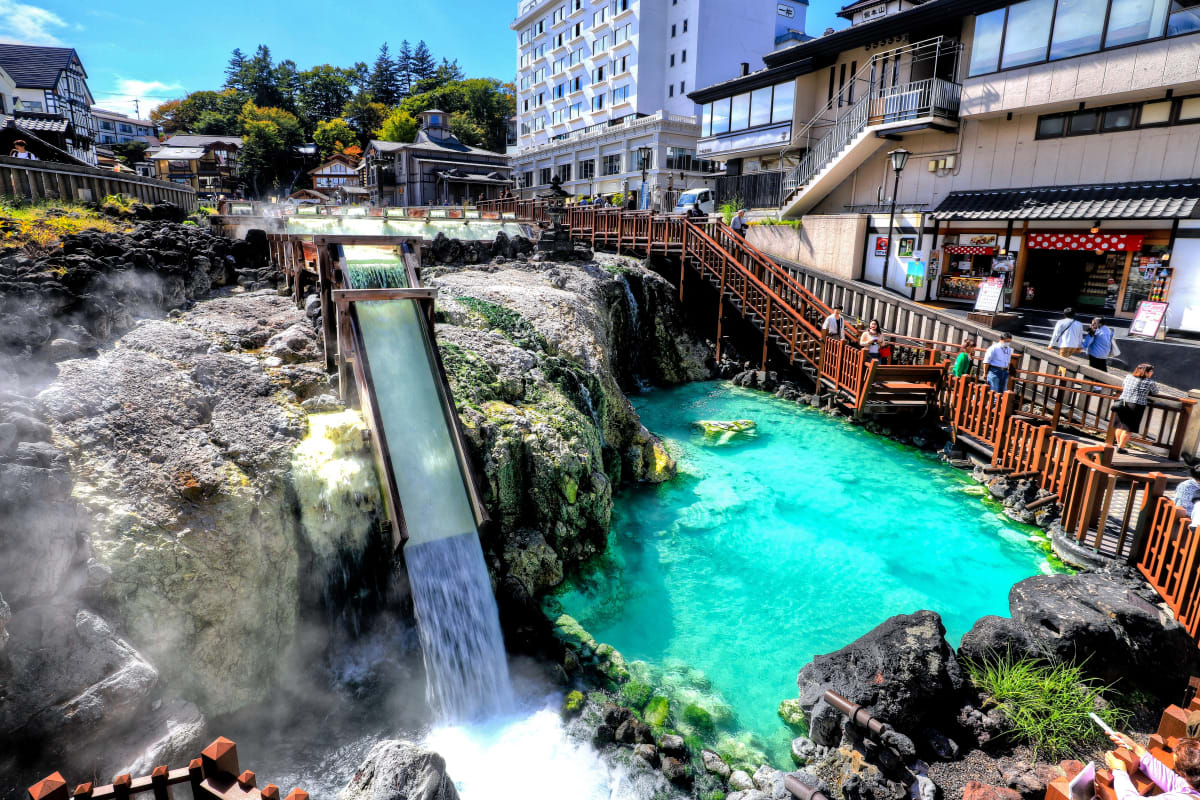
FREEKusatsu Onsen sits at 1,200 meters in the mountains of Gunma Prefecture and ranks among the most celebrated hot spring towns in Japan. The springs here produce more than 32,000 liters of water per minute, a volume unmatched anywhere else in the country. The water is strongly acidic and sulfurous, and its skin-healing properties have long made it legendary among visitors. Twice each day in the central town square, workers cool the scalding water by pulling long wooden paddles through it in unison while singing traditional songs. This practice is called yumomi.
Amenities
Getting there
From Fukuoka: Nagasaki Main Line
Gateway: Isahaya (30 min)
Bus to Unzen Onsen (~60 min)
Total journey: 100 min
From Nagasaki Station, take the JR Nagasaki Main Line to Isahaya Station. The ride takes about 35 minutes. Cross to the Isahaya Bus Terminal and board a Shimatetsu Bus bound for Unzen. The bus takes about 80 minutes with reduced frequency on weekends.
Location & nearby
Unzen, Obama-cho, Unzen City, Nagasaki 854-0621
Make a day of it
Pair your soak with these nearby spots.
Attraction
Sho Jigoku Onsen Kan
0.4km away
Park
Unzenjigoku Onsen Tamago
0.5km away
Attraction
Unzenyokayu
0.7km away
Attraction
Dagashiyasan Museum
0.8km away
Park
Takaragentsutsujienchu Shajo Gawaazumayakyu Keisho
0.8km away
Attraction
Machiko Rock
0.8km away
More springs in Kyushu
Beppu is the most geothermally active city in Japan, with more than 2,900 hot spring vents located within the city limits and eight distinct thermal spring zones collectively known as the Beppu Hatto. The variety on offer is wide, ranging from grand hotel bathhouses to modest neighborhood public facilities to the celebrated Hells, a collection of brilliantly colored boiling pools scattered across the city. The Hells run far too hot for bathing, but they draw visitors who come to walk among them and take in the spectacle.
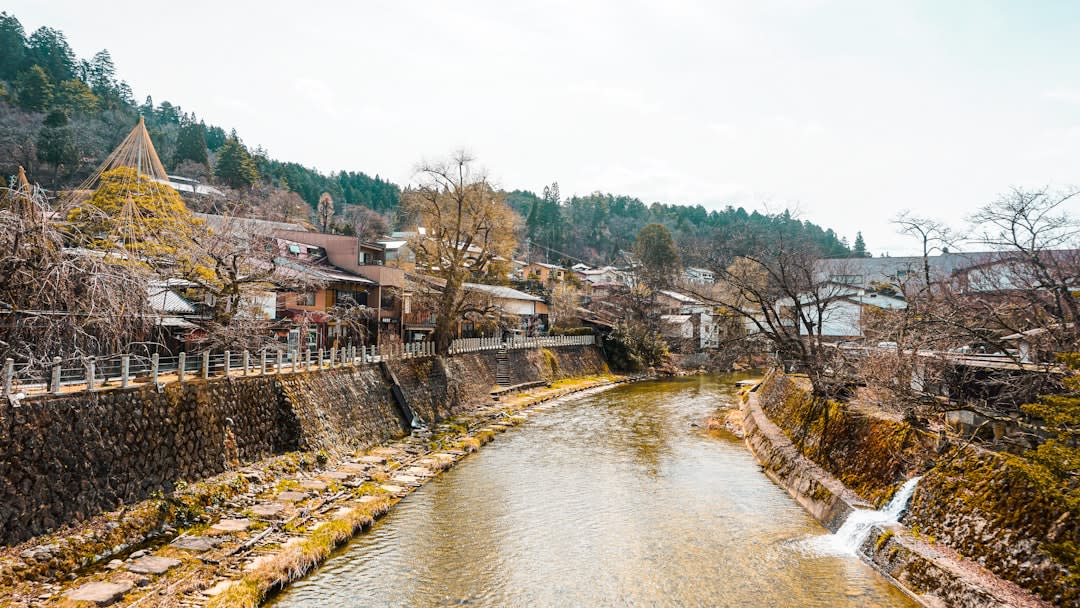
A peaceful artsy onsen town at the foot of Mt. Yufu in Oita Prefecture. The town is known for boutique galleries, craft shops, and ryokan with private outdoor baths. Lake Kinrin sits at the heart of it all. On quiet mornings, steam rises off the lake's surface in a way that seems almost designed to make you stop and stand still.
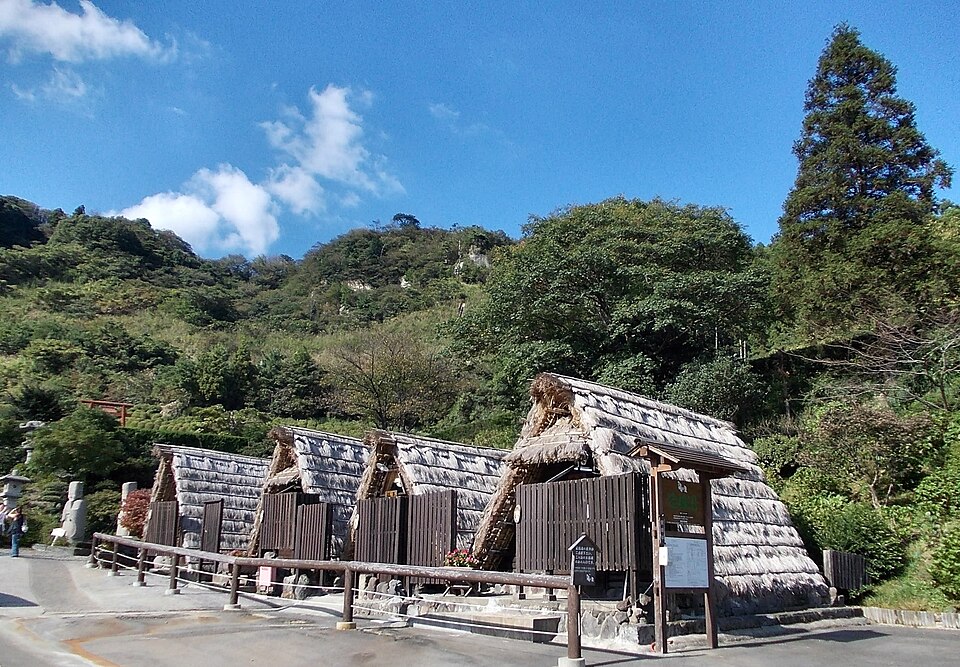
Set on a wooded slope in Beppu's Myoban district, this resort draws visitors for its yunohana, a term meaning hot spring flowers, which are white crystalline deposits that collect on surfaces where steam from the springs cools and condenses. The spring water itself is strongly sulfurous and acidic, rising at high temperatures from one of the eight volcanic source zones that make up Beppu Hatto.
Common questions
What is the water temperature at Unzen Onsen?▾
The water temperature at Unzen Onsen ranges up to 98°C (minimum around 42°C).
Is Unzen Onsen free to visit?▾
Unzen Onsen charges an entrance fee in JPY.
Is Unzen Onsen a public or private bath?▾
Unzen Onsen is a public bathing spring.
Are tattoos allowed at Unzen Onsen?▾
Tattoo policy varies at Unzen Onsen. Check ahead of your visit.