
Naoshima Onsen
直島温泉
4.4 · 954 reviews · via Google
Naoshima Onsen
simple-thermal · Shikoku
Hotter than 8% of Japan springs (n=122).
More acidic than 53% of Japan springs (n=121).
Mineral profile
Bar width reflects listing order, not measured concentration.
Suitability
At a glance
Getting there
Easy — under 1km from a station
Cost
High
Crowd level
Moderate
About this spring
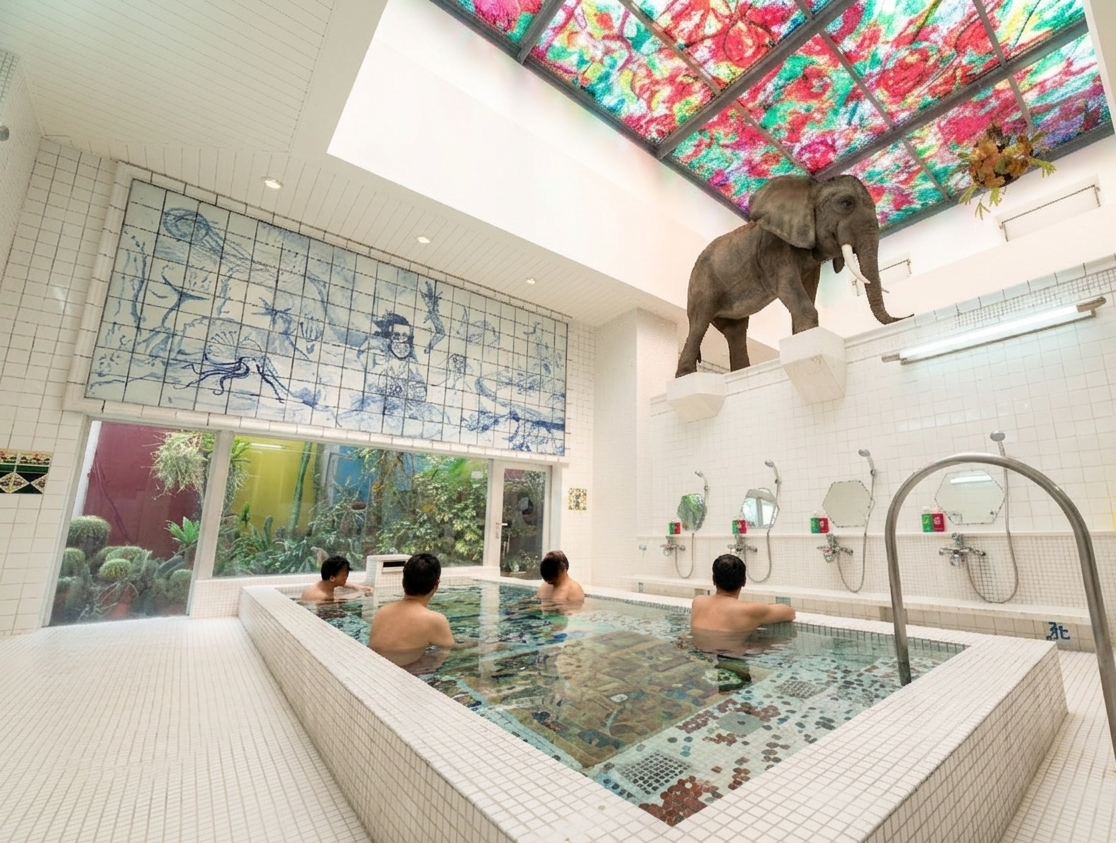
A working public bathhouse on Naoshima Island in Kagawa Prefecture that also operates as a major contemporary art installation. Artist Shinro Ohtake designed every surface as original artwork, covering the space with mosaic tile murals, painted glass ceilings, ceramic fixtures, and a collage-style exterior. An elephant sculpture named Sadako occupies the center of the main hall. The facility is open to local island residents and to international visitors who come to the island for its art.
Highlights
History
The bathhouse opened on July 26, 2009, with artist Shinro Ohtake as its creator under Benesse Art Site Naoshima's program of embedding contemporary art into ordinary community life.
Ohtake gathered objects and materials from locations throughout Japan to produce the distinctive collage aesthetic that runs through the entire building. The elephant sculpture Sadako had previously been on display at a venue in Jozankei, Hokkaido. When that facility closed, Sadako was moved to Naoshima and installed inside the bathhouse by lowering it through the roof by crane.
Local guide
Ferries to Naoshima Island leave from Uno Port on the Okayama coast, and the twenty-minute crossing gives you time to watch the island emerge from the Seto Inland Sea. From a distance, Naoshima looks like a regular small island of the type scattered throughout this stretch of water: forested hills, a few boat sheds, low houses along the shore. Then you pull into Miyanoura Port and the yellow pumpkin sculpture on the jetty, eight hundred kilograms of polka-dotted ceramic by Yayoi Kusama, establishes that something different is happening here. Since the 1990s, the island has been systematically transformed through a collaboration between Benesse Holdings and some of the more restless figures in contemporary art. The result is a place where you cannot be certain whether the old building you are walking past is an abandoned fish warehouse or a gallery, and where the bathhouse in the village center is a fully functioning public bath that doubles as one of the most exuberant art installations in Japan.
Naoshima Bath, which the artist Shinro Ohtake titled I Love Yu with a pun that works in both English and Japanese, opened in 2009. The exterior is a collage of found objects, ship parts, tiles, and painted signage that looks deliberately incomplete. Inside, the changing rooms give way to a bathing hall where every surface has been treated as a canvas. The walls carry large mosaic murals of ama, the traditional female free-divers who work this stretch of coast, rendered in vivid tile against deep blue backgrounds. The ceiling is painted glass in colors that shift the light inside the room depending on the time of day and the weather. At the center of the room, visible from both the men's and women's sides, stands Sadako, a full-scale elephant sculpture.
Sadako was not made for this building. Ohtake had owned the sculpture for years, and when a facility in Jozankei, Hokkaido where it had been displayed closed down, it needed somewhere to go. The solution, lowering a life-size elephant through the bathhouse ceiling by crane, is the kind of decision that only makes sense inside the particular logic of Naoshima. The water itself is ordinary public bath water, not a geothermal spring, heated and circulated in the conventional way. The admission fee is under 700 yen. Tattoos are permitted. Local islanders use it for the same reason anyone uses a neighborhood bathhouse.
That last detail is the point. The island has the Chichu Art Museum, the Lee Ufan Museum, the Benesse House overnight gallery. Those are considered, curated, reverent spaces. I Love Yu is none of those things. It is wet and loud and steam-filled and open to whoever shows up, and Ohtake built it with the stated intention that it should be genuinely used and loved by the people who live here. Soaking in the abalone-diver tiles with Sadako overhead while an elderly local man discusses his fishing gear with the attendant is a specific kind of cultural experience that you do not get in a gallery.
Mineral chemistry
Water character inferred from mineral type — verify on site.
Simple thermal springs have lower dissolved mineral content but are valued for the pure therapeutic effect of heat immersion itself — easing muscle tension and improving circulation. Considered the gentlest introduction to hot spring bathing.
Standard precautions apply: avoid bathing within 30 minutes of eating, keep soaks to 10–15 minutes for first-timers, and hydrate before and after.
Similar springs
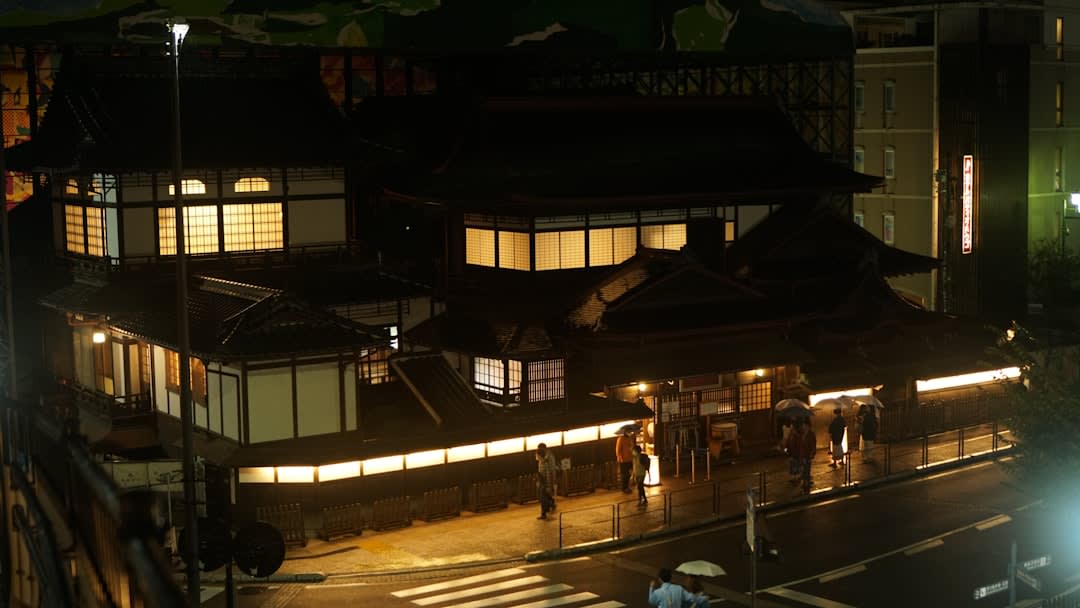
Dogo Onsen ranks among the oldest hot springs in Japan, with written records documenting its use for more than 1,300 years and oral traditions pointing back considerably further. The landmark Dogo Onsen Honkan is a three-storey wooden bathhouse finished in 1894, widely credited as the inspiration for the bathhouse depicted in Studio Ghibli's Spirited Away. The spring water is mildly alkaline and has long been valued for its ability to soften and smooth the skin.

Beppu is the most geothermally active city in Japan, with more than 2,900 hot spring vents located within the city limits and eight distinct thermal spring zones collectively known as the Beppu Hatto. The variety on offer is wide, ranging from grand hotel bathhouses to modest neighborhood public facilities to the celebrated Hells, a collection of brilliantly colored boiling pools scattered across the city. The Hells run far too hot for bathing, but they draw visitors who come to walk among them and take in the spectacle.
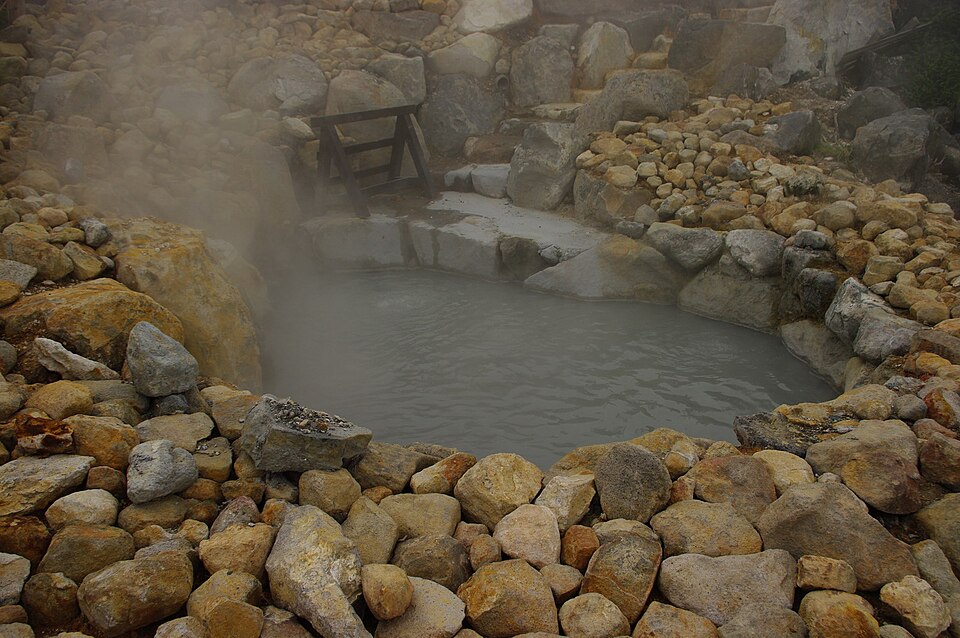
Hakone is a sizable onsen district spread across a caldera, roughly 90 minutes from Tokyo by rail. Seventeen distinct spring sources supply the area's bathhouses, which range from large hotel rotenburo with views of Mt. Fuji and Lake Ashi to small, family-operated facilities tucked along the Old Tokaido road. Because the mineral makeup differs from one source to the next, visiting multiple bathhouses yields a genuinely different soaking experience each time.
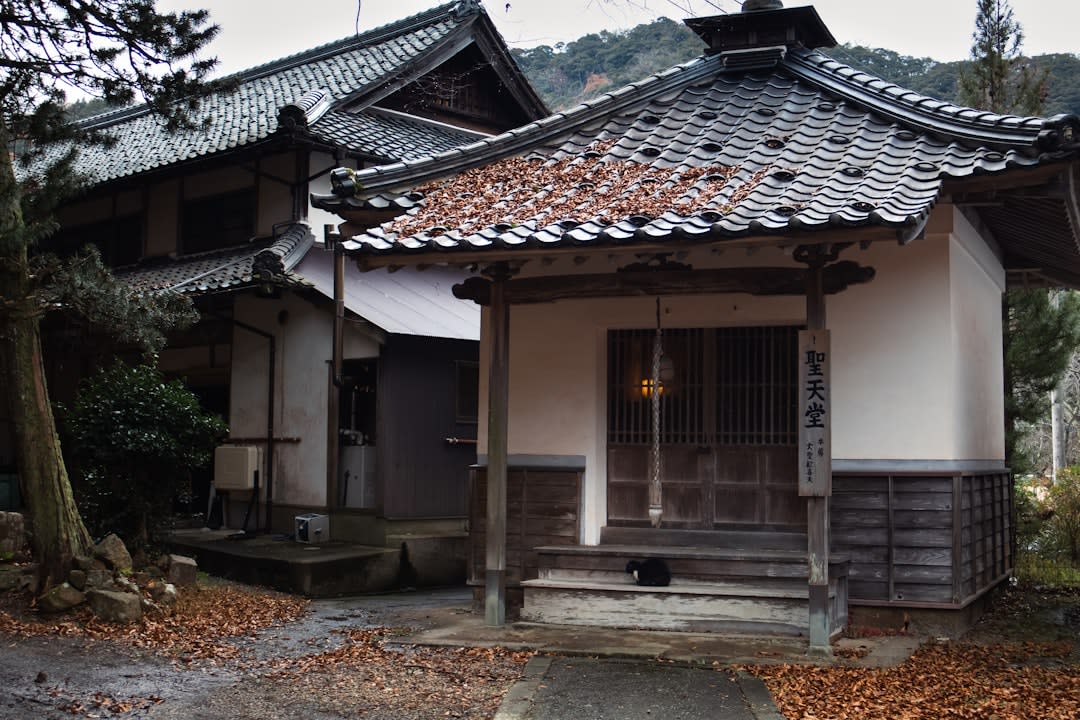
One of Japan's most beloved onsen towns. Visitors put on a yukata and wooden sandals and stroll between seven public bathhouses along a willow-lined canal. The wooden bridges, stone walkways, and traditional inn facades have barely changed in a century. The town is built for wandering.
Amenities
Getting there
Take the JR Seto-Ohashi Line from Okayama to Takamatsu Station, then walk about 10 minutes to Takamatsu Port and take the Shikoku Kisen ferry to Miyanoura Port on Naoshima. The ferry takes about 50 minutes. The bathhouse is a 5-minute walk from the port.
Location & nearby
2252-2, Naoshima, Kagawa District, Kagawa 761-3110
Make a day of it
Pair your soak with these nearby spots.
Attraction
007akaishiseinootokokinenkan
0.1km away
Attraction
Poké Lids (Slowpoke & Magikarp)
0.2km away
Attraction
Inn Mmanho Ru(Naoshima)
0.3km away
Attraction
Red Pumpkin
0.3km away
Attraction
Art Island Center
0.3km away
Attraction
Mitsubishimateriarudai5shiunso
0.4km away
More springs in Shikoku
Dogo Onsen ranks among the oldest hot springs in Japan, with written records documenting its use for more than 1,300 years and oral traditions pointing back considerably further. The landmark Dogo Onsen Honkan is a three-storey wooden bathhouse finished in 1894, widely credited as the inspiration for the bathhouse depicted in Studio Ghibli's Spirited Away. The spring water is mildly alkaline and has long been valued for its ability to soften and smooth the skin.
Common questions
What is the water temperature at Naoshima Onsen?▾
The water temperature at Naoshima Onsen ranges up to 42°C (minimum around 39°C).
Is Naoshima Onsen free to visit?▾
Naoshima Onsen charges an entrance fee in JPY.
Is Naoshima Onsen a public or private bath?▾
Naoshima Onsen is a public bathing spring.
Are tattoos allowed at Naoshima Onsen?▾
Yes, Naoshima Onsen welcomes visitors with tattoos.
What is the nearest station to Naoshima Onsen?▾
The nearest station to Naoshima Onsen is Miyanoura Port, about 0.1km away.