
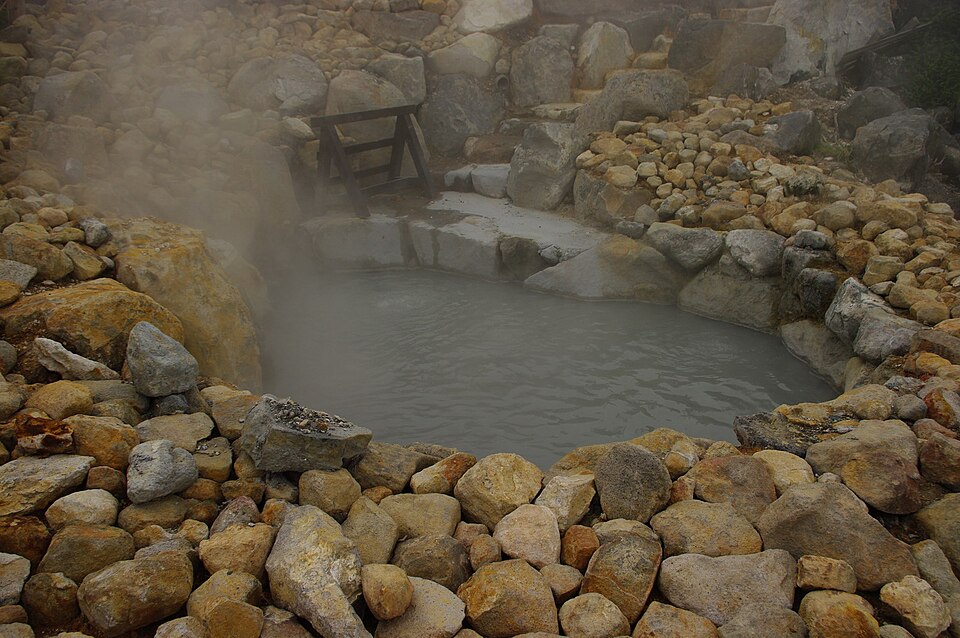
Hakone Onsen
箱根温泉
4.3 · 3200 reviews · via Google
Hakone Onsen
sulfate · Greater Tokyo
Hotter than 75% of Japan springs (n=122).
More acidic than 41% of Japan springs (n=121).
Mineral profile
Bar width reflects listing order, not measured concentration.
Suitability
At a glance
Getting there
Easy — under 1km from a station
Cost
Moderate
Crowd level
Popular
About this spring
Hakone is a sizable onsen district spread across a caldera, roughly 90 minutes from Tokyo by rail. Seventeen distinct spring sources supply the area's bathhouses, which range from large hotel rotenburo with views of Mt. Fuji and Lake Ashi to small, family-operated facilities tucked along the Old Tokaido road. Because the mineral makeup differs from one source to the next, visiting multiple bathhouses yields a genuinely different soaking experience each time.
Highlights
History
The Nihon Shoki, an eighth-century chronicle, contains the earliest written record of Hakone's springs.
The area built up as a waystation on the Tokaido highway connecting Edo and Kyoto, where travelers on that long road stopped to rest and bathe. Foreign diplomats and merchants arrived during the Meiji era and helped shape Hakone into a destination with an international following. That standing has carried through every period since.
Local guide
On the Odakyu Romancecar from Shinjuku, the city dissolves in about forty minutes. By the time the train pulls into Hakone-Yumoto Station, you are already in a narrow river valley with cedar-covered ridges pressing in on both sides and the smell of sulfur faint in the platform air. Hakone-Yumoto is Hakone's oldest and largest hot spring town, sitting at the valley entrance where the Hayakawa River flows fast and cold between the inn buildings. From here, the caldera spreads out across seventeen distinct spring zones, each one drawing from a different source with a different chemistry and a different character.
The geological range here is unusual. Simple thermal springs, sulfate springs, and chloride springs all occur within the same caldera, meaning two bathhouses a kilometer apart can feel completely different in the water. The sulfate baths have a faint mineral edge and leave a slight film on skin. The chloride springs carry more salt and hold heat longer. The simple thermal baths, clear and odorless, tend to run hotter. Across all of them, the water is soft by Japanese standards, without the sharp acidity you encounter in the volcanic springs at nearby Owakudani where sulfur clouds drift continuously above the landscape.
For views, the facilities around Lake Ashi and the slopes above Sengokuhara come into their own. On a clear morning, the cone of Mount Fuji rises directly above the lake's north shore, visible from outdoor rotenburo that are positioned specifically to frame it. The clarity needed for that view is not guaranteed, and experienced visitors know that Hakone keeps its Fuji views seasonal. In autumn and early winter, before the cloud cover builds, the mountain appears sharp and white above the pine treeline with a frequency that feels almost planned.
Hakone handles an enormous number of visitors, but the scale of the caldera absorbs the crowds in a way that a small canyon town cannot. The Old Tokaido road running from Hakone-machi south to Moto-Hakone passes stone-paved sections that samurai and merchants walked for centuries, and smaller bathhouses along this route tend to be quiet even in peak season. A day trip from Tokyo using the Hakone Freepass covers the Romancecar, the Hakone Tozan Railway, the ropeway over Owakudani, and the Lake Ashi ferry, which means you can move through the whole caldera in one long day, taking a bath somewhere in the middle of it.
Mineral chemistry
Water character inferred from mineral type — verify on site.
Sulfate springs contain dissolved calcium, sodium, or magnesium sulfate. Calcium sulfate springs are traditionally associated with wound healing and post-surgical recovery.
Sodium sulfate springs can have a mild laxative effect in sensitive individuals — stay well hydrated.
Simple thermal springs have lower dissolved mineral content but are valued for the pure therapeutic effect of heat immersion itself — easing muscle tension and improving circulation. Considered the gentlest introduction to hot spring bathing.
Standard precautions apply: avoid bathing within 30 minutes of eating, keep soaks to 10–15 minutes for first-timers, and hydrate before and after.
Sodium chloride springs, essentially natural saltwater baths, are celebrated for their warming and moisturising effects. The salt forms a thin film on the skin that slows moisture evaporation, keeping skin hydrated longer than a freshwater bath.
Those with high blood pressure or heart conditions should consult a doctor before bathing, as the warming effect increases circulation. Avoid immersing open wounds.
Similar springs
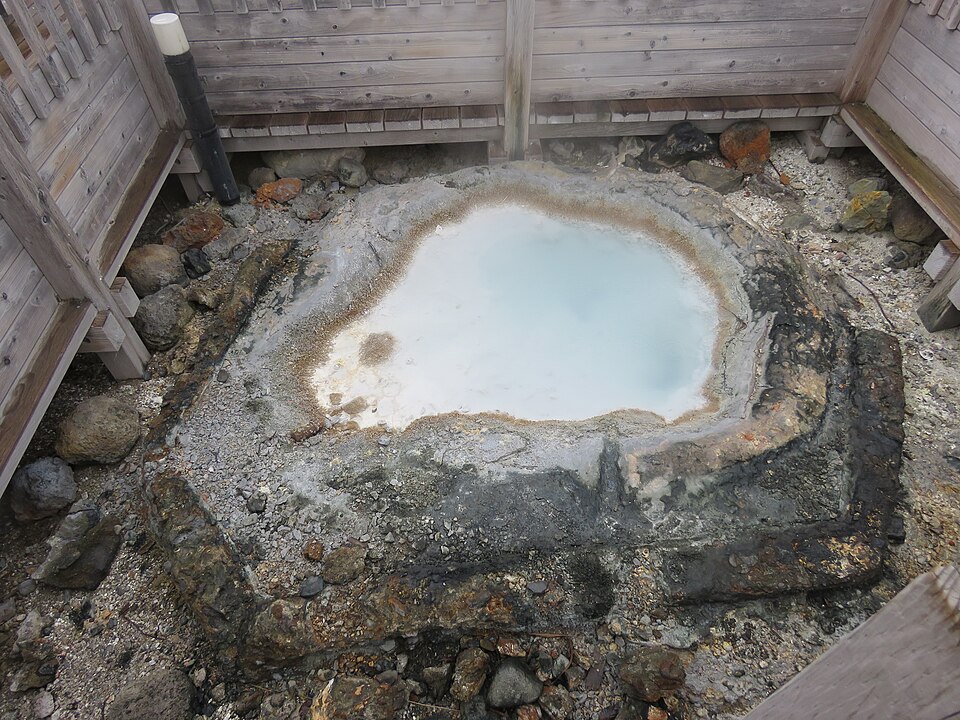 FREE
FREEThe valley occupies the center of Noboribetsu Onsen in Hokkaido. Jigokudani translates as Hell Valley. The crater covers 11 hectares and releases roughly 10,000 tonnes of hot spring water each day. Fumaroles vent steam across the floor of the valley, boiling pools bubble at the surface, and the surrounding cliffs carry heavy mineral staining. A walking path winds through the area in about 20 minutes and is open to all visitors at no cost. It ranks among the most striking landscapes accessible on foot anywhere in Japan.
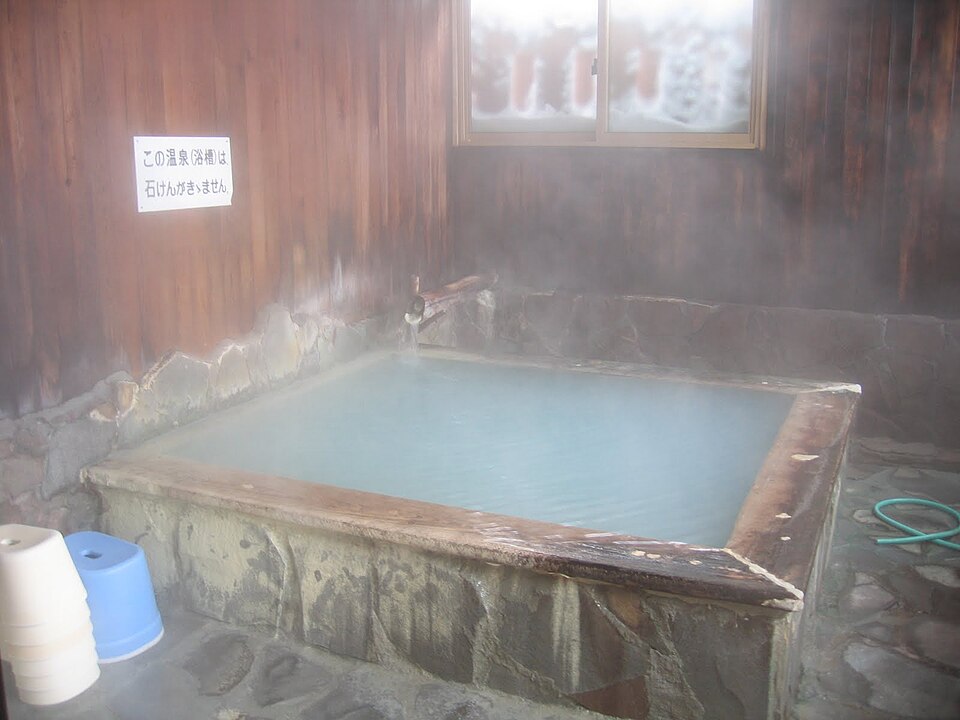
Set deep in the Hakkoda Mountains of Aomori Prefecture, Sukayu Onsen is a historic bathhouse best known for its cavernous mixed-bathing hall, the Sen-nin-buro, which translates as the Bath of a Thousand Bathers. The waters are strongly acidic, the setting is rustic and unhurried, and winter brings extraordinary snowfall to the surrounding mountains.
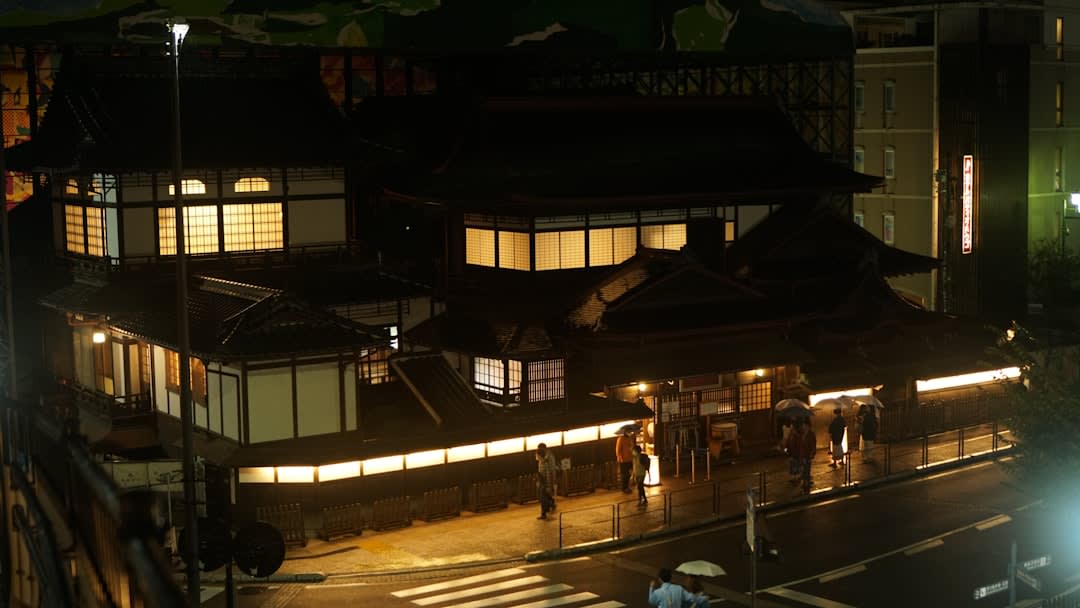
Dogo Onsen ranks among the oldest hot springs in Japan, with written records documenting its use for more than 1,300 years and oral traditions pointing back considerably further. The landmark Dogo Onsen Honkan is a three-storey wooden bathhouse finished in 1894, widely credited as the inspiration for the bathhouse depicted in Studio Ghibli's Spirited Away. The spring water is mildly alkaline and has long been valued for its ability to soften and smooth the skin.
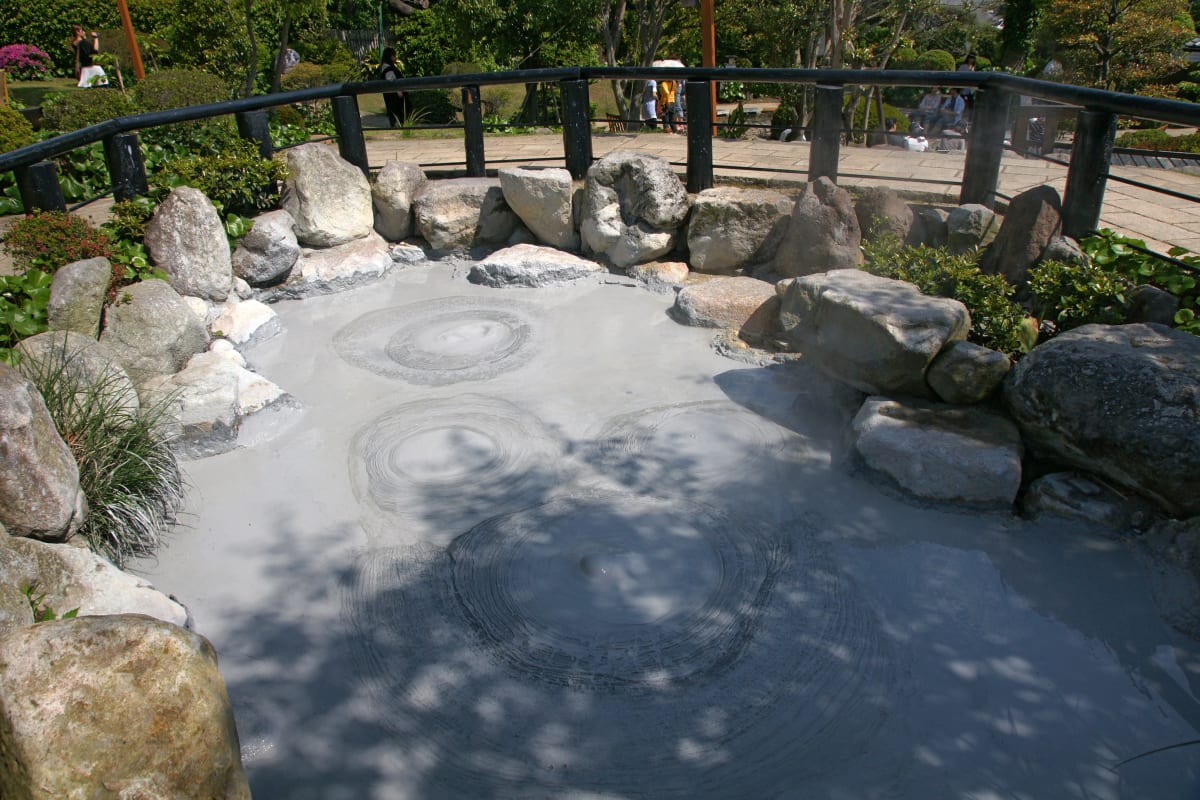
Beppu is the most geothermally active city in Japan, with more than 2,900 hot spring vents located within the city limits and eight distinct thermal spring zones collectively known as the Beppu Hatto. The variety on offer is wide, ranging from grand hotel bathhouses to modest neighborhood public facilities to the celebrated Hells, a collection of brilliantly colored boiling pools scattered across the city. The Hells run far too hot for bathing, but they draw visitors who come to walk among them and take in the spectacle.
Amenities
Getting there
From Tokyo: Odakyu Romancecar
Gateway: Hakone-Yumoto (85 min)
Walk or local bus to bathhouse
Total journey: 95 min
From Shinjuku, take the Odakyu Romancecar to Hakone-Yumoto Station. The journey takes about 85 minutes. From there, walk or take a local bus to your chosen bathhouse area.
Location & nearby
Hakone-machi, Ashigarashimo-gun, Kanagawa 250-0521
Make a day of it
Pair your soak with these nearby spots.
Attraction
Hakonecho Ritsukyo Doshi Ryokan
0.1km away
Attraction
Hakonenanohanatenjishitsu
0.2km away
Park
Hotaru Park
0.3km away
Attraction
Kono Jido Sannohaka
0.4km away
Attraction
Hayakawa
0.4km away
Attraction
Izumi
0.7km away
More springs in Greater Tokyo
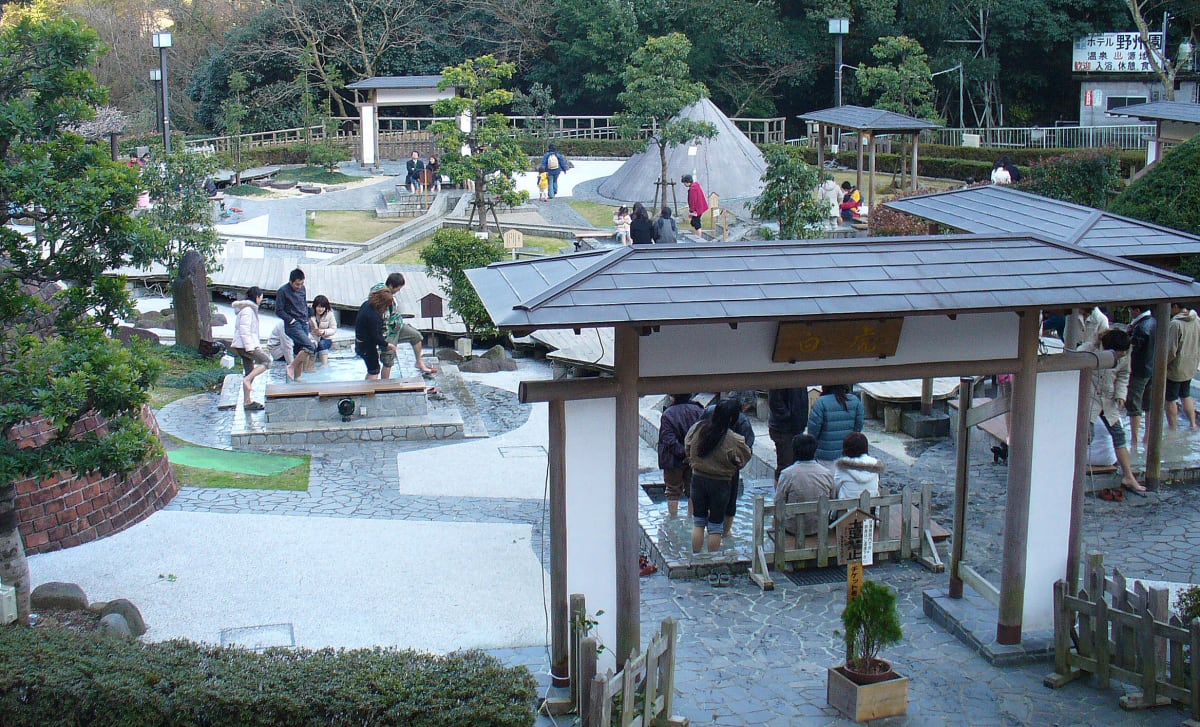
Yugawara Onsen sits along a river in Kanagawa Prefecture, caught between mountain slopes and the nearby coast. The waters are clear and mild, with a gentle quality that makes them suitable for children and older visitors alike. Most of the ryokan in town open their baths to day visitors, and the overall tempo here is unhurried and low-key.
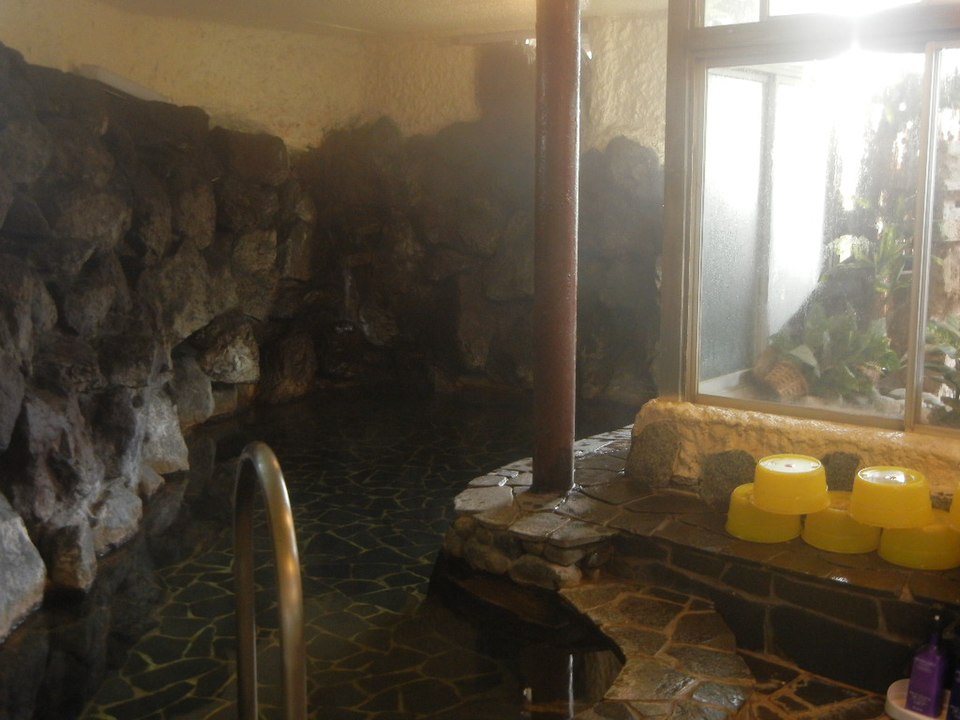
Iiyama Onsen sits in northern Nagano Prefecture near the Nozawa Onsen highlands and produces water with a pH of 11.3, placing it among the most alkaline natural hot springs anywhere in Japan. The soft, high-alkaline water has long been sought out as a beauty spring, widely praised for the way it smooths and softens the skin. The Hokuriku Shinkansen now stops at Iiyama Station, cutting travel time from Tokyo considerably.
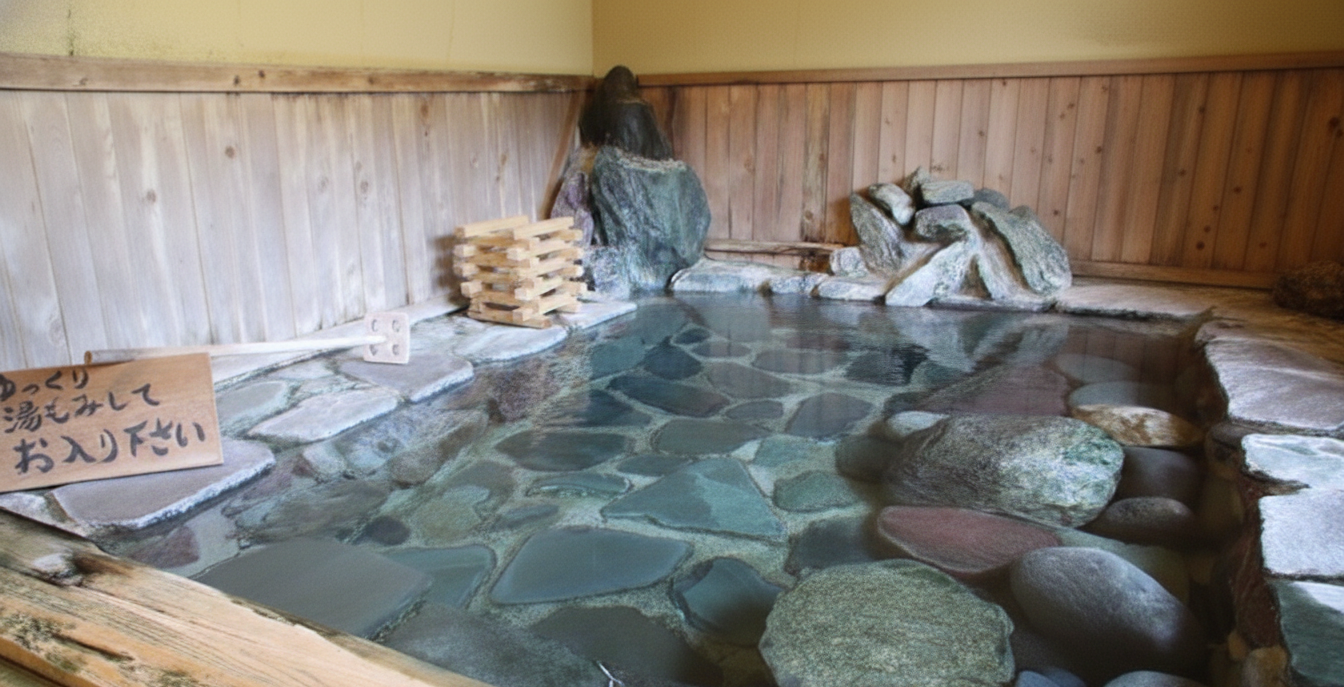
Tokigawa Onsen sits in Hiki District, Saitama Prefecture, roughly 90 minutes from central Tokyo. The water rises from Chichibu Paleozoic strata at a depth of 1,700 meters and registers pH 10, placing it firmly in the highly alkaline range. Bathers consistently note the silky feel it leaves on the skin. The facility has held onto its Showa-era bathhouse character rather than updating it.
Common questions
What is the water temperature at Hakone Onsen?▾
The water temperature at Hakone Onsen ranges up to 82°C (minimum around 40°C).
Is Hakone Onsen free to visit?▾
Hakone Onsen charges an entrance fee in JPY.
Is Hakone Onsen a public or private bath?▾
Hakone Onsen is a public bathing spring.
Are tattoos allowed at Hakone Onsen?▾
Tattoo policy varies at Hakone Onsen. Check ahead of your visit.