
Unazuki Onsen
宇奈月温泉
Unazuki Onsen
simple · Chubu
Hotter than 93% of Japan springs (n=122).
More acidic than 78% of Japan springs (n=121).
Mineral profile
Bar width reflects listing order, not measured concentration.
Suitability
At a glance
Getting there
Easy — under 1km from a station
Cost
Moderate
About this spring
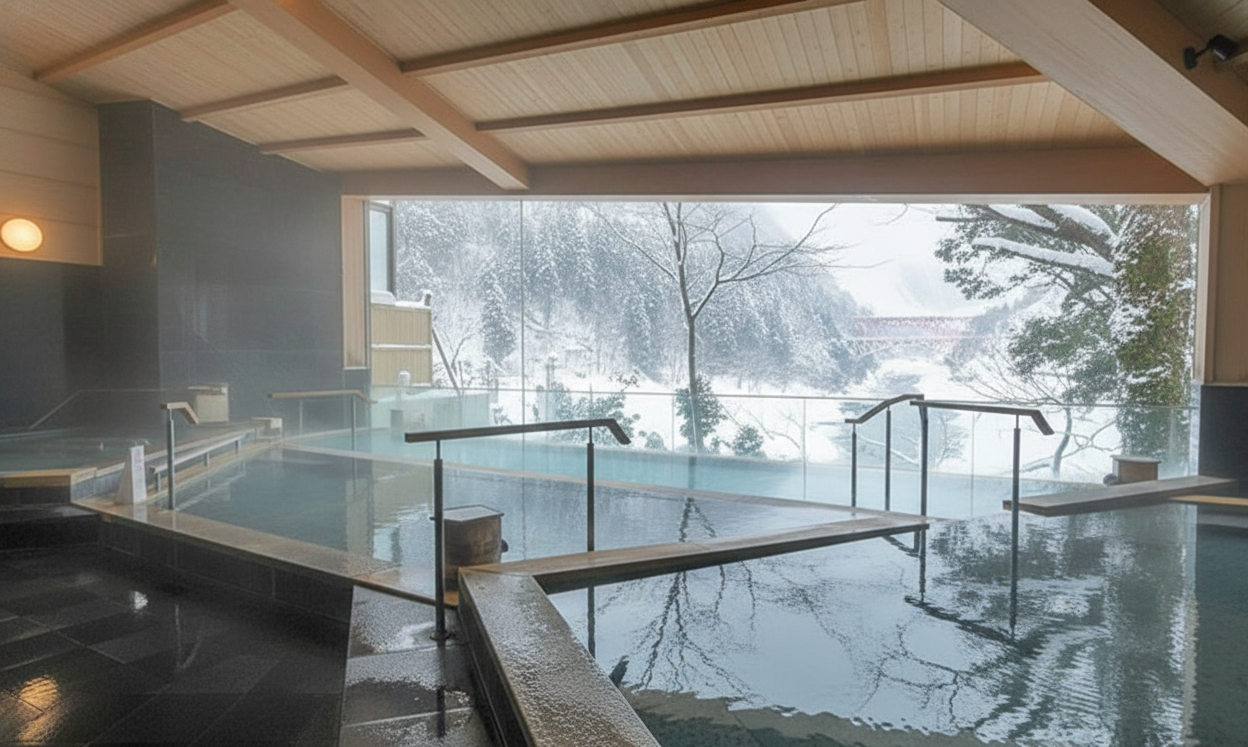
Unazuki Onsen sits at the gateway to Kurobe Gorge in Toyama Prefecture, a resort town known for its thickly wooded canyon and the narrow-gauge Kurobe Gorge Railway that runs through it. The thermal water serving Unazuki is piped in from Kuronagi Onsen through a 7-kilometer pipeline, an arrangement that stands out even among Japan's many onsen supply systems.
Highlights
History
The resort dates to 1923, in the Taisho period, when it was developed alongside the Kurobe hydroelectric project to house and rest the workers building that infrastructure.
Its mountain setting drew poets and writers who came for the gorge scenery. The Unazuki International Center eventually opened the Selene Museum of Art, which displays works by Japanese artists who drew inspiration from the gorge and its landscape. In 1956, the opening of Unazuki Onsen Ski Resort brought the town a new source of visitors through the winter season.
Local guide
From Toyama Station you take the Ainokaze Toyama Railway east along the coast until Uozu, then change to the Toyama Chiho Railway for Unazukionsen Station, the end of the line and the beginning of the Kurobe Gorge. The gorge starts right at the edge of town. You can stand at the riverbank and look straight into a narrow V-cut of dark rock where the Kurobe River runs fast and green below. The mountains rise almost vertically on both sides, and somewhere up in that slot is one of Japan's most challenging dam construction sites. Unazuki Onsen was built in 1923 precisely because of that dam project, sited here as a rest point for the workers who needed somewhere warm to stay.
The spring water was piped seven kilometers downstream from the Kuronagi Onsen source up in the gorge, a remarkable feat for 1923, and the same pipeline still supplies the town today. The water is a simple alkaline type, colorless and almost entirely odorless, with a pH of around 8.15. At source temperature it runs between 92 and 98 degrees Celsius, hotter than most springs in Japan, so every bathhouse blends it down before it reaches you. In the bath it feels smooth, softening on the skin without the heavy mineral density of more chemically complex springs. It is a clean, uncomplicated soak that suits the working-town character of the place.
The Kurobe Gorge Torokko Railway runs from Unazuki Station into the gorge on a narrow-gauge track originally built for dam construction. The open-sided carriages move slowly along cliff ledges above the turquoise river, through tunnels and over bridges, for twenty kilometers into the mountains. It is one of the few ways to experience the interior of a major Japanese gorge without serious hiking, and the combination of the train ride and the onsen on return makes Unazuki into a full day that earns itself completely.
The town has a pleasant low-key resort energy without being overdone. A footbath sits in the station plaza where you can soak while waiting for your train. The ryokan along the riverside offer outdoor baths with gorge views, and in autumn the maple and beech forest on the canyon walls turns the whole landscape orange and red above the blue water.
Mineral chemistry
Water character inferred from mineral type — verify on site.
Simple thermal springs have lower dissolved mineral content but are valued for the pure therapeutic effect of heat immersion itself — easing muscle tension and improving circulation. Considered the gentlest introduction to hot spring bathing.
Standard precautions apply: avoid bathing within 30 minutes of eating, keep soaks to 10–15 minutes for first-timers, and hydrate before and after.
Similar springs
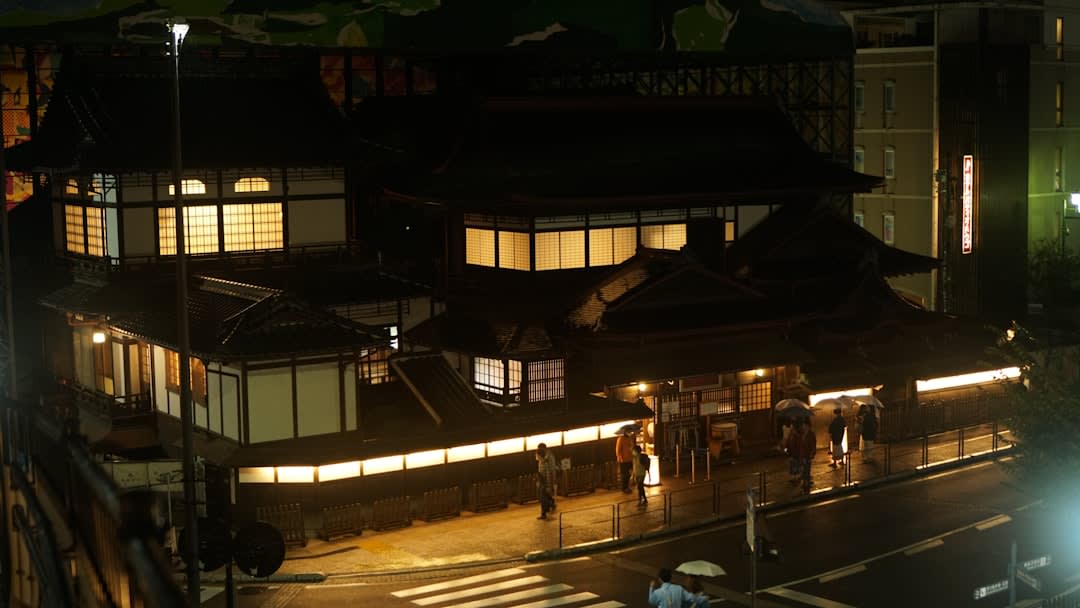
Dogo Onsen ranks among the oldest hot springs in Japan, with written records documenting its use for more than 1,300 years and oral traditions pointing back considerably further. The landmark Dogo Onsen Honkan is a three-storey wooden bathhouse finished in 1894, widely credited as the inspiration for the bathhouse depicted in Studio Ghibli's Spirited Away. The spring water is mildly alkaline and has long been valued for its ability to soften and smooth the skin.

Beppu is the most geothermally active city in Japan, with more than 2,900 hot spring vents located within the city limits and eight distinct thermal spring zones collectively known as the Beppu Hatto. The variety on offer is wide, ranging from grand hotel bathhouses to modest neighborhood public facilities to the celebrated Hells, a collection of brilliantly colored boiling pools scattered across the city. The Hells run far too hot for bathing, but they draw visitors who come to walk among them and take in the spectacle.
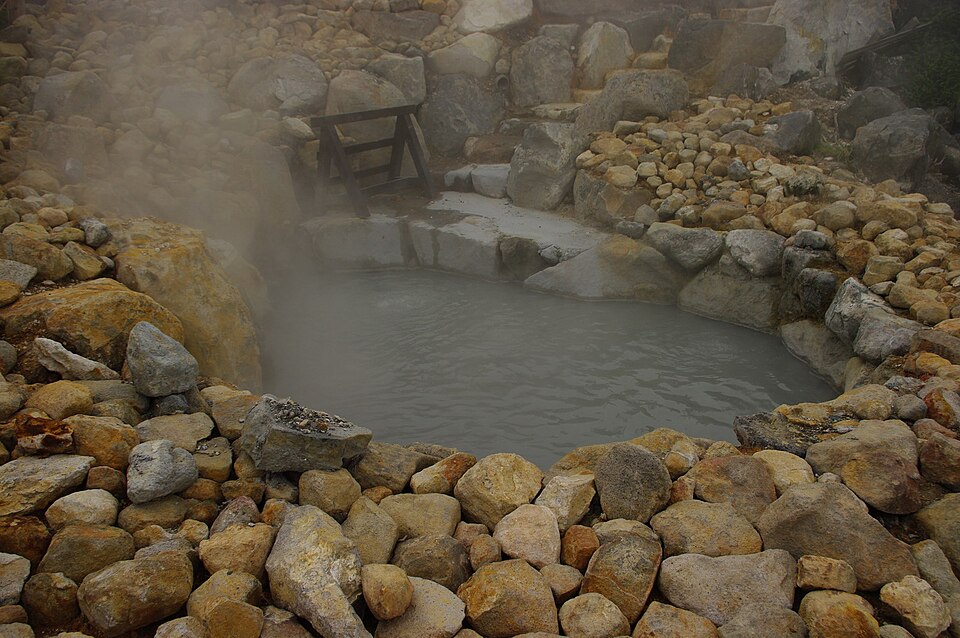
Hakone is a sizable onsen district spread across a caldera, roughly 90 minutes from Tokyo by rail. Seventeen distinct spring sources supply the area's bathhouses, which range from large hotel rotenburo with views of Mt. Fuji and Lake Ashi to small, family-operated facilities tucked along the Old Tokaido road. Because the mineral makeup differs from one source to the next, visiting multiple bathhouses yields a genuinely different soaking experience each time.
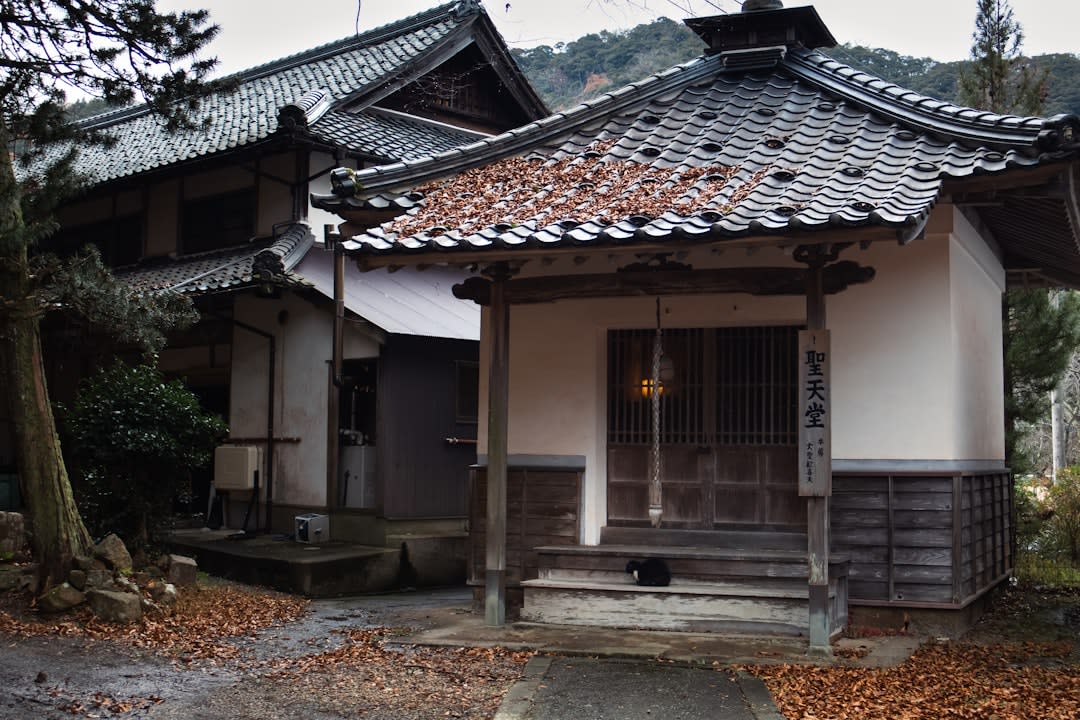
One of Japan's most beloved onsen towns. Visitors put on a yukata and wooden sandals and stroll between seven public bathhouses along a willow-lined canal. The wooden bridges, stone walkways, and traditional inn facades have barely changed in a century. The town is built for wandering.
Amenities
Getting there
Take the Hokuriku Shinkansen to Toyama Station, then transfer to the Ainokaze Toyama Railway to Uozu, and then the Toyama Chiho Railway to Unazuki Onsen Station. The journey from Toyama takes about 1 hour and 20 minutes.
Location & nearby
Unazuki Onsen, Kurobe, Toyama
Make a day of it
Pair your soak with these nearby spots.
Attraction
Yumedokorounazuki
0.0km away
Attraction
Ippuku
0.0km away
Attraction
SPAmarasoninunazuki
0.1km away
Attraction
黑Bu峽TanitetsudōUnazuki溫Izumi
0.2km away
Attraction
Ashiyu Omokage
0.2km away
Attraction
Ekinoashiyu Kuronagi
0.2km away
More springs in Chubu
 FREE
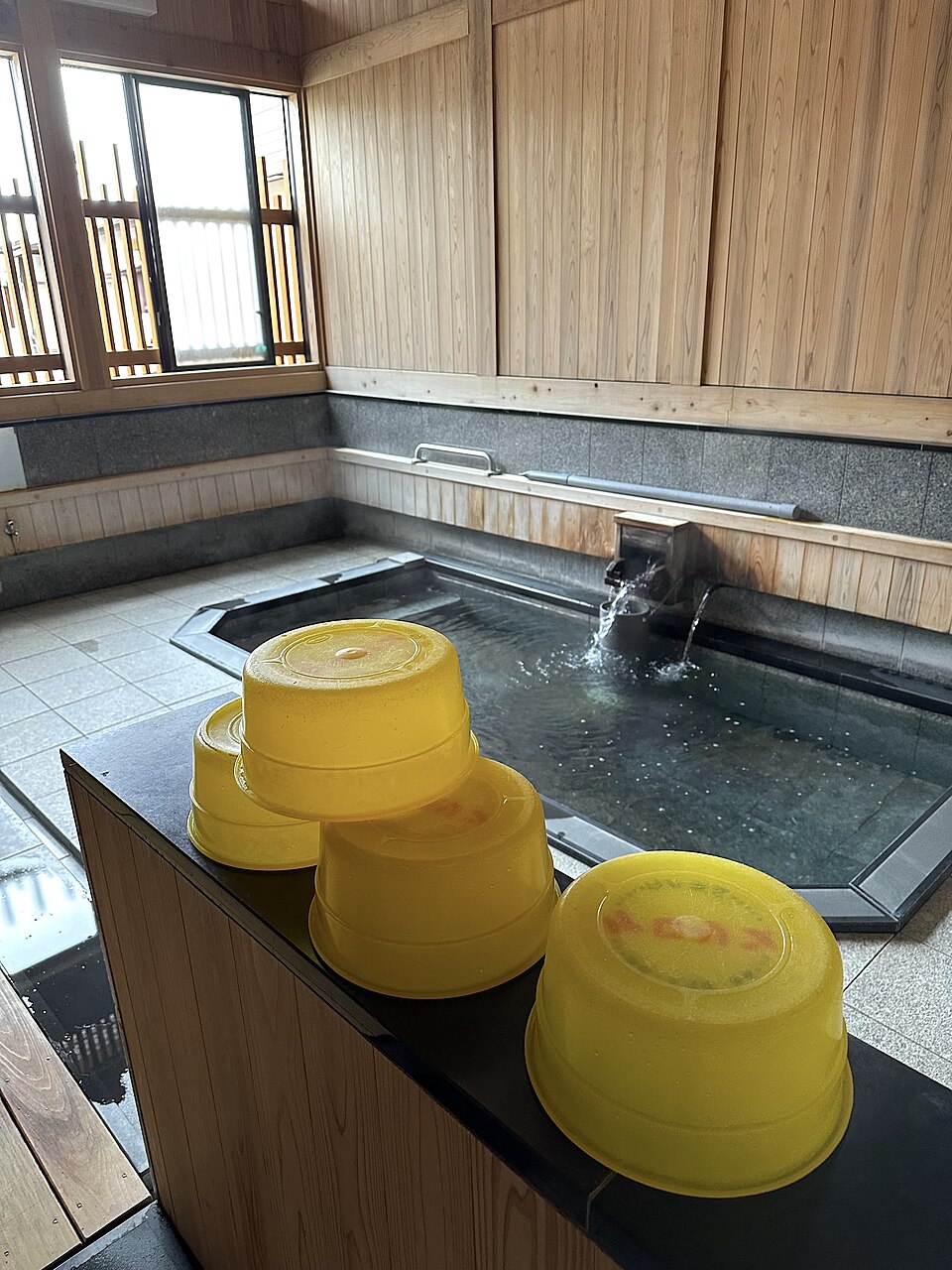
FREENozawa Onsen is a traditional village in Nagano Prefecture that maintains 13 free public bathhouses open to visitors and residents alike. These bathhouses, known as soto-yu, have been overseen by neighborhood cooperatives called yunakama for close to four centuries. The village also contains world-class ski slopes, a pairing that is genuinely uncommon anywhere in the world.
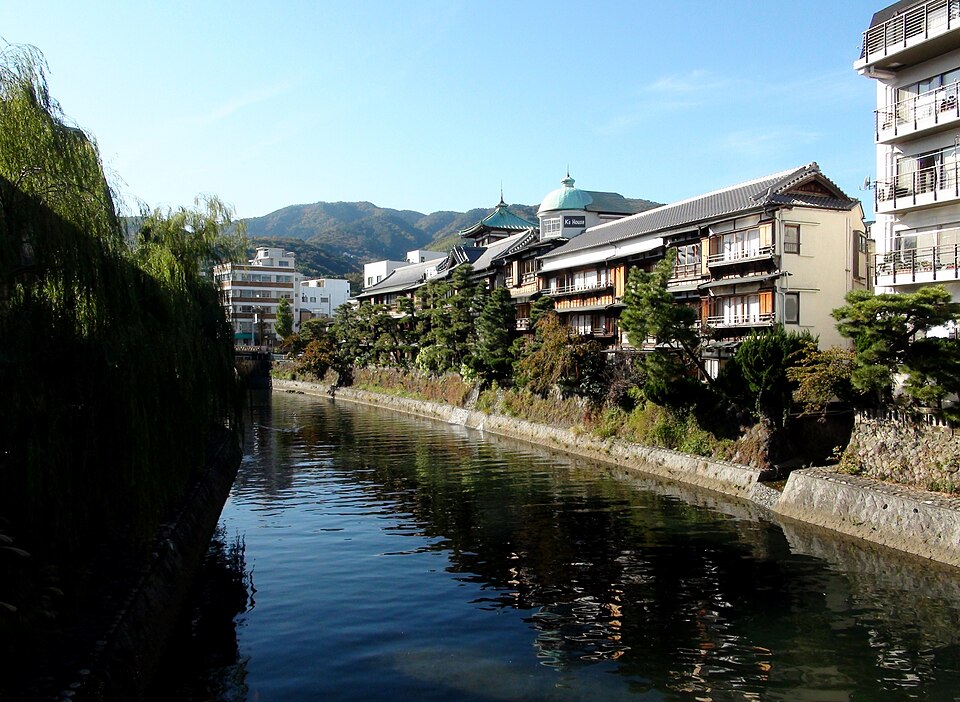
Ito sits along the eastern shore of the Izu Peninsula, facing the ocean and ranking among Japan's most productive hot spring districts by volume. More than 1,500 individual springs feed the town's supply, together pushing out around 30,000 kiloliters of water each day. Palm-lined avenues, tropical parks, and botanical gardens set the tone here, giving Ito a resort atmosphere that reads as distinctly its own compared to inland onsen destinations.
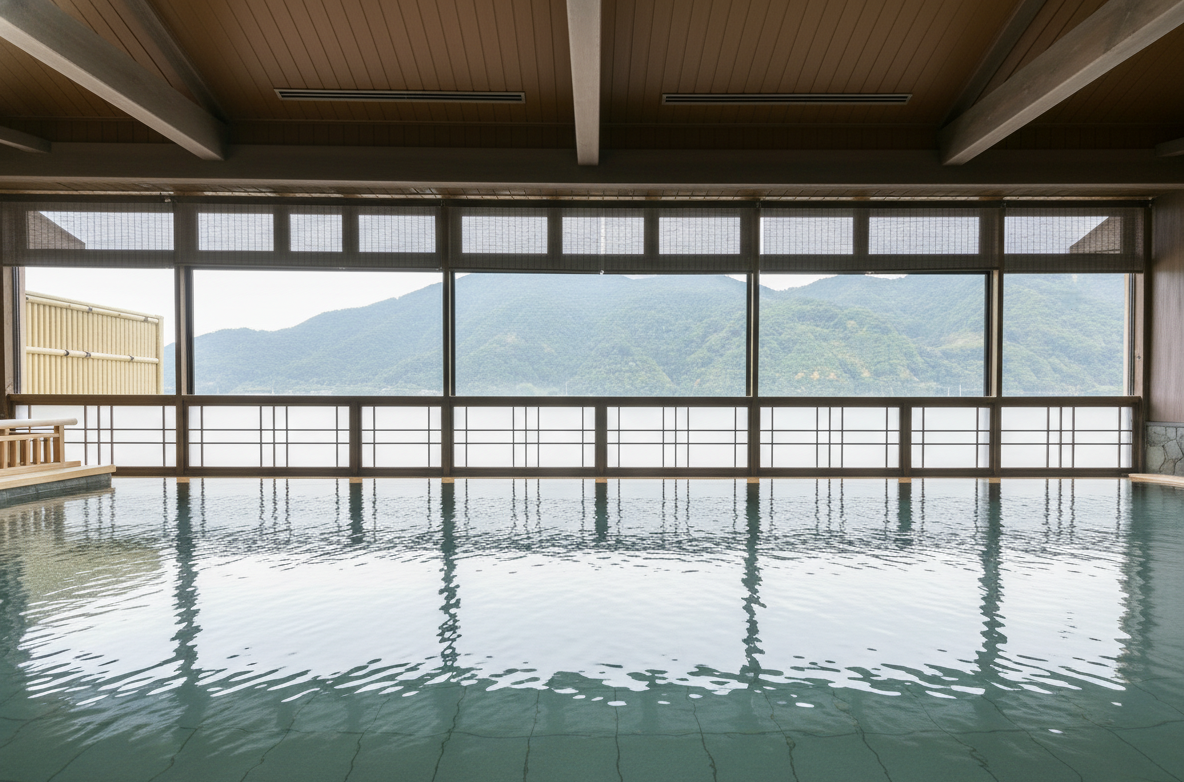
A mountain town in Niigata Prefecture famous for heavy snowfall and a unique sake-infused bath. After a day on the ski slopes, visitors soak in outdoor baths while snow falls silently around them. The town is also the setting of one of Japan's greatest novels.
Common questions
What is the water temperature at Unazuki Onsen?▾
The water temperature at Unazuki Onsen ranges up to 98°C (minimum around 92°C).
Is Unazuki Onsen free to visit?▾
Unazuki Onsen charges an entrance fee in JPY.
Is Unazuki Onsen a public or private bath?▾
Unazuki Onsen is a public bathing spring.
Are tattoos allowed at Unazuki Onsen?▾
No, Unazuki Onsen does not permit visible tattoos.
What is the nearest station to Unazuki Onsen?▾
The nearest station to Unazuki Onsen is Unazukionsen Station, about 0.1km away.