
Yugawara Onsen
湯河原温泉
4.1 · 1800 reviews · via Google
Yugawara Onsen
simple-thermal · Greater Tokyo
Hotter than 57% of Japan springs (n=122).
More acidic than 56% of Japan springs (n=121).
Mineral profile
Bar width reflects listing order, not measured concentration.
Suitability
At a glance
Getting there
Easy — under 1km from a station
Cost
High
Crowd level
Moderate
About this spring
Yugawara Onsen sits along a river in Kanagawa Prefecture, caught between mountain slopes and the nearby coast. The waters are clear and mild, with a gentle quality that makes them suitable for children and older visitors alike. Most of the ryokan in town open their baths to day visitors, and the overall tempo here is unhurried and low-key.
Highlights
History
The springs at Yugawara are mentioned in the Man'yoshu, Japan's oldest poetry anthology, which was compiled around 759 AD.
This makes Yugawara the only hot spring in eastern Japan to have been celebrated in that collection of more than 4,500 poems. During the Edo period, formal assessments of hot springs placed Yugawara among the three finest in eastern Japan. When the Meiji government needed recuperation sites for soldiers wounded in the Sino-Japanese and Russo-Japanese wars, it designated Yugawara for that purpose. Writers came in numbers during the Taisho era, among them Ryunosuke Akutagawa and Junichiro Tanizaki, both of whom worked here. The Manyo Park promenade now has about thirty stone monuments inscribed with poems. Citrus groves and paths along the river preserve something of the quiet, reflective mood that drew those writers to the town.
Local guide
Yugawara Station sits at the end of a forty-minute local train ride from Odawara, at the precise point where the Kanagawa coast bends into the mountains. Step off the platform and the salt air from Sagami Bay mixes immediately with the cooler damp smell of cedar coming down from the hills. The town is narrow and steep, squeezed between the Fujiki River and the slopes above it, and the ryokan buildings climb the hillside in tight clusters. It has always attracted people looking for somewhere quiet and a little forgotten. Since the Meiji era, writers have been coming here, including Natsume Soseki and Ryunosuke Akutagawa. The water from Yugawara's springs appears in the Manyoshu, Japan's oldest poetry anthology, making it one of the most historically documented onsen in the country.
The springs are classified as simple thermal and sulfate, with water that runs colorless and odorless straight from the source. The temperature holds between 38 and 65 degrees Celsius depending on which bath you are using, and the pH sits at a mild 7.5. What makes the water distinct is not drama but consistency. It is a gentle, neutral soak that puts almost no chemical demand on your skin. After bathing, you notice the softness before you notice anything else. The water has a slight, almost imperceptible silkiness, and older locals claim the sulfate content is why Yugawara has always been popular with people nursing tired joints and sore muscles after long mountain walks.
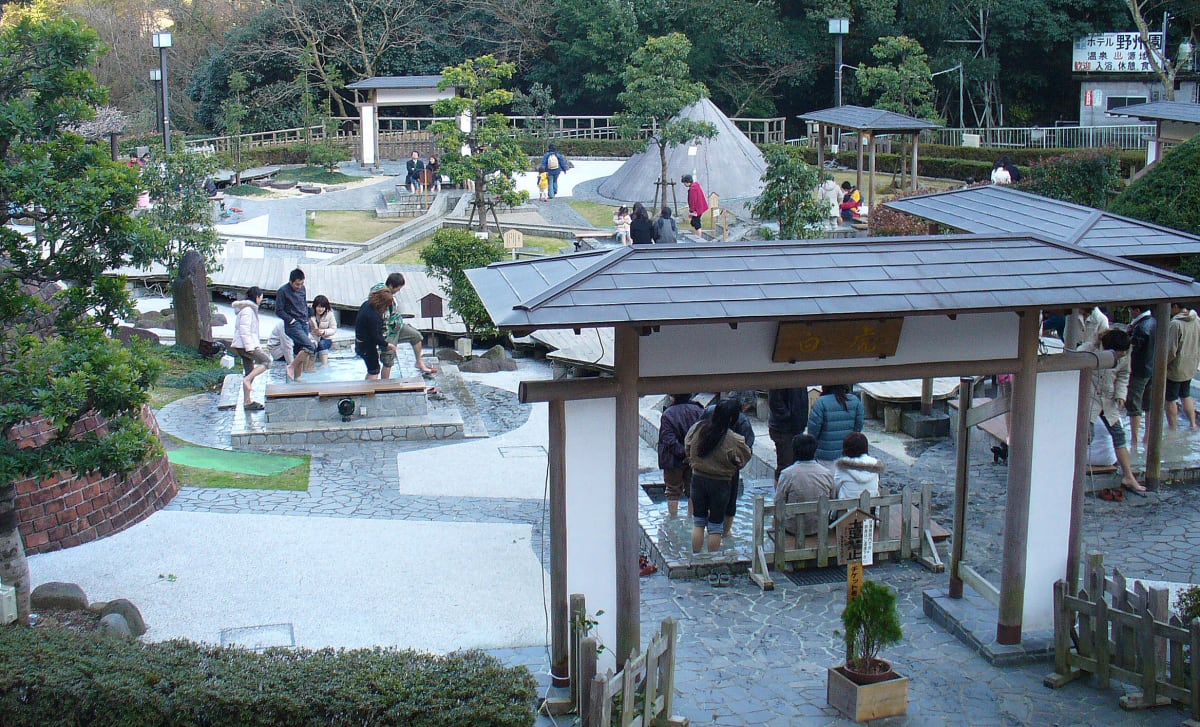
Manyo Park, up the hill from the main hot spring strip, is one of those places that rewards going on a grey weekday when nobody else is there. The park was named for the Manyoshu poem about these waters and has outdoor footbaths scattered along its stone paths. You can soak your feet in a small open channel of hot spring water while looking down at the river gorge below. A fifteen-minute walk further up the same trail brings you to Fudo-no-taki, a slim 15-meter waterfall dropping into a dark mossy pool with a small Fudo Myoo shrine built directly into the rock face beside it. The contrast between the cold, shadowed rock and the steam rising from the footbath back down the hill captures something essential about this town.
Yugawara is not a showpiece. The shopping street is modest, the signage is old, and several of the wooden inns look like they have not been repainted since the Showa era. That is not a complaint. The ryokan here are mostly small, family-run places that open their baths to day visitors without any ceremony. You walk in, pay a few hundred yen, hang your clothes on a wooden peg, and lower yourself into water that has been flowing out of this particular piece of hillside for over a thousand years. The Fujiki River runs below you, and in spring the orange trees on the slopes above are loud with fruit. It is a practical, unhurried place, and it earns its reputation quietly.
Mineral chemistry
Water character inferred from mineral type — verify on site.
Simple thermal springs have lower dissolved mineral content but are valued for the pure therapeutic effect of heat immersion itself — easing muscle tension and improving circulation. Considered the gentlest introduction to hot spring bathing.
Standard precautions apply: avoid bathing within 30 minutes of eating, keep soaks to 10–15 minutes for first-timers, and hydrate before and after.
Sulfate springs contain dissolved calcium, sodium, or magnesium sulfate. Calcium sulfate springs are traditionally associated with wound healing and post-surgical recovery.
Sodium sulfate springs can have a mild laxative effect in sensitive individuals — stay well hydrated.
Similar springs

Set deep in the Hakkoda Mountains of Aomori Prefecture, Sukayu Onsen is a historic bathhouse best known for its cavernous mixed-bathing hall, the Sen-nin-buro, which translates as the Bath of a Thousand Bathers. The waters are strongly acidic, the setting is rustic and unhurried, and winter brings extraordinary snowfall to the surrounding mountains.
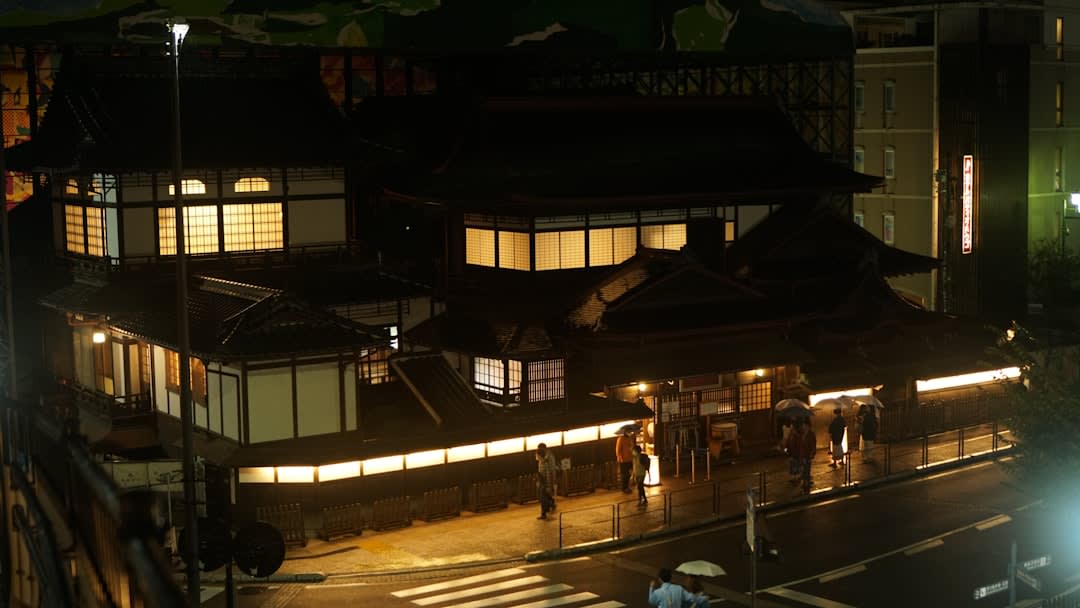
Dogo Onsen ranks among the oldest hot springs in Japan, with written records documenting its use for more than 1,300 years and oral traditions pointing back considerably further. The landmark Dogo Onsen Honkan is a three-storey wooden bathhouse finished in 1894, widely credited as the inspiration for the bathhouse depicted in Studio Ghibli's Spirited Away. The spring water is mildly alkaline and has long been valued for its ability to soften and smooth the skin.

Beppu is the most geothermally active city in Japan, with more than 2,900 hot spring vents located within the city limits and eight distinct thermal spring zones collectively known as the Beppu Hatto. The variety on offer is wide, ranging from grand hotel bathhouses to modest neighborhood public facilities to the celebrated Hells, a collection of brilliantly colored boiling pools scattered across the city. The Hells run far too hot for bathing, but they draw visitors who come to walk among them and take in the spectacle.
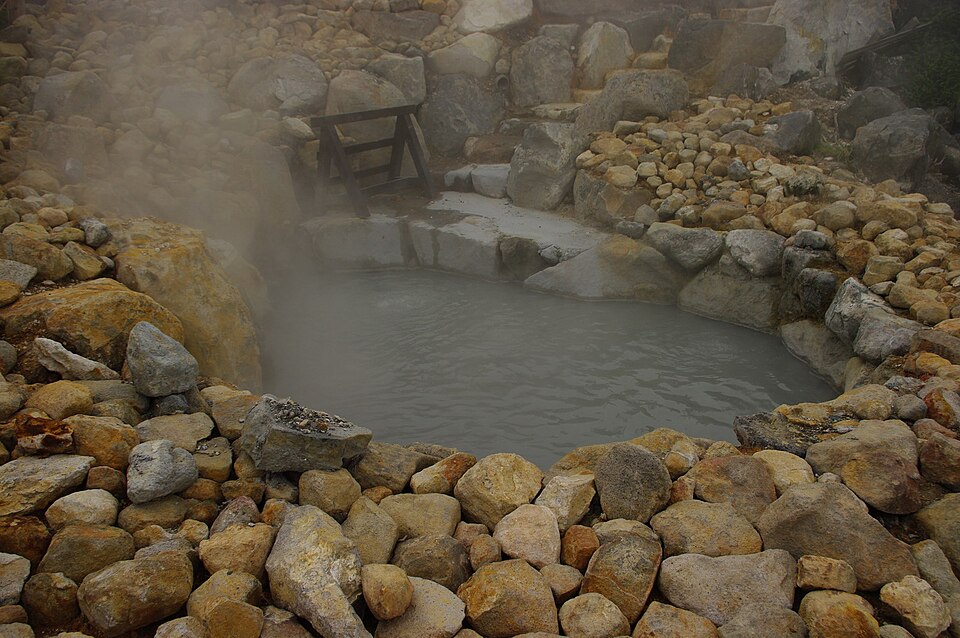
Hakone is a sizable onsen district spread across a caldera, roughly 90 minutes from Tokyo by rail. Seventeen distinct spring sources supply the area's bathhouses, which range from large hotel rotenburo with views of Mt. Fuji and Lake Ashi to small, family-operated facilities tucked along the Old Tokaido road. Because the mineral makeup differs from one source to the next, visiting multiple bathhouses yields a genuinely different soaking experience each time.
Amenities
Getting there
From Tokyo: JR Tokaido Line
Gateway: Yugawara (90 min)
Walk or ryokan shuttle
Total journey: 100 min
Take the JR Tokaido Line from Tokyo to Yugawara Station. The journey takes about 90 minutes. Most ryokan are within walking distance of the station or offer a shuttle service.
Location & nearby
Yugawara-machi, Ashigarashimo-gun, Kanagawa 259-0314
Make a day of it
Pair your soak with these nearby spots.
Attraction
Cho Ritsuyugawara Art Museum
0.1km away
Attraction
Yuraku
0.2km away
Attraction
Mamanenoyu
0.2km away
Attraction
Onsen Guesthouse Biyuko
0.2km away
Attraction
Purinsuhaimuyugawara
0.4km away
Attraction
Dopponoyu
0.4km away
More springs in Greater Tokyo
Hakone is a sizable onsen district spread across a caldera, roughly 90 minutes from Tokyo by rail. Seventeen distinct spring sources supply the area's bathhouses, which range from large hotel rotenburo with views of Mt. Fuji and Lake Ashi to small, family-operated facilities tucked along the Old Tokaido road. Because the mineral makeup differs from one source to the next, visiting multiple bathhouses yields a genuinely different soaking experience each time.
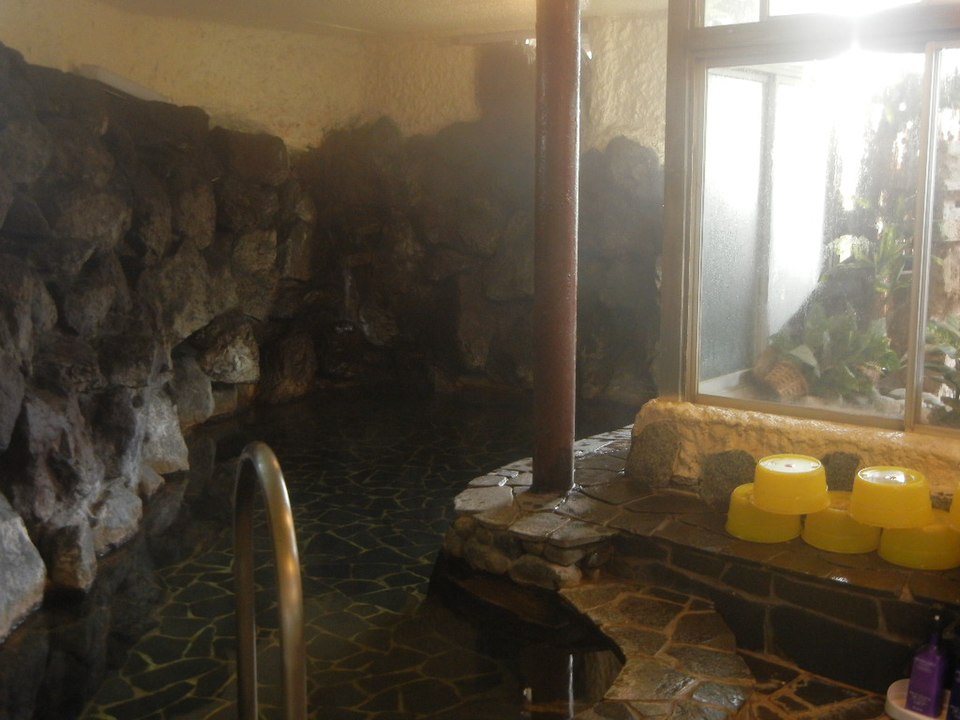
Iiyama Onsen sits in northern Nagano Prefecture near the Nozawa Onsen highlands and produces water with a pH of 11.3, placing it among the most alkaline natural hot springs anywhere in Japan. The soft, high-alkaline water has long been sought out as a beauty spring, widely praised for the way it smooths and softens the skin. The Hokuriku Shinkansen now stops at Iiyama Station, cutting travel time from Tokyo considerably.
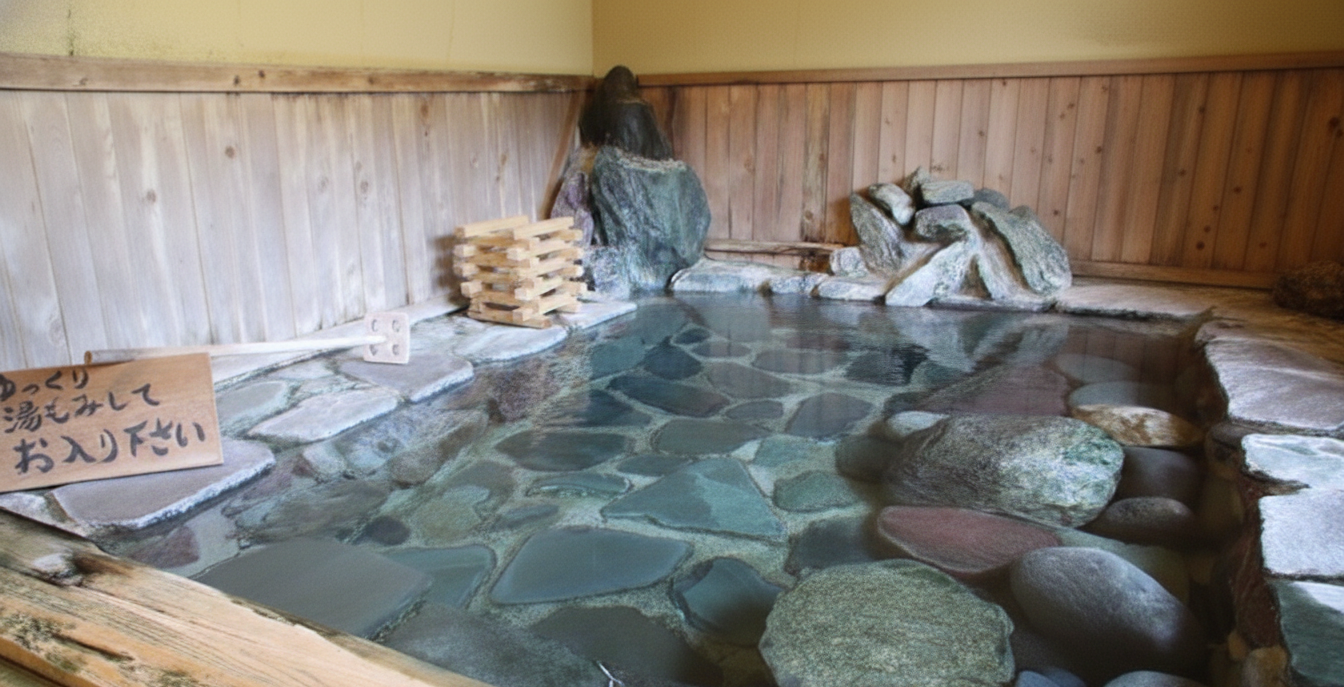
Tokigawa Onsen sits in Hiki District, Saitama Prefecture, roughly 90 minutes from central Tokyo. The water rises from Chichibu Paleozoic strata at a depth of 1,700 meters and registers pH 10, placing it firmly in the highly alkaline range. Bathers consistently note the silky feel it leaves on the skin. The facility has held onto its Showa-era bathhouse character rather than updating it.
Common questions
What is the water temperature at Yugawara Onsen?▾
The water temperature at Yugawara Onsen ranges up to 65°C (minimum around 38°C).
Is Yugawara Onsen free to visit?▾
Yugawara Onsen charges an entrance fee in JPY.
Is Yugawara Onsen a public or private bath?▾
Yugawara Onsen is a public bathing spring.
Are tattoos allowed at Yugawara Onsen?▾
Tattoo policy varies at Yugawara Onsen. Check ahead of your visit.