
Misasa Onsen
三朝温泉
Misasa Onsen
radium · Kansai
Hotter than 39% of Japan springs (n=122).
More acidic than 41% of Japan springs (n=121).
Mineral profile
Bar width reflects listing order, not measured concentration.
Suitability
At a glance
Getting there
Easy — under 1km from a station
Cost
Low
About this spring
Misasa Onsen occupies a river valley at the base of Mitokusan, a sacred mountain in central Tottori Prefecture. No other hot spring in the world records higher natural concentrations of radon and radium, a fact that earned the area international scientific recognition at the Paris Exposition in the early twentieth century. Each year the town hosts a Marie Curie festival to honor the scientist credited with isolating and naming radium.
Highlights
History
The founding story goes back to the late Heian period and centers on a samurai named Okubo who chose to spare a white wolf.
That night a Buddhist deity visited him in a dream and pointed him toward a spring rising from the roots of an ancient camphor tree, offered in gratitude for the wolf's life. The local community bathed in the water and healed. Misasa's exceptional radon concentration gained international notice in the early Taisho era, when data presented at the Paris Exposition drew the interest of European researchers. Medical investigations conducted from the mid-twentieth century onward have suggested that inhaling radon at low doses may activate antioxidant function in the body.
Local guide
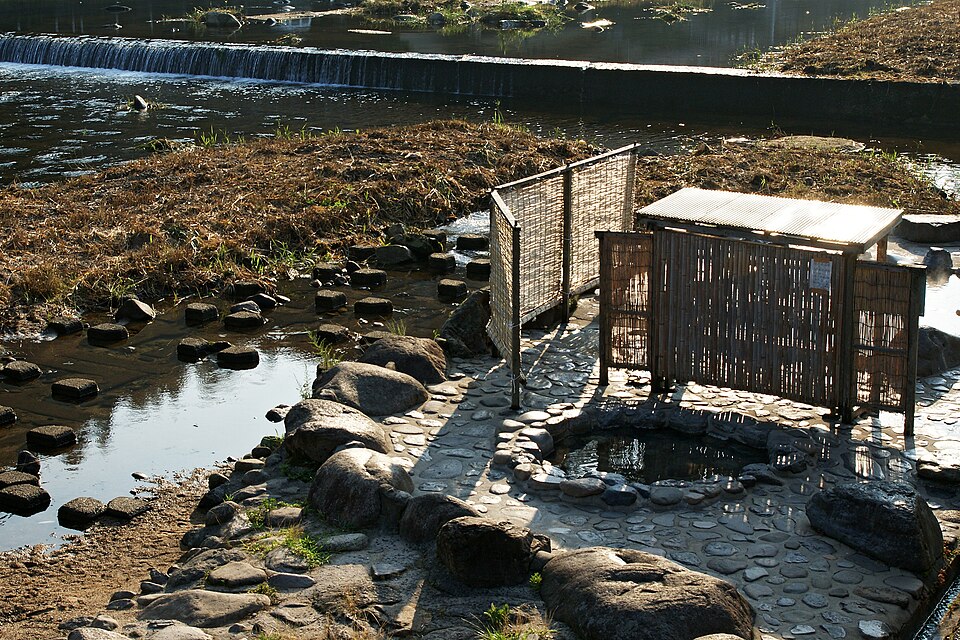
The bus from Kurayoshi Station takes about twenty minutes, following a river road that narrows as the valley closes in around you. Misasa is a small town on the Mitoku River in inland Tottori, and it announces itself before you see it. The air changes. There is a faint warmth and a mineral undertone that people here will tell you is the radon, though you cannot smell radon, exactly. What you can smell is something older and earthier than that, like hot clay after rain. You step off the bus and there, running right through the middle of the shopping street, is the river itself, with a free outdoor footbath built along its stone bank where locals and travelers sit together in the open air.
The water at Misasa contains some of the highest naturally occurring radon concentrations recorded anywhere in the world. It is a radium spring, pH 7.2, and the water is completely transparent with no particular color or strong smell in the indoor baths. What distinguishes it is the feel. It is softer than ordinary water, slightly silky, and when you have been in it for ten minutes your skin begins to feel warm well beyond where the water actually touches. Locals call this the "three mornings" effect, from the name Misasa itself, which is said to mean that three consecutive morning baths will wash away whatever ails you. Drinking the spring water from the public taps along the town's main street is also customary, though the taste is faint and slightly metallic.
The single most striking thing about visiting Misasa is the statue of Marie Curie in the small park at the center of town. She stands in bronze looking genuinely pleased with something, and the reason she is here is not abstract. Scientists once measured the radon levels in the air around Misasa's springs and found them significantly elevated compared to surrounding areas. Researchers subsequently linked long-term exposure to the low-level radioactivity to unusually low cancer rates in the local population, and the town became a subject of serious medical study. Curie, who gave her life to the study of radioactivity, became the town's unlikely patron, complete with an annual Curie Festival each July.
Above the town, a thirty-minute bus ride up the mountain, is Mitokusan Sanbutsuji temple, one of the genuinely strange buildings in Japan. Its main hall, Nageire-do, was built into the mouth of a sheer cliff face roughly nine hundred meters up the side of Mount Mitoku. The route to reach it involves climbing chains bolted into bare rock, and visitors are turned away if they are wearing anything without grip. In 2015, the Japanese government recognized Misasa Onsen and Mitokusan together as a Japan Heritage site, linked by the ancient concept of purifying the body before approaching the sacred. Soak in the radium water at the river bath in the morning, then climb the mountain in the afternoon, and the designation starts to make a certain kind of physical sense.
Mineral chemistry
Water character inferred from mineral type — verify on site.
Radium or radon springs are a recognised therapeutic category in several countries. At the low concentrations found in natural springs, exposure is associated with hormesis, a mild beneficial stress response.
Radon concentrations in natural hot springs are far below levels associated with health risk. Those who are pregnant should consult a doctor before bathing.
Alkaline springs (pH above 8) are known for their skin-softening effect, sometimes called "beauty water" in bathing cultures across Asia. The high pH saponifies skin oils, producing a characteristic silky feel on the skin surface.
The slippery feeling underfoot in highly alkaline springs is normal — take care when standing and walking in the bath. Avoid prolonged soaking if you have dry or sensitive skin.
Similar springs

Arima Onsen sits in the hills above Kobe, close to Mount Rokko, and ranks among the oldest hot spring towns in Japan. The town draws visitors for two entirely different spring types that coexist within its compact footprint. Kinsen is the iron-rich golden water that stains surrounding rocks a rusty orange, while ginsen runs clear and carries both carbonation and mild radioactivity. Few other onsen destinations in Japan bring together two such distinct water types within a single small town.
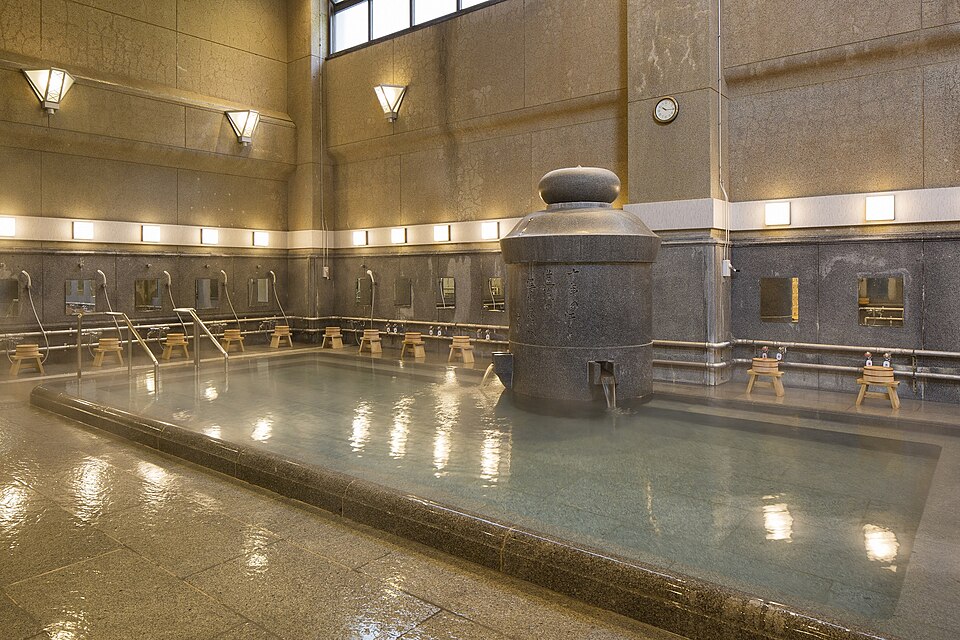
Tsubaki Onsen occupies a single large bathhouse on the Kii Peninsula in Wakayama Prefecture, surrounded by forest and roughly 2.5 hours from Osaka by train. The spring registers pH 9.9, placing it among the most alkaline waters in Japan. The facility is straightforward and well-maintained, attracting visitors from the Kumano region as well as day-trippers traveling in from the coast.
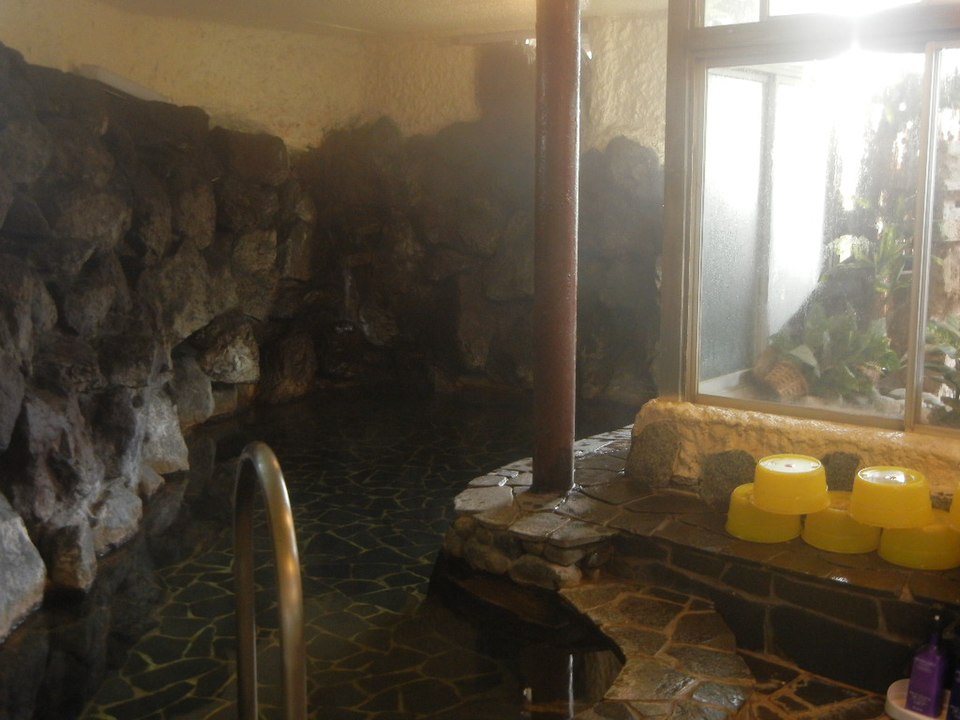
Iiyama Onsen sits in northern Nagano Prefecture near the Nozawa Onsen highlands and produces water with a pH of 11.3, placing it among the most alkaline natural hot springs anywhere in Japan. The soft, high-alkaline water has long been sought out as a beauty spring, widely praised for the way it smooths and softens the skin. The Hokuriku Shinkansen now stops at Iiyama Station, cutting travel time from Tokyo considerably.
 FREE
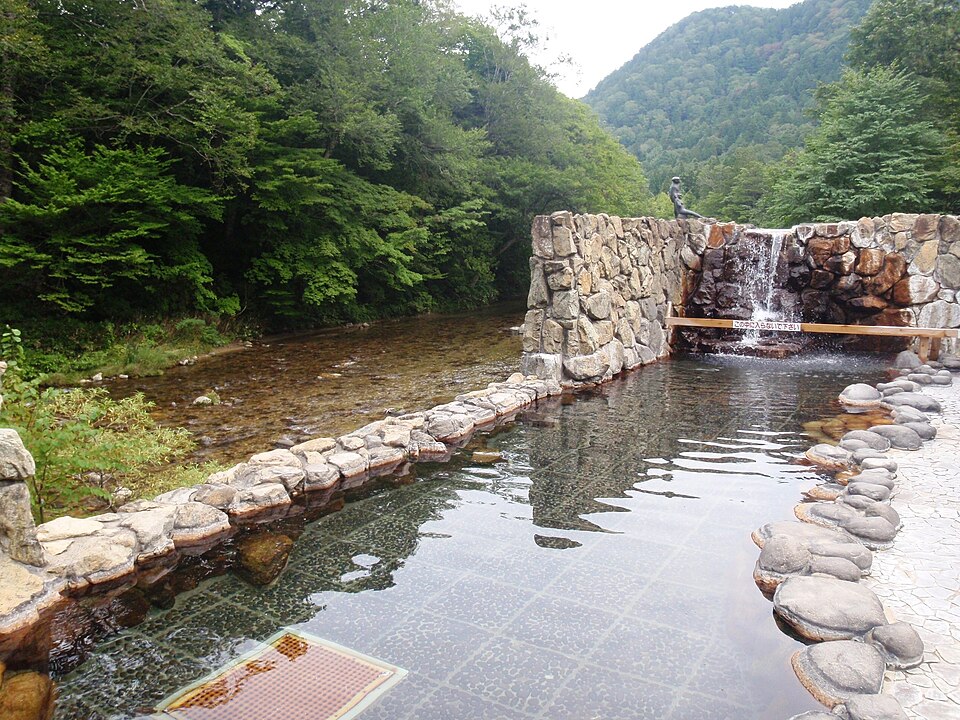
FREEKappa-no-yu is a free, open-air bathing spot tucked into Yagen Valley on the Shimokita Peninsula in Aomori Prefecture, roughly 2 kilometers up the slope from the central Yagen Onsen cluster. Two separate baths rest beside a clear mountain stream, surrounded by old-growth beech and cypress trees. The water temperature holds at 46 degrees Celsius. Visitors are not permitted to bring soap or shampoo. The baths are open from April through November and charge no entry fee.
Amenities
Getting there
There is no train station in Misasa. Take the JR San'in Main Line to Kurayoshi Station, then board a bus to Misasa Onsen. The bus ride takes about 20 minutes. Direct buses also run from Osaka Bentencho and Sannomiya in Kobe.
Location & nearby
Misasa Onsen, Misasa, Tōhaku District, Tottori
Make a day of it
Pair your soak with these nearby spots.
Attraction
Tamawarinoyu
0.0km away
Attraction
Kawaharafuro
0.1km away
Attraction
Misasa Onsen Yu Binkyoku
0.1km away
Attraction
Poké Lids (Sandshrew, Alolan Sandshrew, Froakie)
0.2km away
Attraction
Misasa Onsen
0.2km away
Attraction
Buranna Rumisasa
0.3km away
More springs in Kansai
Arima Onsen sits in the hills above Kobe, close to Mount Rokko, and ranks among the oldest hot spring towns in Japan. The town draws visitors for two entirely different spring types that coexist within its compact footprint. Kinsen is the iron-rich golden water that stains surrounding rocks a rusty orange, while ginsen runs clear and carries both carbonation and mild radioactivity. Few other onsen destinations in Japan bring together two such distinct water types within a single small town.
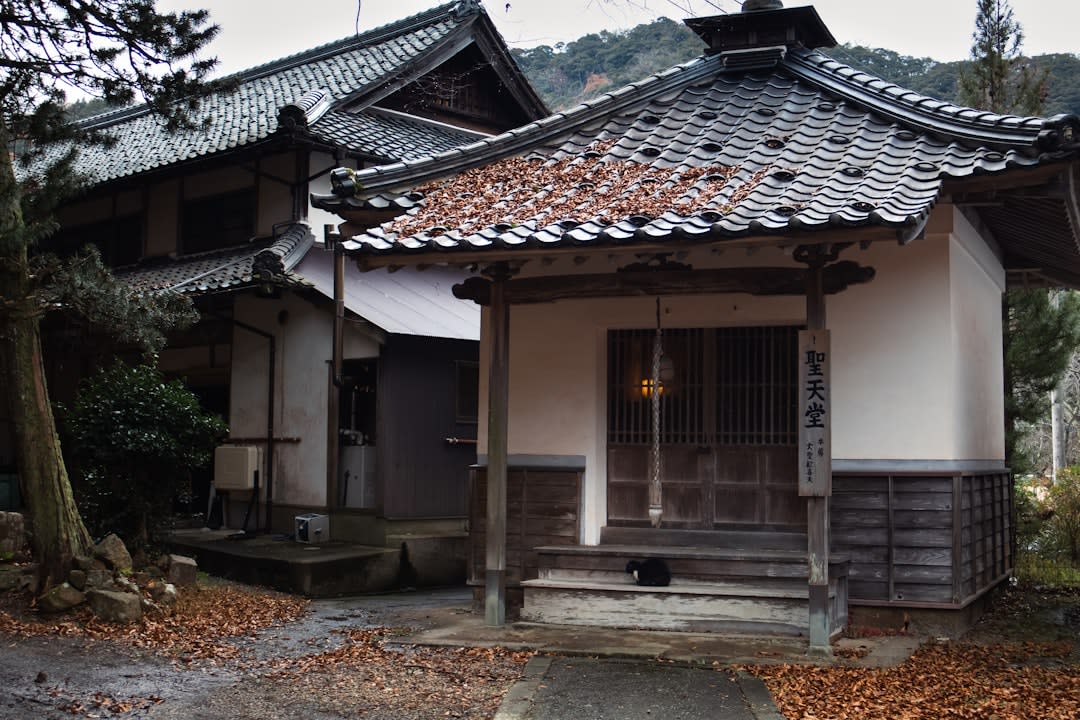
One of Japan's most beloved onsen towns. Visitors put on a yukata and wooden sandals and stroll between seven public bathhouses along a willow-lined canal. The wooden bridges, stone walkways, and traditional inn facades have barely changed in a century. The town is built for wandering.
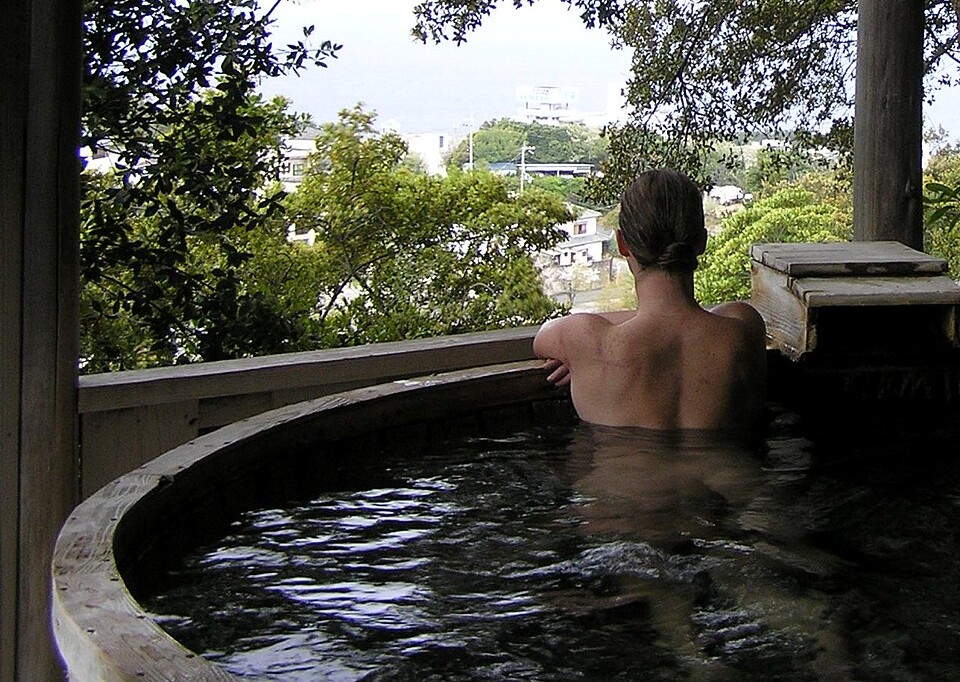
An old coastal resort town where hot springs meet the Pacific. The white-sand beach and dramatic rock formations create a setting unlike most onsen destinations. The ancient outdoor baths of Saki-no-Yu sit directly above the ocean. You soak while watching the waves crash below you.
Common questions
What is the water temperature at Misasa Onsen?▾
The water temperature at Misasa Onsen ranges up to 53°C (minimum around 52°C).
Is Misasa Onsen free to visit?▾
Misasa Onsen charges an entrance fee in JPY.
Is Misasa Onsen a public or private bath?▾
Misasa Onsen is a mixed bathing spring.
Are tattoos allowed at Misasa Onsen?▾
Tattoo policy varies at Misasa Onsen. Check ahead of your visit.
What is the nearest station to Misasa Onsen?▾
The nearest station to Misasa Onsen is Misasa Onsen Kanko Shoko Center, about 0km away.