
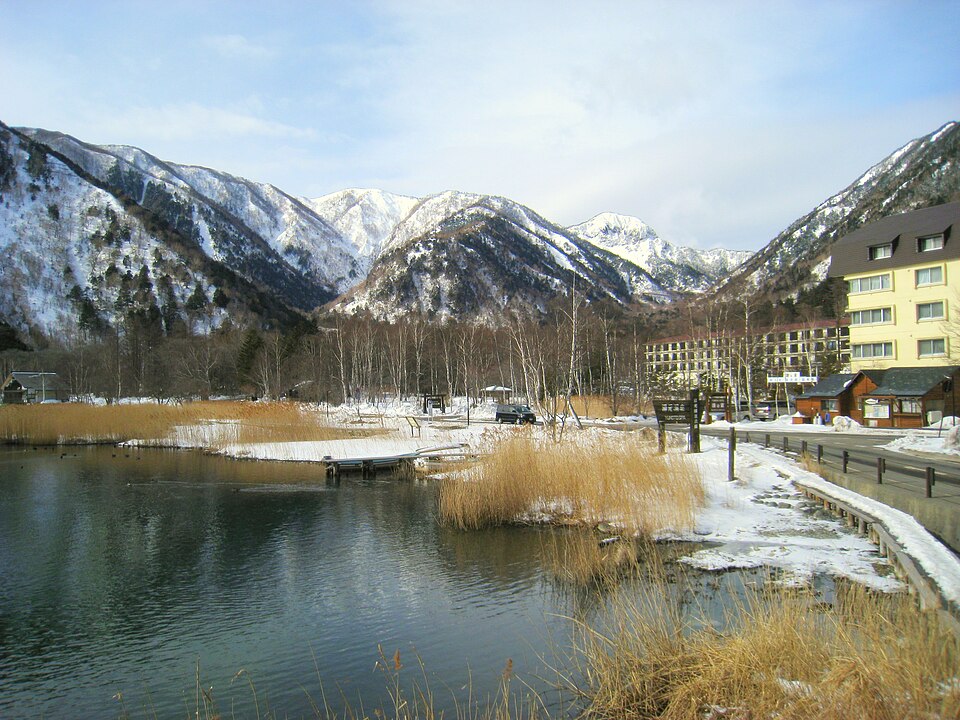
Nikko Yumoto Onsen
日光湯元温泉
4.2 · 1500 reviews · via Google
Nikko Yumoto Onsen
sulfur · Kanto
Hotter than 71% of Japan springs (n=122).
More acidic than 19% of Japan springs (n=121).
Mineral profile
Bar width reflects listing order, not measured concentration.
Suitability
At a glance
Getting there
Easy — under 1km from a station
Cost
Moderate
Crowd level
Moderate
About this spring
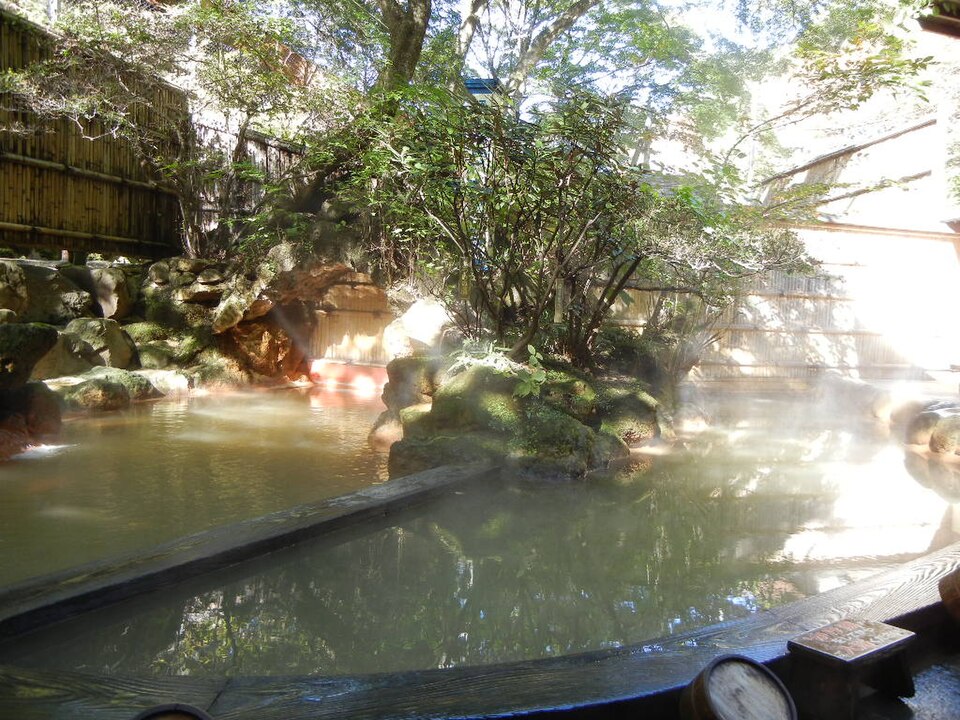
Nikko Yumoto Onsen sits at the edge of Lake Yunoko inside Nikko National Park, high in the mountains. The waters are milky and sulfurous, and travelers have been coming here for hundreds of years. The park surrounds the onsen with sacred forests and waterfalls, making a long day of hiking through them a natural prelude to a long soak.
Highlights
History
The spring dates to 788 AD, when Shodo Shonin, the Buddhist monk who founded the Rinnoji temple complex, came upon it while traveling through the mountains above Lake Yunoko.
He placed a statue of Yakushi Nyorai, the Buddha of Healing, next to the source and gave the site the name Yakushi-yu. The Rinnoji temple held authority over the spring for centuries, and visitors could only enter with formal permission. In 1617, Tokugawa Ieyasu was enshrined at nearby Toshogu, and the steady flow of pilgrims traveling through the mountains to pay tribute added to the spring's religious importance. By the Edo period, the temple had opened its bathhouses to pilgrims and mountain ascetics on a formal basis.
Local guide
Most visitors to Nikko stop at Toshogu Shrine and turn back for Tokyo. The ones who keep going board the bus at Tobu-Nikko Station and follow the road that climbs for forty minutes through increasingly wild forest, past the Kegon waterfall, along the shore of Lake Chuzenji, and finally up to a plateau at 1,500 meters where the trees thin out and the air smells of something between cold water and struck matches. Yumoto is at the end of this road, a small collection of inns and bathhouses at the northern edge of Lake Yunoko, and it is far enough from the shrine complex that almost everyone who arrives here has made a deliberate decision to be here.
The springs at Yumoto were discovered, according to established tradition, by the Buddhist monk Shodo Shonin in the year 788. Shodo is the founder of Nikko in any practical sense: he built the first temples here, established the religious routes through the mountains, and is credited with finding or sanctifying nearly every significant site in the region. The water he found at Yumoto is a sulfur spring that comes from the earth a remarkable emerald green, then turns milky white on exposure to air as the sulfur compounds oxidize. By the time it reaches the baths, it is an opaque, pale jade color in summer and almost pure white in the colder months. The pH runs around 6.5, close to neutral, and the sulfur smell is strong and immediate but not aggressive. The water temperature at source reaches 78 degrees and is mixed down for use.
The most specific visual experience at Yumoto happens at the point where the lake's outlet stream, the Yukawa River, drops away from the flat plateau surface at Yudaki waterfall, a wide curtain of water about ten meters high. The Senjogahara Plateau Nature Trail starts here, running south through marshland and forest for roughly four kilometers to Ryuzu Falls and Lake Chuzenji. In late October this entire trail runs through peak foliage, and the contrast of the yellow larch groves against the dark volcanic rock is intense. Coming back from the trail at dusk, when the wooden bathhouses of Yumoto are already lit from inside and their steam is rising into cold mountain air, creates the particular reward that long alpine walks exist to deliver.
The town itself is a few streets. There is a small shrine built over the hot spring source, a public foot bath by the lake shore, and a handful of ryokans whose outdoor tubs look directly at Lake Yunoko, which sits in a shallow volcanic basin with no development on its far bank. The combination of Nikko's historical weight, Toshogu's gilded excess a forty-minute bus ride back down the mountain, and the quiet, milky baths up here makes Yumoto feel like the version of Nikko that the monk was actually trying to build.
Mineral chemistry
Sulfuric hot springs are among the most studied in balneology worldwide. The sulfur compounds, primarily hydrogen sulfide and thiosulfate, have documented antimicrobial and anti-inflammatory properties. Regular bathing is associated with relief from chronic skin conditions including eczema and psoriasis, as well as joint inflammation and muscle soreness. Sulfuric waters have been used therapeutically across Asia and Europe for centuries.
The distinctive rotten-egg smell dissipates quickly after leaving the bath. Avoid if you have a sulfur allergy, very sensitive skin, or respiratory conditions. Remove silver jewellery before entering — sulfur will blacken it permanently.
Simple thermal springs have lower dissolved mineral content but are valued for the pure therapeutic effect of heat immersion itself — easing muscle tension and improving circulation. Considered the gentlest introduction to hot spring bathing.
Standard precautions apply: avoid bathing within 30 minutes of eating, keep soaks to 10–15 minutes for first-timers, and hydrate before and after.
Similar springs
 FREE
FREEThe valley occupies the center of Noboribetsu Onsen in Hokkaido. Jigokudani translates as Hell Valley. The crater covers 11 hectares and releases roughly 10,000 tonnes of hot spring water each day. Fumaroles vent steam across the floor of the valley, boiling pools bubble at the surface, and the surrounding cliffs carry heavy mineral staining. A walking path winds through the area in about 20 minutes and is open to all visitors at no cost. It ranks among the most striking landscapes accessible on foot anywhere in Japan.

Set deep in the Hakkoda Mountains of Aomori Prefecture, Sukayu Onsen is a historic bathhouse best known for its cavernous mixed-bathing hall, the Sen-nin-buro, which translates as the Bath of a Thousand Bathers. The waters are strongly acidic, the setting is rustic and unhurried, and winter brings extraordinary snowfall to the surrounding mountains.
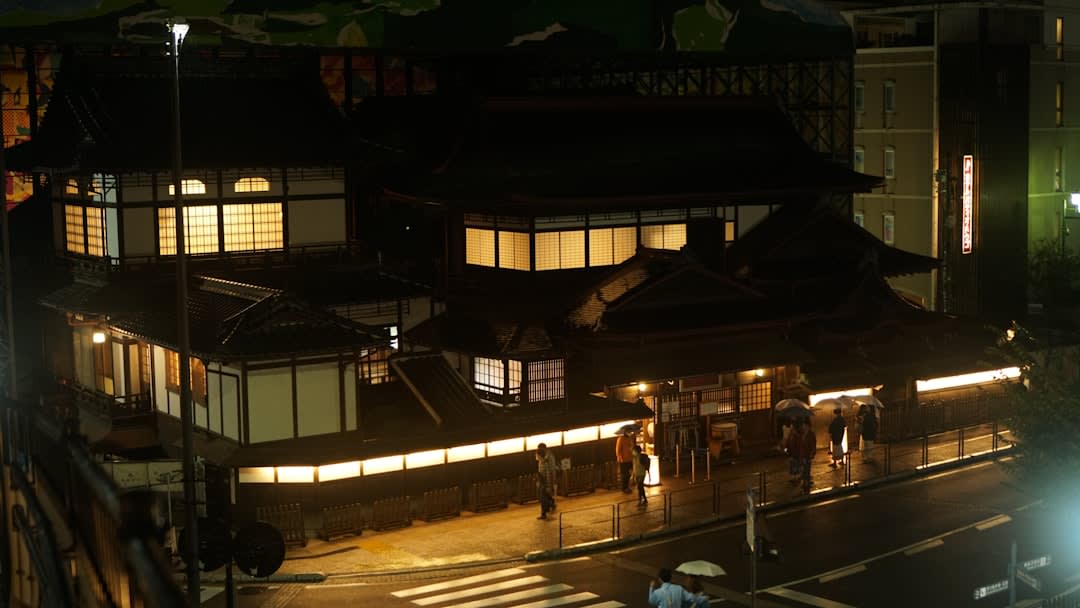
Dogo Onsen ranks among the oldest hot springs in Japan, with written records documenting its use for more than 1,300 years and oral traditions pointing back considerably further. The landmark Dogo Onsen Honkan is a three-storey wooden bathhouse finished in 1894, widely credited as the inspiration for the bathhouse depicted in Studio Ghibli's Spirited Away. The spring water is mildly alkaline and has long been valued for its ability to soften and smooth the skin.

Beppu is the most geothermally active city in Japan, with more than 2,900 hot spring vents located within the city limits and eight distinct thermal spring zones collectively known as the Beppu Hatto. The variety on offer is wide, ranging from grand hotel bathhouses to modest neighborhood public facilities to the celebrated Hells, a collection of brilliantly colored boiling pools scattered across the city. The Hells run far too hot for bathing, but they draw visitors who come to walk among them and take in the spectacle.
Amenities
Getting there
From Tokyo: Tobu Nikko Line
Gateway: Tobu-Nikko (120 min)
Bus to Yumoto Onsen (~40 min)
Total journey: 170 min
From Tobu-Nikko Station, take the bus to Yumoto Onsen. The journey takes about 40 minutes through the national park.
Location & nearby
Yumoto, Nikko City, Tochigi 321-1662
Make a day of it
Pair your soak with these nearby spots.
Park
Yunokohotori
0.7km away
Attraction
Okunikko Yu No Mori
0.8km away
Park
Kohanhiroba
0.9km away
Attraction
Supermarket Birejjikamayabekkan Yuesanso
0.9km away
Attraction
Yumoto Hot Spring At Nikko
0.9km away
Attraction
Supermarket Birejjikama
1.0km away
More springs in Kanto
 FREE
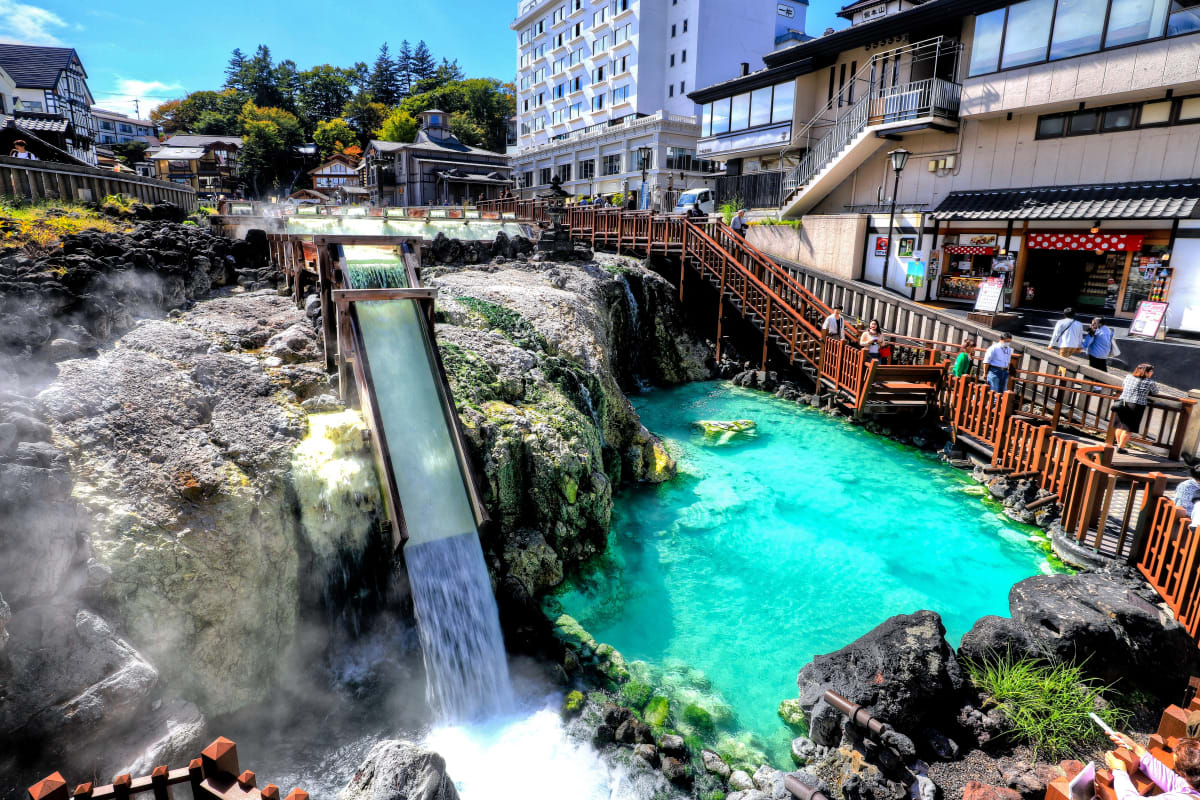
FREEKusatsu Onsen sits at 1,200 meters in the mountains of Gunma Prefecture and ranks among the most celebrated hot spring towns in Japan. The springs here produce more than 32,000 liters of water per minute, a volume unmatched anywhere else in the country. The water is strongly acidic and sulfurous, and its skin-healing properties have long made it legendary among visitors. Twice each day in the central town square, workers cool the scalding water by pulling long wooden paddles through it in unison while singing traditional songs. This practice is called yumomi.
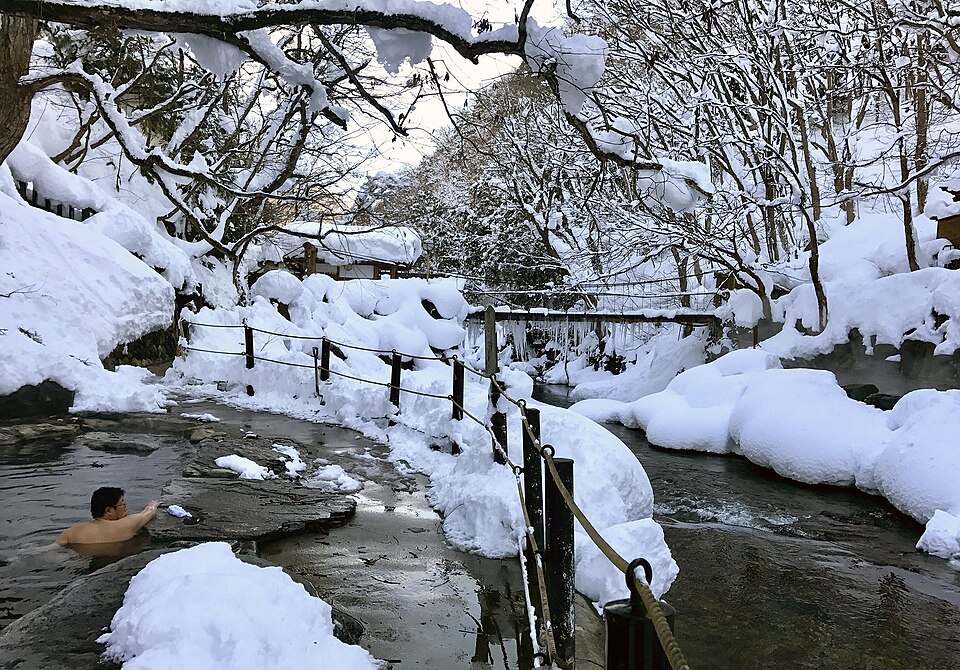
A mountain hot spring resort in Gunma Prefecture, positioned along the Takara River roughly 100 kilometers outside Tokyo. The centerpiece is a large outdoor bath built right at the river's edge, with dense forest climbing the slopes on either side. One portion of the bathing area accommodates mixed-gender soaking. The draw here is the pairing of untamed river scenery with open-air thermal pools.
Ikaho Onsen sits on a hillside in Gunma Prefecture, its layout defined by 365 stone steps that rise through a narrow valley flanked by ryokan and traditional shops. The waters are iron-rich and run a characteristic golden-brown, a color reflecting the mineral content that has drawn visitors since the Nara period. The staircase serves as the town's central axis, with nearly all activity concentrated along its length or on the side streets branching from it.
Common questions
What is the water temperature at Nikko Yumoto Onsen?▾
The water temperature at Nikko Yumoto Onsen ranges up to 78°C (minimum around 38°C).
Is Nikko Yumoto Onsen free to visit?▾
Nikko Yumoto Onsen charges an entrance fee in JPY.
Is Nikko Yumoto Onsen a public or private bath?▾
Nikko Yumoto Onsen is a public bathing spring.
Are tattoos allowed at Nikko Yumoto Onsen?▾
No, Nikko Yumoto Onsen does not permit visible tattoos.