Yagen Onsen
薬研温泉
3.8 · 83 reviews · via Google
Yagen Onsen
simple-thermal · Tohoku
Hotter than 48% of Japan springs (n=122).
More acidic than 56% of Japan springs (n=121).
Mineral profile
Bar width reflects listing order, not measured concentration.
Suitability
At a glance
Getting there
Remote — over 5km from the nearest station
Cost
Low
Crowd level
Quiet
About this spring
Yagen Onsen occupies a heavily forested river valley on the Shimokita Peninsula, which forms the northernmost tip of Honshu. Hot spring lodges are grouped into three distinct clusters along the Ohatake River: Shimo-Yagen and Naka-Yagen sit closer to the valley entrance, while Oku-Yagen lies further upstream in more isolated terrain. The area sees little tourist traffic and retains a genuinely untamed character.
Highlights
History
The origins of Yagen are traced to 1615, the year the summer siege of Osaka Castle brought the Toyotomi clan to defeat.
A warrior called Jouchi Kurataro had fought on the Toyotomi side and, after the loss, made his way north through remote country until he reached this valley. He found the hot springs there and built the first bath. The name Yagen derives from the pestle-and-mortar tool used in traditional herbal medicine, because the V-shaped valley was thought to resemble its form. The upper portion of the valley carries a separate and older legend. Around 862, the monk Jikaku Daishi, who is credited with establishing the sacred Mount Osorezan elsewhere on the Shimokita Peninsula, reportedly fell from a cliff in this area. According to the legend, a kappa water sprite pulled him into a hot spring pool and restored him to health. The outdoor baths called Ganso Kappa-no-Yu occupy that same location today.
Local guide
Getting to Yagen Onsen requires a genuine commitment to going somewhere remote. From Aomori Station you take a series of trains and buses north across the Shimokita Peninsula, up through the sugi forest and past the volcanic shores of Lake Usori near Osorezan, and then down the other side into the Yagen Valley. The road runs along the Ohata River through a forest of cypress, beech, and maple, and the light changes character well before the first bath appears. About six and a half kilometers from the nearest station, in a narrow river valley that sees very little passing traffic, the onsen village sits against the hillside.
Yagen runs three separate bathing areas spread along the river over a short stretch of path, and each one has a different temperature and character. The first outdoor bath you reach is Kappa-no-yu, a free, open-air pool cut directly from the riverside rocks where the hot spring seeps up through the riverbed. The second area, Fufu-Kappa-no-yu, divides into a men's side and a women's side along the same stretch of river. Further up the valley, at the municipal rest house, a third facility handles the indoor bathing. The source water comes out between 45 and 59 degrees Celsius, and the pH of 7.5 makes it neutral and gentle, good for long soaks without the skin irritation you get from more acidic springs.
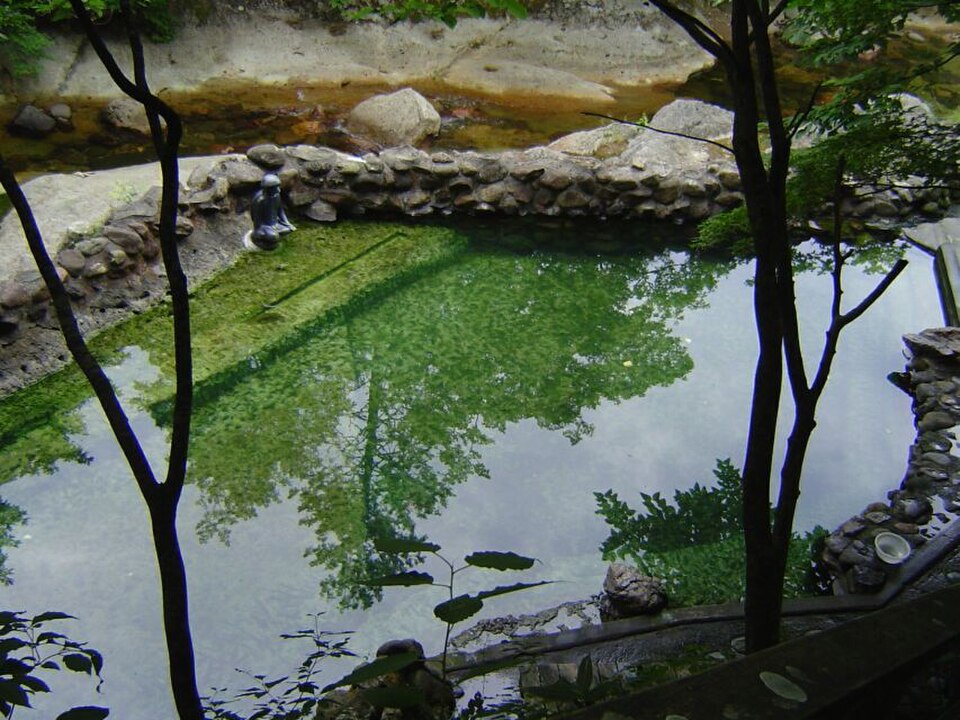
The water at Kappa-no-yu is one of the most visually striking in Tohoku. Where the hot spring meets the cold Ohata River the color is a pale blue-green, like shallow seawater over sand, and the bottom is visible through it even at depth. You sit among actual river stones, with the current audible a meter away, and the forest pressing in from both banks above you. In autumn, when the maples turn red and orange across the valley walls, and the steam from the bath rises into the cold air, the visual combination is something that justifies the long journey by itself.
The peninsula's remote character is part of what makes this valley feel so different from accessible onsen. There are no crowds here even in peak season, no souvenir shops, and the accommodation is limited to a small number of simple inns. The surrounding forest has walking trails and several waterfalls along the four-kilometer path toward Oku-Yagen. This is a place for people who actually want to disappear for a while.
Mineral chemistry
Water character inferred from mineral type — verify on site.
Simple thermal springs have lower dissolved mineral content but are valued for the pure therapeutic effect of heat immersion itself — easing muscle tension and improving circulation. Considered the gentlest introduction to hot spring bathing.
Standard precautions apply: avoid bathing within 30 minutes of eating, keep soaks to 10–15 minutes for first-timers, and hydrate before and after.
Similar springs
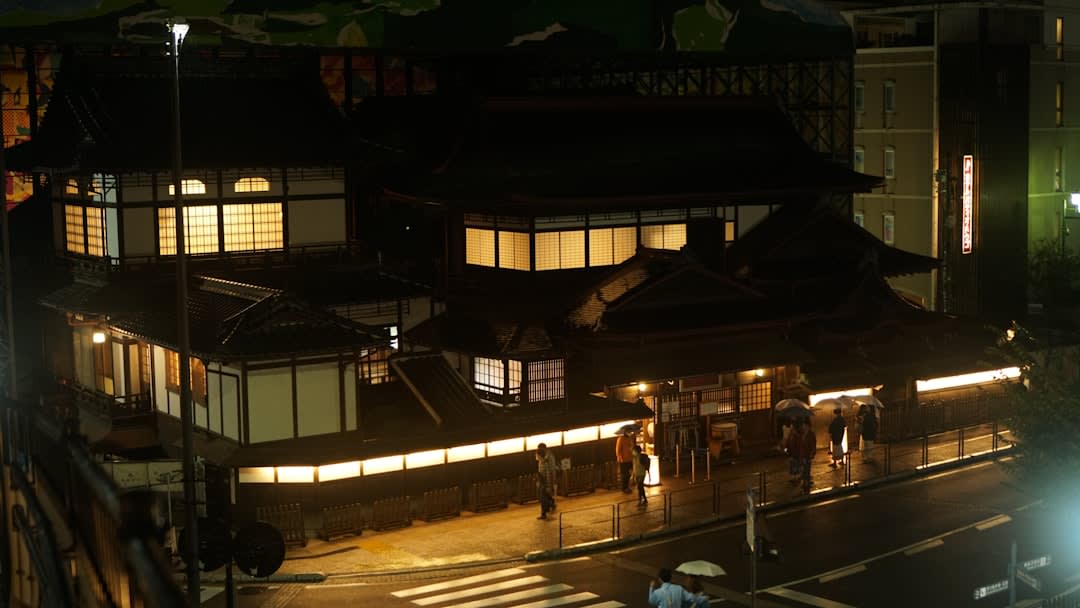
Dogo Onsen ranks among the oldest hot springs in Japan, with written records documenting its use for more than 1,300 years and oral traditions pointing back considerably further. The landmark Dogo Onsen Honkan is a three-storey wooden bathhouse finished in 1894, widely credited as the inspiration for the bathhouse depicted in Studio Ghibli's Spirited Away. The spring water is mildly alkaline and has long been valued for its ability to soften and smooth the skin.
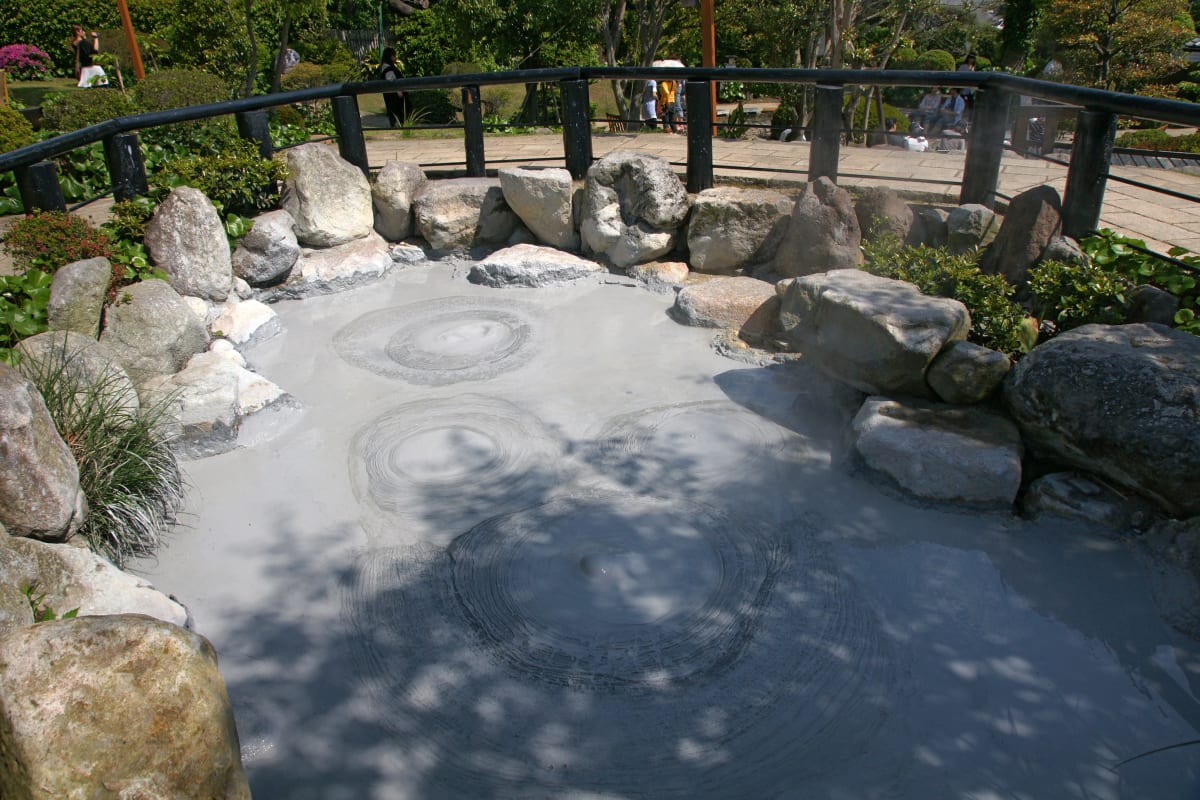
Beppu is the most geothermally active city in Japan, with more than 2,900 hot spring vents located within the city limits and eight distinct thermal spring zones collectively known as the Beppu Hatto. The variety on offer is wide, ranging from grand hotel bathhouses to modest neighborhood public facilities to the celebrated Hells, a collection of brilliantly colored boiling pools scattered across the city. The Hells run far too hot for bathing, but they draw visitors who come to walk among them and take in the spectacle.
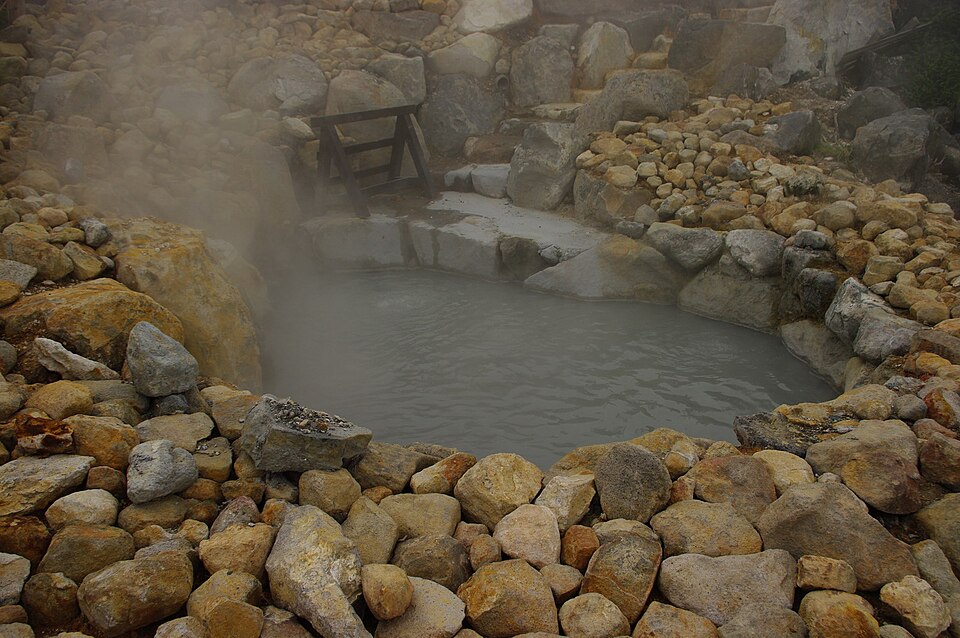
Hakone is a sizable onsen district spread across a caldera, roughly 90 minutes from Tokyo by rail. Seventeen distinct spring sources supply the area's bathhouses, which range from large hotel rotenburo with views of Mt. Fuji and Lake Ashi to small, family-operated facilities tucked along the Old Tokaido road. Because the mineral makeup differs from one source to the next, visiting multiple bathhouses yields a genuinely different soaking experience each time.
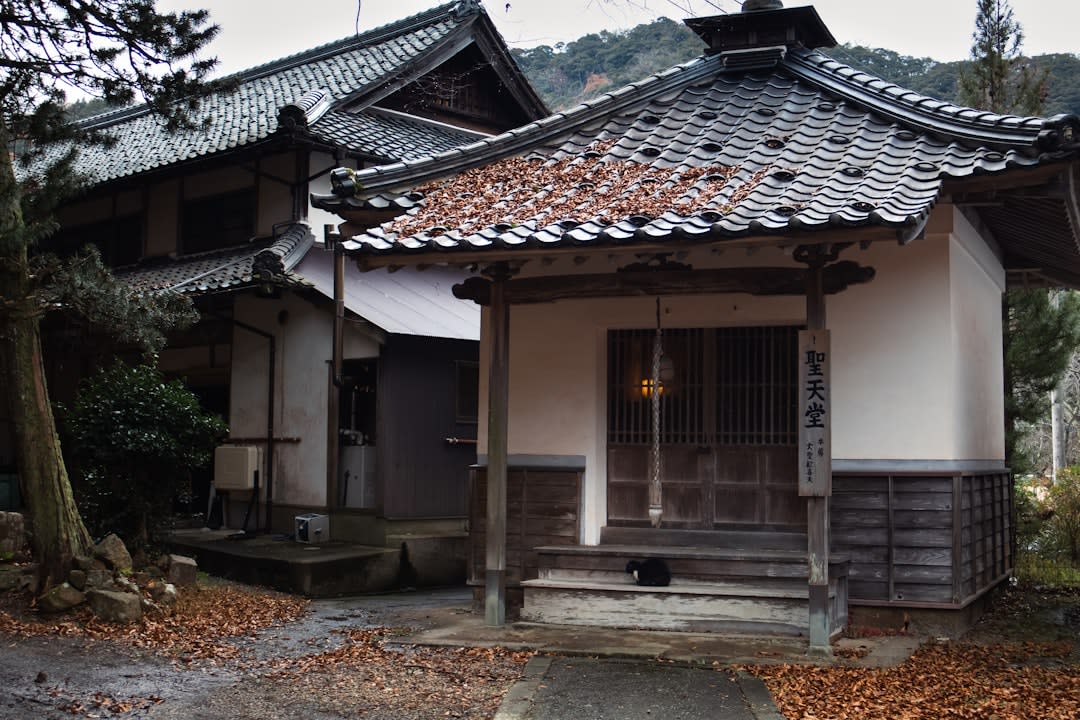
One of Japan's most beloved onsen towns. Visitors put on a yukata and wooden sandals and stroll between seven public bathhouses along a willow-lined canal. The wooden bridges, stone walkways, and traditional inn facades have barely changed in a century. The town is built for wandering.
Amenities
Getting there
Take the Tohoku Shinkansen to Hachinohe Station, then transfer to the Aoimori Railway to Shimokita Station. From there, take a local bus toward Ohata Town and then onward to Yagen Onsen. Allow at least 3 hours total from Tokyo.
Location & nearby
Yagen Ohata, Mutsu, Aomori 039-4401
More springs in Tohoku
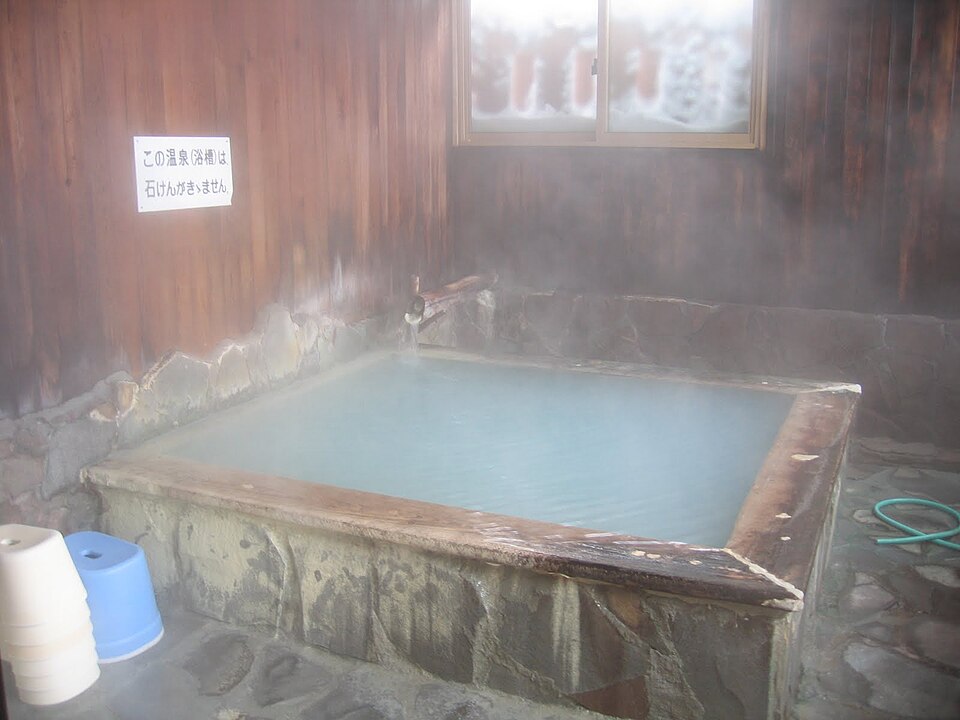
Set deep in the Hakkoda Mountains of Aomori Prefecture, Sukayu Onsen is a historic bathhouse best known for its cavernous mixed-bathing hall, the Sen-nin-buro, which translates as the Bath of a Thousand Bathers. The waters are strongly acidic, the setting is rustic and unhurried, and winter brings extraordinary snowfall to the surrounding mountains.
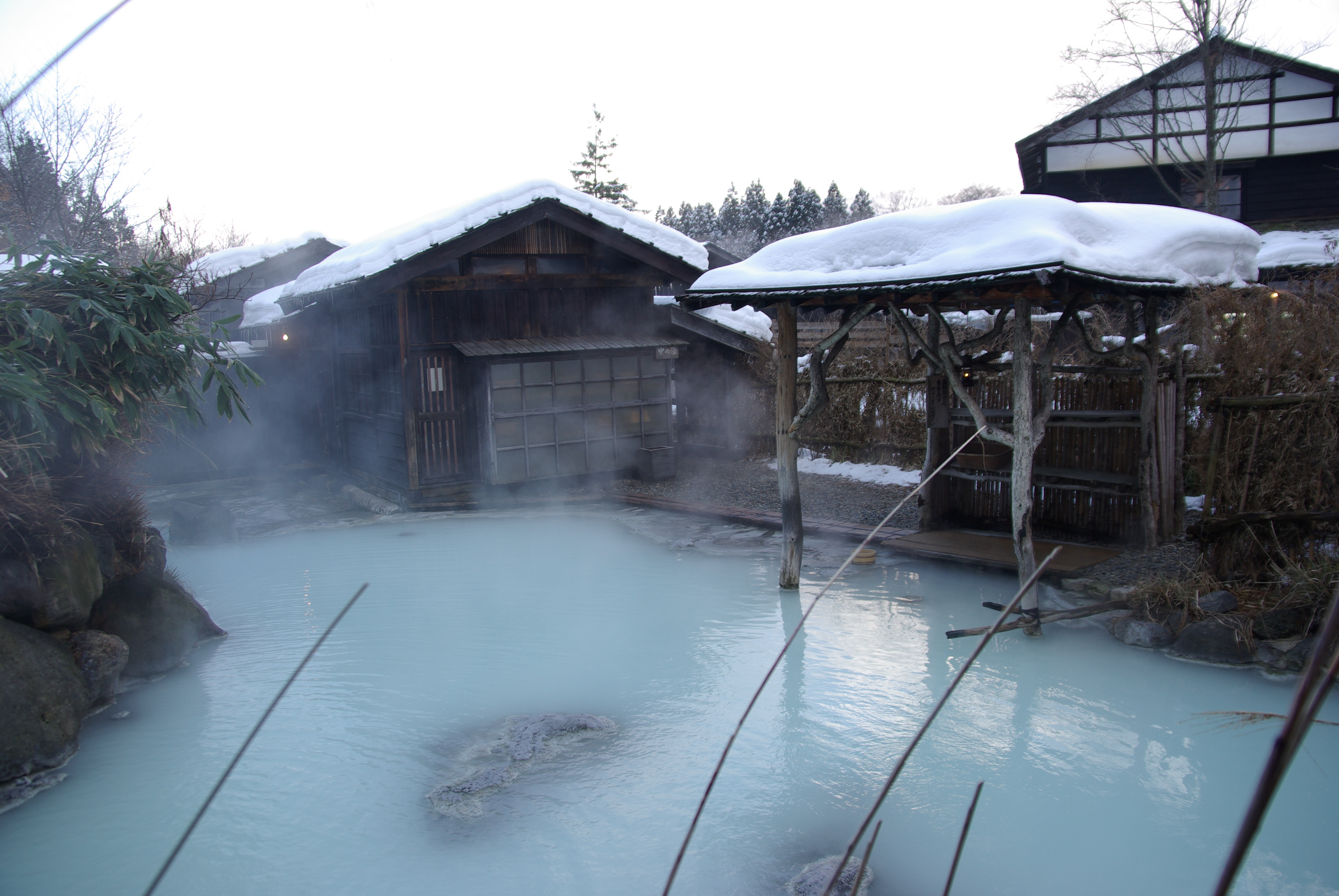
Tsuru-no-yu is the oldest of the seven inns at Nyuto, set deep in a beech forest in Akita Prefecture. The main draw is a large outdoor mixed-bathing pool fed by opaque, milky-white sulfurous water. Many regard it as the most beautiful onsen setting in Japan. People come here to put some distance between themselves and the rest of the world for a while.
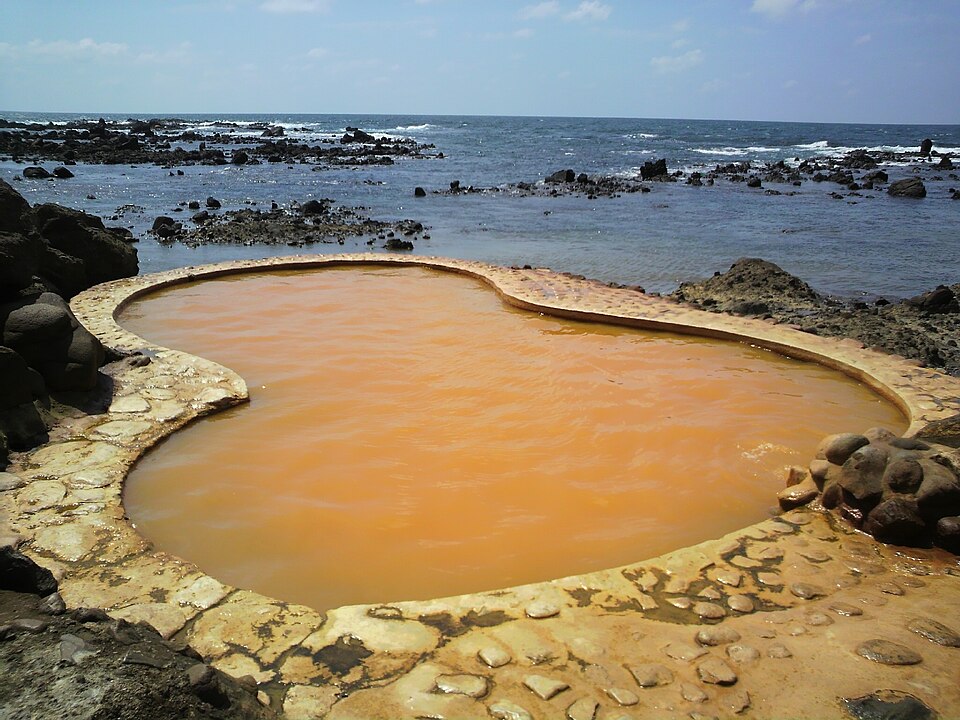
Furofushi Onsen occupies a rocky cape in Fukaura, Aomori Prefecture, with outdoor bathing pools positioned at the edge of the Sea of Japan cliffs. The spring water runs a deep reddish-brown from its high iron and sodium chloride content. The main open-air bath and a dedicated women's pool both use fully undiluted water drawn straight from the source. Sunsets over the water are a particular draw. Once day visitors depart in the late afternoon, overnight guests have the pools to themselves.
Common questions
What is the water temperature at Yagen Onsen?▾
The water temperature at Yagen Onsen ranges up to 59°C (minimum around 45°C).
Is Yagen Onsen free to visit?▾
Yagen Onsen charges an entrance fee in JPY.
Is Yagen Onsen a public or private bath?▾
Yagen Onsen is a public bathing spring.
Are tattoos allowed at Yagen Onsen?▾
No, Yagen Onsen does not permit visible tattoos.
What is the nearest station to Yagen Onsen?▾
The nearest station to Yagen Onsen is Osorezan, about 6.5km away.