
Obama Onsen
小浜温泉
Obama Onsen
geothermal · Kyushu
Hotter than 98% of Japan springs (n=122).
More acidic than 67% of Japan springs (n=121).
Mineral profile
Bar width reflects listing order, not measured concentration.
Suitability
At a glance
Getting there
Easy — under 1km from a station
Cost
Low
About this spring
Obama Onsen is a compact hot spring town on the Shimabara Peninsula in Nagasaki Prefecture, sitting at the base of Mount Unzen and looking out toward the Shimabara Straits. The waters here rank among the hottest in Japan, with temperatures reaching 105 degrees Celsius. Along the seafront, a 105-meter outdoor footbath stretches the full length of what is the longest such facility in the country, and it is open to all visitors at no cost.
Highlights
History
The springs at Obama Onsen appear in written records dating to 713 AD, when they were noted in the Hizen Fudoki, a topographic survey of the region.
The town falls within the territory of what was once ancient Hizen Province. In 1962, the site received official designation as a National Recreation Onsen. The waters have been valued for their heat and mineral content for more than 1,300 years. A monument in town carries a poem by the tanka poet Saito Mokichi, who found the atmosphere of the place memorable enough to put into verse.
Local guide
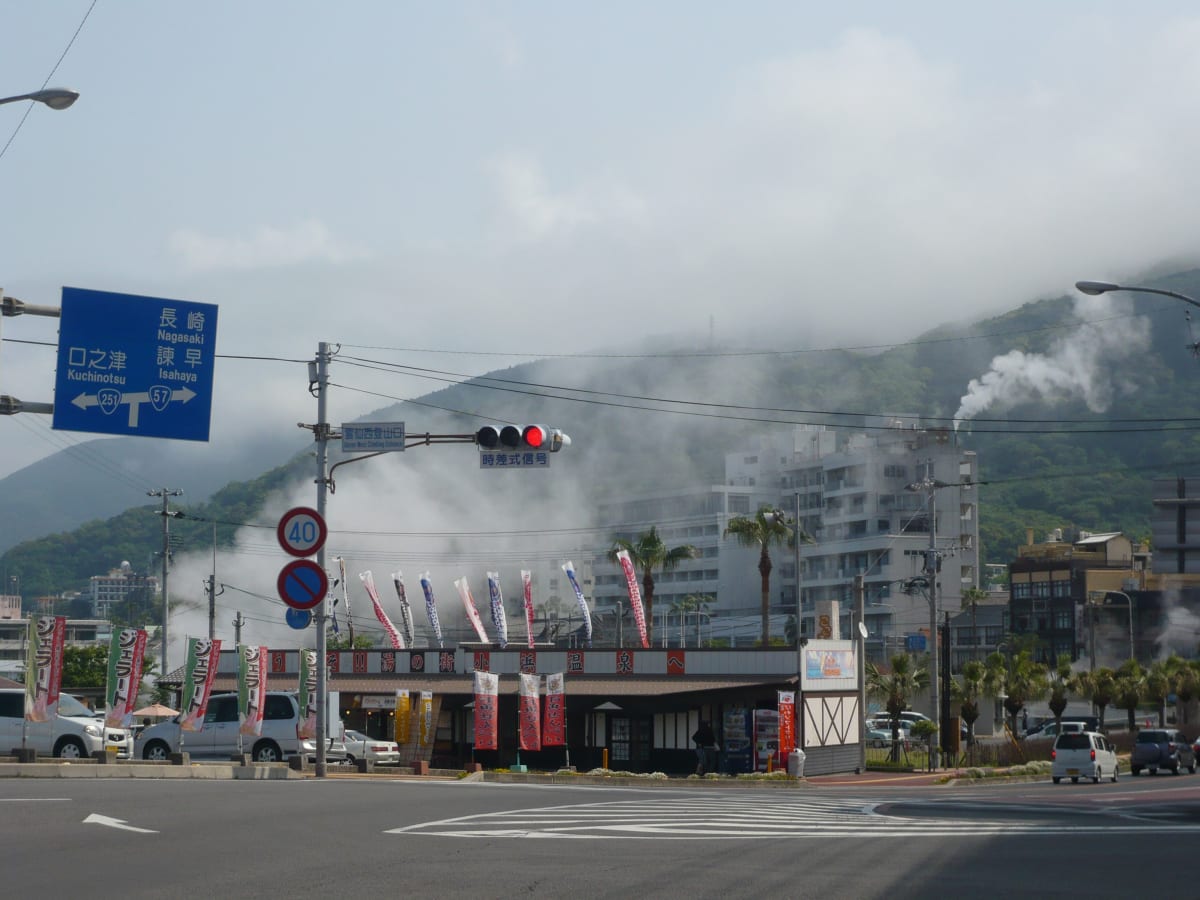
Obama is not a famous name in Japanese tourism, which is partly why it is worth the effort to get there. From Nagasaki Station you board the train toward the Shimabara Peninsula, and the journey out to Obama takes you along the edge of Tachibana Bay, where the water is a very particular shade of deep blue and the Mount Unzen volcanic group rises directly inland. The town is set right on the water's edge, which means when you arrive on foot and look east, you see the bay, and when you look west, you see steam rising from the ground in about thirty different places simultaneously.
The spring water at Obama comes from roughly 30 sources, with a combined output of more than 15,000 tons per day at 100 degrees Celsius. The hottest vents push past 105 degrees. The water is geothermal and deeply saline, and the steam it produces pervades the whole lower town, seeping from cracks in walls, rising from drains, and curling off the surface of the ocean where subsurface vents heat the shallows near the shore. The actual bathing water, drawn down and mixed to a usable temperature, is clear and heavy with sodium chloride. It coats your skin with a fine salt film when you step out, and the retained warmth stays with you for a long time.
Obama's standout feature is Hot Foot 105, a public foot bath built directly in front of the sea. It is 105 meters long, which makes it Japan's longest foot bath, and the number 105 also references the source temperature in degrees. The wooden benches run along a raised channel of hot water facing the bay, and on a clear afternoon you can sit there with your feet in the water and look directly at the sun going down over Tachibana Bay and the dark outline of Kyushu beyond. The experience costs nothing.
Near the foot bath, stone steam cookers called mushigama sit over the vents, and visitors rent baskets from the hut nearby to cook vegetables and eggs in the geothermal steam. This is not a theatrical performance for tourists. It is a practical use of ground heat that locals have relied on for generations. The town documented its springs as far back as 713 AD in the Hizen Fudoki, and in December it hosts an annual fireworks display over the bay that draws locals back year after year, not for the onsen but for the sky.
Mineral chemistry
Water character inferred from mineral type — verify on site.
Simple thermal springs have lower dissolved mineral content but are valued for the pure therapeutic effect of heat immersion itself — easing muscle tension and improving circulation. Considered the gentlest introduction to hot spring bathing.
Standard precautions apply: avoid bathing within 30 minutes of eating, keep soaks to 10–15 minutes for first-timers, and hydrate before and after.
Amenities
Getting there
From Nagasaki Station, take the JR Nagasaki Main Line to Isahaya Station, then board a Shimatetsu Bus to Obama Bus Terminal. The total journey takes about 90 minutes. Direct express buses from Nagasaki Bus Terminal reach Obama in about 1 hour.
Location & nearby
Obama Onsen, Unzen, Nagasaki
Make a day of it
Pair your soak with these nearby spots.
Attraction
Tansansen
0.3km away
Attraction
Obama Onsen Wainari
0.3km away
Attraction
Obama Onsen Nippon'Ichinagaiashiyu
0.3km away
Park
Tokenyama Park
0.6km away
Attraction
Obama Onsen Park
1.2km away
Attraction
Wakihamakyo Do Yokujo
1.2km away
More springs in Kyushu
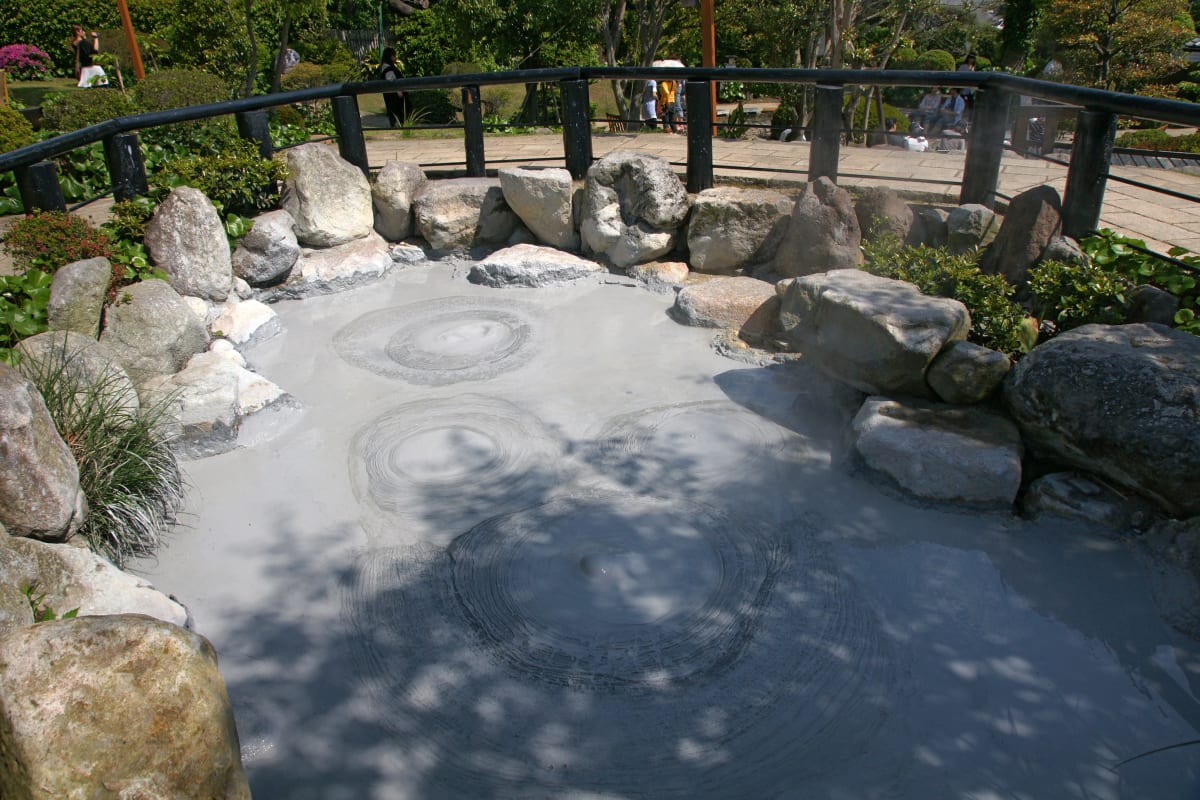
Beppu is the most geothermally active city in Japan, with more than 2,900 hot spring vents located within the city limits and eight distinct thermal spring zones collectively known as the Beppu Hatto. The variety on offer is wide, ranging from grand hotel bathhouses to modest neighborhood public facilities to the celebrated Hells, a collection of brilliantly colored boiling pools scattered across the city. The Hells run far too hot for bathing, but they draw visitors who come to walk among them and take in the spectacle.
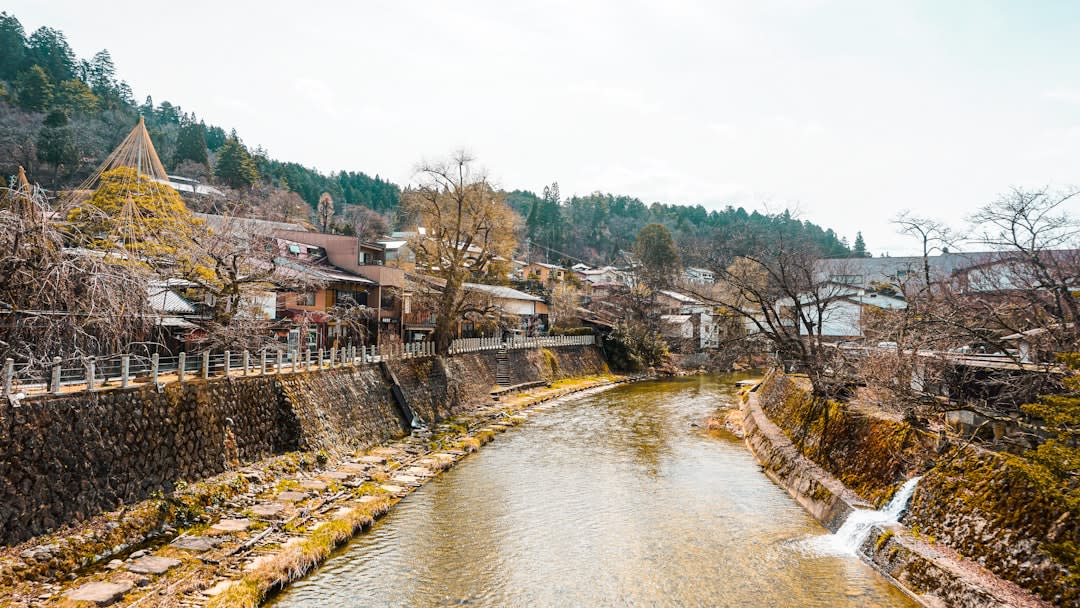
A peaceful artsy onsen town at the foot of Mt. Yufu in Oita Prefecture. The town is known for boutique galleries, craft shops, and ryokan with private outdoor baths. Lake Kinrin sits at the heart of it all. On quiet mornings, steam rises off the lake's surface in a way that seems almost designed to make you stop and stand still.
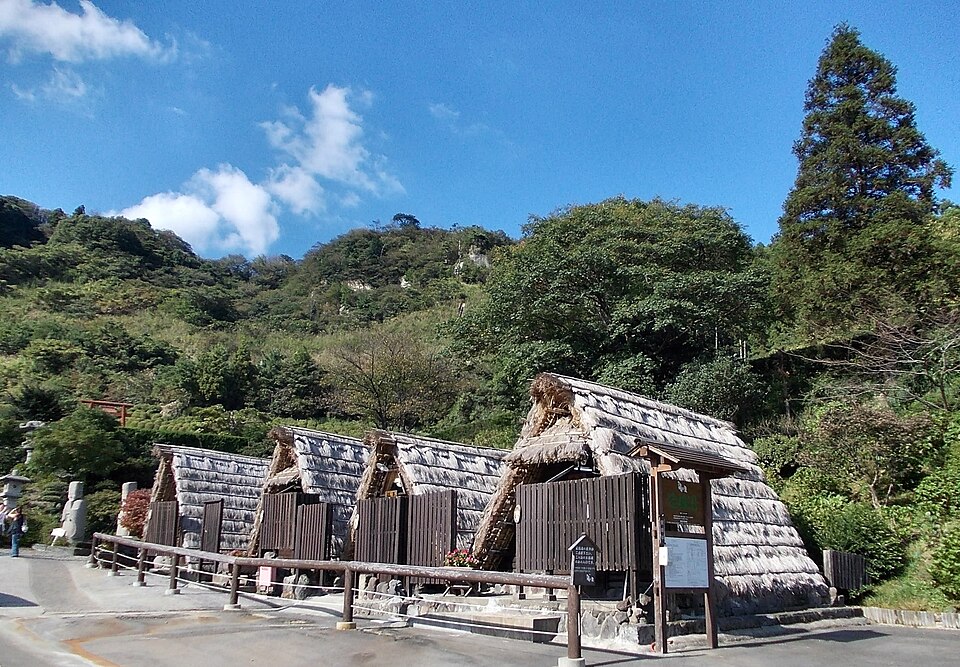
Set on a wooded slope in Beppu's Myoban district, this resort draws visitors for its yunohana, a term meaning hot spring flowers, which are white crystalline deposits that collect on surfaces where steam from the springs cools and condenses. The spring water itself is strongly sulfurous and acidic, rising at high temperatures from one of the eight volcanic source zones that make up Beppu Hatto.
Common questions
What is the water temperature at Obama Onsen?▾
The water temperature at Obama Onsen ranges up to 105°C (minimum around 80°C).
Is Obama Onsen free to visit?▾
Obama Onsen charges an entrance fee in JPY.
Is Obama Onsen a public or private bath?▾
Obama Onsen is a public bathing spring.
Are tattoos allowed at Obama Onsen?▾
No, Obama Onsen does not permit visible tattoos.
What is the nearest station to Obama Onsen?▾
The nearest station to Obama Onsen is Obama, about 0km away.