Kankaiji Onsen
観海寺温泉
Kankaiji Onsen
sodium-chloride · Kyushu
Hotter than 24% of Japan springs (n=122).
More acidic than 53% of Japan springs (n=121).
Mineral profile
Bar width reflects listing order, not measured concentration.
Suitability
At a glance
Getting there
Easy — under 1km from a station
Cost
Low
About this spring
Kankaiji Onsen sits on wooded hillsides along the slopes of Mount Tsurumi at the southern end of Beppu, in Oita Prefecture. The district takes its name from Kankaiji Temple, a name that translates as the Temple Overlooking the Sea. The temple rises above the surrounding area and looks out over Beppu Bay. The springs here tap into the wider Beppu Hatto volcanic system, placing the district within one of the most geothermally active zones in Japan.
Highlights
History
The founding of Kankaiji Temple is credited to the eighth-century monk Ninmon, who recognized the hot spring flows near the site as possessing sacred healing qualities around 718 CE.
Word of the temple spread during the Kamakura period, as pilgrims recorded accounts of its waters and setting. Rail connections to the Beppu basin arrived during the Meiji and Taisho eras, drawing visitors to the elevated Kankaiji district and supporting growth in ryokan catering to a new leisure-seeking public. The Suginoi Hotel opened in 1944 and established the district's character as a prominent hilltop resort.
Local guide
Most visitors to Beppu spend their time down near the waterfront, watching steam curl up from the famous hot spring hell pools around Kannawa. Kankaiji Onsen sits above all of that, tucked into the forested slopes of Mount Tsurumi at around 150 meters elevation, and the view from up here changes everything. When you step out of a rooftop or hillside bath and look west, you are looking straight across Beppu Bay toward the Seto Inland Sea, and on a clear day the faint silhouette of Shikoku Island sits on the horizon like a watercolor sketch.
The name Kankaiji comes from the old Buddhist temple at the foot of the slope, Kankai-ji, which translates roughly as "Temple Overlooking the Sea." That name tells you everything you need to know about why people have been climbing this hill for centuries. Historical records from the Edo period describe the temple as extremely difficult to reach but worth the effort for the view alone, and the hot spring water that flows from the same volcanic ground made it worth coming back to again and again. The water is a sodium chloride and sulfate spring, clear and moderately salty, with a soft quality on the skin that leaves you feeling smooth rather than scrubbed.
What makes Kankaiji distinct from the seven other official hot spring zones in Beppu's sprawling Beppu Hatto system is the quiet. The hellscapes at Kannawa draw crowds and camera phones. Up here, the pace drops. The larger hotel bathhouses have outdoor pools cut into the hillside, and when you are in the water the forest is directly behind you and the bay is directly ahead, the kind of framing you cannot engineer. The steam from your bath mingles with the mist that regularly drifts down from Mount Tsurumi's upper slopes.
Getting here from Beppu Station is straightforward. The bus toward Kankaiji Iriguchi takes about fifteen minutes, and the stop is right at the entrance to the hotel zone. If you want to push a little further up the hill on foot, there are smaller public bath facilities tucked between the ryokan that charge a few hundred yen and feel genuinely local. Come in the late afternoon when the light over the bay turns orange and the distant islands go dark against the water. That hour, in a hillside pool above a city that produces more hot spring steam than anywhere else on earth, is worth every minute of the bus ride.
Mineral chemistry
Water character inferred from mineral type — verify on site.
Sodium chloride springs, essentially natural saltwater baths, are celebrated for their warming and moisturising effects. The salt forms a thin film on the skin that slows moisture evaporation, keeping skin hydrated longer than a freshwater bath.
Those with high blood pressure or heart conditions should consult a doctor before bathing, as the warming effect increases circulation. Avoid immersing open wounds.
Sulfate springs contain dissolved calcium, sodium, or magnesium sulfate. Calcium sulfate springs are traditionally associated with wound healing and post-surgical recovery.
Sodium sulfate springs can have a mild laxative effect in sensitive individuals — stay well hydrated.
Similar springs
 FREE
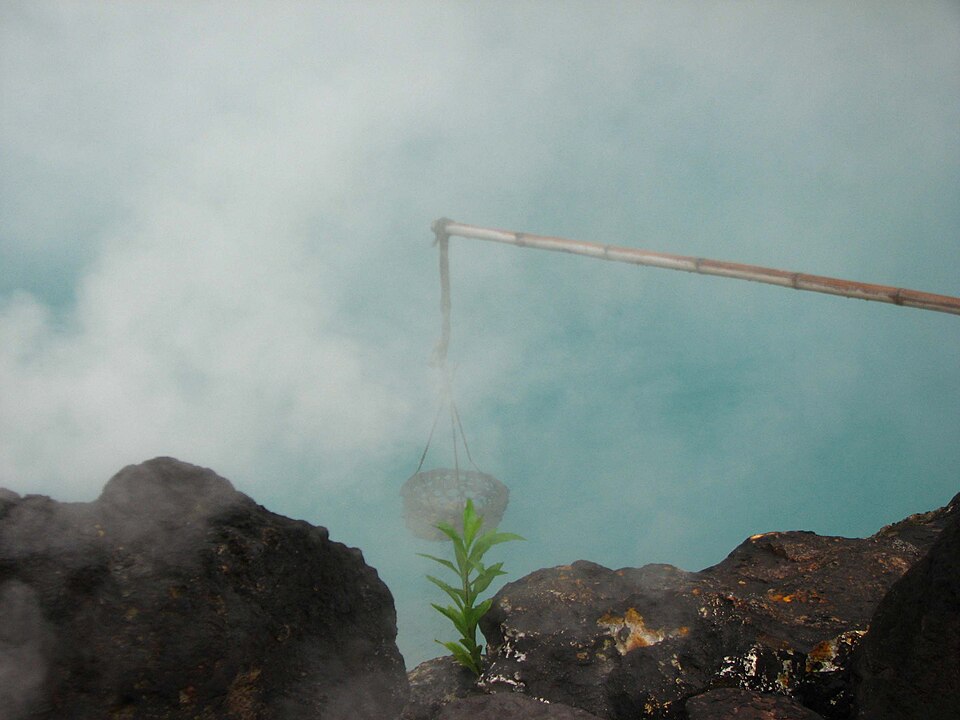
FREEThe valley occupies the center of Noboribetsu Onsen in Hokkaido. Jigokudani translates as Hell Valley. The crater covers 11 hectares and releases roughly 10,000 tonnes of hot spring water each day. Fumaroles vent steam across the floor of the valley, boiling pools bubble at the surface, and the surrounding cliffs carry heavy mineral staining. A walking path winds through the area in about 20 minutes and is open to all visitors at no cost. It ranks among the most striking landscapes accessible on foot anywhere in Japan.
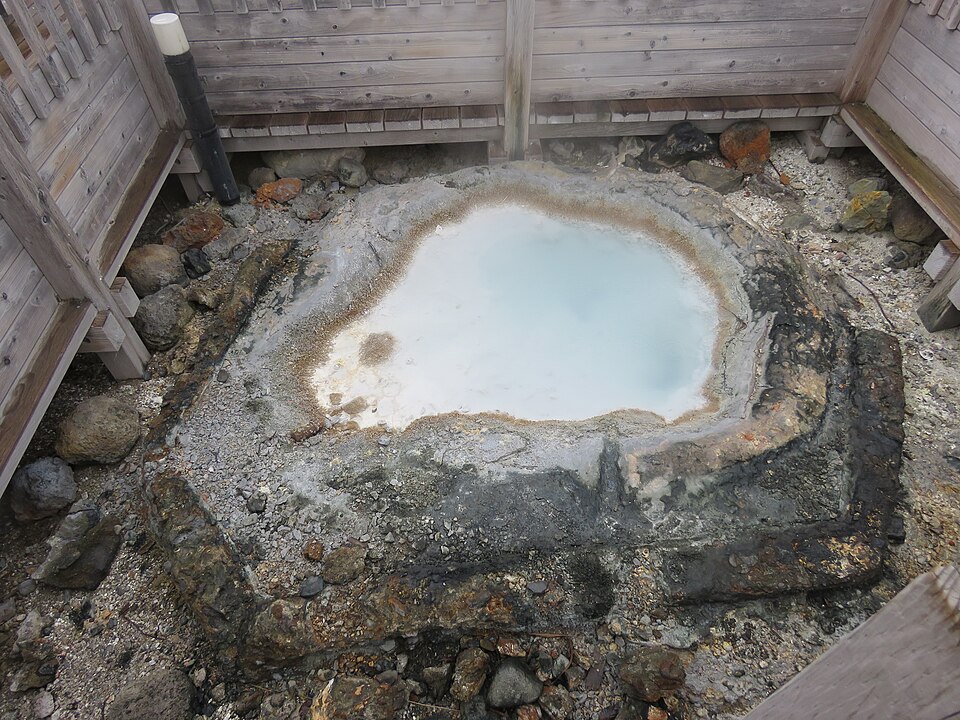
Set deep in the Hakkoda Mountains of Aomori Prefecture, Sukayu Onsen is a historic bathhouse best known for its cavernous mixed-bathing hall, the Sen-nin-buro, which translates as the Bath of a Thousand Bathers. The waters are strongly acidic, the setting is rustic and unhurried, and winter brings extraordinary snowfall to the surrounding mountains.
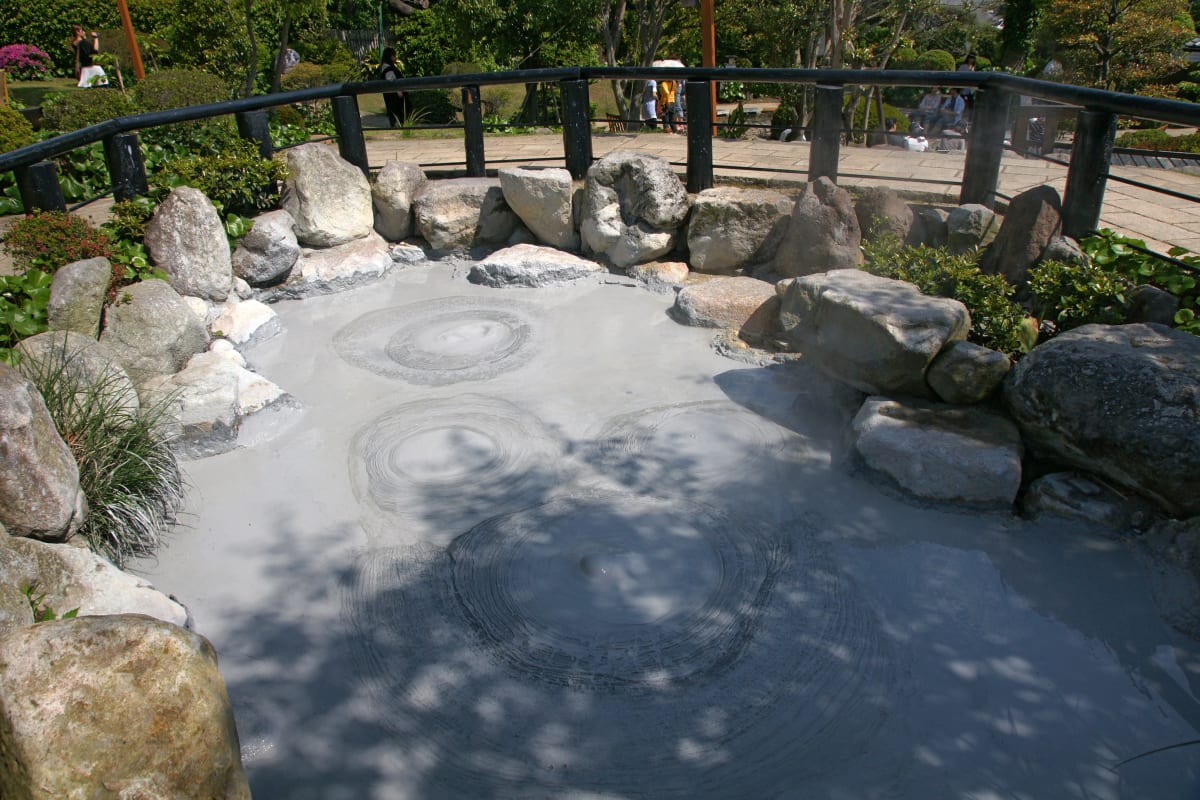
Beppu is the most geothermally active city in Japan, with more than 2,900 hot spring vents located within the city limits and eight distinct thermal spring zones collectively known as the Beppu Hatto. The variety on offer is wide, ranging from grand hotel bathhouses to modest neighborhood public facilities to the celebrated Hells, a collection of brilliantly colored boiling pools scattered across the city. The Hells run far too hot for bathing, but they draw visitors who come to walk among them and take in the spectacle.
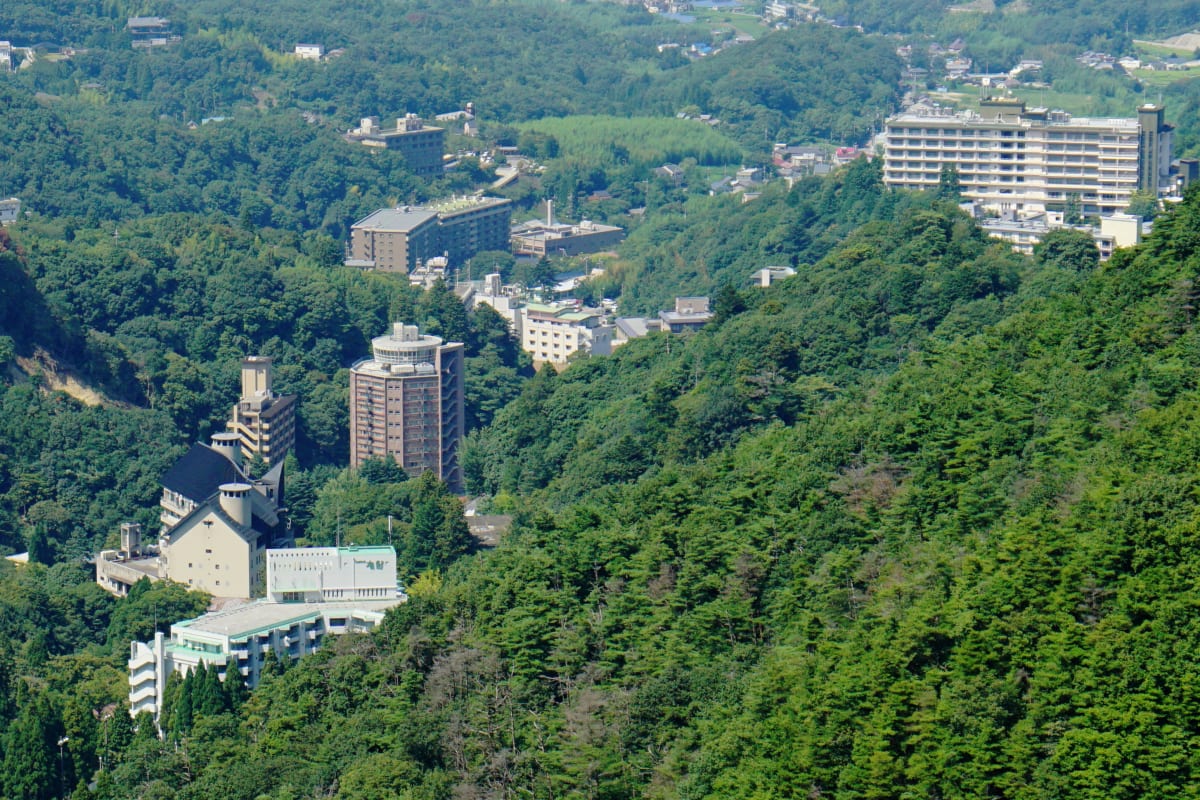
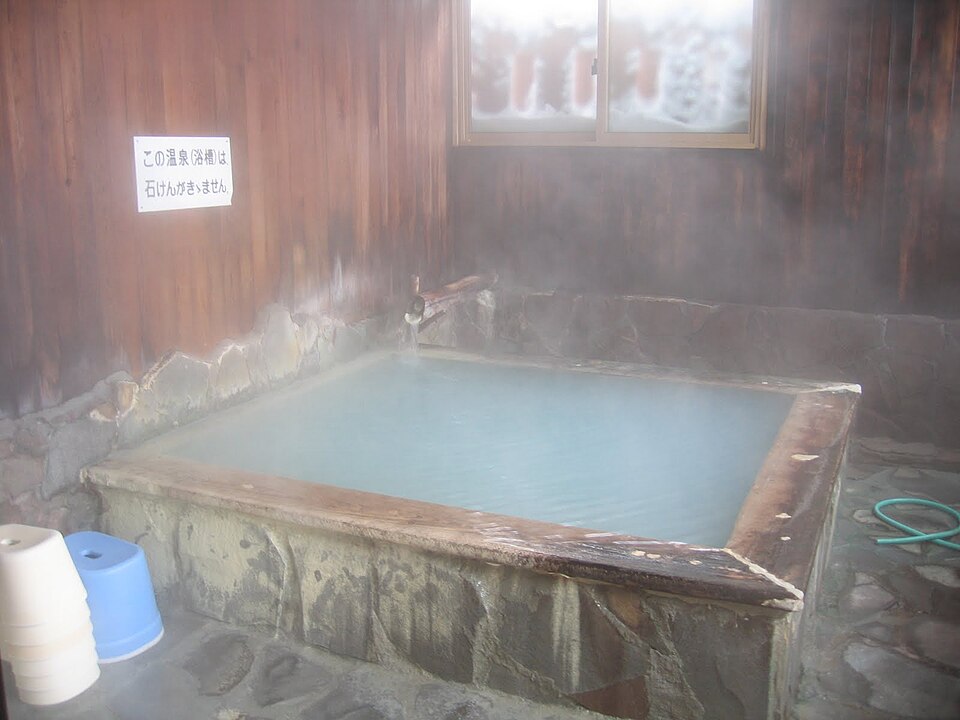
Arima Onsen sits in the hills above Kobe, close to Mount Rokko, and ranks among the oldest hot spring towns in Japan. The town draws visitors for two entirely different spring types that coexist within its compact footprint. Kinsen is the iron-rich golden water that stains surrounding rocks a rusty orange, while ginsen runs clear and carries both carbonation and mild radioactivity. Few other onsen destinations in Japan bring together two such distinct water types within a single small town.
Amenities
Getting there
Take the JR Nippo Main Line to Beppu Station. From the West Exit, take a local bus toward Kankaiji. The journey takes about 15-20 minutes.
Location & nearby
Kankaiji, Minamitateishi, Beppu, Oita 874-0823
Make a day of it
Pair your soak with these nearby spots.
Attraction
Yamaguchi Park
0.1km away
Attraction
Daiichiyamaguchiko Po
0.1km away
Park
Tsurumien Park
0.3km away
Attraction
Sugino Hotel Tanayu Onsen
0.5km away
Park
Acquabeat
0.5km away
Park
Minamitateishi Park
0.8km away
More springs in Kyushu
Beppu is the most geothermally active city in Japan, with more than 2,900 hot spring vents located within the city limits and eight distinct thermal spring zones collectively known as the Beppu Hatto. The variety on offer is wide, ranging from grand hotel bathhouses to modest neighborhood public facilities to the celebrated Hells, a collection of brilliantly colored boiling pools scattered across the city. The Hells run far too hot for bathing, but they draw visitors who come to walk among them and take in the spectacle.
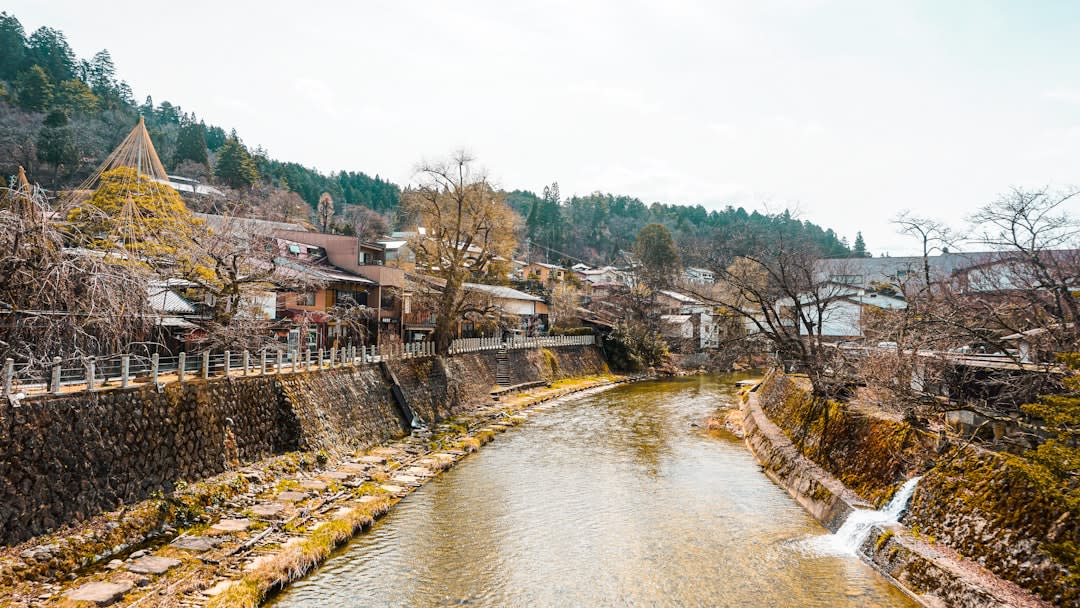
A peaceful artsy onsen town at the foot of Mt. Yufu in Oita Prefecture. The town is known for boutique galleries, craft shops, and ryokan with private outdoor baths. Lake Kinrin sits at the heart of it all. On quiet mornings, steam rises off the lake's surface in a way that seems almost designed to make you stop and stand still.
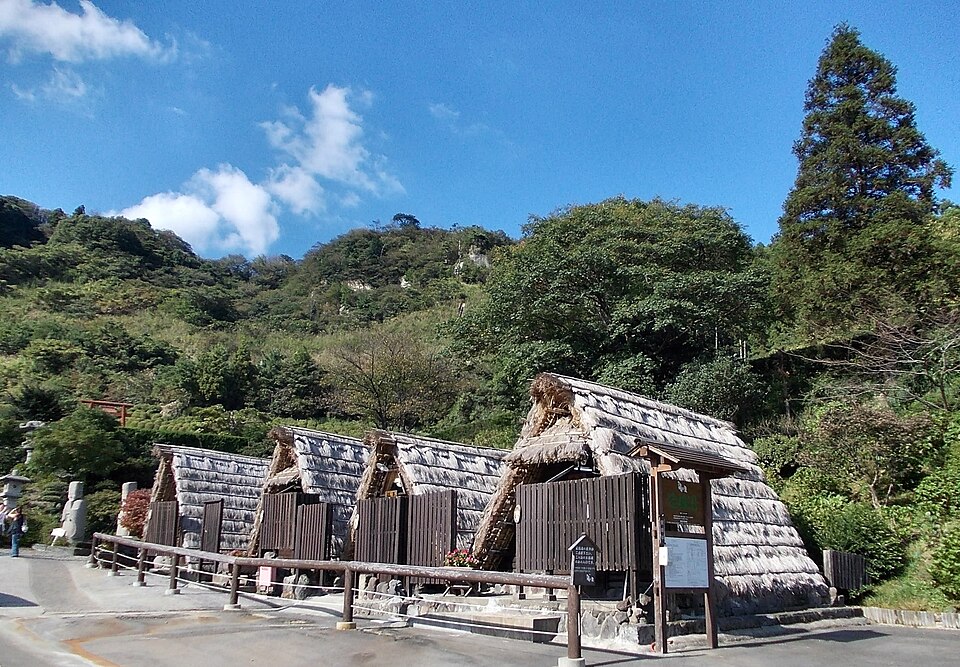
Set on a wooded slope in Beppu's Myoban district, this resort draws visitors for its yunohana, a term meaning hot spring flowers, which are white crystalline deposits that collect on surfaces where steam from the springs cools and condenses. The spring water itself is strongly sulfurous and acidic, rising at high temperatures from one of the eight volcanic source zones that make up Beppu Hatto.
Common questions
What is the water temperature at Kankaiji Onsen?▾
The water temperature at Kankaiji Onsen ranges up to 50°C (minimum around 40°C).
Is Kankaiji Onsen free to visit?▾
Kankaiji Onsen charges an entrance fee in JPY.
Is Kankaiji Onsen a public or private bath?▾
Kankaiji Onsen is a public bathing spring.
Are tattoos allowed at Kankaiji Onsen?▾
Tattoo policy varies at Kankaiji Onsen. Check ahead of your visit.
What is the nearest station to Kankaiji Onsen?▾
The nearest station to Kankaiji Onsen is Kankaiji Iriguchi, about 0.1km away.