
Ibusuki Onsen
指宿温泉
4.3 · 2000 reviews · via Google
Ibusuki Onsen
sodium-chloride · Kyushu
Hotter than 80% of Japan springs (n=122).
More acidic than 53% of Japan springs (n=121).
Mineral profile
Bar width reflects listing order, not measured concentration.
Suitability
At a glance
Getting there
Easy — under 1km from a station
Cost
Low
Crowd level
Moderate
About this spring
Ibusuki is a subtropical coastal city at the southern tip of Kyushu, built around natural sand baths in which bathers are buried in geothermally heated black sand. The beach stretches along the foot of Mt. Kaimon, a volcano of near-perfect conical shape. Attendants dressed in yukata guide visitors to their assigned patches of sand, lay them down, and cover them over, leaving them to look up at the open sky.
Highlights
History
The practice of sand bathing in Ibusuki dates to around 1703, when residents of the area found that the geothermally warmed beach sand could heat the body just as effectively as soaking in water.
A geography text on Kagoshima compiled in 1843 documented its therapeutic applications in detail, noting benefits for rheumatism, respiratory ailments, anaemia, and diabetes. The Shimazu clan, rulers of the Satsuma domain for many generations, were patrons of the region's springs. Saigo Takamori, the most celebrated figure of the Meiji Restoration, was a devoted visitor to nearby Unagi Onsen. During the Meiji era the Hakusuikan hotel expanded to include Japan's first Western-style hotel rooms built specifically for foreign guests seeking health treatments. Ibusuki remains one of the rarest bathing experiences in the world.
Local guide
From Kagoshima-Chuo Station, the Ibusuki-no-Tamatebako limited express takes just under an hour down the Satsuma Peninsula's eastern coast, and for the last stretch you are riding with Kinko Bay on one side and, if the weather is clear, the near-perfect cone of Mount Kaimon rising to 924 meters in the distance. Locals call it the Satsuma Fuji, and seeing it from a moving train window, symmetrical and slightly volcanic in feeling, does prepare you for the strange earth energy waiting at the end of the line.
Ibusuki is the only place in Japan, and one of very few places anywhere, where you can be buried alive in sand heated entirely by geothermal steam from below. This is not a gimmick. People have been doing it here for over three hundred years. The most popular facility is Saraku, a large sand bath hall located along the waterfront a short walk or five-minute bus ride from Ibusuki Station. You are handed a light cotton yukata before you go outside, where staff members are waiting with long-handled shovels. You choose a spot, lie down facing the bay, and watch the attendant pile black volcanic sand over your legs, torso, and chest until only your head sticks out above the surface.
The sand presses down on you at a temperature of roughly fifty to fifty-five degrees Celsius, which is warmer than a standard bath and yet somehow manageable because it is distributed evenly across your whole body. You begin sweating almost immediately. The fifteen minutes you stay buried feel much shorter than that. When you stand and brush off, the residual heat stays in your muscles for a long time, a different quality of warmth from a conventional soak, more like something absorbed from outside in rather than applied to the surface.
After the sand, you move inside to rinse in a conventional hot spring bath fed by the same geothermal source. The water here is a clear sodium-chloride spring at neutral pH, warm and faintly saline on the tongue, leaving a light mineral film on the skin. The real highlight is not the bath, though. It is the moment you step out of the sand, still in your damp yukata, salt sweat drying on your face, and look across the low beach toward that conical mountain on the horizon. It is a very specific picture, the kind that stays with you longer than a hot soak.
Mineral chemistry
Water character inferred from mineral type — verify on site.
Sodium chloride springs, essentially natural saltwater baths, are celebrated for their warming and moisturising effects. The salt forms a thin film on the skin that slows moisture evaporation, keeping skin hydrated longer than a freshwater bath.
Those with high blood pressure or heart conditions should consult a doctor before bathing, as the warming effect increases circulation. Avoid immersing open wounds.
Simple thermal springs have lower dissolved mineral content but are valued for the pure therapeutic effect of heat immersion itself — easing muscle tension and improving circulation. Considered the gentlest introduction to hot spring bathing.
Standard precautions apply: avoid bathing within 30 minutes of eating, keep soaks to 10–15 minutes for first-timers, and hydrate before and after.
Similar springs
 FREE
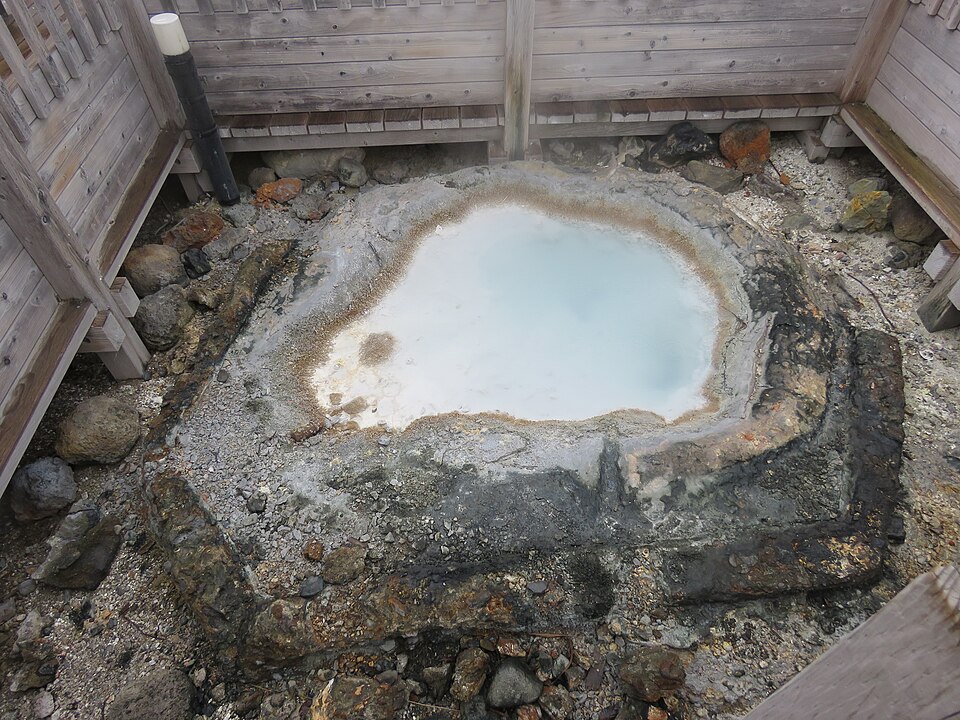
FREEThe valley occupies the center of Noboribetsu Onsen in Hokkaido. Jigokudani translates as Hell Valley. The crater covers 11 hectares and releases roughly 10,000 tonnes of hot spring water each day. Fumaroles vent steam across the floor of the valley, boiling pools bubble at the surface, and the surrounding cliffs carry heavy mineral staining. A walking path winds through the area in about 20 minutes and is open to all visitors at no cost. It ranks among the most striking landscapes accessible on foot anywhere in Japan.
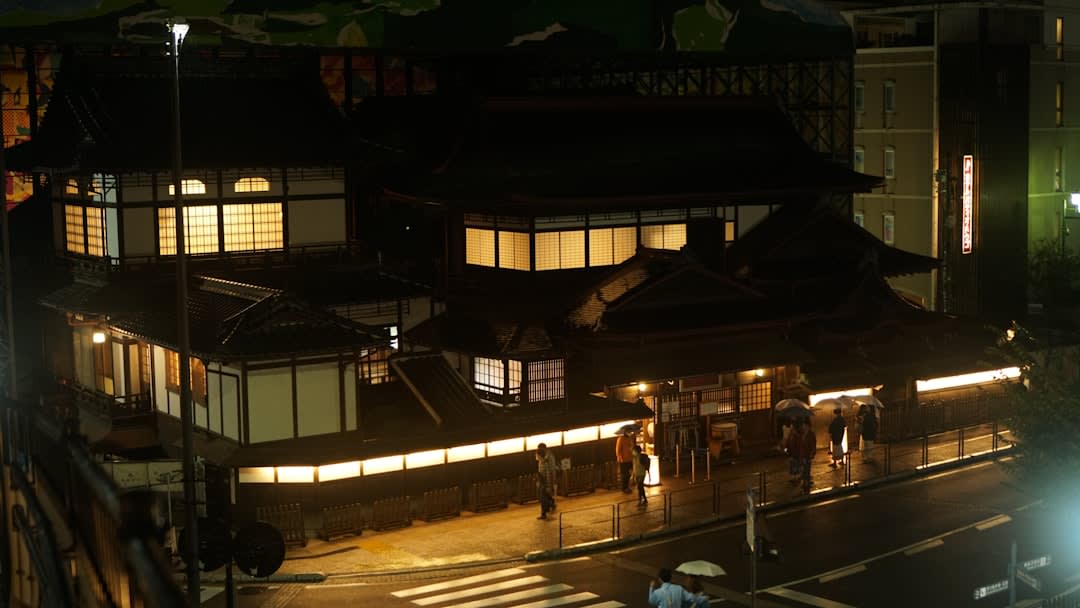
Dogo Onsen ranks among the oldest hot springs in Japan, with written records documenting its use for more than 1,300 years and oral traditions pointing back considerably further. The landmark Dogo Onsen Honkan is a three-storey wooden bathhouse finished in 1894, widely credited as the inspiration for the bathhouse depicted in Studio Ghibli's Spirited Away. The spring water is mildly alkaline and has long been valued for its ability to soften and smooth the skin.
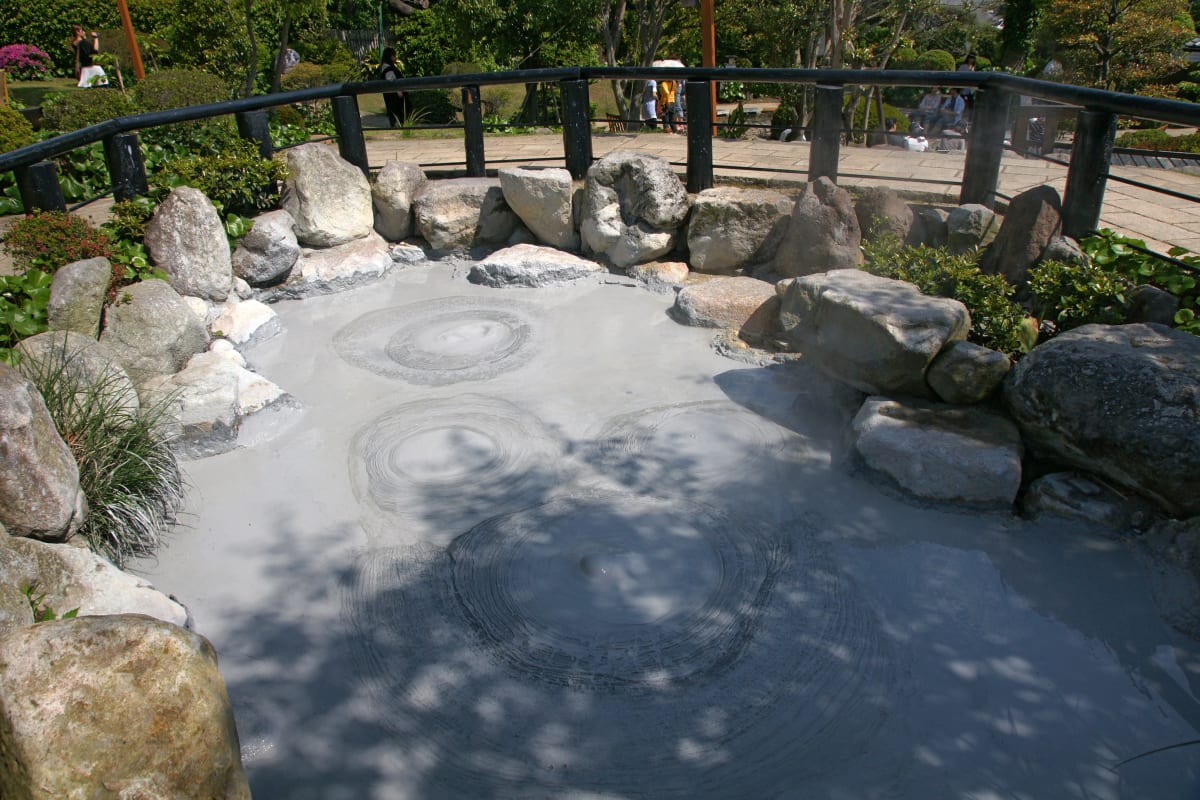
Beppu is the most geothermally active city in Japan, with more than 2,900 hot spring vents located within the city limits and eight distinct thermal spring zones collectively known as the Beppu Hatto. The variety on offer is wide, ranging from grand hotel bathhouses to modest neighborhood public facilities to the celebrated Hells, a collection of brilliantly colored boiling pools scattered across the city. The Hells run far too hot for bathing, but they draw visitors who come to walk among them and take in the spectacle.
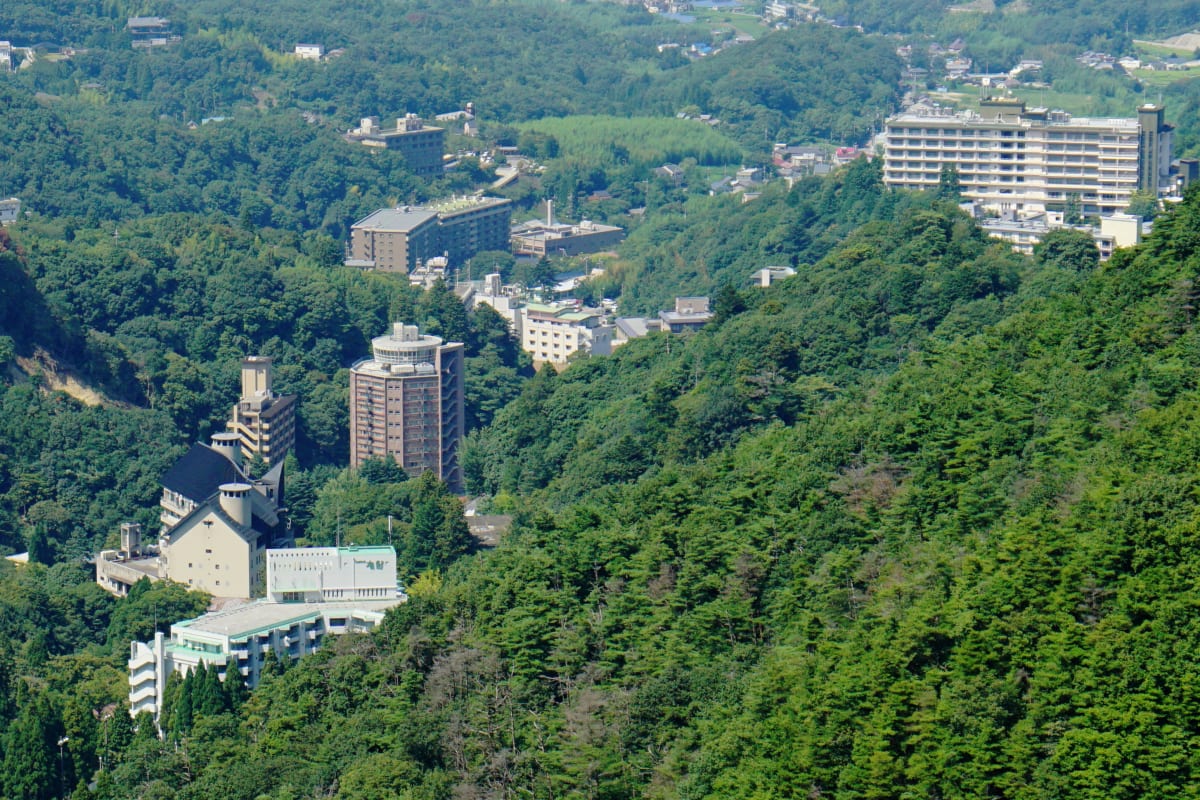
Arima Onsen sits in the hills above Kobe, close to Mount Rokko, and ranks among the oldest hot spring towns in Japan. The town draws visitors for two entirely different spring types that coexist within its compact footprint. Kinsen is the iron-rich golden water that stains surrounding rocks a rusty orange, while ginsen runs clear and carries both carbonation and mild radioactivity. Few other onsen destinations in Japan bring together two such distinct water types within a single small town.
Amenities
Getting there
From Kagoshima: JR Ibusuki-no-Tamatebako
Gateway: Ibusuki (50 min)
Walk to bathhouse
Total journey: 55 min
Take the JR Ibusuki-no-Tamatebako limited express from Kagoshima-Chuo to Ibusuki Station. The journey takes about 50 minutes.
Location & nearby
Ibusuki City, Kagoshima 891-0404
Make a day of it
Pair your soak with these nearby spots.
Attraction
Gan'Yaonsenyado
0.3km away
Attraction
Yoshinoyu
0.4km away
Attraction
Ibusuki City Archaeological Museum Jiyukan COCCO Hashimure
0.6km away
Attraction
Poké Lids (Glaceon)
0.6km away
Attraction
The Hashimuregawa Archaeological Site
0.6km away
Park
Tambaajisai Park
0.7km away
More springs in Kyushu
Beppu is the most geothermally active city in Japan, with more than 2,900 hot spring vents located within the city limits and eight distinct thermal spring zones collectively known as the Beppu Hatto. The variety on offer is wide, ranging from grand hotel bathhouses to modest neighborhood public facilities to the celebrated Hells, a collection of brilliantly colored boiling pools scattered across the city. The Hells run far too hot for bathing, but they draw visitors who come to walk among them and take in the spectacle.
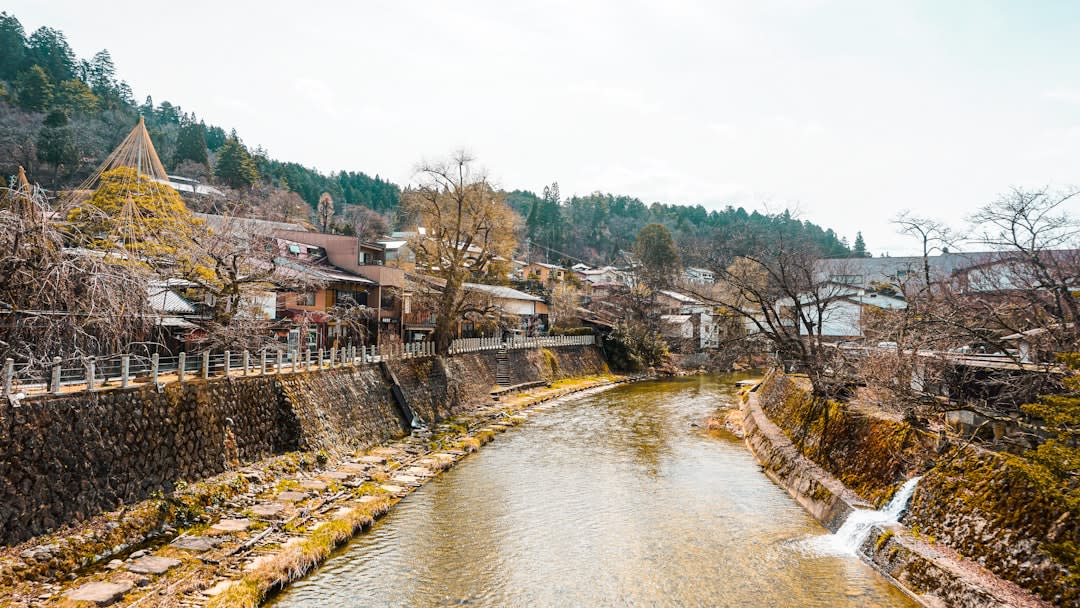
A peaceful artsy onsen town at the foot of Mt. Yufu in Oita Prefecture. The town is known for boutique galleries, craft shops, and ryokan with private outdoor baths. Lake Kinrin sits at the heart of it all. On quiet mornings, steam rises off the lake's surface in a way that seems almost designed to make you stop and stand still.
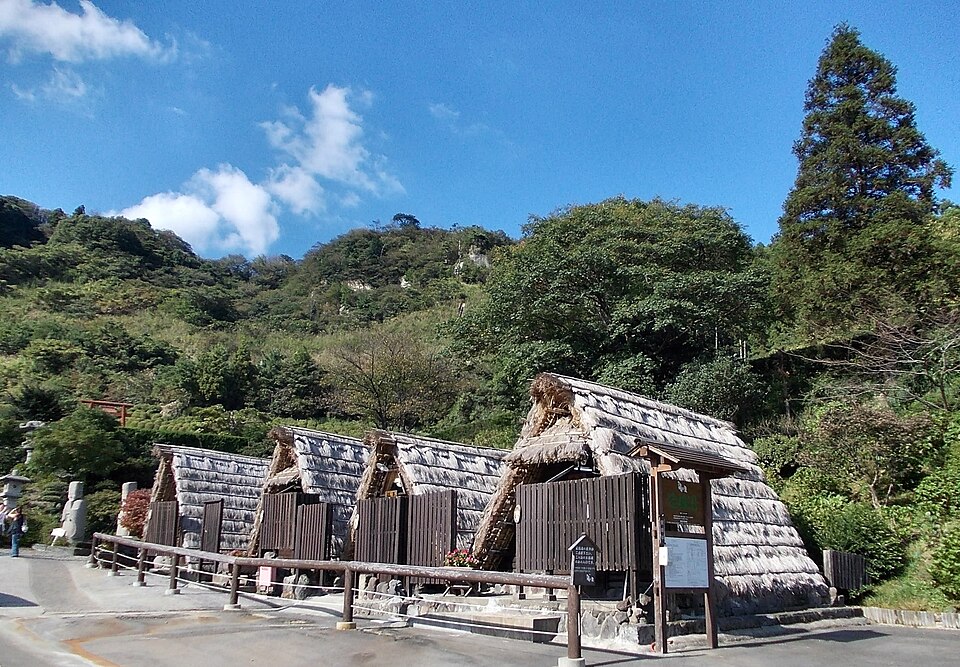
Set on a wooded slope in Beppu's Myoban district, this resort draws visitors for its yunohana, a term meaning hot spring flowers, which are white crystalline deposits that collect on surfaces where steam from the springs cools and condenses. The spring water itself is strongly sulfurous and acidic, rising at high temperatures from one of the eight volcanic source zones that make up Beppu Hatto.
Common questions
What is the water temperature at Ibusuki Onsen?▾
The water temperature at Ibusuki Onsen ranges up to 85°C (minimum around 42°C).
Is Ibusuki Onsen free to visit?▾
Ibusuki Onsen charges an entrance fee in JPY.
Is Ibusuki Onsen a public or private bath?▾
Ibusuki Onsen is a public bathing spring.
Are tattoos allowed at Ibusuki Onsen?▾
Tattoo policy varies at Ibusuki Onsen. Check ahead of your visit.