
SpringsAtlas
Search Hot Springs
All hot springs
241 springs found

One of Japan's most beloved onsen towns. Visitors put on a yukata and wooden sandals and stroll between seven public bathhouses along a willow-lined canal. The wooden bridges, stone walkways, and traditional inn facades have barely changed in a century. The town is built for wandering.
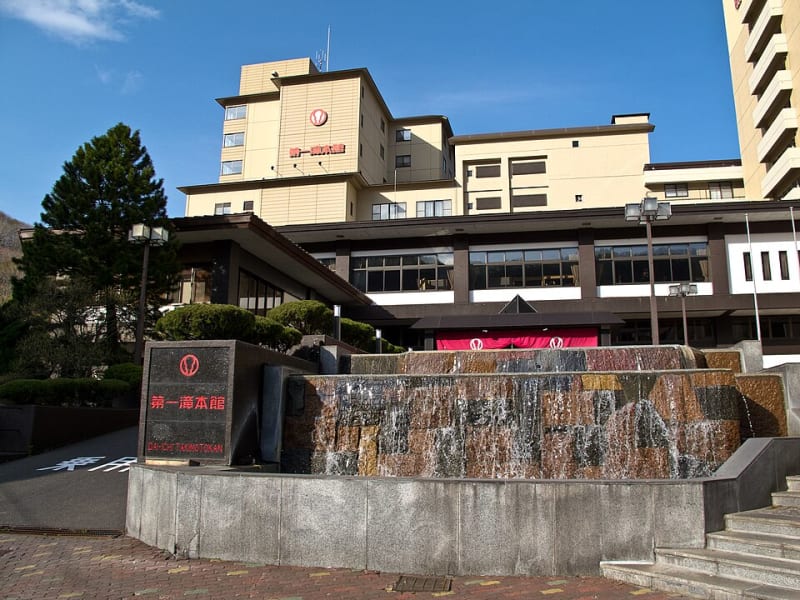
One of Hokkaido's most celebrated bathhouses. Dai-ichi Takimotokan channels water from seven distinct mineral springs into 35 pools spread across multiple floors. Indoor halls open onto outdoor rotenburo overlooking the steam-filled valley below. Day visitors are welcome without an overnight stay.
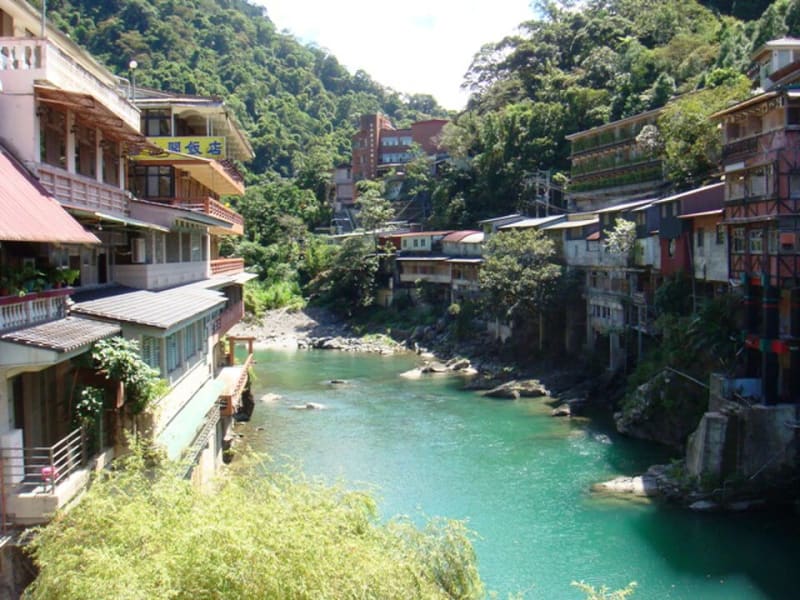
Nestled along the banks of the emerald-green Nanshi River, Wulai is famous for its clear, completely odorless sodium bicarbonate waters. Known locally as beauty springs, the water leaves a silky, hydrating feel on the skin. The surrounding old street and lush canyon provide a scenic mountain backdrop filled with Atayal indigenous culture.
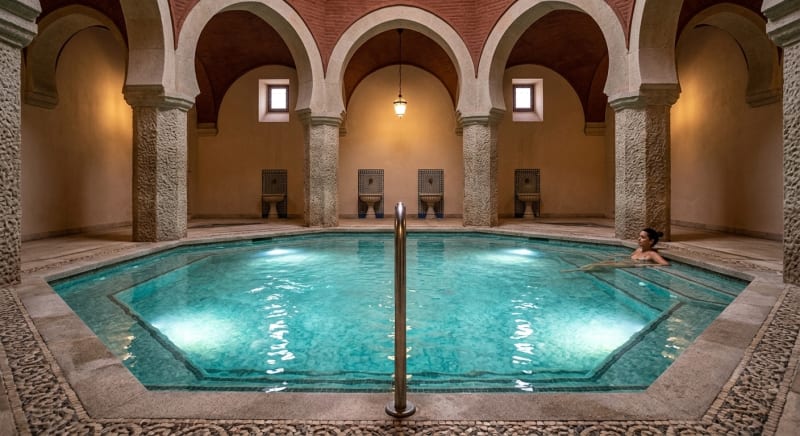
The water contains high levels of calcium, magnesium, and hydrogen carbonate, feeding a beautiful central octagonal thermal pool and four smaller corner pools. The facility is a meticulously restored, intimate sixteenth-century Ottoman bathhouse managed by the Hospitaller Order of Saint John of God. It suits couples and quiet travelers seeking a peaceful, highly historic atmosphere without the massive crowds of larger resorts. Because the facility strictly limits entry to eighty people at a time to maintain serenity, you may experience brief waiting times at the ticket desk during weekends. Swimsuits are completely mandatory for all visitors and the pool area is entirely indoor.
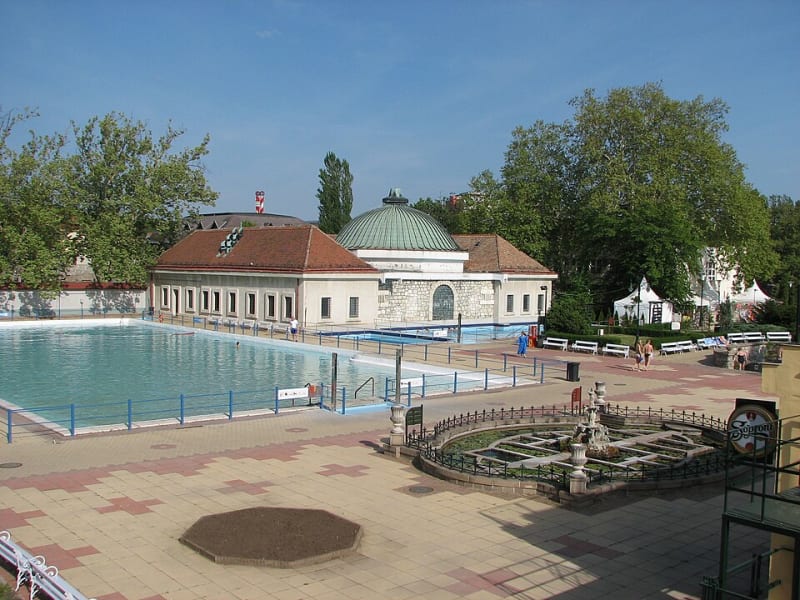
The unique thermal water contains low levels of radon gas, filtering directly up through the pool floors from a natural gravel bed to reduce bodily inflammation. The facility is an exquisitely preserved seventeenth-century Ottoman bathhouse featuring a central pool under a golden dome adorned with thousands of individual mosaic tiles. It suits history buffs and couples looking for an intimate, deeply atmospheric indoor spa experience away from massive water parks. Bathers should note that entry tickets are typically sold for fixed two-hour sessions to prevent overcrowding inside the small historic halls. Swimsuits are strictly mandatory for all sessions.
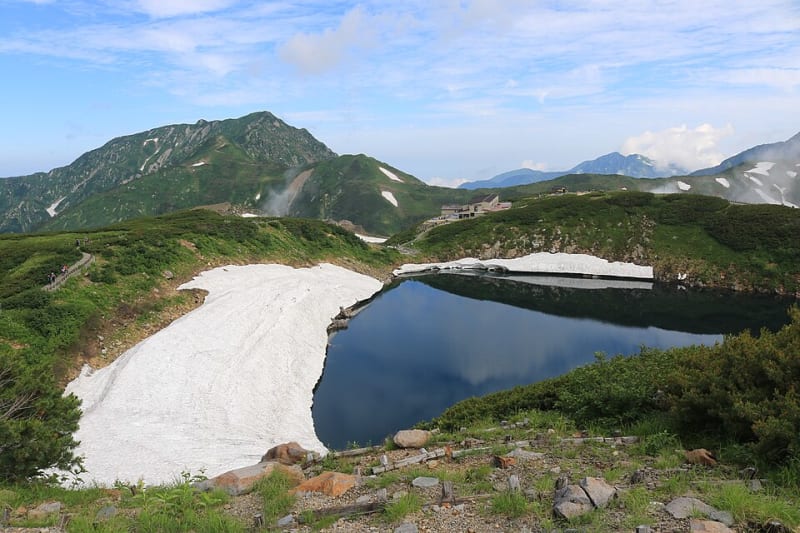
Japan's highest natural hot spring inn sits at 2,410 meters above sea level on the Murodo Plateau, along the Tateyama Kurobe Alpine Route in Toyama Prefecture. The water is a milky white acidic sulfur spring, fully free-flowing and undiluted, fed by the volcanic Jigokudani crater below. The inn is open only from mid-April to late November, and reaching it is an adventure in its own right.
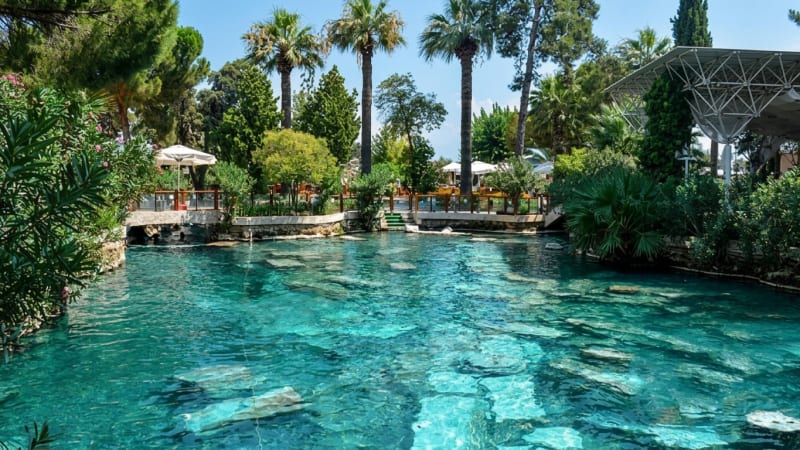
The water is highly carbonated and rich in calcium and magnesium with warm effervescent bubbles rising from the bottom. The pool is filled with submerged Roman columns that collapsed during an ancient earthquake. Visitors swim directly over these historic marble ruins. The facility features modern changing rooms and lockers but guests must bring their own towels. Public bathing is strictly permitted within this designated pool only while wading in the main travertine terraces is restricted to designated paths.
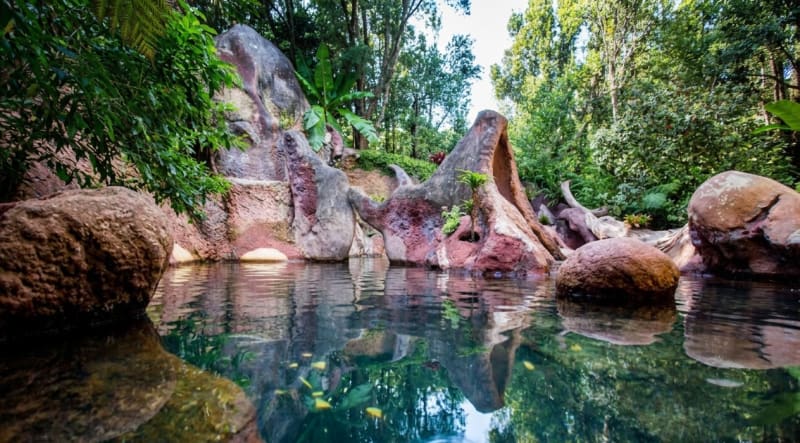
The Lost Spring is a luxury, adults-only thermal resort styled as a lush tropical oasis located within the Whitianga township. The crystal-clear water is drawn from a Pacific geothermal rift valley over 600 meters below the surface, emerging completely sterile and rich in therapeutic minerals. The meticulously styled rock pools are surrounded by hand-planted ferns, cascading waterfalls, and artificial caves that create a tranquil, hidden-world atmosphere. Guests can order cocktails and gourmet platters served directly to the pool edges by waitstaff. The property features a premium day spa built in the tree canopy, offering advanced massage and skin rejuvenation packages. To maintain a quiet, romantic ambiance, children under 14 are strictly prohibited from the pools.
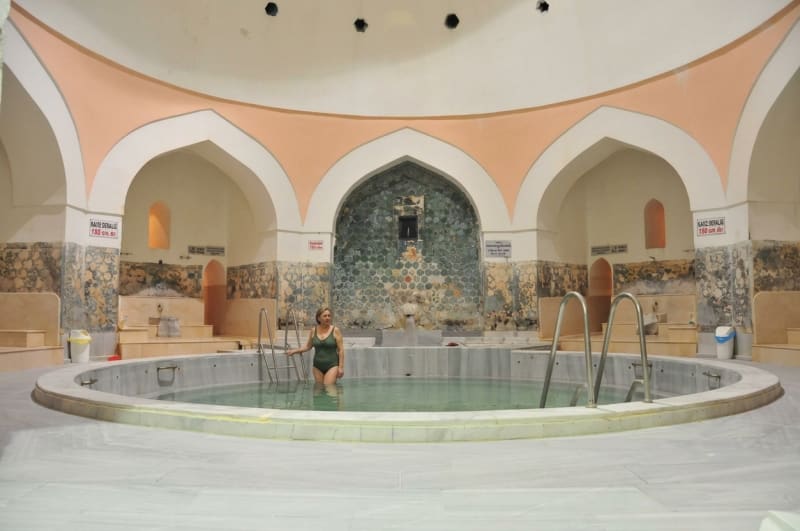
The mineral water is rich in sulfur and sodium chloride with therapeutic benefits for joint pain and skin conditions. The facility is a massive domed bathhouse adorned with beautiful Iznik tiles in shades of green and blue. It offers separate spacious bathing halls for men and women with heated marble platforms for massages. It is popular with local bathers and tourists seeking an atmospheric historic soak. Bring personal toiletries as only basic soap is provided.
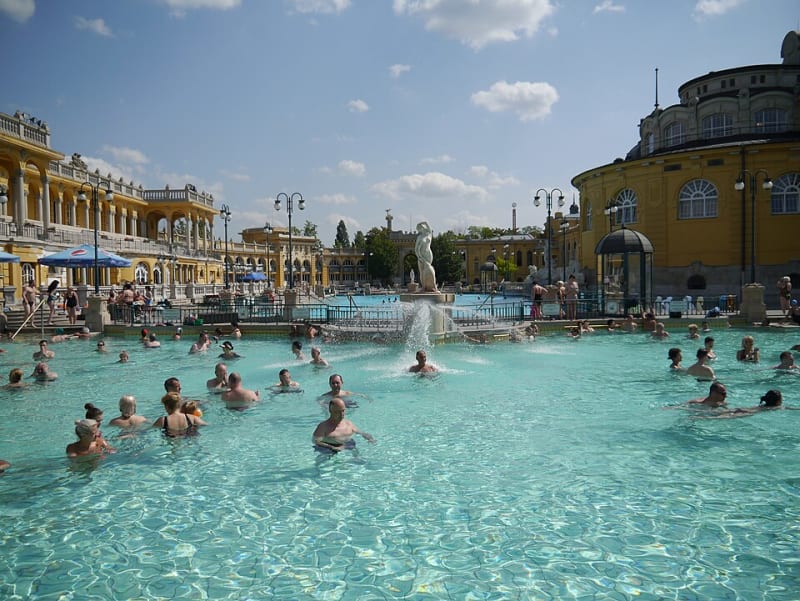
The water is rich in calcium, magnesium, and hydrogen carbonate, surfacing at high temperatures to fill eighteen distinct indoor and outdoor pools. The facility features a spectacular Neo-Baroque yellow palace structure with large outdoor swimming areas where locals famously play chess in the steaming water. It suits travelers looking for a grand architectural experience and extensive thermal facilities. Rental towels can have long lines so bringing your own towel and flip-flops is highly recommended. Swim caps are strictly mandatory only in the outdoor fitness lap pool while the thermal pools do not require them. Expect large tourist crowds during peak afternoon hours.
 FREE
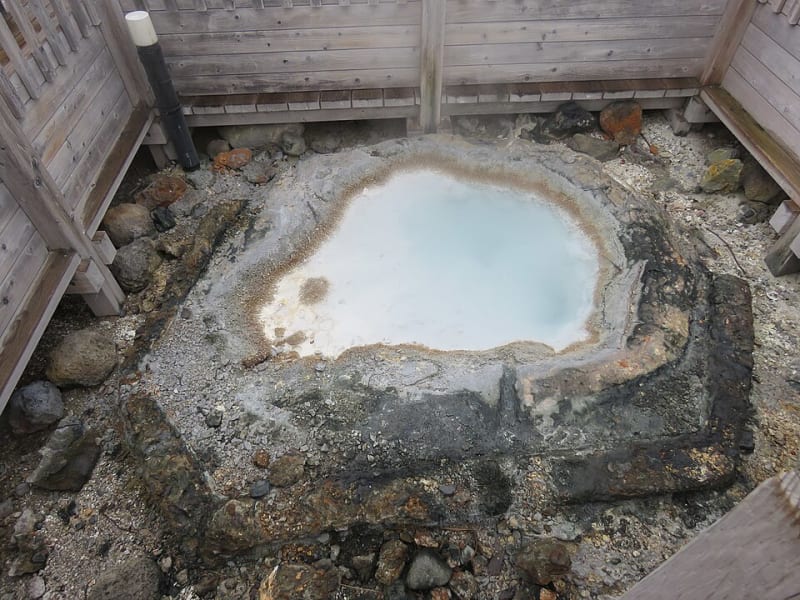
FREEThe valley occupies the center of Noboribetsu Onsen in Hokkaido. Jigokudani translates as Hell Valley. The crater covers 11 hectares and releases roughly 10,000 tonnes of hot spring water each day. Fumaroles vent steam across the floor of the valley, boiling pools bubble at the surface, and the surrounding cliffs carry heavy mineral staining. A walking path winds through the area in about 20 minutes and is open to all visitors at no cost. It ranks among the most striking landscapes accessible on foot anywhere in Japan.
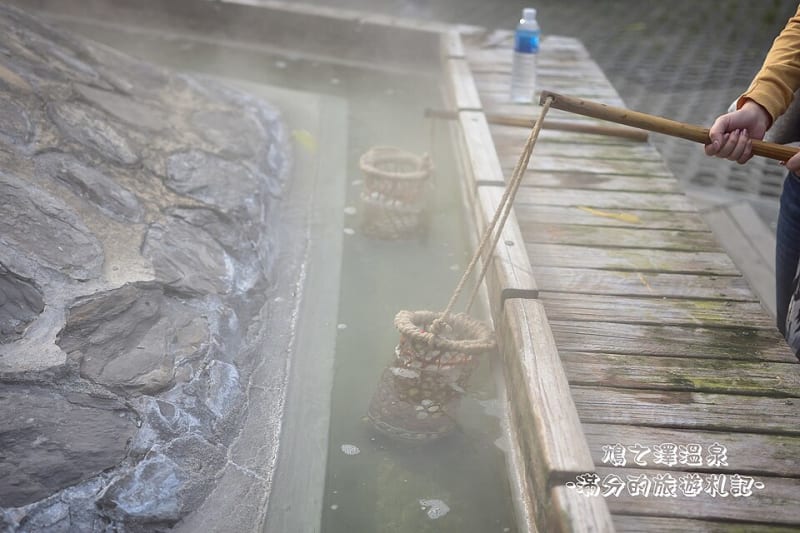
Located deep inside the Taipingshan National Forest, this alpine hot spring features an outdoor family pool made from massive natural boulders. The alkaline bicarbonate water boasts a beautiful iridescent blue hue and leaves a smooth feel on the skin. The source water emerges near boiling, so the complex also features geothermal cooking cones where visitors can boil eggs and corn.
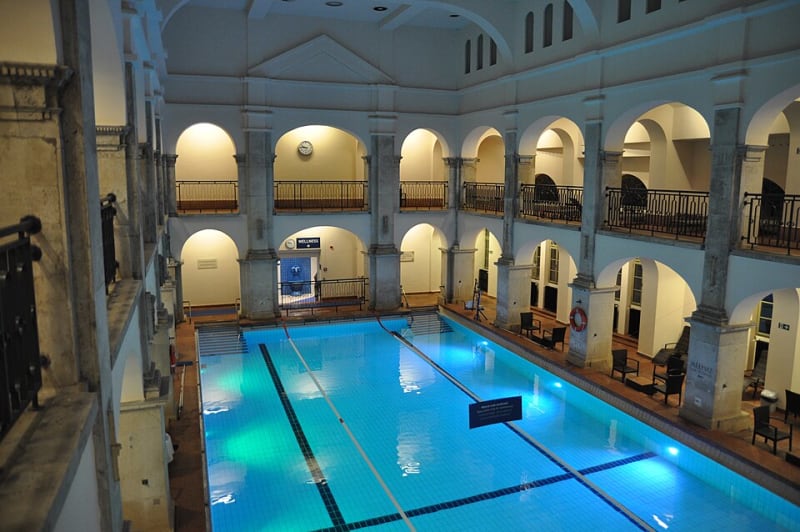
The natural thermal water contains high levels of sulfur, calcium, and magnesium, flowing directly into a historic octagonal pool hall and modern wellness areas. The facility seamlessly blends a sixteenth-century Ottoman dome bath with a sleek modern wellness wing featuring a rooftop hot tub that overlooks the Danube River. It suits travelers looking for both historic Turkish authenticity and modern panorama views. Visitors must be aware that the historic Turkish section retains traditional single-sex days for men and women during the week while the weekend is completely coed. Swimsuits are required on coed days and a swimsuit is always mandatory in the newer rooftop wellness sections.

The unique water features an exceptionally high mineral content of sodium chloride, hydrogen carbonate, and iron, giving the therapeutic pools a distinct dark color and unique healing properties. The facility is the second largest spa complex in Hungary, boasting over thirty-four pools, extensive medical treatment areas, a modern sauna world, and an outdoor adventure park. It suits seniors seeking physical rehabilitation and families looking for diverse outdoor water slides. Visitors should note that the medicinal pools have an intense mineral aroma and can cause minor swimwear staining over time. Swim caps are required only in the designated indoor sport swimming lanes.
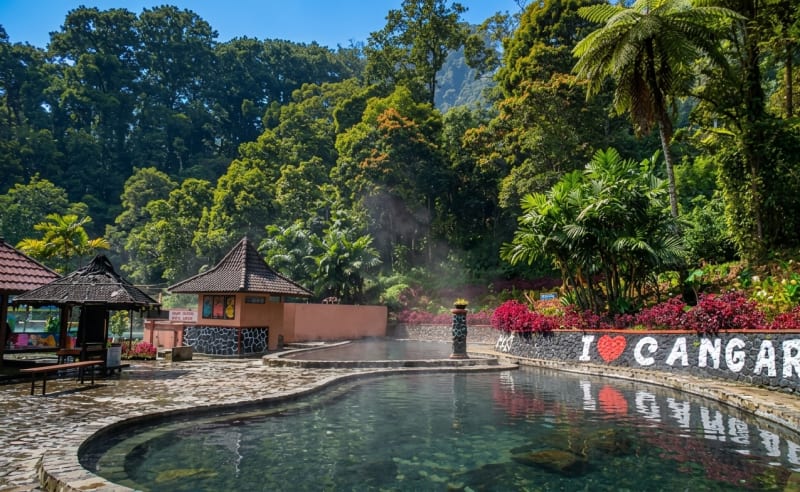
Tucked within the Tahura Raden Soerjo forest park on the slopes of Mount Welirang above Batu, Cangar offers open-air pools of milky-green, sulfur-rich thermal water surrounded by dense montane jungle. Wild lutung monkeys are regularly seen in the tropical canopy overhanging the steaming baths, and the misty pine-forest mountain road in is part of the appeal. The contrast of hot mineral water and cool highland air is the main draw.

The thermal water is sourced directly from the deep boreholes of Margaret Island, containing calcium, magnesium, and low-concentration sulfur minerals across multiple thermal pools. The facility operates as a massive open-air lido and beach park during summer, featuring giant water slides, a wave pool, and indoor thermal baths that stay open all year. It suits families, lap swimmers, and active travelers looking for extensive outdoor space and casual sunbathing lawns. Visitors should prepare for massive family crowds and long food kiosk lines during warm summer weekends. Swim caps are required strictly in the designated swimming lanes while casual thermal pools are cap-free.
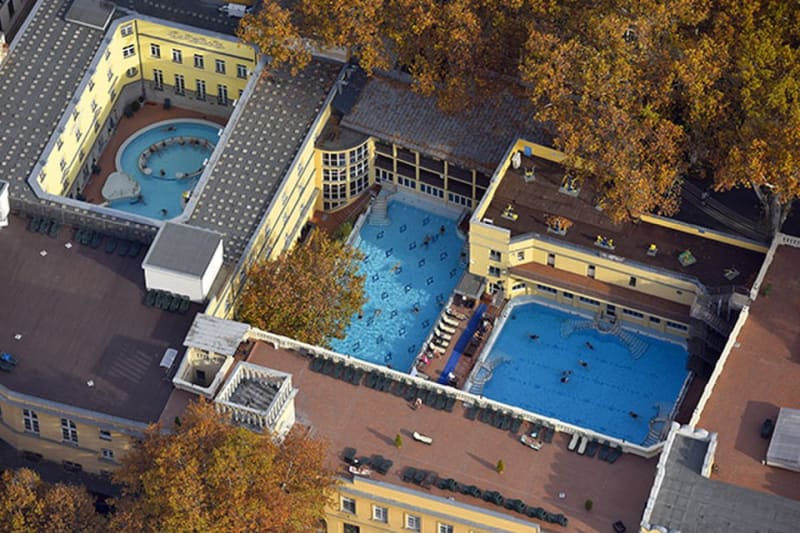
The thermal water is rich in calcium, hydrogen carbonate, and sulphate minerals, powering multiple indoor thermal pools and large outdoor fitness pools. The facility operates as a historical, sprawling complex featuring a tranquil courtyard lined with marble gratitude plaques from cured international patients. It suits budget-conscious travelers and locals who prefer an authentic, less-commercialized medicinal bath experience away from the heavy tourist tracks. Bringing your own towel and slippers is essential since rental options are limited. Swim caps are strictly mandatory in the outdoor swimming pools but you do not need them for the indoor thermal soaking areas.
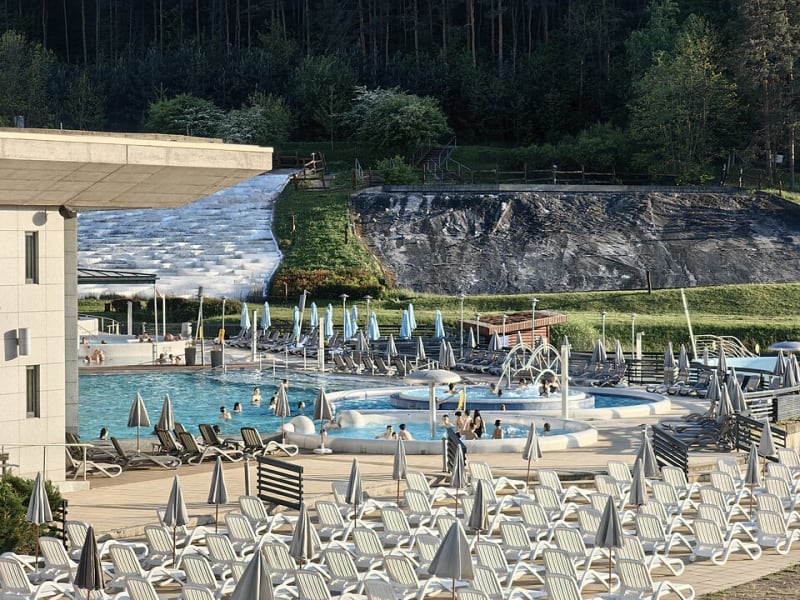
The water is incredibly rich in sulfur, calcium, and sodium minerals, flowing down a massive white travertine salt mound that creates a spectacular natural terrace formation. The facility is a massive, premium resort spa complex featuring seventeen indoor and outdoor pools, cascading thermal streams, and advanced panoramic sauna cabins. It perfectly suits couples and luxury wellness travelers seeking a scenic, photogenic destination. Visitors should be aware that the strong sulfur aroma is highly noticeable across the entire valley. The white salt hill itself is protected and cannot be stepped on, but the outdoor soaking pools sit directly adjacent to it for exceptional views.

The thermal water features an incredibly high concentration of active carbonyl sulfide, a unique gaseous sulfur compound that absorbs into the human body significantly faster than standard sulfates. The facility is a massive thirty-acre wellness and medicinal park located in southern Hungary, offering large covered thermal halls, extensive outdoor swimming lawns, and advanced medical wellness clinics. It heavily suits patients suffering from chronic psoriasis and severe joint inflammation. Bathers should note that the unique gaseous sulfur has an incredibly pungent aroma that completely fills the indoor halls. It is highly recommended to remove all jewelry and metal items before soaking to prevent severe tarnishing.

Beppu is the most geothermally active city in Japan, with more than 2,900 hot spring vents located within the city limits and eight distinct thermal spring zones collectively known as the Beppu Hatto. The variety on offer is wide, ranging from grand hotel bathhouses to modest neighborhood public facilities to the celebrated Hells, a collection of brilliantly colored boiling pools scattered across the city. The Hells run far too hot for bathing, but they draw visitors who come to walk among them and take in the spectacle.