
Mikuriga-ike Onsen
みくりが池温泉
4.5 · 1278 reviews · via Google
Mikuriga-ike Onsen
sulfur · Chubu
Hotter than 40% of Japan springs (n=122).
More acidic than 9% of Japan springs (n=121).
Mineral profile
Bar width reflects listing order, not measured concentration.
Suitability
At a glance
Getting there
Easy — under 1km from a station
Cost
High
Crowd level
Moderate
About this spring
Japan's highest natural hot spring inn sits at 2,410 meters above sea level on the Murodo Plateau, along the Tateyama Kurobe Alpine Route in Toyama Prefecture. The water is a milky white acidic sulfur spring, fully free-flowing and undiluted, fed by the volcanic Jigokudani crater below. The inn is open only from mid-April to late November, and reaching it is an adventure in its own right.
Highlights
History
The Murodo Plateau has served as a sacred site within Tateyama mountain faith for centuries.
Pilgrims regarded the sulfurous fumaroles of Jigokudani as a direct manifestation of the underworld. The inn was founded in 1957 as a mountain hut serving climbers. Visitor numbers rose sharply after a bus road to the plateau was finished in 1964, and climbed again in 1971 when the Tateyama-Kurobe Alpine Route opened to the general public. The onsen takes its name from the nearby Mikurigaike volcanic crater lake.
Local guide
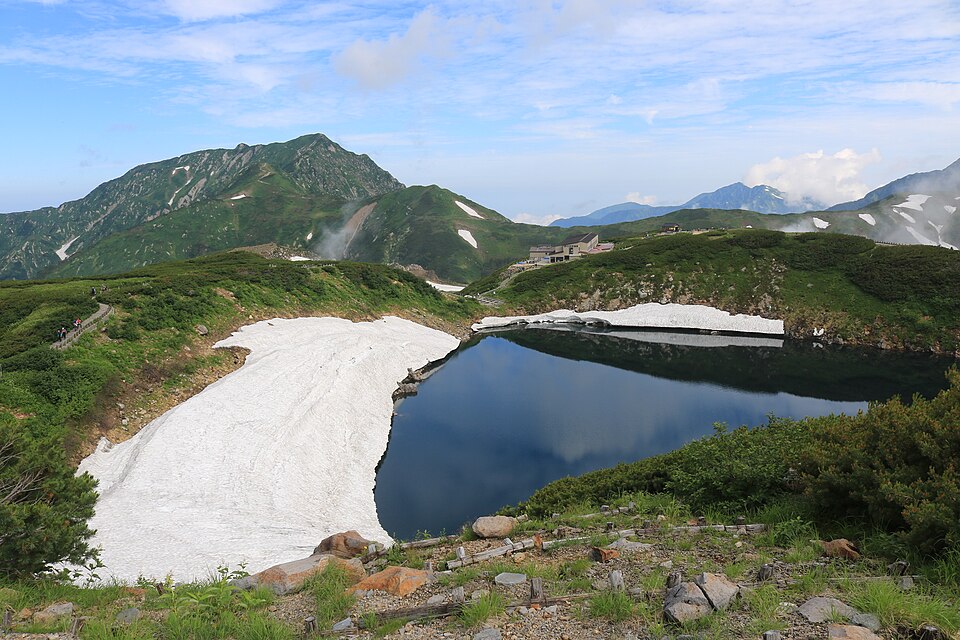
Getting to Mikuriga-ike Onsen is half the experience. From Toyama Station you board a series of cable cars, trolleybuses, and ropeways that climb steadily into the Northern Alps. By the time you reach Murodo Terminal, the highest point on the Tateyama Kurobe Alpine Route at around 2,450 meters, the air feels thin and carries a sharp bite even in late spring. From there, a fifteen-minute walk across the volcanic plateau, past steaming vents and the pale-green waters of Mikurigaike Pond, brings you to a low, weathered wooden building sitting on the edge of the Jigokudani crater. This is Japan's highest natural hot spring inn, and nothing about the approach lets you forget it.
The water at Mikuriga-ike is dramatic from the moment it leaves the earth. It pumps up from the Jigokudani geothermal zone at around 45 degrees and carries a strong sulfur smell that hits you before you even step inside. In the pools, the water is a milky, pale turquoise that turns almost white as it cools at the surface. It is highly acidic, with a pH of just 2.28, and your skin notices it immediately as a faint, clean sting. The spring runs 100 percent naturally, never diluted or reheated, and it flows constantly out of the baths and into the volcanic ground below.
The outdoor bath here offers a view that no lowland onsen can match. The Tateyama mountain range rises in every direction, and in the weeks right after the snow season ends in mid-April, you can sit in the hot, milky water surrounded by walls of white that tower several meters on either side of the walking path. The contrast of that cold, silent alpine world against the scalding, sulfurous pool is disorienting in the best possible way. Because the facility sits above the treeline entirely, there is no forest to soften the scale of the landscape. It is just rock, sky, steam, and the distant sound of wind across the snowfields.
The inn operates only from mid-April to late November each year, forced to close when the mountain roads become impassable. That limited window, combined with the effort of getting here, keeps the crowds small. Day visitors do share the bath with overnight guests, but even at peak season the Murodo plateau has a quietness that feels earned. If you make the journey in October, the alpine grasses turn rust and amber around the crater rim, and the steam rising off the pools catches the low morning light in ways that are difficult to describe. This is not a bath you stumble upon, but every step of the climb makes the water feel exactly right when you finally get in.
Mineral chemistry
Sulfuric hot springs are among the most studied in balneology worldwide. The sulfur compounds, primarily hydrogen sulfide and thiosulfate, have documented antimicrobial and anti-inflammatory properties. Regular bathing is associated with relief from chronic skin conditions including eczema and psoriasis, as well as joint inflammation and muscle soreness. Sulfuric waters have been used therapeutically across Asia and Europe for centuries.
The distinctive rotten-egg smell dissipates quickly after leaving the bath. Avoid if you have a sulfur allergy, very sensitive skin, or respiratory conditions. Remove silver jewellery before entering — sulfur will blacken it permanently.
Acidic springs (pH below 6) have natural exfoliating properties. The low pH gently dissolves dead skin cells, leaving skin noticeably smoother after a soak. Strongly acidic springs (pH below 3) also carry antimicrobial effects potent enough that they have historically been used to treat skin infections.
Limit initial soaks to 3–5 minutes until you know how your skin responds. Rinse thoroughly with fresh water afterwards to neutralise the acid. Not recommended for broken skin, active eczema flare-ups, fresh tattoos, or children under 10.
Similar springs
 FREE
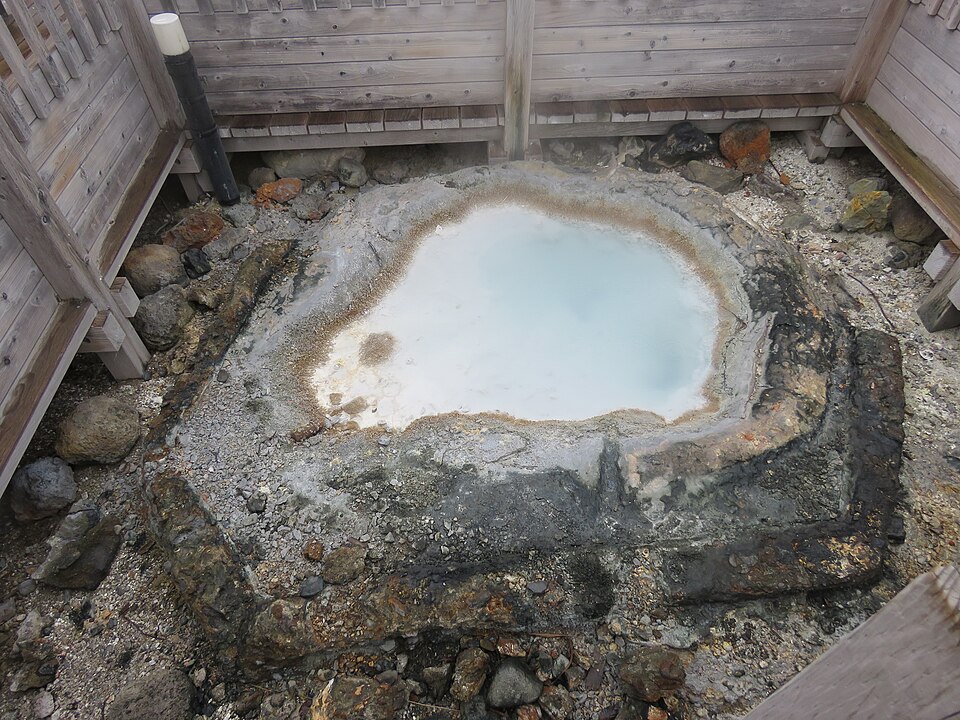
FREEThe valley occupies the center of Noboribetsu Onsen in Hokkaido. Jigokudani translates as Hell Valley. The crater covers 11 hectares and releases roughly 10,000 tonnes of hot spring water each day. Fumaroles vent steam across the floor of the valley, boiling pools bubble at the surface, and the surrounding cliffs carry heavy mineral staining. A walking path winds through the area in about 20 minutes and is open to all visitors at no cost. It ranks among the most striking landscapes accessible on foot anywhere in Japan.
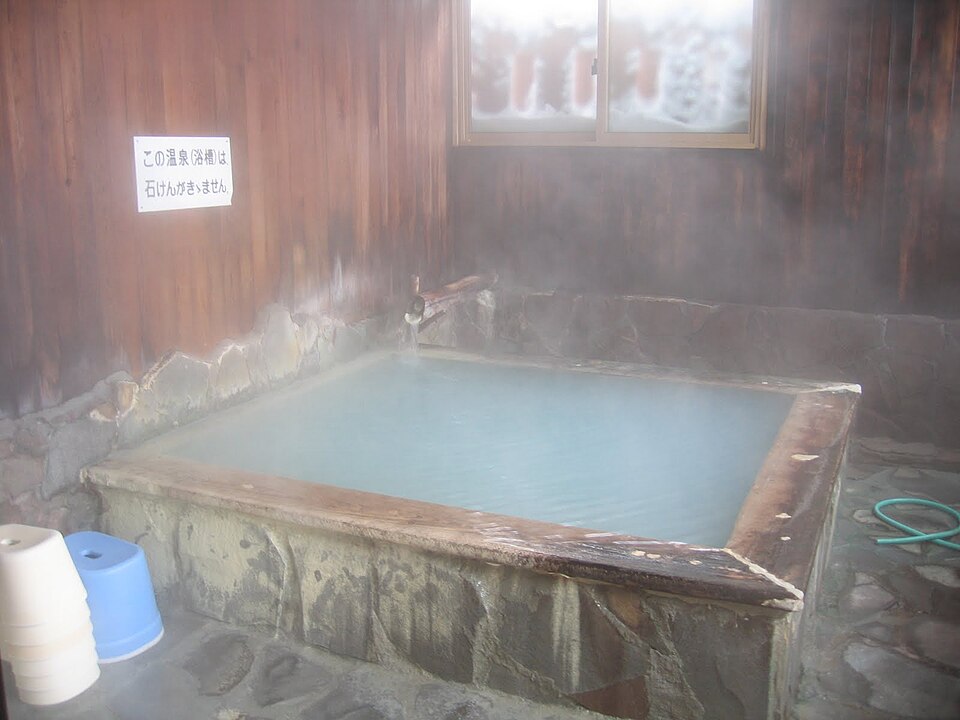
Set deep in the Hakkoda Mountains of Aomori Prefecture, Sukayu Onsen is a historic bathhouse best known for its cavernous mixed-bathing hall, the Sen-nin-buro, which translates as the Bath of a Thousand Bathers. The waters are strongly acidic, the setting is rustic and unhurried, and winter brings extraordinary snowfall to the surrounding mountains.
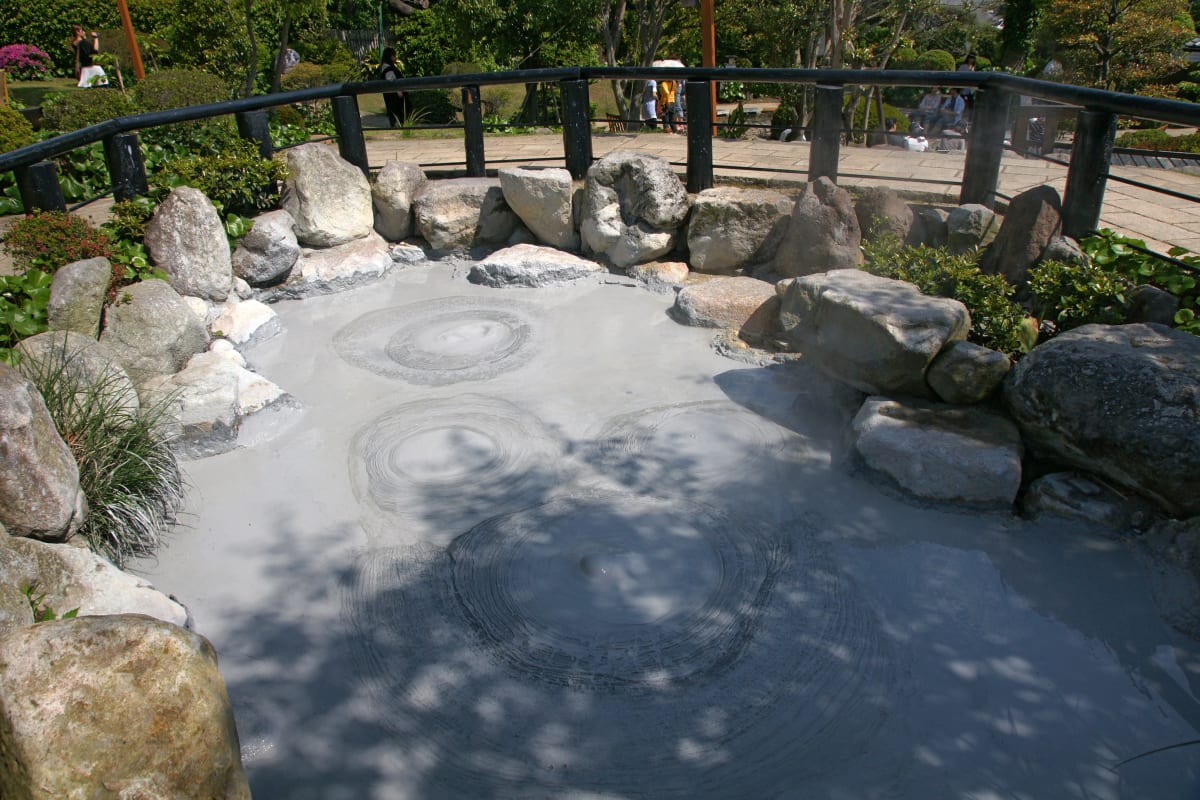
Beppu is the most geothermally active city in Japan, with more than 2,900 hot spring vents located within the city limits and eight distinct thermal spring zones collectively known as the Beppu Hatto. The variety on offer is wide, ranging from grand hotel bathhouses to modest neighborhood public facilities to the celebrated Hells, a collection of brilliantly colored boiling pools scattered across the city. The Hells run far too hot for bathing, but they draw visitors who come to walk among them and take in the spectacle.
 FREE
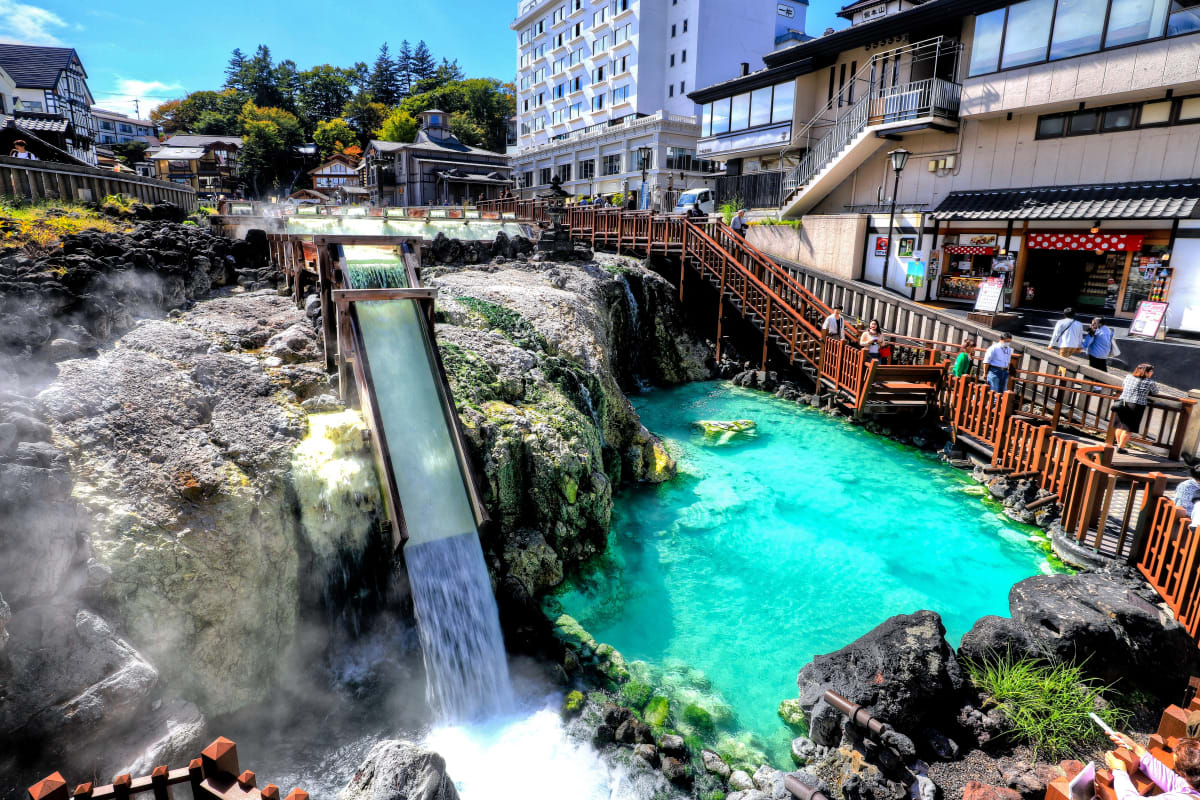
FREEKusatsu Onsen sits at 1,200 meters in the mountains of Gunma Prefecture and ranks among the most celebrated hot spring towns in Japan. The springs here produce more than 32,000 liters of water per minute, a volume unmatched anywhere else in the country. The water is strongly acidic and sulfurous, and its skin-healing properties have long made it legendary among visitors. Twice each day in the central town square, workers cool the scalding water by pulling long wooden paddles through it in unison while singing traditional songs. This practice is called yumomi.
Amenities
Getting there
Take the Hokuriku Shinkansen to Toyama Station, then transfer to the Tateyama Kurobe Alpine Route: Toyama Chiho Railway to Tateyama Station, then ropeway and cable car stages to Murodo Terminal. Mikurigaike Onsen is a 15-minute walk from the terminal. The route is open from mid-April to late November.
Location & nearby
〒930-1414 富山県中新川郡立山町室堂平
Make a day of it
Pair your soak with these nearby spots.
Attraction
Mikurigaike Onsen
0.0km away
Park
Toyamaken・Tateyamakurobeアルペンルート・Mikurigaike
0.1km away
Attraction
Emmadai
0.1km away
Park
Chu Busangakukokuritsu Park Tateyama
0.3km away
Attraction
Tateyamaarupenru To Mikurigachi
0.3km away
Attraction
Oyamaho Honshakyu Shaden
0.5km away
More springs in Chubu
 FREE
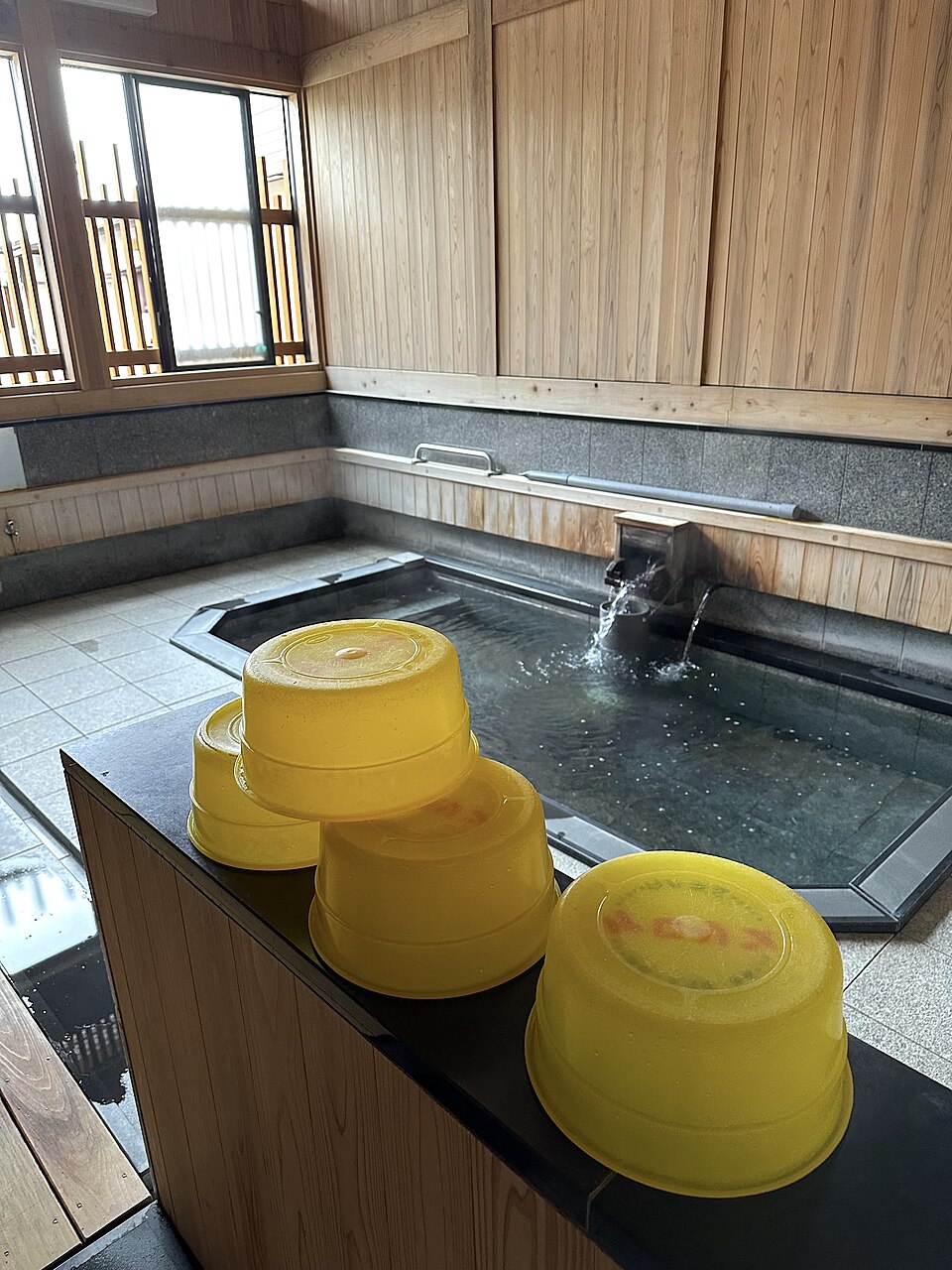
FREENozawa Onsen is a traditional village in Nagano Prefecture that maintains 13 free public bathhouses open to visitors and residents alike. These bathhouses, known as soto-yu, have been overseen by neighborhood cooperatives called yunakama for close to four centuries. The village also contains world-class ski slopes, a pairing that is genuinely uncommon anywhere in the world.
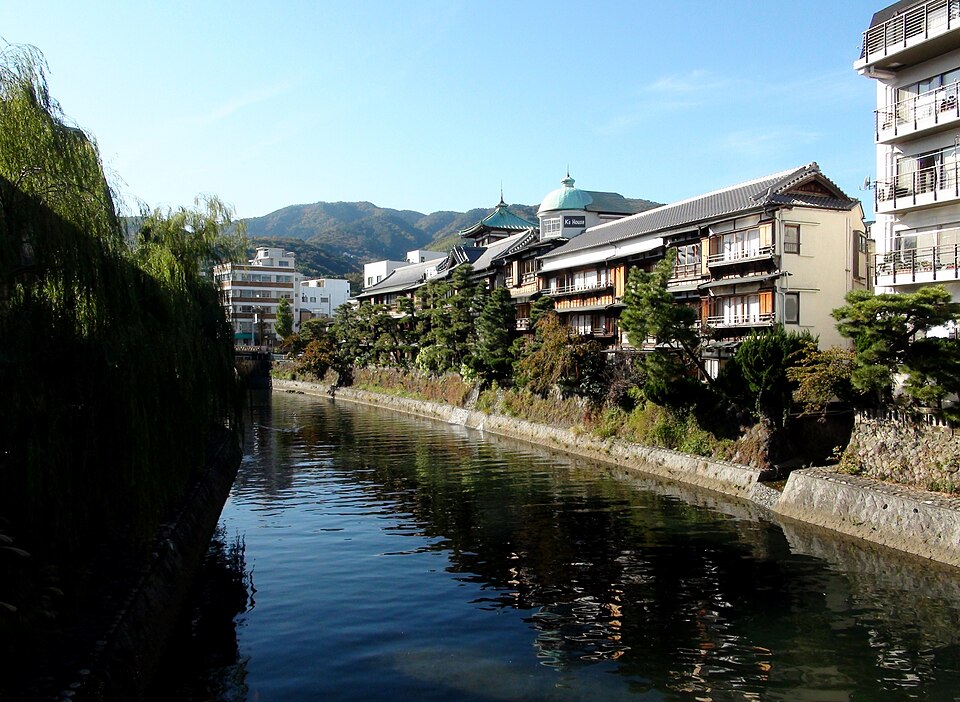
Ito sits along the eastern shore of the Izu Peninsula, facing the ocean and ranking among Japan's most productive hot spring districts by volume. More than 1,500 individual springs feed the town's supply, together pushing out around 30,000 kiloliters of water each day. Palm-lined avenues, tropical parks, and botanical gardens set the tone here, giving Ito a resort atmosphere that reads as distinctly its own compared to inland onsen destinations.
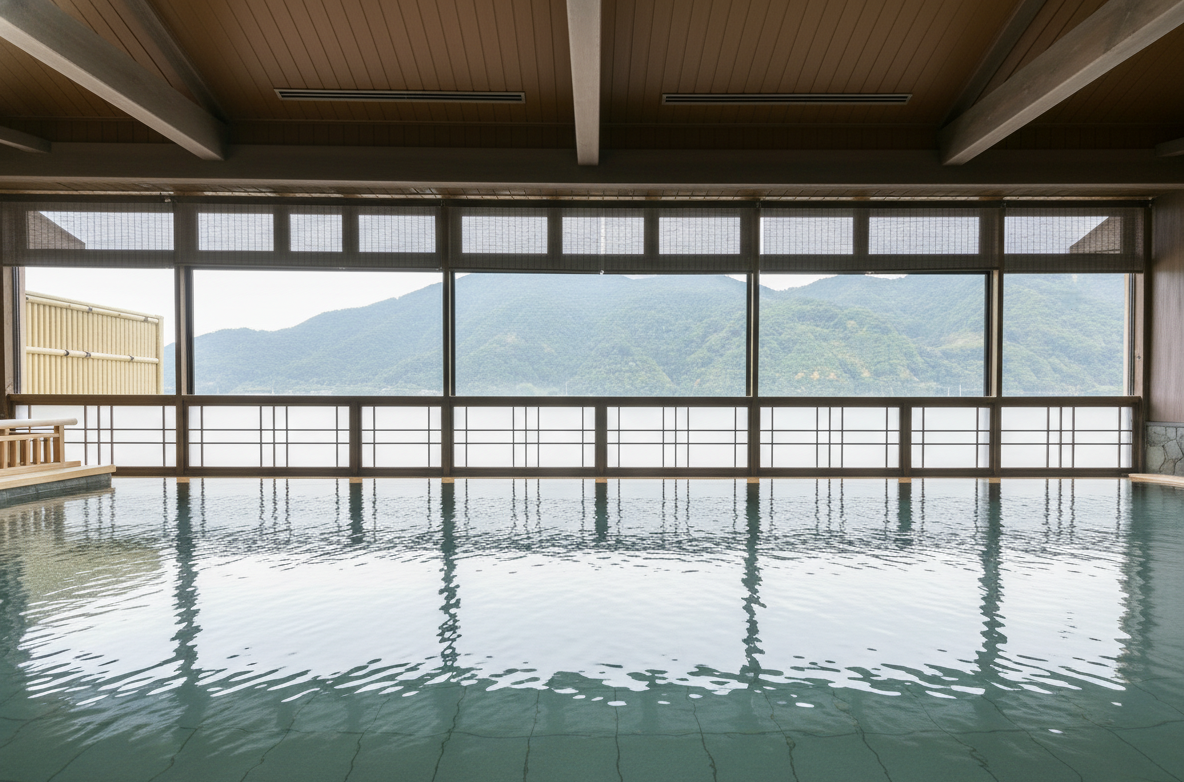
A mountain town in Niigata Prefecture famous for heavy snowfall and a unique sake-infused bath. After a day on the ski slopes, visitors soak in outdoor baths while snow falls silently around them. The town is also the setting of one of Japan's greatest novels.
Common questions
What is the water temperature at Mikuriga-ike Onsen?▾
The water temperature at Mikuriga-ike Onsen ranges up to 54°C (minimum around 45°C).
Is Mikuriga-ike Onsen free to visit?▾
Mikuriga-ike Onsen charges an entrance fee in JPY.
Is Mikuriga-ike Onsen a public or private bath?▾
Mikuriga-ike Onsen is a public bathing spring.
Are tattoos allowed at Mikuriga-ike Onsen?▾
No, Mikuriga-ike Onsen does not permit visible tattoos.