
SpringsAtlas
Search Hot Springs
All hot springs
241 springs found
 FREE
FREEHot Water Beach is a world-famous coastal phenomenon where underground geothermal springs filter up through the sand between the high and low tide marks. Visitors rent or bring shovels to dig out their own personalized spa pools in the sand, which rapidly fill with steaming, mineral-rich thermal water. The hot water contains high amounts of sodium chloride and calcium, filtering from deep subterranean reservoirs. The soaking experience is entirely dependent on ocean tides, as the thermal area is completely submerged by the sea outside a two-hour window on either side of low tide. The beach is scenic but features hazardous rip currents, making swimming in the open ocean highly dangerous. The experience is entirely free, though parking and shovel rentals incur small costs.

Arima Onsen sits in the hills above Kobe, close to Mount Rokko, and ranks among the oldest hot spring towns in Japan. The town draws visitors for two entirely different spring types that coexist within its compact footprint. Kinsen is the iron-rich golden water that stains surrounding rocks a rusty orange, while ginsen runs clear and carries both carbonation and mild radioactivity. Few other onsen destinations in Japan bring together two such distinct water types within a single small town.
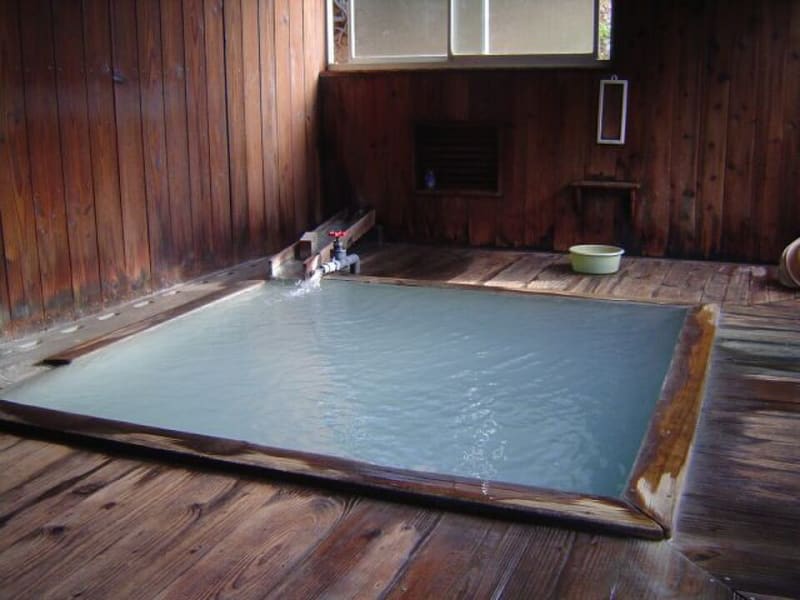
Ofuka Onsen sits at roughly 1,100 meters in the Hachimantai highland of Akita Prefecture, a compact and out-of-the-way spring that opens each year from early May through mid-October. The water is a straightforward sulfur type and flows in generous volume. What draws most visitors is the ondol, platforms warmed from below by geothermal steam rising through the ground. This form of heat therapy has deep roots in northeast Asia but is uncommon in Japan.
 FREE
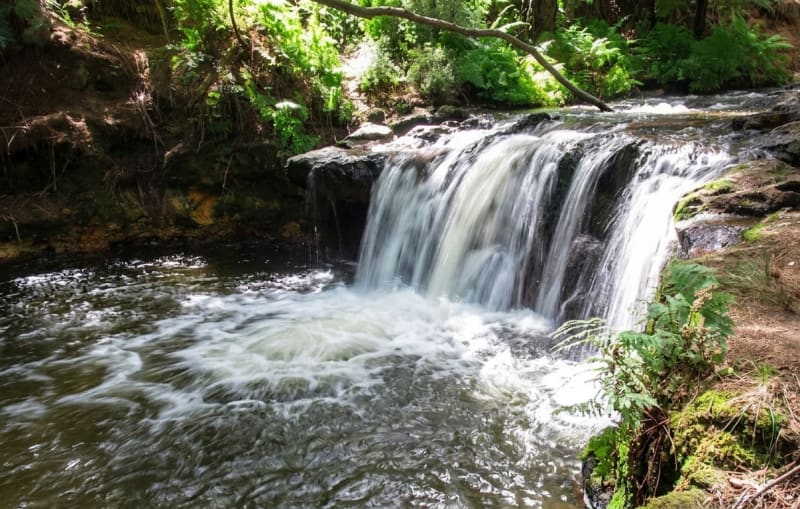
FREEKerosene Creek is a widely popular, completely natural geothermal stream that flows through a dense forest of native ferns and exotic pines. Bathers sit directly in the rushing warm river current or relax underneath a two-meter natural waterfall that tumbles into a deep sand-bottomed pool. The water contains natural volcanic sulfur, giving it an earthy aroma and a soothing, natural feel. The attraction is entirely free and undeveloped, lacking lifeguards, changing facilities, or toilets. Visitors change in the forest and leave their belongings on the riverbanks. It offers a raw, magical wilderness experience that is highly popular with both backpackers and locals. Theft from vehicles in the isolated gravel parking lot is a common caveat, so travelers must leave no valuables inside.
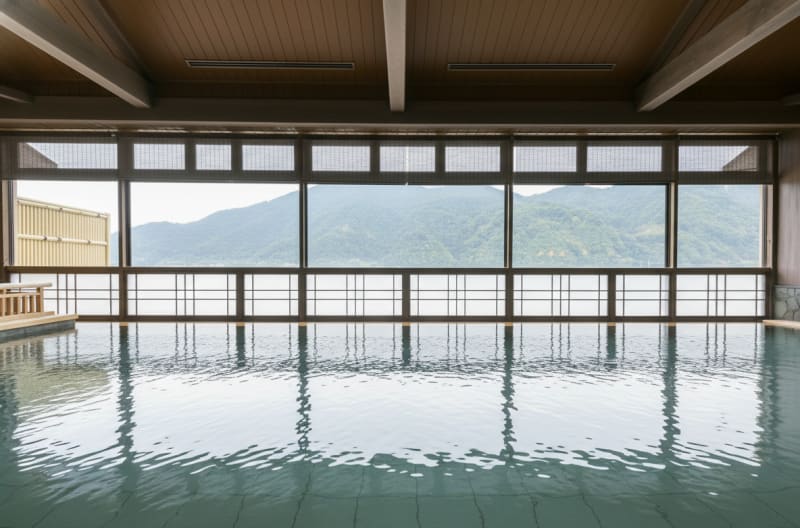
A mountain town in Niigata Prefecture famous for heavy snowfall and a unique sake-infused bath. After a day on the ski slopes, visitors soak in outdoor baths while snow falls silently around them. The town is also the setting of one of Japan's greatest novels.

Hyotan Onsen sits in Beppu's Kannawa steam district and ranks among the city's most beloved public bathhouses. The facility draws on seven separate spring waters and brings them together across a range of bathing options, including a hot-sand bath, a waterfall pool, private family rooms, and an open-air rotenburo, all within a single complex surrounded by rising geothermal steam. It is the only onsen in Japan to have received three Michelin Stars.
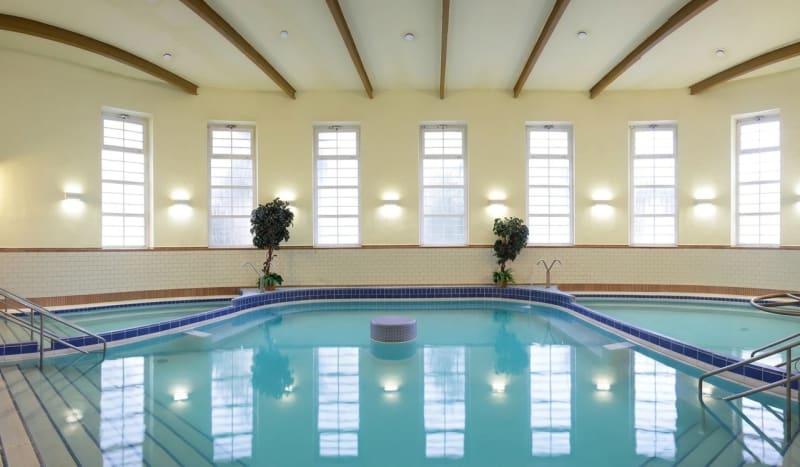
The mineral water features calcium, magnesium, and hydrogen carbonate ions, channeled into multiple indoor thermal pools and a modern outdoor wellness courtyard. The facility is a compact, unpretentious functionalist bathhouse that retains a friendly neighborhood atmosphere. It heavily suits budget travelers and families who want a simple thermal soak without the expensive resort add-ons or heavy tourist crowds of the city center. Visitors should bring their own sandals and towels as amenities are straightforward and no-frills. The outdoor pools feature integrated massage jets and are highly comfortable even during cold winter evenings. Under-14s are not permitted in the thermal pools.

Whakarewarewa is an authentic living Maori village constructed directly on top of an active geothermal field, where residents have lived alongside bubbling mud pools and geysers for centuries. Visitors take cultural walking tours to observe how natural steam vents are used for cooking hangi meals and communal bathing boxes are utilized by local families. The historic village pools are residential and closed to public swimming, though a dedicated footbath zone lets visitors soothe their feet in the geothermal water. For a full immersion soak, visitors typically head to the commercial spas located right outside the village boundary. The entry fee directly supports the indigenous Tuhourangi Ngati Wahiao community who manage the heritage site. The pathways are flat and highly accessible for all visitors.
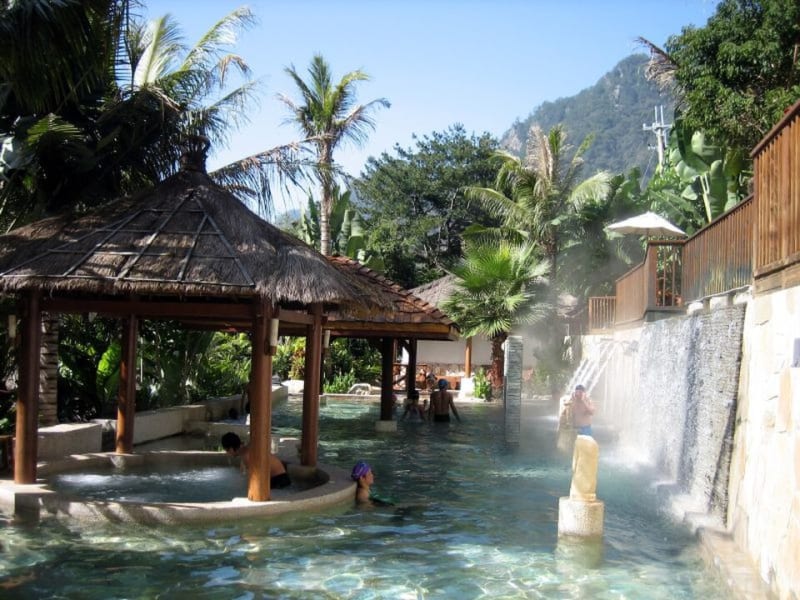 FREE
FREELocated along the scenic Central Cross-Island Highway, this park features free, open-air public foot pools that contain therapeutic Doctor Fish which nibble away dead skin cells. The water is a mild, weakly alkaline carbonic acid spring with a light hint of sulfur that is clear and relaxing. The park is beautifully integrated with mountain walking trails and an indigenous cultural center.

A working public bathhouse on Naoshima Island in Kagawa Prefecture that also operates as a major contemporary art installation. Artist Shinro Ohtake designed every surface as original artwork, covering the space with mosaic tile murals, painted glass ceilings, ceramic fixtures, and a collage-style exterior. An elephant sculpture named Sadako occupies the center of the main hall. The facility is open to local island residents and to international visitors who come to the island for its art.

Maruia Hot Springs is a tranquil, Japanese-style eco-resort located in the scenic Lewis Pass national reserve along the Maruia River. The mineral-rich waters flow directly from subterranean paths into open-air rock pools, indoor bathhouses, and thermal steam rooms. The water is heavy in sodium, bicarbonate, and natural boron, providing a remarkably slippery, skin-softening sensation that mimics traditional Onsen. The resort operates on 100 percent renewable hydro energy generated on-site, complementing its deep focus on wellness, nourishment, and environmental sustainability. Guests can soak while enjoying panoramic views of the rugged Southern Alps and native beech forests. Footpaths link the pools to saunas, cold plunges, and an organic restaurant. This property is fully accessible and includes overnight lodging options.
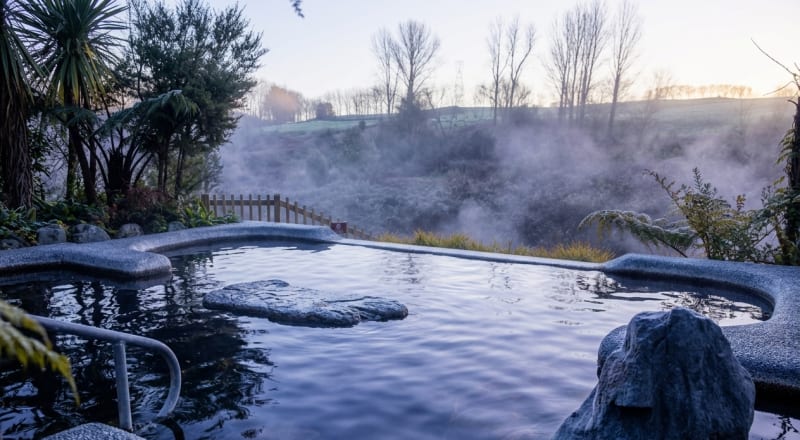
Waikite Valley Thermal Pools is a premium family-oriented eco-complex that prides itself on using 'living water' that is never chemically treated or recycled. The pure boiling water originates from the adjacent Te Manaroa Spring and passes through natural cooling cascades before entering the public soaking pools. The pools are rich in natural silica and completely odorless, surrounded by lush country pastures and steaming marshlands. A highlights of the park is the short, accessible Eco-Trail boardwalk that leads guests directly to the boiling mouth of the main spring source. The complex features a range of family pools, adult quiet zones, private splash blocks, and a basic campsite for campervans. Changing amenities are modern and well-maintained.
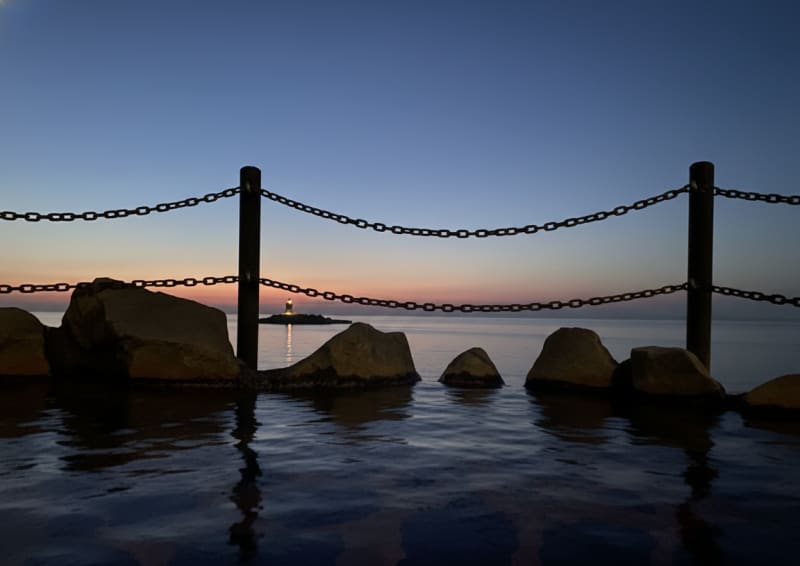
Tara Onsen is a premium all-suite ryokan in Tara Town, Saga Prefecture, set on a rise above the Ariake Sea with views reaching Unzen's Fugen Peak. Each of the 16 rooms has its own private open-air hot spring bath. A communal rotenburo on the top floor looks out over the Ariake Sea, where guests can watch the water's dramatic tidal movements while soaking. The kitchen centers its menu on Takezaki crab, a prized blue crab variety that local fishermen harvest daily.
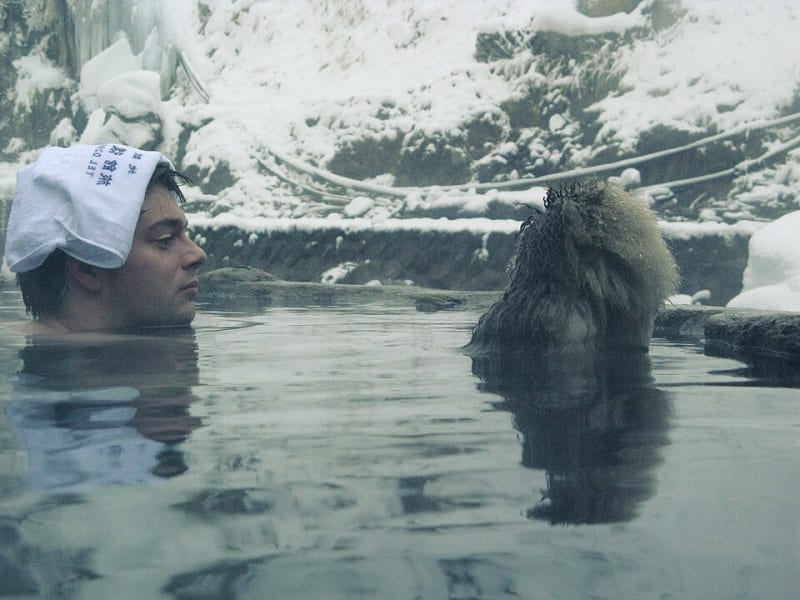
Jigokudani Onsen sits in the Shiga Kogen highlands of Nagano Prefecture, a remote mountain spring known above all for the troops of Japanese macaques that descend from the surrounding forest to bathe in the open-air pools. The Korakukan ryokan has operated at this location for more than 150 years. Visitors reach the spring on foot, following a narrow trail through beech forest for about 30 minutes.
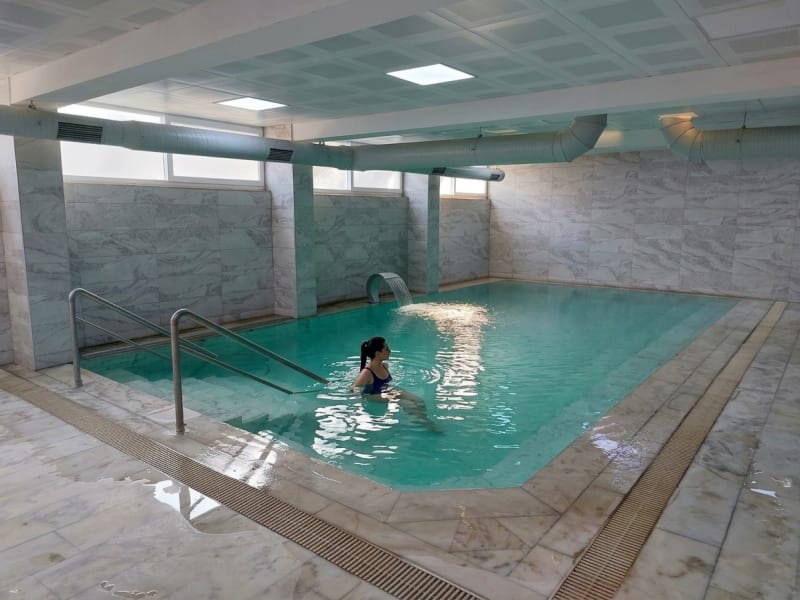
The water is clear and odorless with a high mineral content of calcium and fluoride. The bathhouse has an indoor pool and a connecting outdoor pool surrounded by lush green forests. It features a historic lead covered dome and an attached steam sauna room. It suits families and couples looking for a relaxed mountain retreat away from the city. Swimming caps are required in the pools and can be purchased at the reception desk.
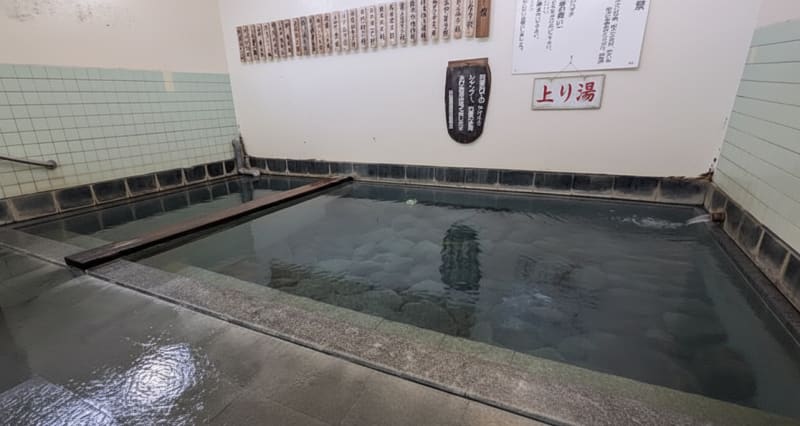
Nuruyu Onsen sits along the Aseishi River near Nakano Momijiyama Mountain and holds the distinction of being the oldest spring in the Kuroishi cluster of Aomori Prefecture. The water carries a faint green tint and emerges at roughly 41.7 degrees Celsius, a temperature well suited to long, unhurried soaks. At the entrance to the village stands a kokeshi doll, a marker of the Tsugaru region's folk-craft heritage. A kokeshi museum and craft center operate within easy reach.

The Kamuiwakka River flows through the UNESCO World Heritage wilderness of the Shiretoko Peninsula in northeastern Hokkaido, heated along its entire length by the active volcano Mount Io on the slopes above. Visitors climb the riverbed itself, wading through a succession of natural waterfall pools that grow progressively hotter with each step upward.
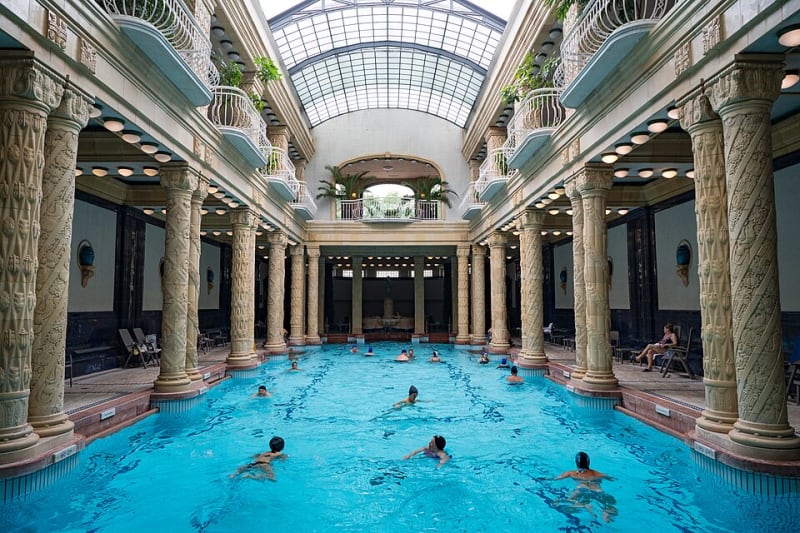
The healing springs are loaded with calcium, magnesium, and hydrocarbonate minerals, keeping a series of ornate indoor pools beautifully heated. The facility showcases magnificent Art Nouveau architecture with intricate Zsolnay porcelain mosaics, towering marble columns, and colorful stained-glass windows overhead. It heavily suits art lovers and travelers seeking a visually striking, historical soaking environment. Visitors should note that the historic indoor pools can echo significantly and feel crowded during weekend afternoons. Bringing a personal towel and sandals is highly recommended. Swim caps are required only if you decide to enter the indoor wave and swimming pool areas.
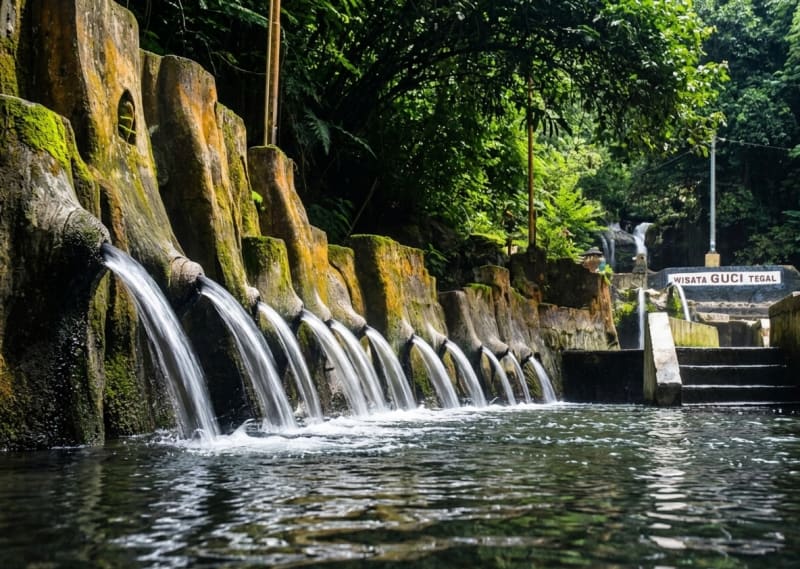
On the chilly northern slopes of Mount Slamet, Central Java's highest volcano, Guci is a sprawling highland resort where clear, completely odorless mineral water cascades down public stone tiers like warm waterfalls. The most famous spot, Pancuran 13, channels the spring through thirteen spouts where visitors stand for a warm mineral shower, while private resort pools sit nearby. Crisp mountain air, frequently wrapped in cool mist, contrasts with the steaming currents.

Maribaya lies in the cool highlands of Lembang above Bandung, where mild low-sulfur hot springs meet a forested river gorge and waterfalls. The modernized resort combines deep communal pools and premium private cabanas with garden walkways, sky bridges, and viewing decks over the Cikapundung valley. The mountain air stays crisp year round, making the warm water especially welcome.