A friend planning her first trip to Japan asked me a question that sounded simple. Is an onsen just a hot spring? I started answering and realized twenty minutes had passed and I was drawing diagrams on a napkin.
Because the honest answer is yes, and also absolutely not. The water might come from the same kind of geological source, but an onsen in Japan, a thermal bath in Budapest, and a wild hot spring on an Icelandic hillside are three different experiences with three different sets of rules. Knowing which one you are walking into changes what you pack, what you wear, and what you do with your towel.
Hot spring: the geological word
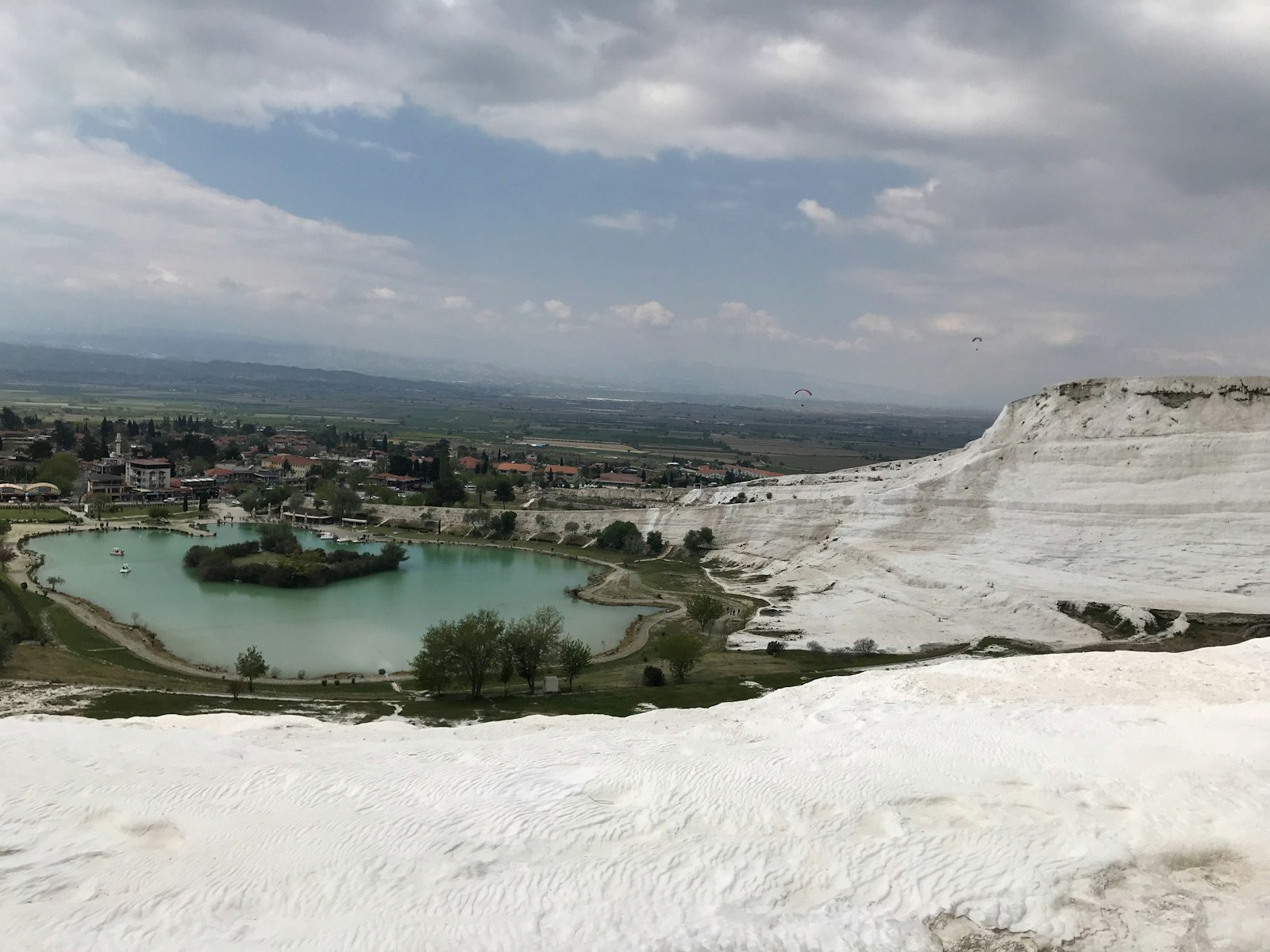
Hot spring is the umbrella term, and it is geology, not culture. Groundwater seeps down, gets heated by the earth, and comes back up carrying dissolved minerals. Every onsen and every thermal bath starts as a hot spring. Not every hot spring gets a building put on top of it.
When we say wild or natural hot spring on this site, we mean the undeveloped kind. A warm river in Rotorua. A stone pool in the Icelandic highlands. Kerosene Creek in New Zealand, where you sit in a forest stream under a warm waterfall and there is no ticket counter because there is no ticket. Swimwear is standard at these, facilities are minimal or absent, and the etiquette is basically leave-no-trace.
Onsen: a legal definition with a culture on top
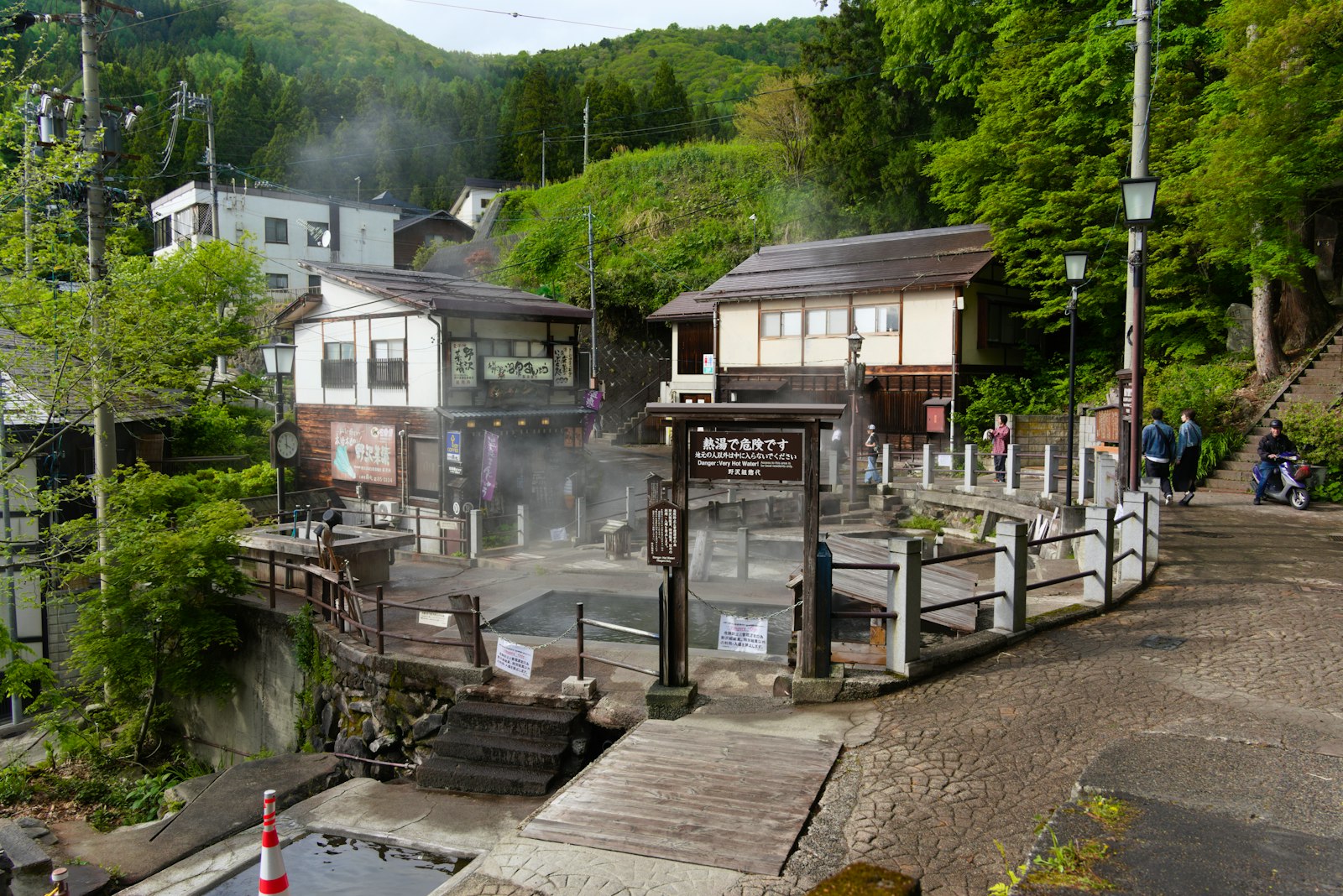
Onsen is a Japanese word with an actual legal definition. Japan's Hot Spring Act of 1948 says water qualifies if it emerges at 25 degrees or warmer, or contains minimum concentrations of specific minerals. Japan has more than twenty-seven thousand source springs that qualify, which is why the country has an entire culture built around them.
And it is the culture that makes an onsen an onsen. You bathe nude. Swimwear is not modest at an onsen, it is unhygienic, because the shared water is sacred ground and you wash thoroughly at the shower stations before entering. The small towel stays out of the water, folded on your head or set on the rocks. Tattoos are still restricted at many traditional facilities, though this is slowly changing.
None of this is arbitrary. Wash-before-entering keeps communal water clean. Nude bathing has centuries of history as a social equalizer. If you learn the sequence once, it runs on rails. I wrote a full first-timer's etiquette guide that walks through it step by step.
Taiwan inherited much of this culture from the Japanese era and then relaxed it. Public pools in Taiwan usually require swimsuits and caps, while private rooms follow the Japanese pattern. The history of how that happened is its own story.
Thermal bath: the European institution
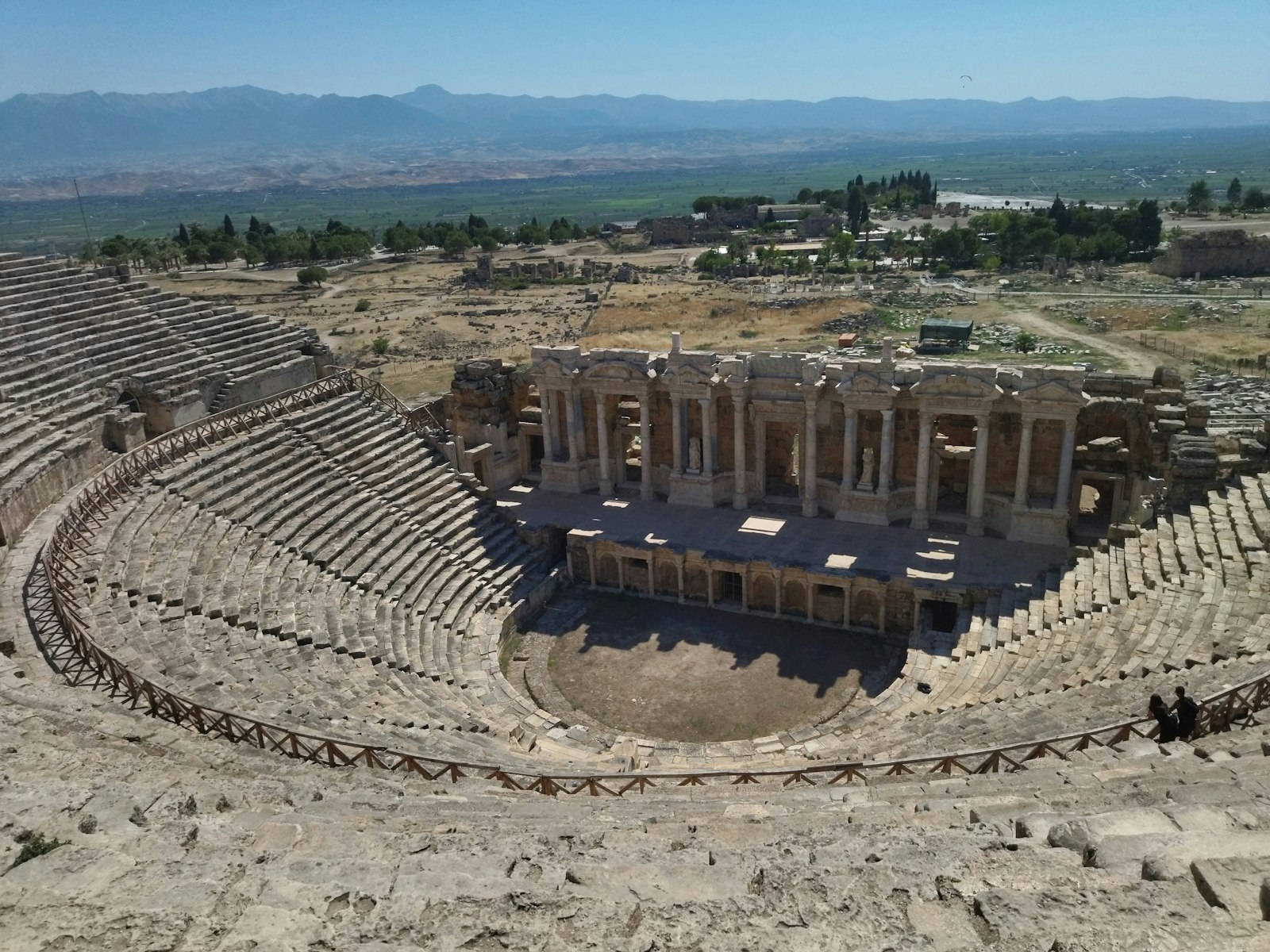
A thermal bath is what Europe built on top of its hot springs, and the lineage runs through Rome and the Ottoman Empire rather than through Shinto purification. The word to picture is architecture. Domes, columns, tiled halls, and a building designed to be admired while you soak.
Budapest is the world capital of this form. The city sits on more than a hundred springs, and its bathhouses range from a 1566 Ottoman dome to a 1913 Neo-Baroque palace. I have not soaked in Budapest yet. It moved sharply up my list while we researched and built the Hungary section of SpringsAtlas, and everything in this section comes from that research rather than from my own skin.
The rulebook is nearly the mirror image of Japan. Swimwear is mandatory. You do not wash ceremonially beforehand, though showers exist and using them is polite. Bathing is social in a different way. People read newspapers in the water. They play chess. Sessions are long and conversational. Many Hungarian baths also run a parallel medical identity, with doctors prescribing soak regimens for joint and skin conditions, which is a level of institutional seriousness the wild-spring world has never needed.
Iceland splits the difference with its own category, the geothermal pool. Some are developed lagoons with swim-up bars, some are wild pools that cost nothing. Swimwear required, but the pre-swim shower is mandatory and taken seriously, nude, in the changing rooms. Iceland is culturally closer to Japan on hygiene and closer to Europe on swimwear.
The differences that actually matter when you travel
| Wild hot spring | Onsen (Japan) | Thermal bath (Europe) |
|---|
| Swimwear | Yes | No, nude bathing | Yes, mandatory |
| Wash before entering | No facilities | Yes, thorough, required | Shower available, polite |
| Tattoos | Nobody cares | Often restricted | Nobody cares |
| Booking | None | Rarely needed | Often smart, sometimes required |
| Cost | Usually free | Modest | Modest to premium |
| The point | Nature | Purification and quiet | Architecture and society |
The row that trips travelers up most is the first one. Pack a swimsuit for Budapest and Reykjavik. Do not bother wearing one into a Japanese onsen, and do not be the person who tries.
The second most common mistake runs the other direction. Skipping the shower in Iceland or Japan is genuinely rude, in a way that skipping it in Budapest is not.
So which experience should you chase?
If you want silence, ritual, and the feeling that bathing is something close to sacred, Japan is unmatched. Start with the etiquette guide and go.
If you want grandeur, history you can touch, and a soak that doubles as sightseeing, the European thermal bath is your form, and Hungary is its capital.
If you want the earth with no building on it, chase the wild springs. Iceland, New Zealand, and the Philippine highlands all deliver versions of the same miracle, which is hot water in a cold and beautiful place.
They are all hot springs. That was never the question. The question is what humans decided to build around the water, and the wonderful answer is: everything from nothing at all to a palace.


SpringsAtlas may earn a commission, at no extra cost to you.
Sources and further reading
- Japan Ministry of the Environment, Hot Spring Act (Onsen Law) of 1948, definition and classification criteria
- Budapest Gyógyfürdői és Hévizei (Budapest Spas cPlc), history of the Ottoman and golden-age bathhouses
- Visit Iceland and the Environment Agency of Iceland, geothermal pool guidance and bathing hygiene rules
- SpringsAtlas country directories for Japan, Hungary, Iceland, Taiwan, and New Zealand