
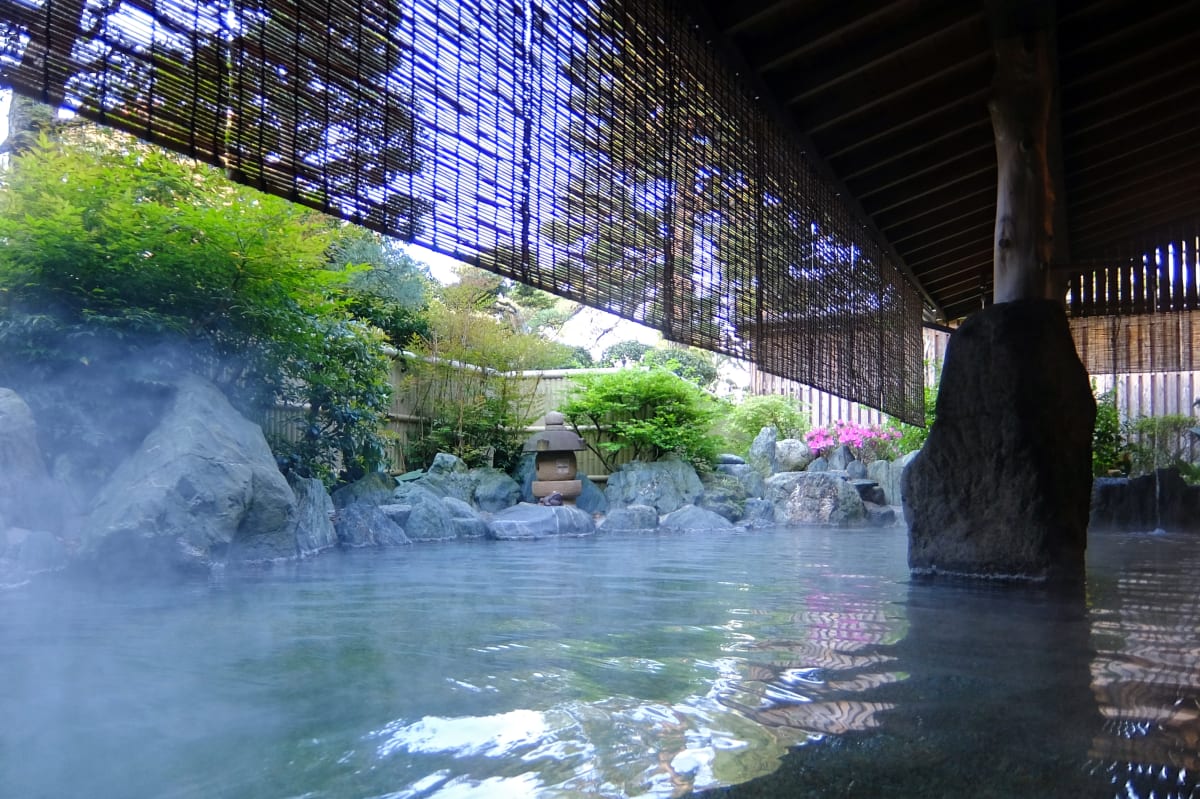
Tamatsukuri Onsen
玉造温泉
Tamatsukuri Onsen
sulfate · Kansai
Hotter than 65% of Japan springs (n=122).
More acidic than 79% of Japan springs (n=121).
Mineral profile
Bar width reflects listing order, not measured concentration.
Suitability
At a glance
Getting there
Easy — under 1km from a station
Cost
Low
About this spring
Tamatsukuri Onsen is one of Japan's oldest documented hot spring resorts, located in Shimane Prefecture along the banks of the Tamayu River. The waters are classified as a sodium and calcium sulfate spring, noted for their beneficial effects on skin and joints. Pilgrims, aristocrats, and ordinary travelers have come to this town for more than 1,300 years, with written records of the springs dating to at least 733 AD.
Highlights
History
The Izumo Fudoki, a geographical record compiled in 733 AD, describes crowds of men and women of all ages gathered at the riverbank springs in a festive atmosphere, and states that a single bath renews the skin's youthful appearance while a second bath cures all ailments.
This account spread the reputation of Tamatsukuri across ancient Japan. The town's name itself reflects another chapter of its past: Tamatsukuri translates as the making of jewels. From the third century through the twelfth, craftsmen working here shaped magatama, the comma-curved sacred jewels, from the colored agates of nearby Kasen Mountain. A local shrine today holds hundreds of magatama uncovered during excavations, displayed alongside tools recovered from those early workshops.
Local guide
About twenty minutes by bus from Matsue Station, the road crosses flat rice paddy country and then turns up a shallow valley carved by the Tamayu River. The valley holds a single long street lined with wooden inns and stone lanterns, with the river audible on the left side the entire way up. This is Tamatsukuri Onsen, and it is one of the oldest bath sites in Japan. The first written record of it appears in the Izumo Fudoki, an administrative survey of Izumo Province compiled in 733 AD, which describes crowds of people gathering at the spring as if at a festival. That document also records the claim that bathing here once restores youthful skin, and bathing twice heals illness. The document has not stopped circulating in 1,300 years.
The water at Tamatsukuri is classified as a sulfate spring, emerging from the earth at temperatures between 50 and 70 degrees Celsius. It is completely clear in the bath, slightly warm to touch before being cooled for bathing temperature, and the quality that earns it the nickname natural lotion is the metasilicic acid content, which is the same compound used as a base ingredient in commercial skin products. In 2012, a research study measured the spring's effect on skin moisture and found it increases hydration by 165% above baseline, with continued use pushing that figure toward 180%. Whether you find that impressive or you find the science beside the point, the water does feel different from ordinary hot water. You notice it especially on your face and hands. There is a light film left behind when you dry off, slightly resistant to the towel, that stays present for several hours.
The cultural moment unique to Tamatsukuri is the Tamatsukuri Kamiyu Shrine, a small Shinto compound at the top of the main street. The shrine is dedicated to the god Kushiakarutama-no-mikoto, who is specifically associated with the spring and with gem-cutting, and the name Tamatsukuri itself means jewel maker. You can walk up to the shrine in yukata borrowed from your inn and offer a cup of spring water at the altar, which is a practice the townspeople have been maintaining in some form for over a millennium. The small covered pavilion beside the shrine holds a stone in which, according to legend, a goddess left her handprint, and locals press their own hands against it to absorb some residual blessing. It is not a performance for tourists. The locals use it the same way.
The town is small enough to walk end to end in fifteen minutes, which means the rhythm of a stay here is simple: arrive, check in, walk to the shrine, eat the San-in coast seafood the inn serves in the evening, soak in the clear water, and repeat the next day. Lake Shinji, the brackish coastal lake famous for its sunsets and its endemic shijimi clams, is visible in the distance from the higher points on the valley road. On a clear evening, the light over that lake and the steam rising from the inn rooftops make Tamatsukuri feel exactly as old as it actually is.
Mineral chemistry
Water character inferred from mineral type — verify on site.
Sulfate springs contain dissolved calcium, sodium, or magnesium sulfate. Calcium sulfate springs are traditionally associated with wound healing and post-surgical recovery.
Sodium sulfate springs can have a mild laxative effect in sensitive individuals — stay well hydrated.
Similar springs
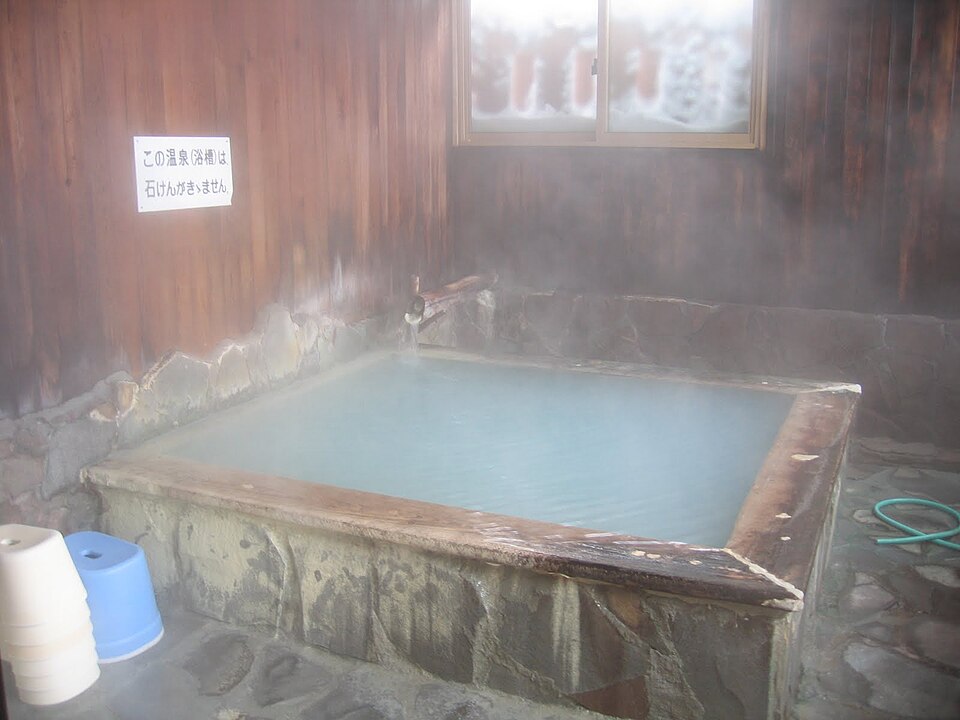
Set deep in the Hakkoda Mountains of Aomori Prefecture, Sukayu Onsen is a historic bathhouse best known for its cavernous mixed-bathing hall, the Sen-nin-buro, which translates as the Bath of a Thousand Bathers. The waters are strongly acidic, the setting is rustic and unhurried, and winter brings extraordinary snowfall to the surrounding mountains.
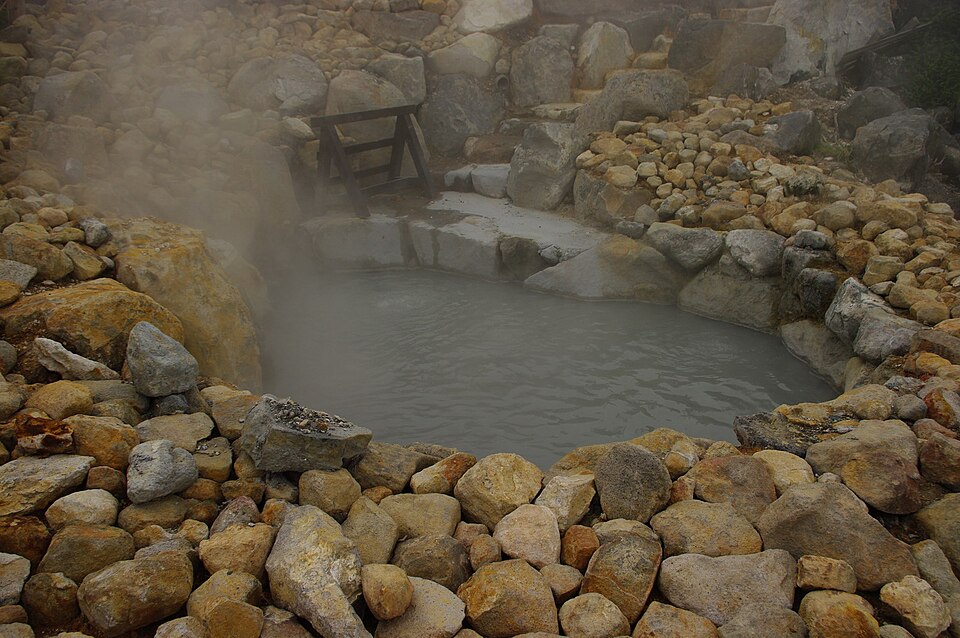
Hakone is a sizable onsen district spread across a caldera, roughly 90 minutes from Tokyo by rail. Seventeen distinct spring sources supply the area's bathhouses, which range from large hotel rotenburo with views of Mt. Fuji and Lake Ashi to small, family-operated facilities tucked along the Old Tokaido road. Because the mineral makeup differs from one source to the next, visiting multiple bathhouses yields a genuinely different soaking experience each time.
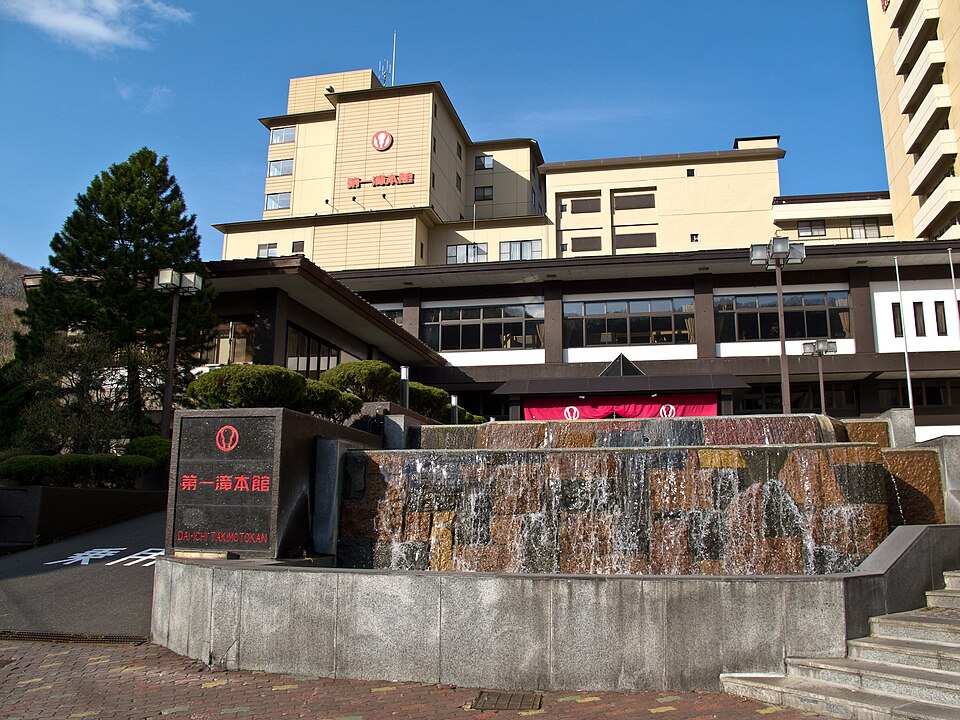
One of Hokkaido's most celebrated bathhouses. Dai-ichi Takimotokan channels water from seven distinct mineral springs into 35 pools spread across multiple floors. Indoor halls open onto outdoor rotenburo overlooking the steam-filled valley below. Day visitors are welcome without an overnight stay.
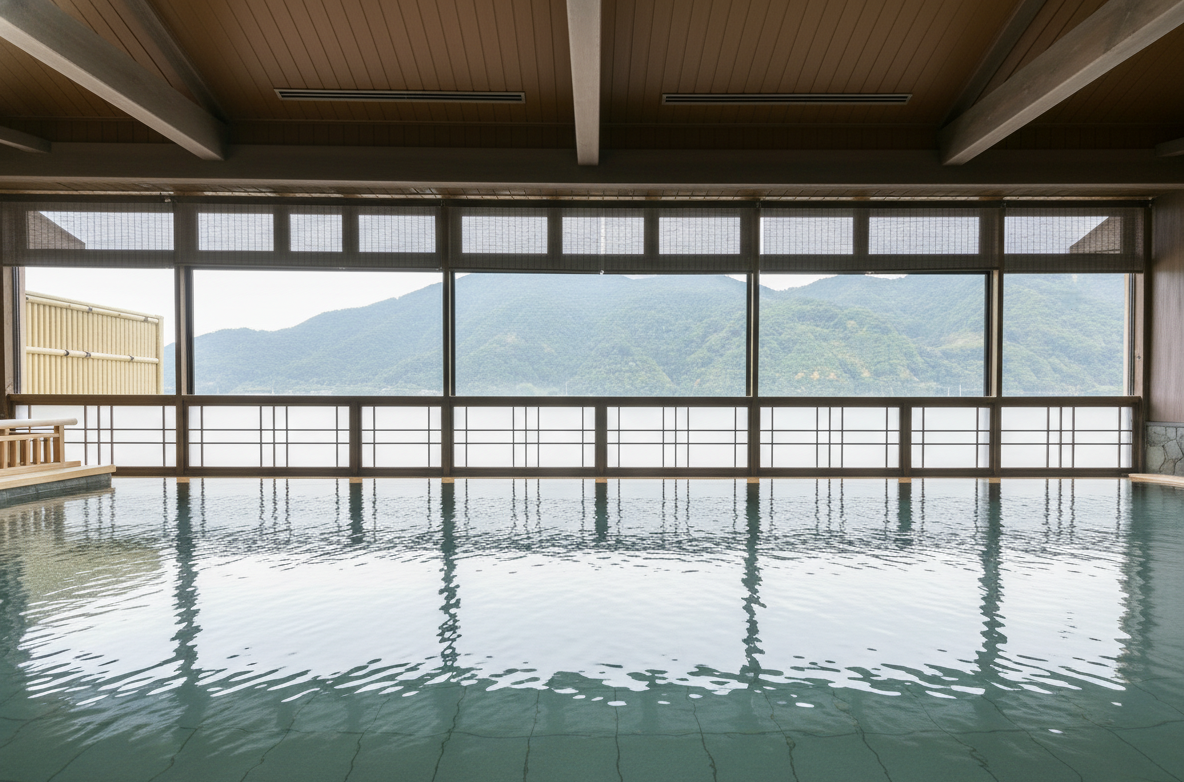
A mountain town in Niigata Prefecture famous for heavy snowfall and a unique sake-infused bath. After a day on the ski slopes, visitors soak in outdoor baths while snow falls silently around them. The town is also the setting of one of Japan's greatest novels.
Amenities
Getting there
From Matsue Station, take the JR Sanin Main Line to Tamayu Station. The journey takes about 10 minutes. The onsen district is within easy walking distance from the station.
Location & nearby
Tamatsukuri Onsen, Tamayucho Tamatsukuri, Matsue, Shimane 699-0201
Make a day of it
Pair your soak with these nearby spots.
Attraction
Tamatsukuri Onsen Bihadakenkyu Johimerabo
0.1km away
Attraction
Onsen Guest House Midorihatonosu
0.2km away
Attraction
Yumototamaikan
0.2km away
Attraction
Izumotamatsukurishi Ryokan
0.3km away
Attraction
Tamayugawasakuranamiki
0.5km away
Attraction
Oshiroijizo
0.5km away
More springs in Kansai
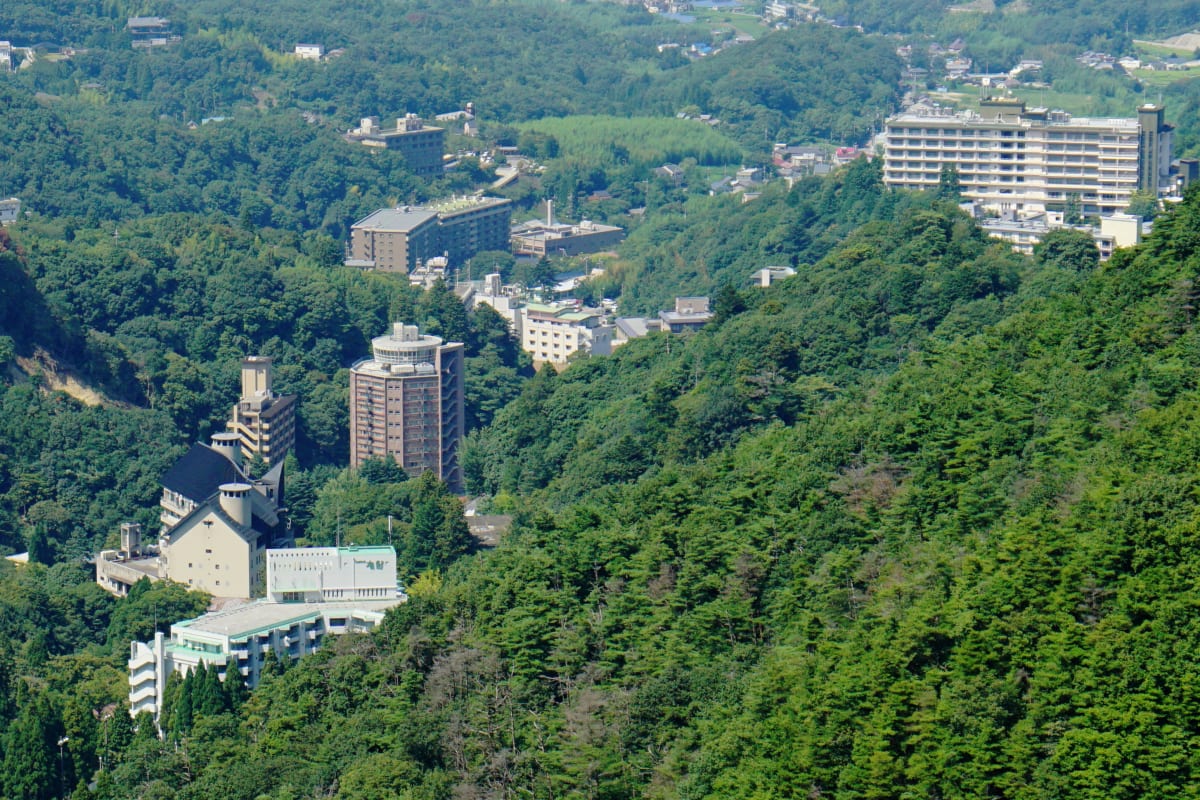
Arima Onsen sits in the hills above Kobe, close to Mount Rokko, and ranks among the oldest hot spring towns in Japan. The town draws visitors for two entirely different spring types that coexist within its compact footprint. Kinsen is the iron-rich golden water that stains surrounding rocks a rusty orange, while ginsen runs clear and carries both carbonation and mild radioactivity. Few other onsen destinations in Japan bring together two such distinct water types within a single small town.
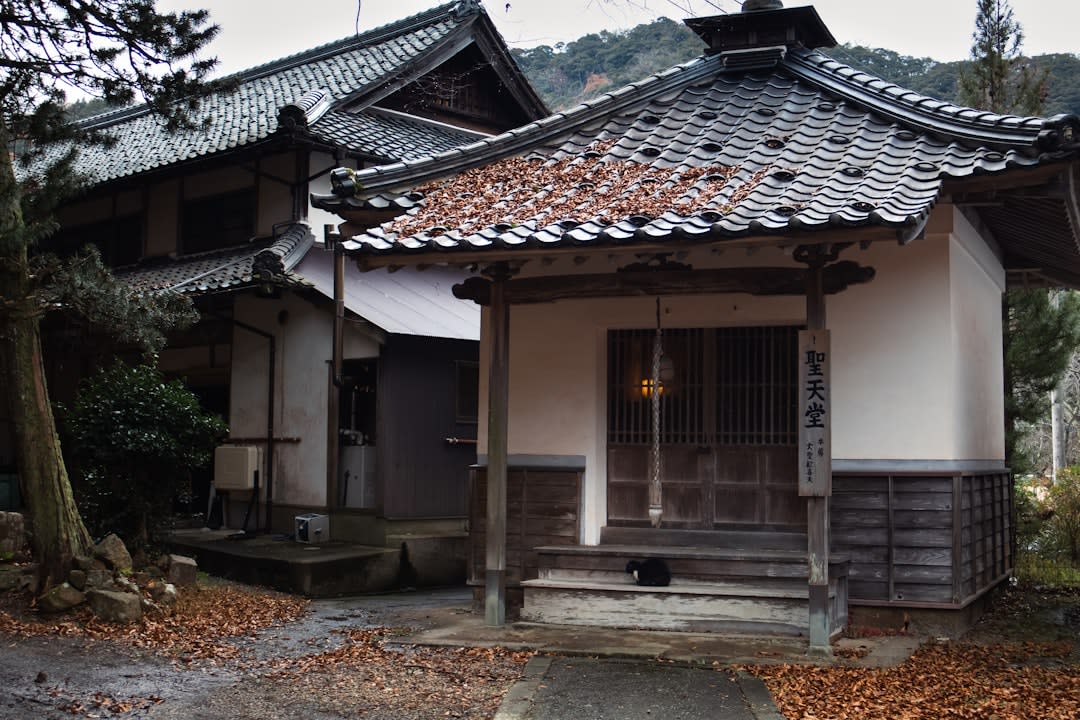
One of Japan's most beloved onsen towns. Visitors put on a yukata and wooden sandals and stroll between seven public bathhouses along a willow-lined canal. The wooden bridges, stone walkways, and traditional inn facades have barely changed in a century. The town is built for wandering.
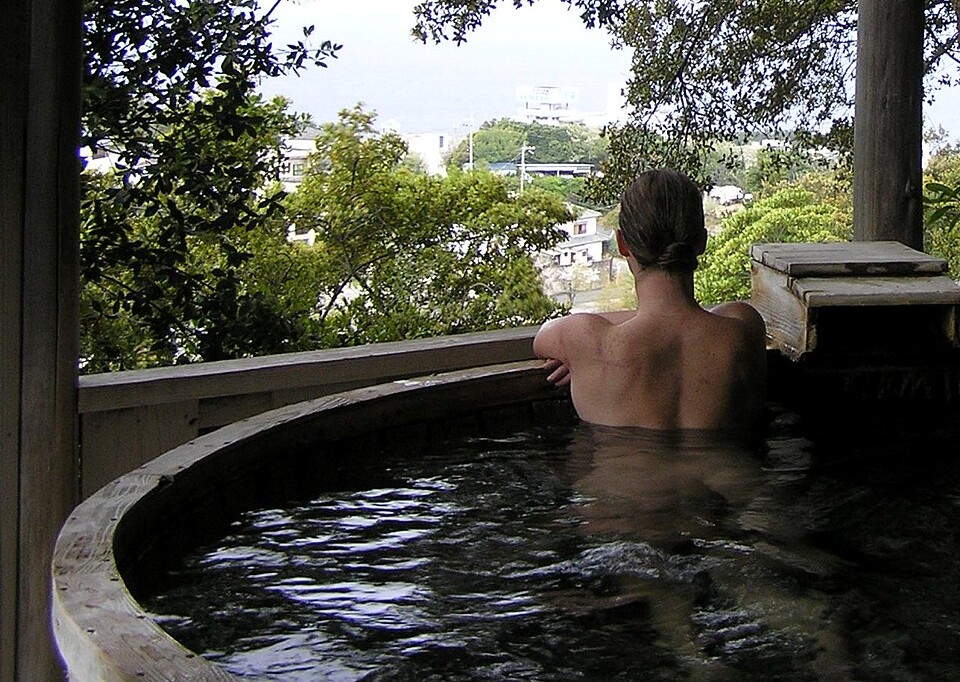
An old coastal resort town where hot springs meet the Pacific. The white-sand beach and dramatic rock formations create a setting unlike most onsen destinations. The ancient outdoor baths of Saki-no-Yu sit directly above the ocean. You soak while watching the waves crash below you.
Common questions
What is the water temperature at Tamatsukuri Onsen?▾
The water temperature at Tamatsukuri Onsen ranges up to 70°C (minimum around 50°C).
Is Tamatsukuri Onsen free to visit?▾
Tamatsukuri Onsen charges an entrance fee in JPY.
Is Tamatsukuri Onsen a public or private bath?▾
Tamatsukuri Onsen is a mixed bathing spring.
Are tattoos allowed at Tamatsukuri Onsen?▾
Yes, Tamatsukuri Onsen welcomes visitors with tattoos.
What is the nearest station to Tamatsukuri Onsen?▾
The nearest station to Tamatsukuri Onsen is Himekami Hiroba, about 0.1km away.