Nuruyu Onsen
奴留湯温泉
4.4 · 140 reviews · via Google
Nuruyu Onsen
sodium-chloride · Kyushu
Hotter than 48% of Japan springs (n=122).
More acidic than 82% of Japan springs (n=121).
Mineral profile
Bar width reflects listing order, not measured concentration.
Suitability
At a glance
Getting there
Easy — under 1km from a station
Cost
Low
Crowd level
Quiet
About this spring
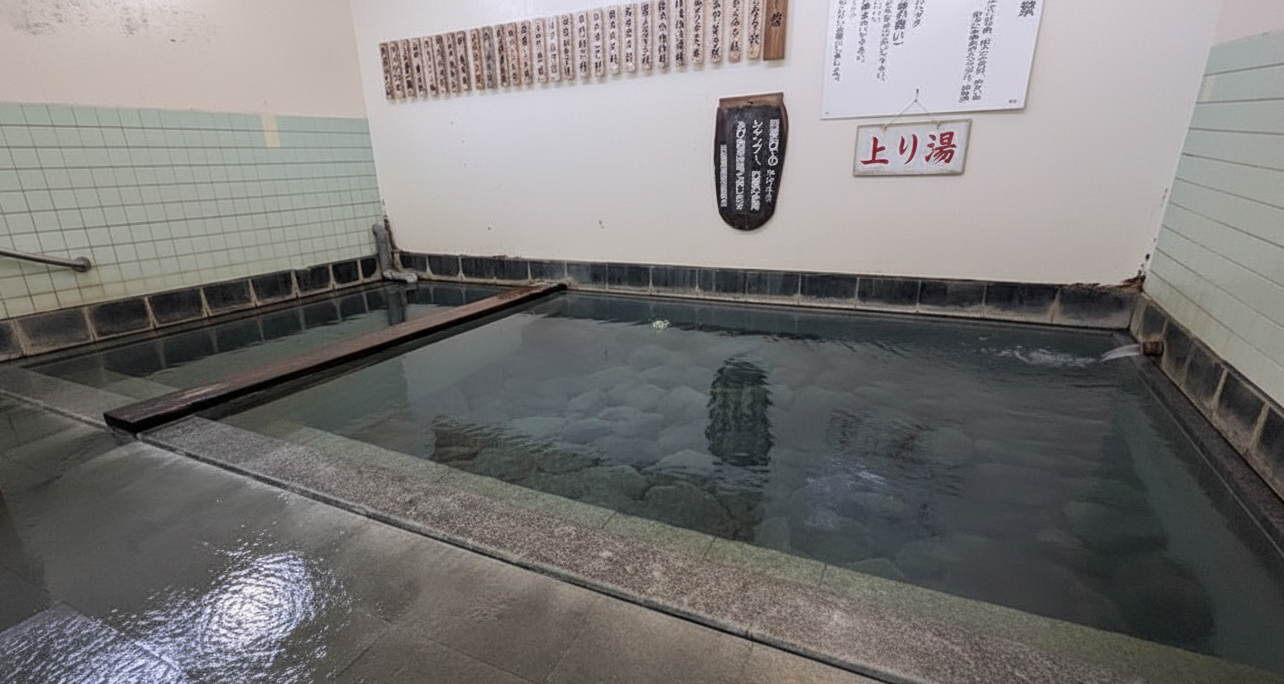
Nuruyu Onsen sits along the Aseishi River near Nakano Momijiyama Mountain and holds the distinction of being the oldest spring in the Kuroishi cluster of Aomori Prefecture. The water carries a faint green tint and emerges at roughly 41.7 degrees Celsius, a temperature well suited to long, unhurried soaks. At the entrance to the village stands a kokeshi doll, a marker of the Tsugaru region's folk-craft heritage. A kokeshi museum and craft center operate within easy reach.
Highlights
History
Records trace bathing activity at Nuruyu Onsen back more than 400 years, placing it as the longest-running spring in the Kuroishi area.
The waters have historically been recommended for rheumatism, neuralgia, and fatigue. Little about the town's fundamental character has shifted across those four centuries, and the place retains the feel of a traditional country bath.
Local guide
Somewhere in the forested interior of Kyushu, where the roads narrow down to single lanes and the volcanic activity of the Kirishima range makes itself felt through the ground rather than any obvious crater, you find the quieter springs. Nuruyu Onsen sits in this category entirely. The name says everything: nuruyu means lukewarm, and the water here is not trying to impress you with heat. It comes out of the earth gently, at a temperature that requires no cooling down and no bracing yourself before you get in. You simply step in and the water is already there, already right.
The sodium chloride water here is crystal clear. It carries almost no scent, which is itself unusual in a region where sulfur and iron springs dominate the volcanic landscape around Kirishima. What you notice instead is its texture. It is soft on the skin in a way that is hard to describe precisely, slightly slippery without feeling oily, and it warms your body from the outside in rather than shocking it into circulation. Because it comes out at such a gentle temperature, 41 degrees or slightly below, you can stay in considerably longer than you can at most Japanese springs without feeling overheated or light-headed when you stand.
The appeal of a lukewarm spring is lost on many visitors who arrive in Japan with the expectation of punishingly hot baths and dramatic sulfur fumes. Nuruyu does not offer those things. What it offers instead is the rare experience of actually relaxing in the water rather than enduring it. Long soaks become genuinely comfortable. You can read, or think, or watch the forest canopy outside the window, and an hour passes without the water ever demanding your attention.
The outdoor bath here is where the experience comes together. The surrounding mountains hold the humidity and the soft smell of the forest, and the light through the trees is different in each season: sharp and green in summer, gold in autumn, and in winter a flat white that makes the steam visible from a distance. There are no crowds, no souvenir stalls near the baths, and no ambient noise beyond what the forest provides. The spring has been used since workers of a feudal lord stopped here to rest on a journey, and the arithmetic of that fact is simple: it has not changed much since then.
Mineral chemistry
Water character inferred from mineral type — verify on site.
Sodium chloride springs, essentially natural saltwater baths, are celebrated for their warming and moisturising effects. The salt forms a thin film on the skin that slows moisture evaporation, keeping skin hydrated longer than a freshwater bath.
Those with high blood pressure or heart conditions should consult a doctor before bathing, as the warming effect increases circulation. Avoid immersing open wounds.
Similar springs
 FREE
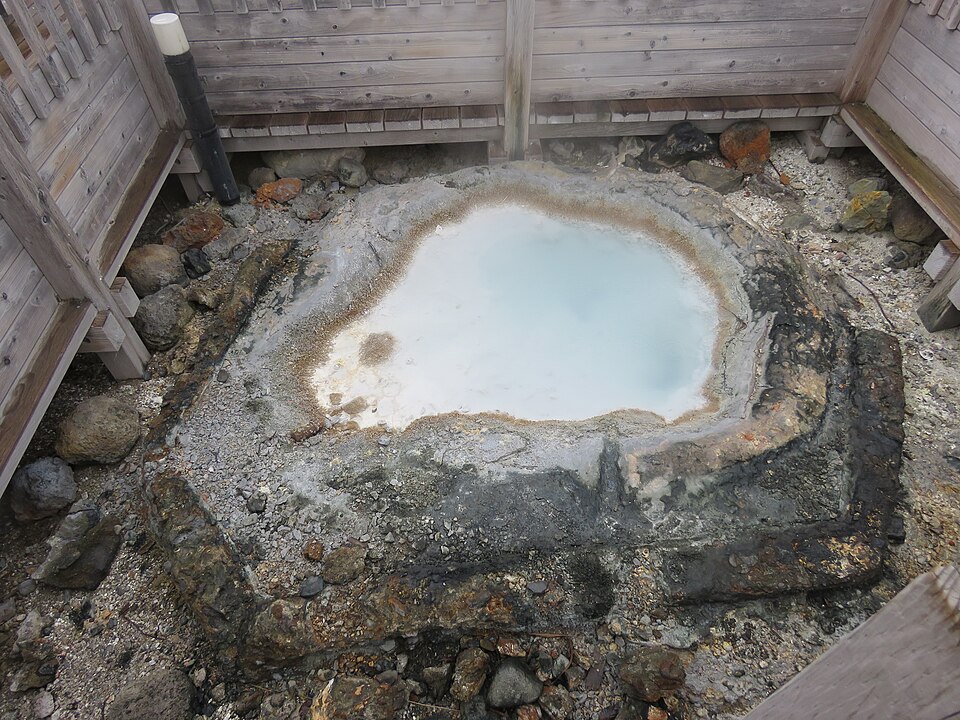
FREEThe valley occupies the center of Noboribetsu Onsen in Hokkaido. Jigokudani translates as Hell Valley. The crater covers 11 hectares and releases roughly 10,000 tonnes of hot spring water each day. Fumaroles vent steam across the floor of the valley, boiling pools bubble at the surface, and the surrounding cliffs carry heavy mineral staining. A walking path winds through the area in about 20 minutes and is open to all visitors at no cost. It ranks among the most striking landscapes accessible on foot anywhere in Japan.
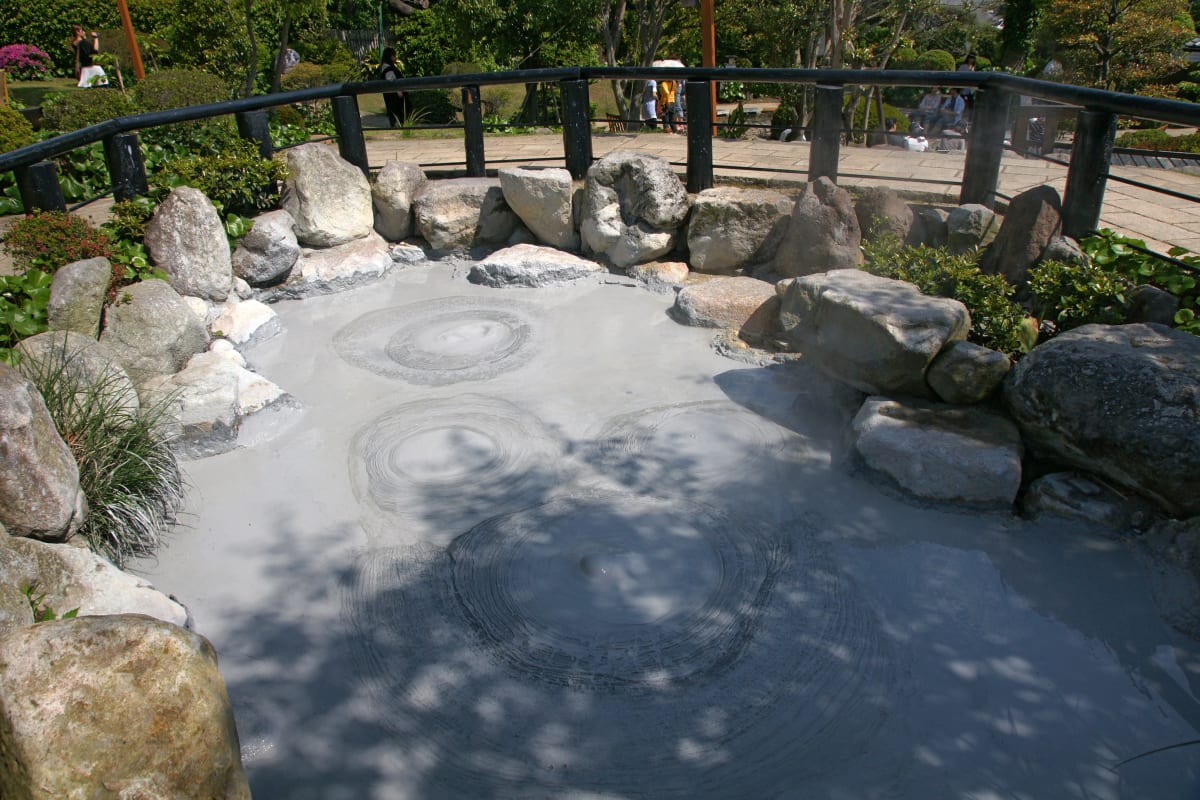
Beppu is the most geothermally active city in Japan, with more than 2,900 hot spring vents located within the city limits and eight distinct thermal spring zones collectively known as the Beppu Hatto. The variety on offer is wide, ranging from grand hotel bathhouses to modest neighborhood public facilities to the celebrated Hells, a collection of brilliantly colored boiling pools scattered across the city. The Hells run far too hot for bathing, but they draw visitors who come to walk among them and take in the spectacle.
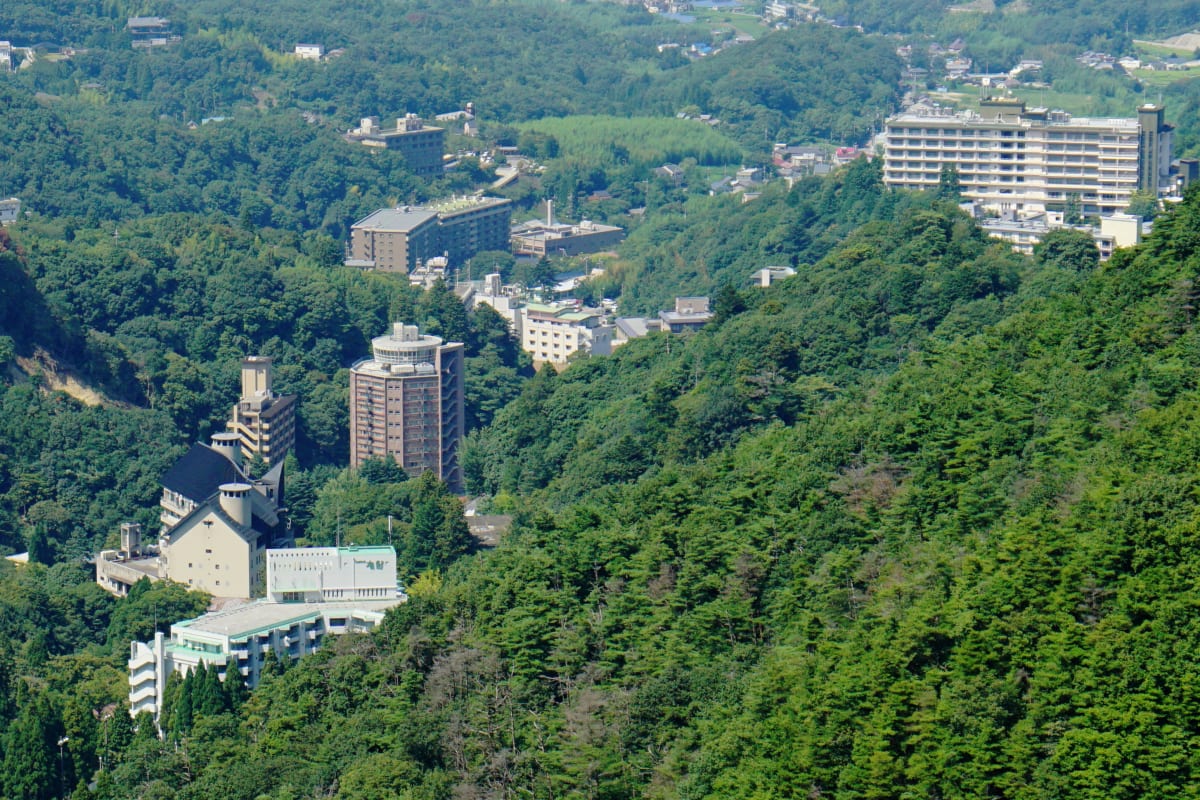
Arima Onsen sits in the hills above Kobe, close to Mount Rokko, and ranks among the oldest hot spring towns in Japan. The town draws visitors for two entirely different spring types that coexist within its compact footprint. Kinsen is the iron-rich golden water that stains surrounding rocks a rusty orange, while ginsen runs clear and carries both carbonation and mild radioactivity. Few other onsen destinations in Japan bring together two such distinct water types within a single small town.
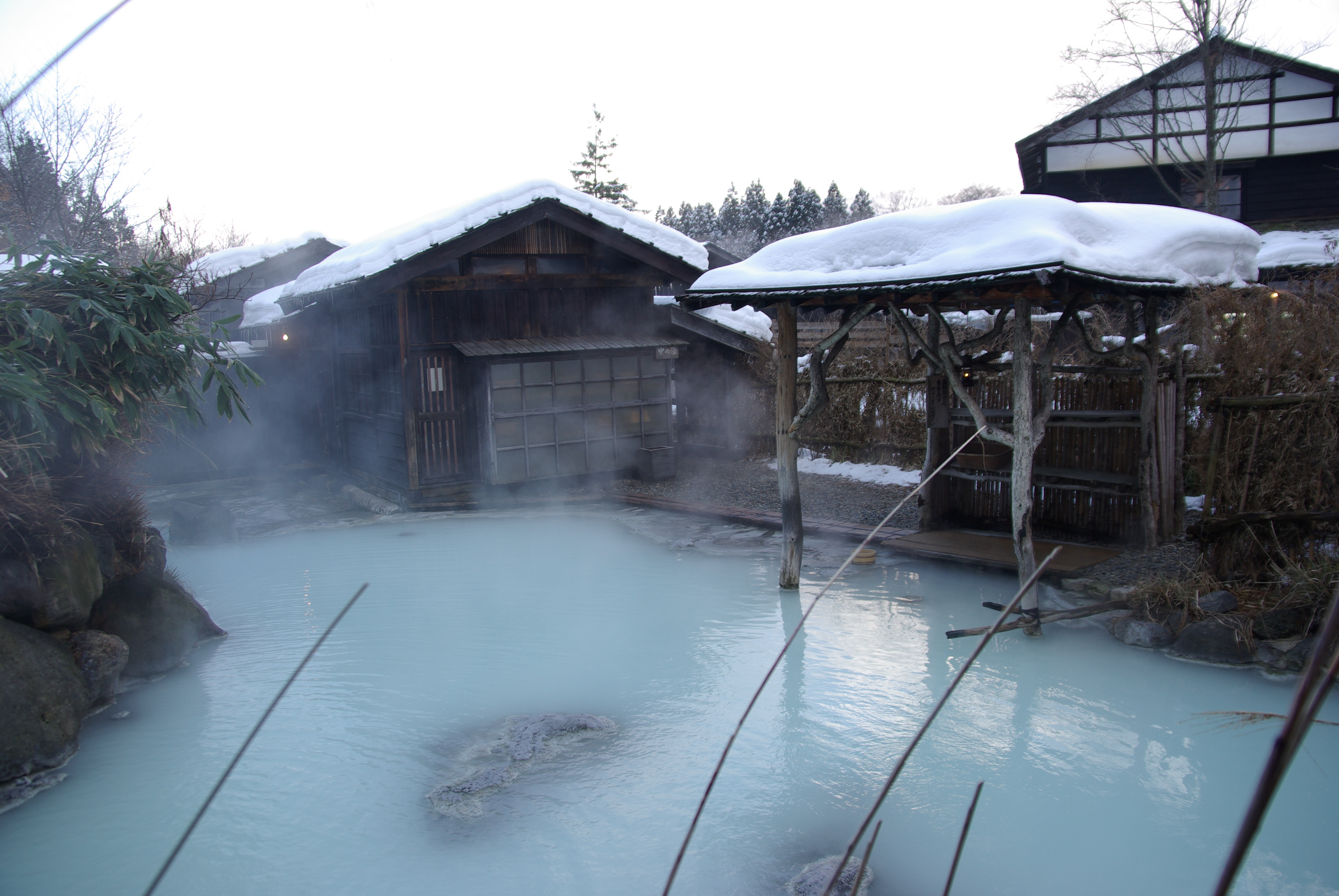
Tsuru-no-yu is the oldest of the seven inns at Nyuto, set deep in a beech forest in Akita Prefecture. The main draw is a large outdoor mixed-bathing pool fed by opaque, milky-white sulfurous water. Many regard it as the most beautiful onsen setting in Japan. People come here to put some distance between themselves and the rest of the world for a while.
Amenities
Getting there
From Hirosaki Station, take the private Konan Railway Konan Line to Kuroishi Station. The ride takes about 35 minutes. From Kuroishi Station, take a Konan Bus on the Kuroishi-Nuruyu line to the Shimonuruyu stop, within a minute's walk of the baths.
Location & nearby
311-1 Uekimachi Ichibō, Kita Ward, Kumamoto, 861-0113
Make a day of it
Pair your soak with these nearby spots.
Park
Kazenoyu
0.2km away
Attraction
Ueki Hot Spring Bus Stop
0.4km away
Attraction
Yuruttoyashiki Sakurazakakazokuyuonsen
0.4km away
Attraction
Uekionsenryokanmatsunoyu
0.4km away
Attraction
RyūSen閣
0.4km away
Attraction
Uekionsen
0.5km away
More springs in Kyushu
Beppu is the most geothermally active city in Japan, with more than 2,900 hot spring vents located within the city limits and eight distinct thermal spring zones collectively known as the Beppu Hatto. The variety on offer is wide, ranging from grand hotel bathhouses to modest neighborhood public facilities to the celebrated Hells, a collection of brilliantly colored boiling pools scattered across the city. The Hells run far too hot for bathing, but they draw visitors who come to walk among them and take in the spectacle.
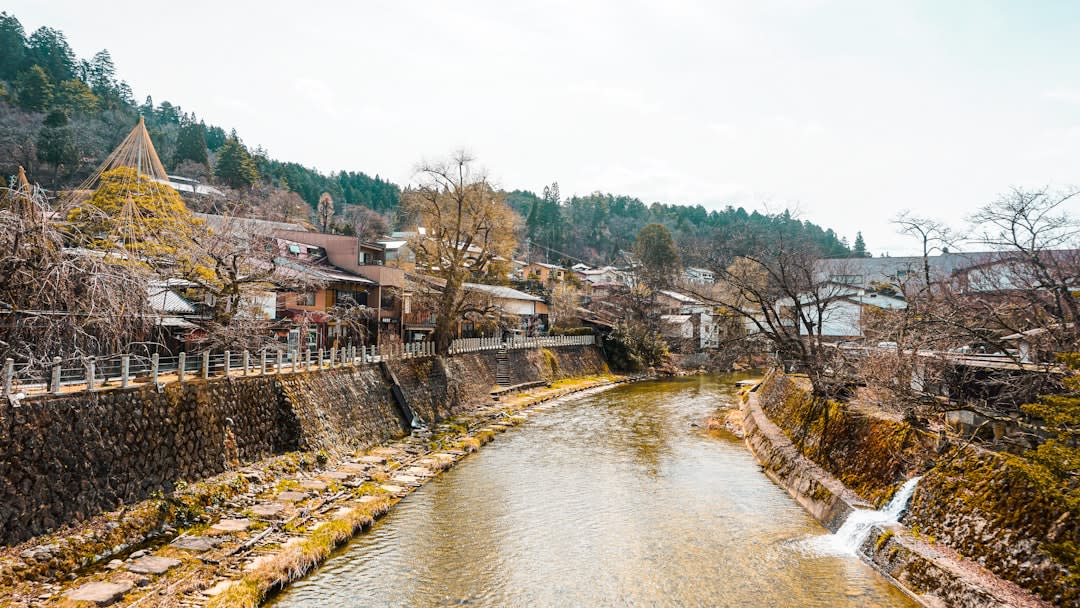
A peaceful artsy onsen town at the foot of Mt. Yufu in Oita Prefecture. The town is known for boutique galleries, craft shops, and ryokan with private outdoor baths. Lake Kinrin sits at the heart of it all. On quiet mornings, steam rises off the lake's surface in a way that seems almost designed to make you stop and stand still.
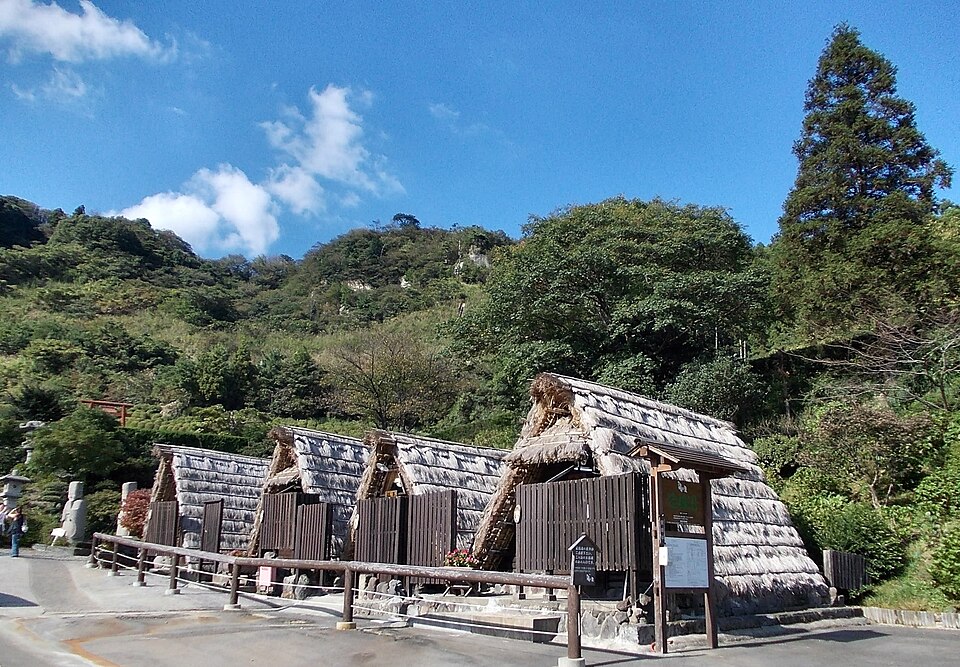
Set on a wooded slope in Beppu's Myoban district, this resort draws visitors for its yunohana, a term meaning hot spring flowers, which are white crystalline deposits that collect on surfaces where steam from the springs cools and condenses. The spring water itself is strongly sulfurous and acidic, rising at high temperatures from one of the eight volcanic source zones that make up Beppu Hatto.
Common questions
What is the water temperature at Nuruyu Onsen?▾
The water temperature at Nuruyu Onsen ranges up to 60°C (minimum around 41°C).
Is Nuruyu Onsen free to visit?▾
Nuruyu Onsen charges an entrance fee in JPY.
Is Nuruyu Onsen a public or private bath?▾
Nuruyu Onsen is a private bathing spring.
Are tattoos allowed at Nuruyu Onsen?▾
No, Nuruyu Onsen does not permit visible tattoos.
What is the nearest station to Nuruyu Onsen?▾
The nearest station to Nuruyu Onsen is Ichibo, about 0.2km away.