
Nagaragawa Onsen
長良川温泉
Nagaragawa Onsen
iron · Chubu
Hotter than 8% of Japan springs (n=122).
More acidic than 26% of Japan springs (n=121).
Mineral profile
Bar width reflects listing order, not measured concentration.
Suitability
At a glance
Getting there
Easy — under 1km from a station
Cost
High
About this spring
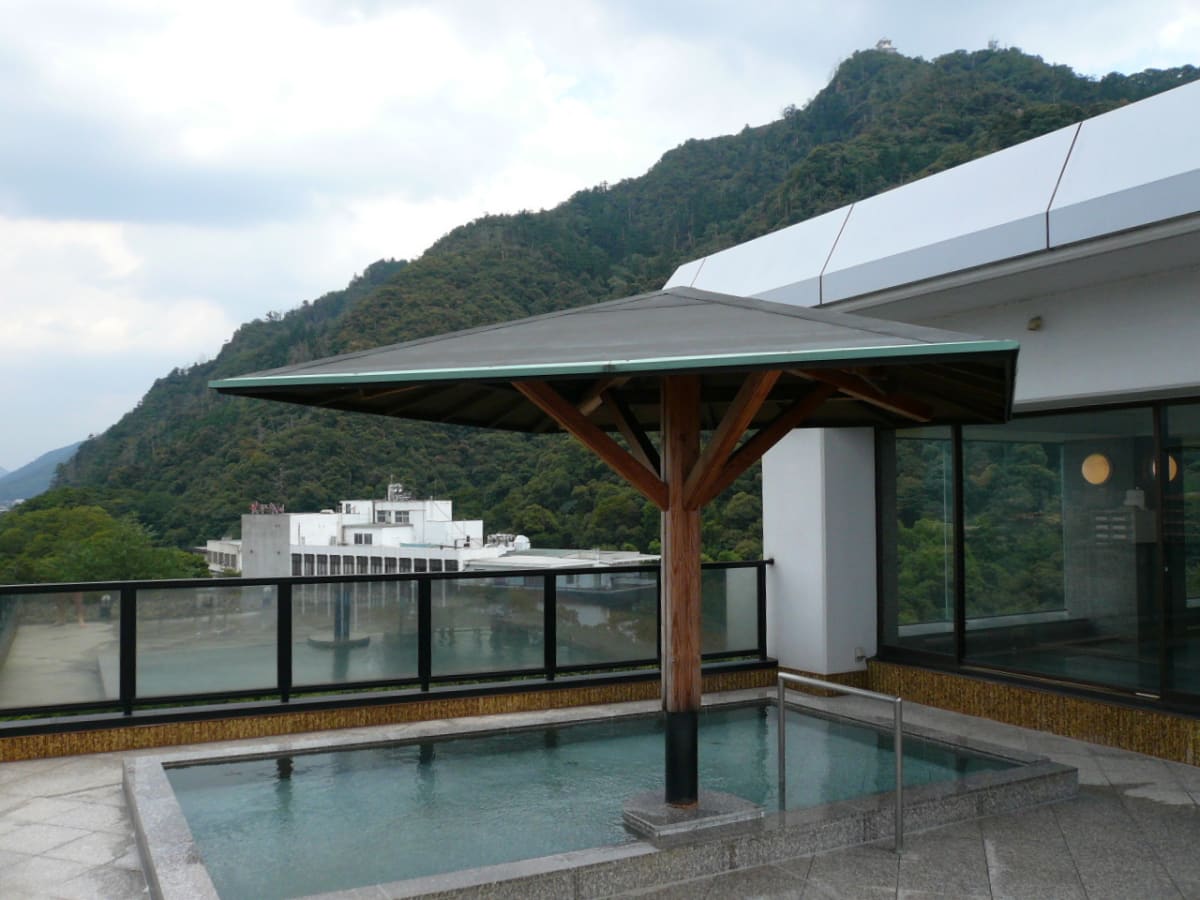
Nagaragawa Onsen sits on the banks of the Nagara River in Gifu City. The thermal water carries a high iron content that gives it a distinct reddish-brown color. Bathers can take in views of cormorant fishing on the river, a practice recognized as one of the oldest living fishing traditions in Japan.
Highlights
History
Thermal bathing in this area traces back more than a thousand years.
The present source, Mitabora Shinbutsu Onsen, has operated commercially since 1968. In 1999, the existing spring water changed color, turning brown and cloudy, which led to the discovery of new sources within the city limits.
Local guide
Gifu City does not behave like a typical regional Japanese city. It has Gifu Castle sitting on a sheer volcanic rock right at its center, visible from almost everywhere in town, and the Nagara River running clean and broad through the northern edge of the urban area with almost no commercial development on its banks. The onsen district grows along the southern riverbank, a modest cluster of inns and bathhouses that look across at the forested hillsides of Mount Kinka. It is close enough to the city center to reach easily and far enough from the main shopping streets to feel genuinely quiet after dark.
The water at Nagaragawa Onsen is an iron spring, and it looks the part. It runs a warm reddish-brown, dense with dissolved minerals, and when you fill the bath you can see the color sitting in the water like very dilute tea. At pH 6.7 it is nearly neutral, not the aggressive acidity of some iron springs, and the texture is noticeably heavier than plain water. You feel it in the way the water holds the heat. Soaking in the deeper tones of the iron bath at night, with the river sounds filtering through the window, has an oddly grounding quality. The spring water at 42 degrees maximum is not punishing, just warm and thorough, and when you step out your skin keeps a faint warmth for a long time.
The thing that makes Nagaragawa unlike any other onsen town in Japan is what happens on the river between May 11 and October 15 every evening. Cormorant fishing, ukai, has been practiced on the Nagara River for over 1,300 years, and the Gifu version is the only one in Japan protected by the Imperial Household Agency as imperial fishing grounds. Each long wooden boat carries a master fisherman with a dozen cormorants on individual leashes. The birds dive, swallow ayu sweetfish whole, and are retrieved before they can digest the catch, their throats fitted with a small snare. Watching from a covered sightseeing boat that follows alongside, close enough to smell the torch smoke on the lead fisherman's hemp coat, is not a tourist recreation. It is one of the oldest intact fishing traditions still being performed in the world.
The ryokans along the Nagara River all offer ukai package plans, meaning you eat dinner, cross to the sightseeing boat, watch the fishing in the dark, and return to a bath waiting for you back at the inn. If you time the water right and arrive when the bath is freshly drawn, the reddish-brown iron water in the outdoor tub is still slightly steaming, and across the river Mount Kinka sits black against the sky with the castle lit up on its summit. It is a very specific kind of Japanese evening that Nagaragawa delivers without drama or effort.
Mineral chemistry
Iron-bearing springs are recognised by their characteristic rust-red or amber colour and metallic taste. The iron content is associated with stimulation of red blood cell production and is traditionally recommended for anaemia and fatigue recovery.
Iron springs will stain light-coloured swimwear and towels a persistent brownish-orange. Those with haemochromatosis (iron overload condition) should seek medical advice before bathing.
Similar springs
 FREE
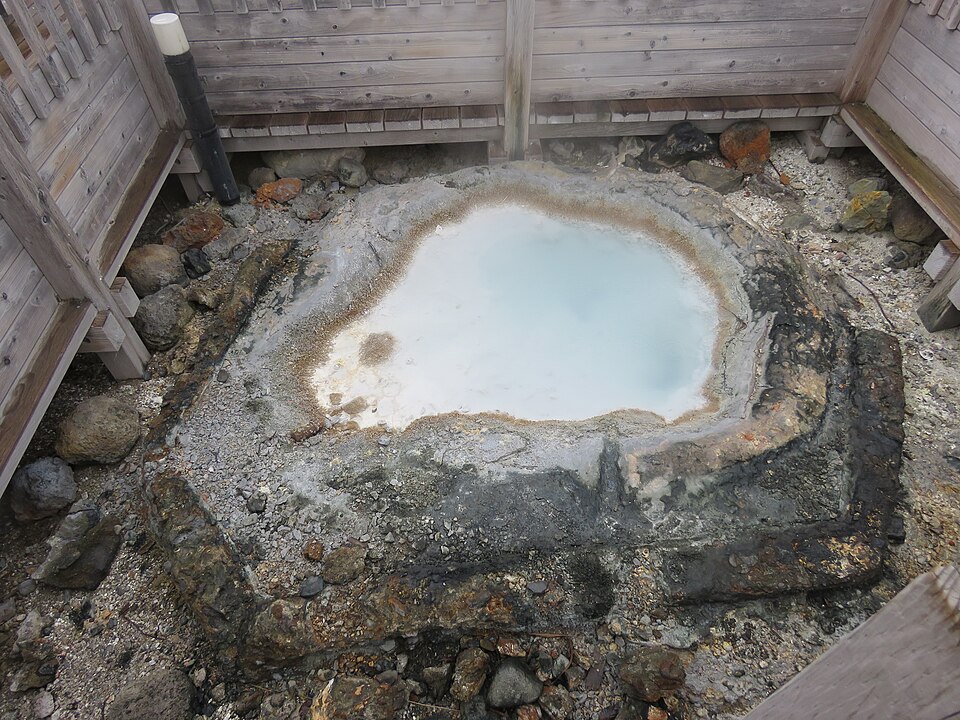
FREEThe valley occupies the center of Noboribetsu Onsen in Hokkaido. Jigokudani translates as Hell Valley. The crater covers 11 hectares and releases roughly 10,000 tonnes of hot spring water each day. Fumaroles vent steam across the floor of the valley, boiling pools bubble at the surface, and the surrounding cliffs carry heavy mineral staining. A walking path winds through the area in about 20 minutes and is open to all visitors at no cost. It ranks among the most striking landscapes accessible on foot anywhere in Japan.
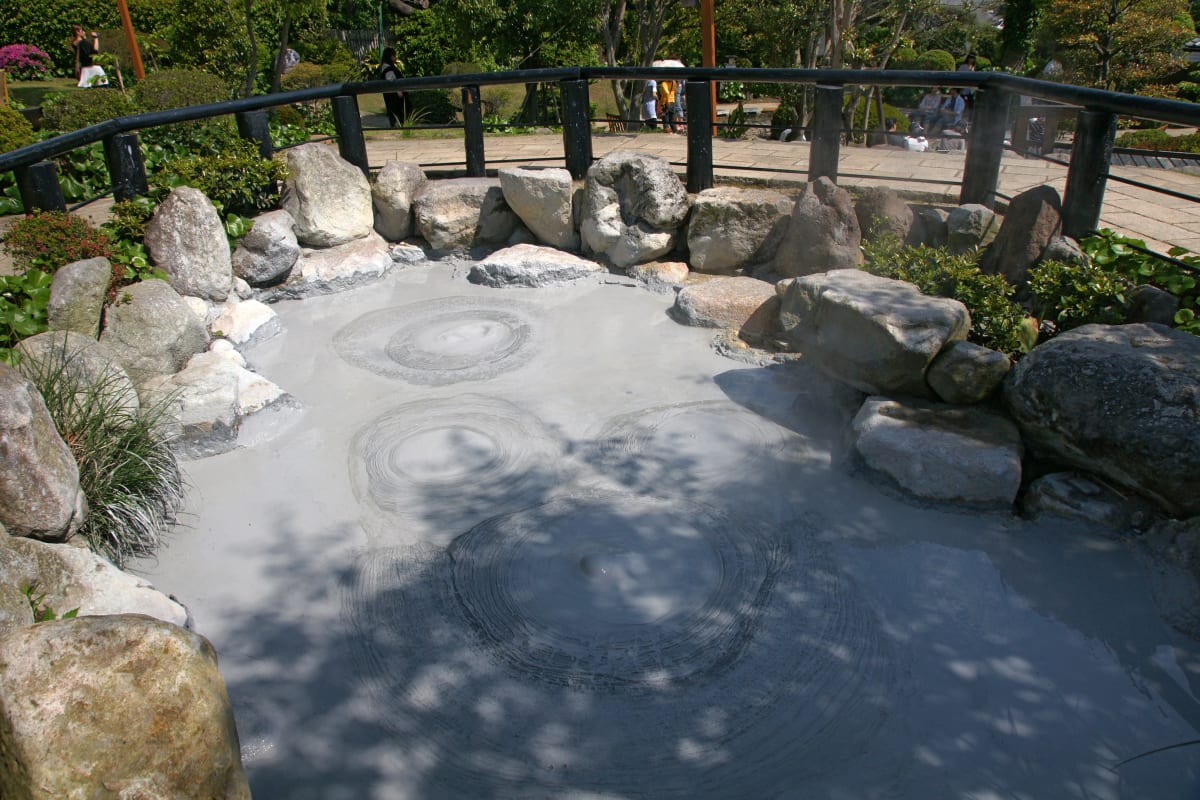
Beppu is the most geothermally active city in Japan, with more than 2,900 hot spring vents located within the city limits and eight distinct thermal spring zones collectively known as the Beppu Hatto. The variety on offer is wide, ranging from grand hotel bathhouses to modest neighborhood public facilities to the celebrated Hells, a collection of brilliantly colored boiling pools scattered across the city. The Hells run far too hot for bathing, but they draw visitors who come to walk among them and take in the spectacle.
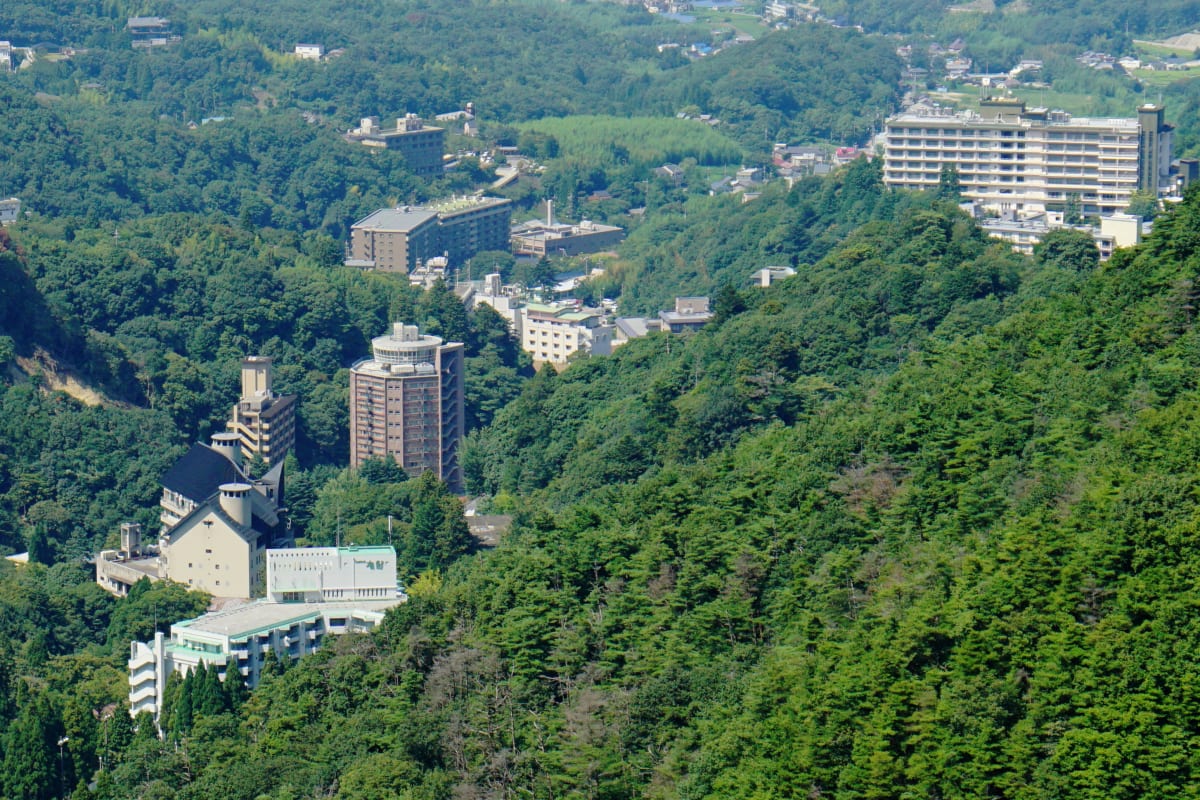
Arima Onsen sits in the hills above Kobe, close to Mount Rokko, and ranks among the oldest hot spring towns in Japan. The town draws visitors for two entirely different spring types that coexist within its compact footprint. Kinsen is the iron-rich golden water that stains surrounding rocks a rusty orange, while ginsen runs clear and carries both carbonation and mild radioactivity. Few other onsen destinations in Japan bring together two such distinct water types within a single small town.
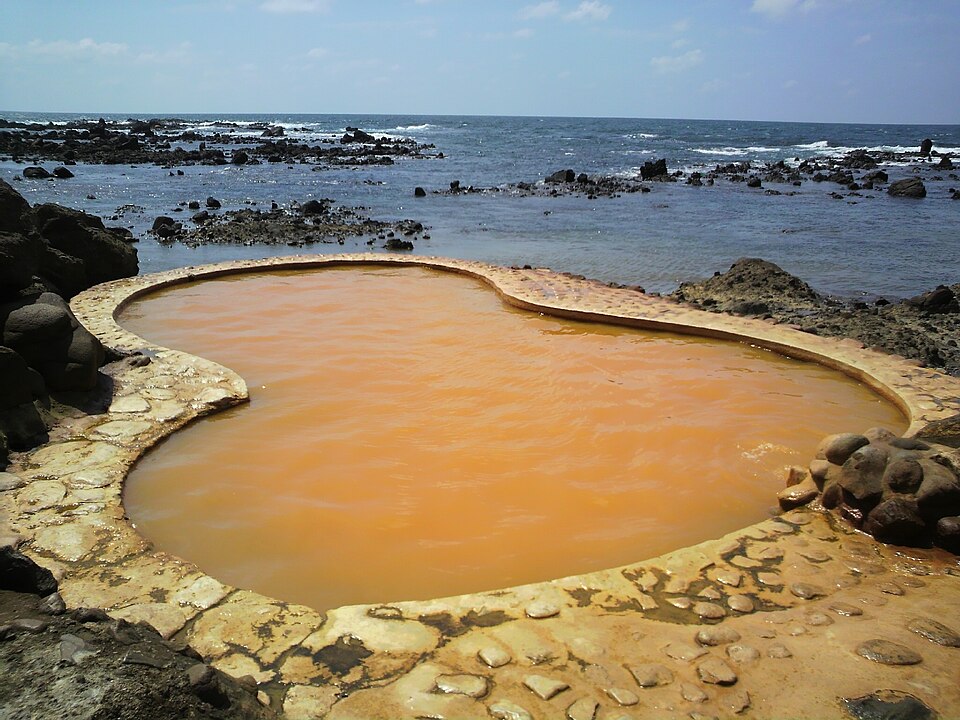
Furofushi Onsen occupies a rocky cape in Fukaura, Aomori Prefecture, with outdoor bathing pools positioned at the edge of the Sea of Japan cliffs. The spring water runs a deep reddish-brown from its high iron and sodium chloride content. The main open-air bath and a dedicated women's pool both use fully undiluted water drawn straight from the source. Sunsets over the water are a particular draw. Once day visitors depart in the late afternoon, overnight guests have the pools to themselves.
Amenities
Getting there
Take the JR Tokaido Shinkansen to Nagoya, then transfer to a local train to Gifu Station. From Gifu Station, take a bus or taxi to the Nagaragawa Onsen area. The total journey from Nagoya takes about 30 minutes.
Location & nearby
Nagaragawa Onsen, Gifu
Make a day of it
Pair your soak with these nearby spots.
Park
Nagarahiroba
0.1km away
Park
Takahashisho Koro Do
0.2km away
Attraction
Nagaragawaukaimyu Jiamu
0.5km away
Attraction
Koikibijutsu
0.5km away
Park
Sazares Station Park
0.5km away
Park
Nichichu Yu Ko Teien
0.5km away
More springs in Chubu
 FREE
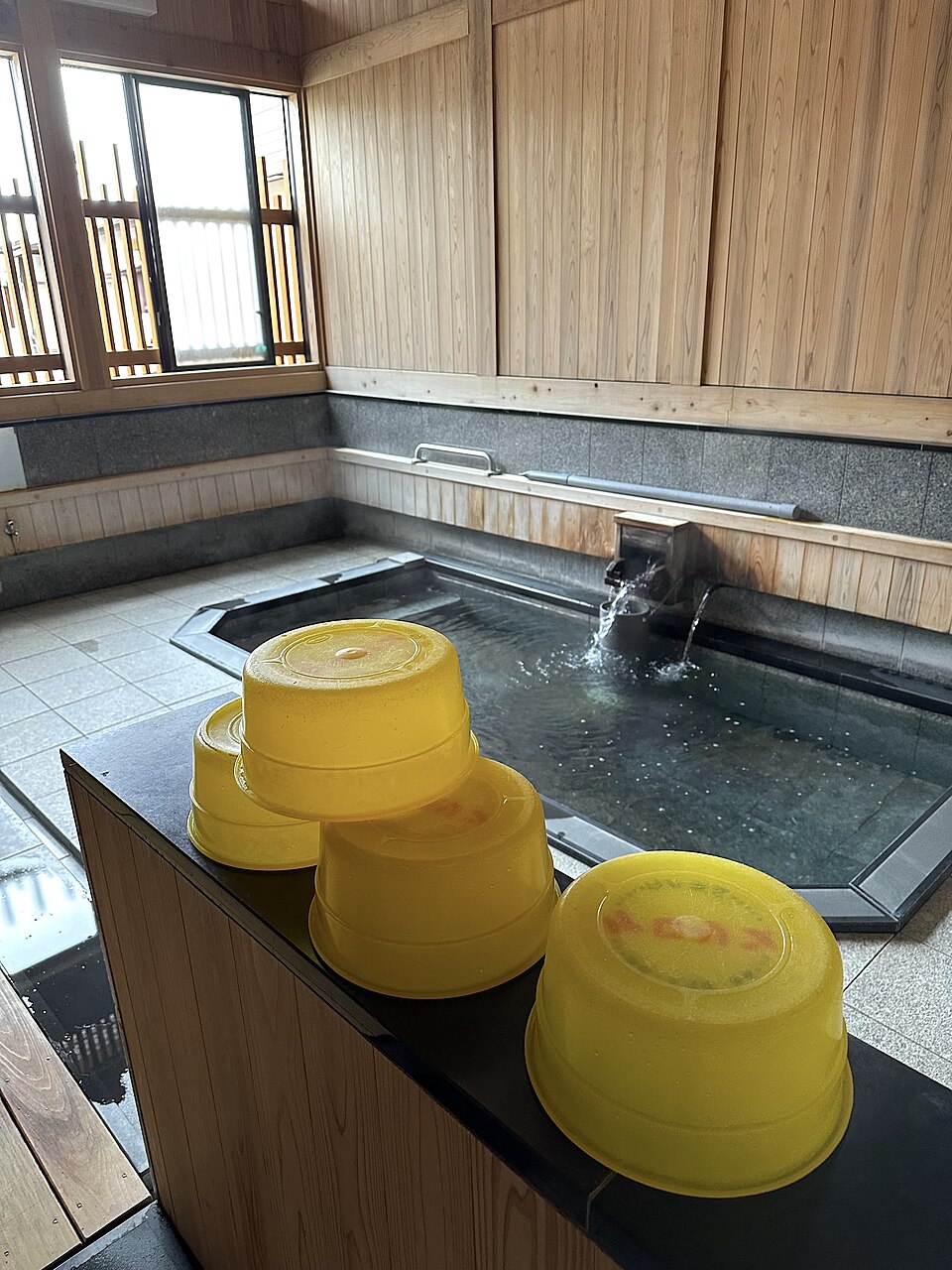
FREENozawa Onsen is a traditional village in Nagano Prefecture that maintains 13 free public bathhouses open to visitors and residents alike. These bathhouses, known as soto-yu, have been overseen by neighborhood cooperatives called yunakama for close to four centuries. The village also contains world-class ski slopes, a pairing that is genuinely uncommon anywhere in the world.
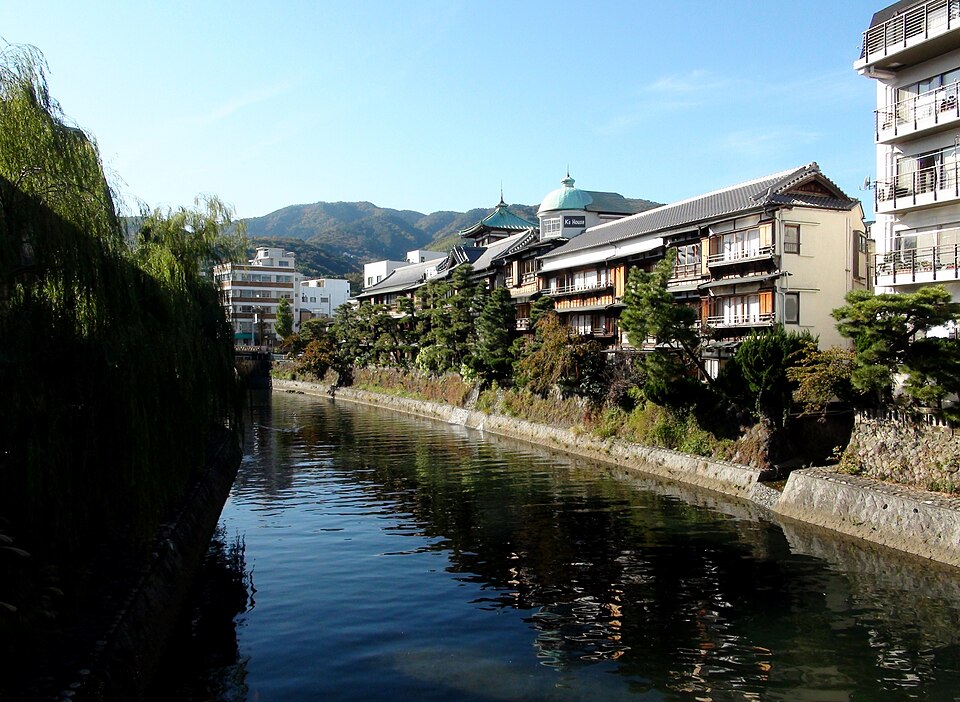
Ito sits along the eastern shore of the Izu Peninsula, facing the ocean and ranking among Japan's most productive hot spring districts by volume. More than 1,500 individual springs feed the town's supply, together pushing out around 30,000 kiloliters of water each day. Palm-lined avenues, tropical parks, and botanical gardens set the tone here, giving Ito a resort atmosphere that reads as distinctly its own compared to inland onsen destinations.
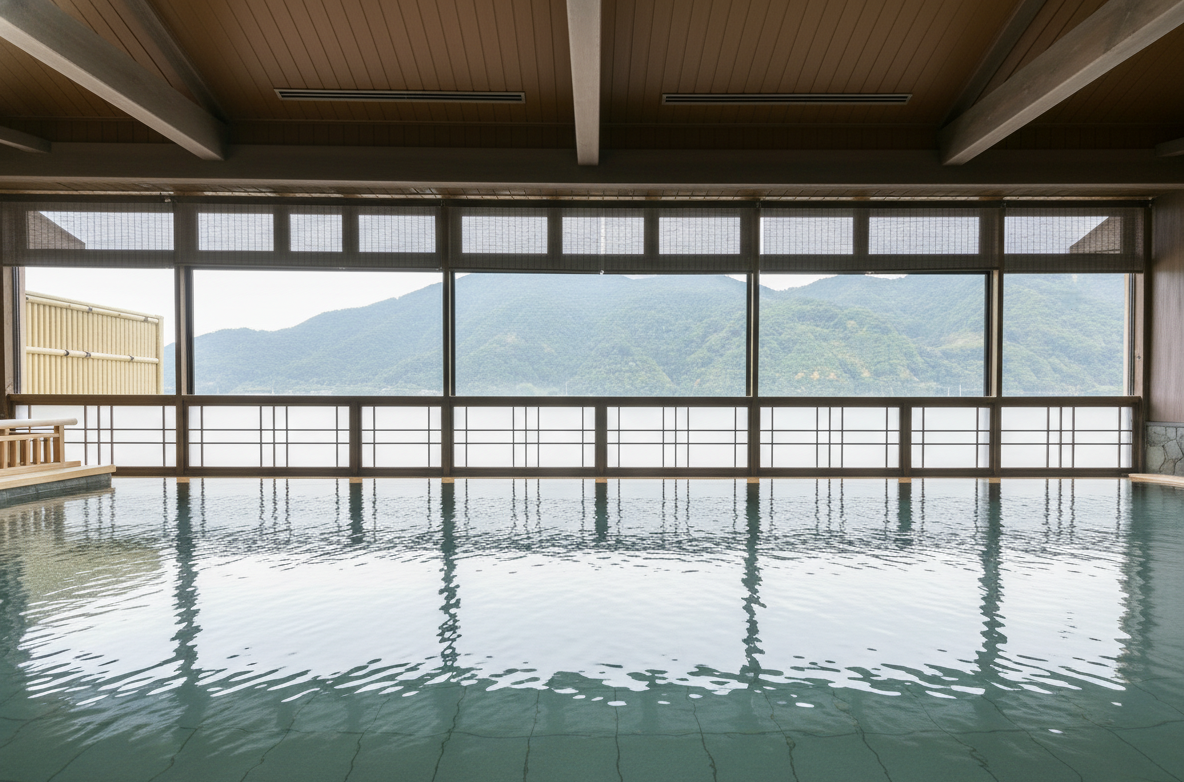
A mountain town in Niigata Prefecture famous for heavy snowfall and a unique sake-infused bath. After a day on the ski slopes, visitors soak in outdoor baths while snow falls silently around them. The town is also the setting of one of Japan's greatest novels.
Common questions
What is the water temperature at Nagaragawa Onsen?▾
The water temperature at Nagaragawa Onsen ranges up to 42°C (minimum around 15°C).
Is Nagaragawa Onsen free to visit?▾
Nagaragawa Onsen charges an entrance fee in JPY.
Is Nagaragawa Onsen a public or private bath?▾
Nagaragawa Onsen is a mixed bathing spring.
Are tattoos allowed at Nagaragawa Onsen?▾
Tattoo policy varies at Nagaragawa Onsen. Check ahead of your visit.
What is the nearest station to Nagaragawa Onsen?▾
The nearest station to Nagaragawa Onsen is Nagarabashi kita and Ukaiya, about 0.1km away.