
Asama Onsen
浅間温泉
Asama Onsen
thermal · Chubu
Hotter than 24% of Japan springs (n=122).
More acidic than 82% of Japan springs (n=121).
Mineral profile
Bar width reflects listing order, not measured concentration.
Suitability
At a glance
Getting there
Easy — under 1km from a station
Cost
High
About this spring
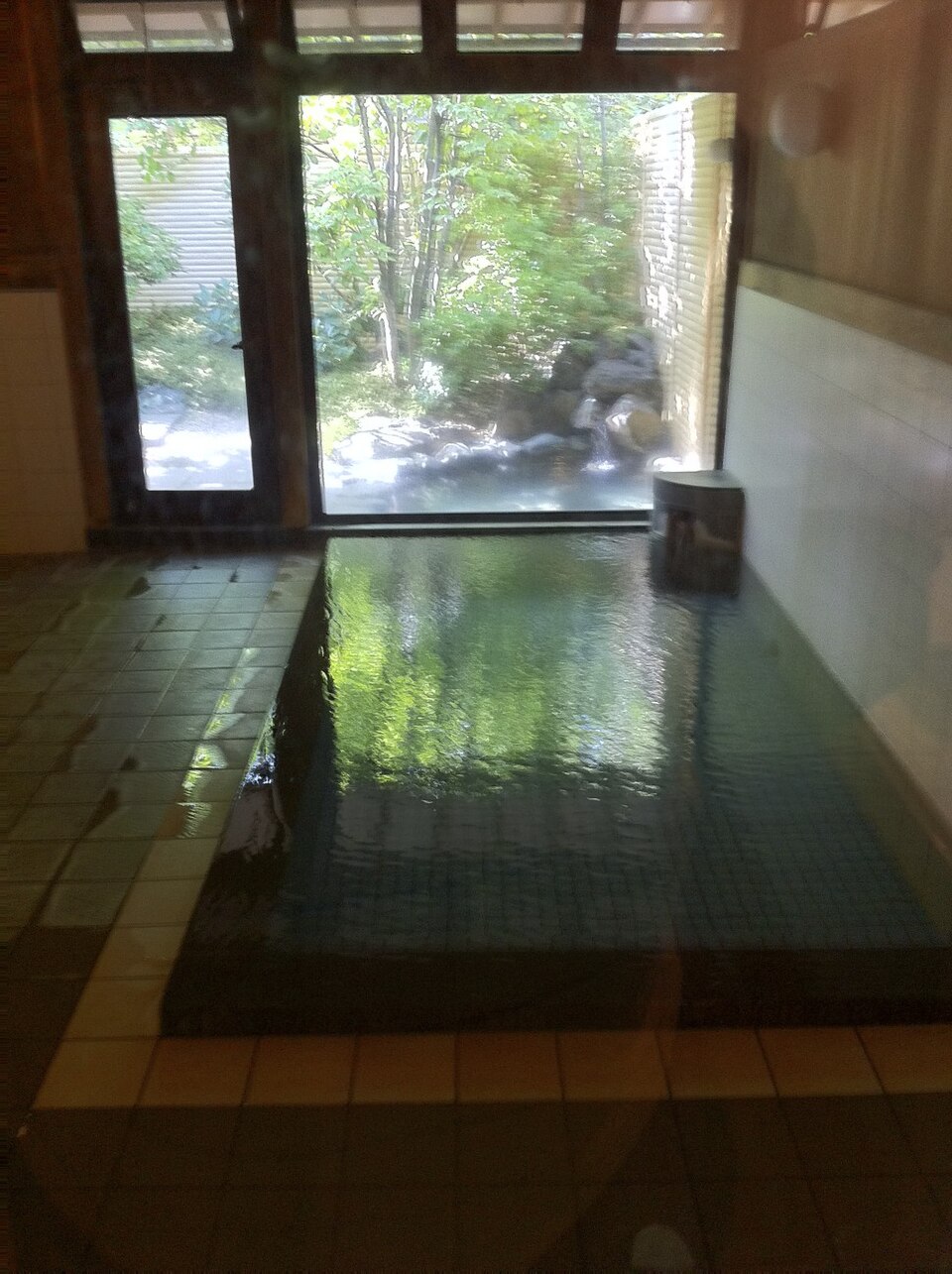
Asama Onsen sits on a hillside above Matsumoto city in Nagano Prefecture, offering outdoor baths with open views toward the Northern Alps. The water is a strongly alkaline sodium bicarbonate spring that leaves a notably silky feeling on the skin. Across the hillside, dozens of individually operated ryokan and public bathhouses serve visitors throughout the year.
Highlights
History
Written records of the springs trace back to the Nara period, making them among the older documented hot spring sites in the region.
During the Edo era the area developed into an organized resort town under the governance of the Matsumoto Domain. From 1969 to 2011, the complex also housed an open-air speed skating rink, an unlikely pairing that attracted competitive skaters alongside guests seeking the baths. Each August the Annual Asama Onsen Summer Festival carries on a tradition of communal bathing celebration that the town has observed for centuries.
Local guide
If you take a short ten-minute drive away from the stone walls of Matsumoto Castle, the city streets quickly turn into a quiet, sloping mountain village. This is Asama Onsen. It does not feel like a tourist trap filled with flashing lights and souvenir shops. Instead, it feels like a real, peaceful neighborhood where people happen to have some of the finest hot spring water in Japan flowing right under their homes. Back in the feudal days, the samurai lords who ruled Matsumoto would travel up this exact hill to wash away the stress of battle, and the town still keeps that calm, welcoming spirit today.
The water here is a complete contrast to the muddy, dramatic mountain springs you find deep in the wild peaks. At Asama, the water is completely clear, odorless, and pure. It pumps out of the earth at a perfect temperature, meaning it does not need to be heavily processed or cooled down with tap water. What makes it special is its high alkalinity. The moment you step into the bath, the water feels incredibly silky, almost like a smooth lotion. It naturally exfoliates your skin, and when you step out, you will notice you stay warm for a long time, even in the middle of a brisk Nagano winter.
Visiting the main public bathhouse, Biwa no Yu, feels like taking a walk through history. The indoor bath is lined with warm, fragrant cypress wood, and the outdoor rock pool is surrounded by a manicured Japanese garden that looks beautiful in any season. You can sit in the hot water, look at the pine trees, and listen to the birds without any city noise. It is an unhurried, practical place where locals and travelers sit side-by-side to relax. If you want to experience an authentic piece of Japanese history without hiking deep into the wilderness, this hillside escape is the perfect place to reset your body.
Mineral chemistry
Water character inferred from mineral type — verify on site.
Alkaline springs (pH above 8) are known for their skin-softening effect, sometimes called "beauty water" in bathing cultures across Asia. The high pH saponifies skin oils, producing a characteristic silky feel on the skin surface.
The slippery feeling underfoot in highly alkaline springs is normal — take care when standing and walking in the bath. Avoid prolonged soaking if you have dry or sensitive skin.
Similar springs
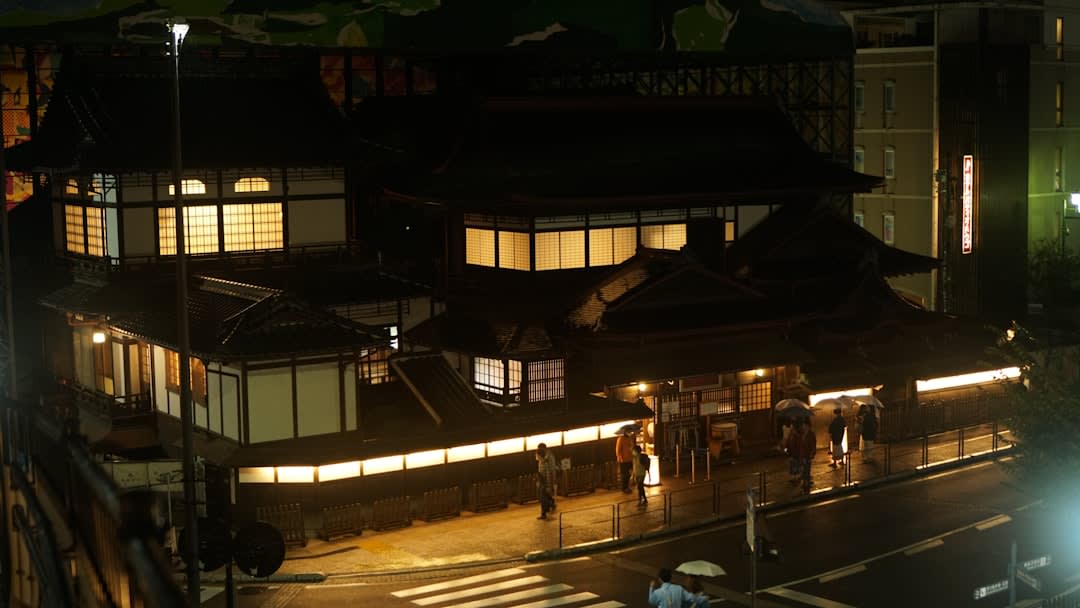
Dogo Onsen ranks among the oldest hot springs in Japan, with written records documenting its use for more than 1,300 years and oral traditions pointing back considerably further. The landmark Dogo Onsen Honkan is a three-storey wooden bathhouse finished in 1894, widely credited as the inspiration for the bathhouse depicted in Studio Ghibli's Spirited Away. The spring water is mildly alkaline and has long been valued for its ability to soften and smooth the skin.
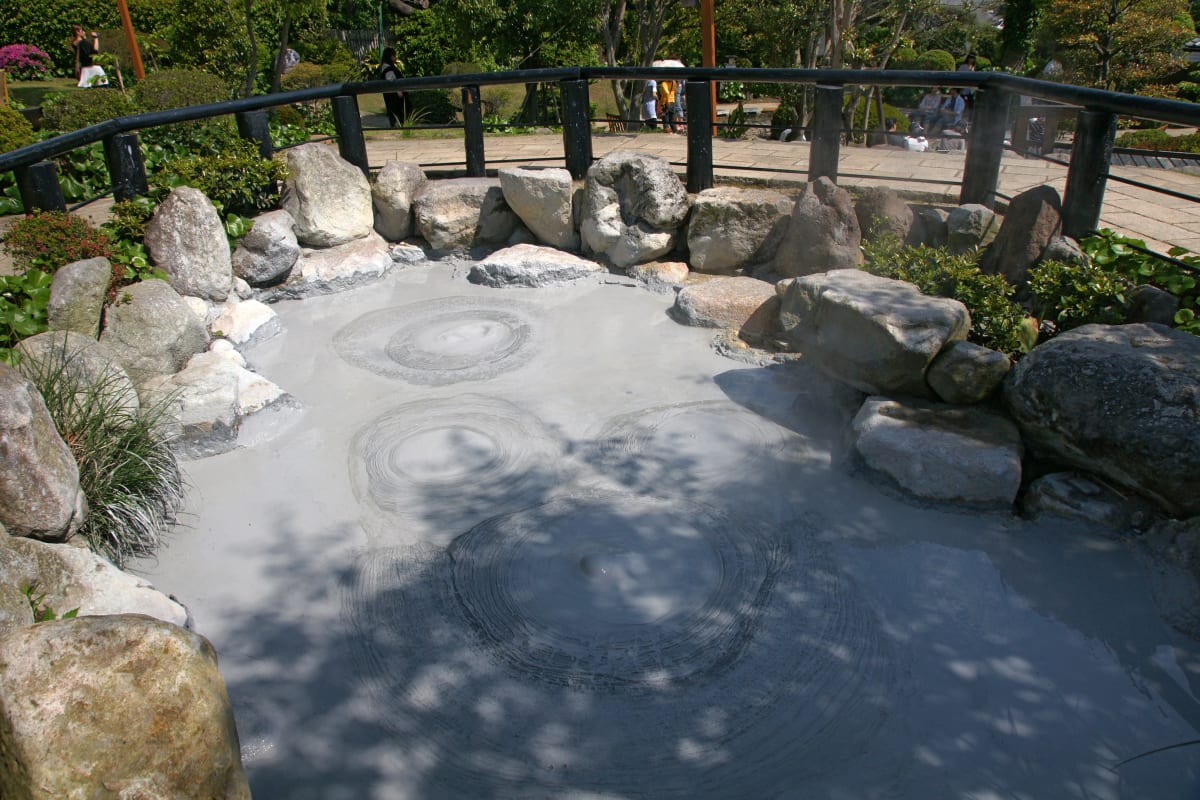
Beppu is the most geothermally active city in Japan, with more than 2,900 hot spring vents located within the city limits and eight distinct thermal spring zones collectively known as the Beppu Hatto. The variety on offer is wide, ranging from grand hotel bathhouses to modest neighborhood public facilities to the celebrated Hells, a collection of brilliantly colored boiling pools scattered across the city. The Hells run far too hot for bathing, but they draw visitors who come to walk among them and take in the spectacle.
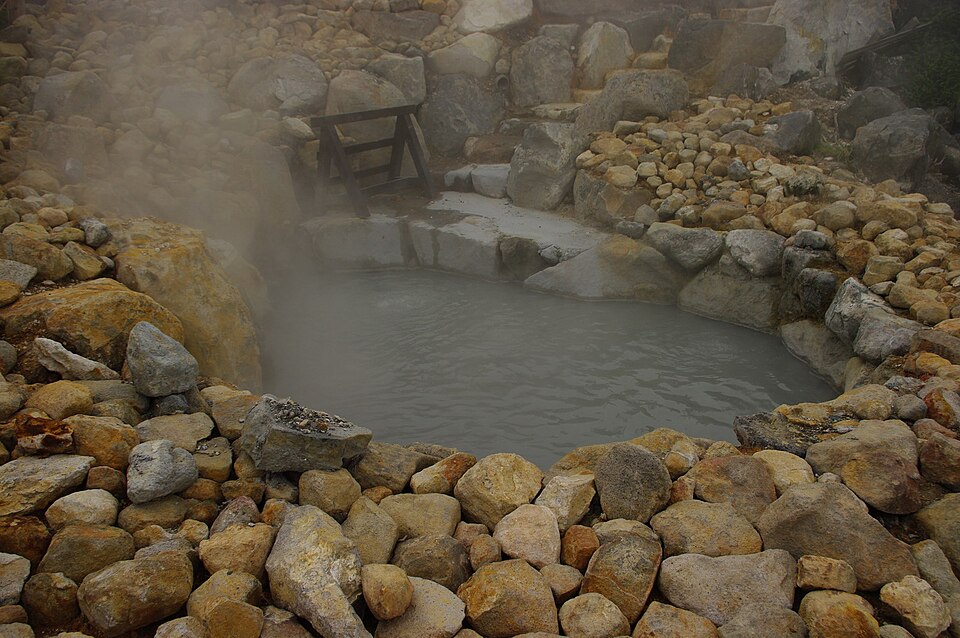
Hakone is a sizable onsen district spread across a caldera, roughly 90 minutes from Tokyo by rail. Seventeen distinct spring sources supply the area's bathhouses, which range from large hotel rotenburo with views of Mt. Fuji and Lake Ashi to small, family-operated facilities tucked along the Old Tokaido road. Because the mineral makeup differs from one source to the next, visiting multiple bathhouses yields a genuinely different soaking experience each time.
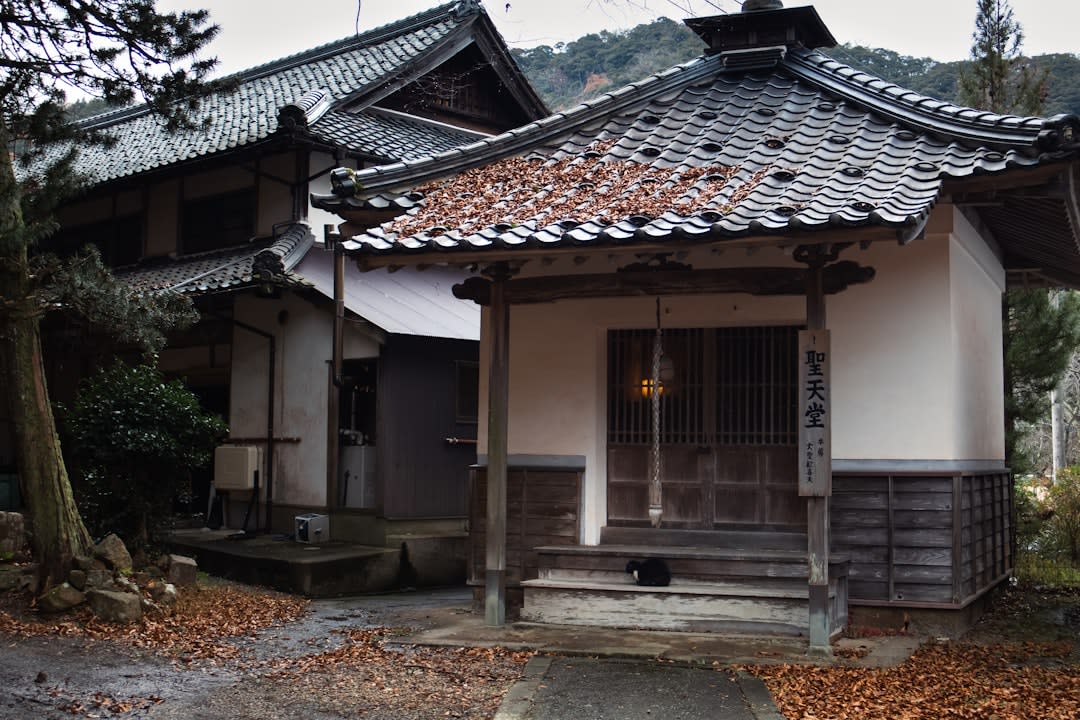
One of Japan's most beloved onsen towns. Visitors put on a yukata and wooden sandals and stroll between seven public bathhouses along a willow-lined canal. The wooden bridges, stone walkways, and traditional inn facades have barely changed in a century. The town is built for wandering.
Amenities
Getting there
From Tokyo, take the JR Azusa limited express from Shinjuku to Matsumoto Station. The journey takes about 2 hours 30 minutes. From Matsumoto Station's east exit, take an Alpico city bus on the Asama Line from platform 1. The ride to Asama Onsen takes about 20 minutes.
Location & nearby
Asama Onsen, Matsumoto, Nagano
Make a day of it
Pair your soak with these nearby spots.
Attraction
Asamaonsenkaikanhottopurazaasama
0.1km away
Attraction
Hottopurazaasama Ashiyu
0.1km away
Attraction
Kabushikigaisha Chishokuchisan "Asamaonsenwaiwaihiroba"
0.2km away
Attraction
AsamaonsentōHanyoku
0.3km away
Attraction
Senkinoyu
0.3km away
Attraction
Onouenoyu Ryokan
0.3km away
More springs in Chubu
 FREE
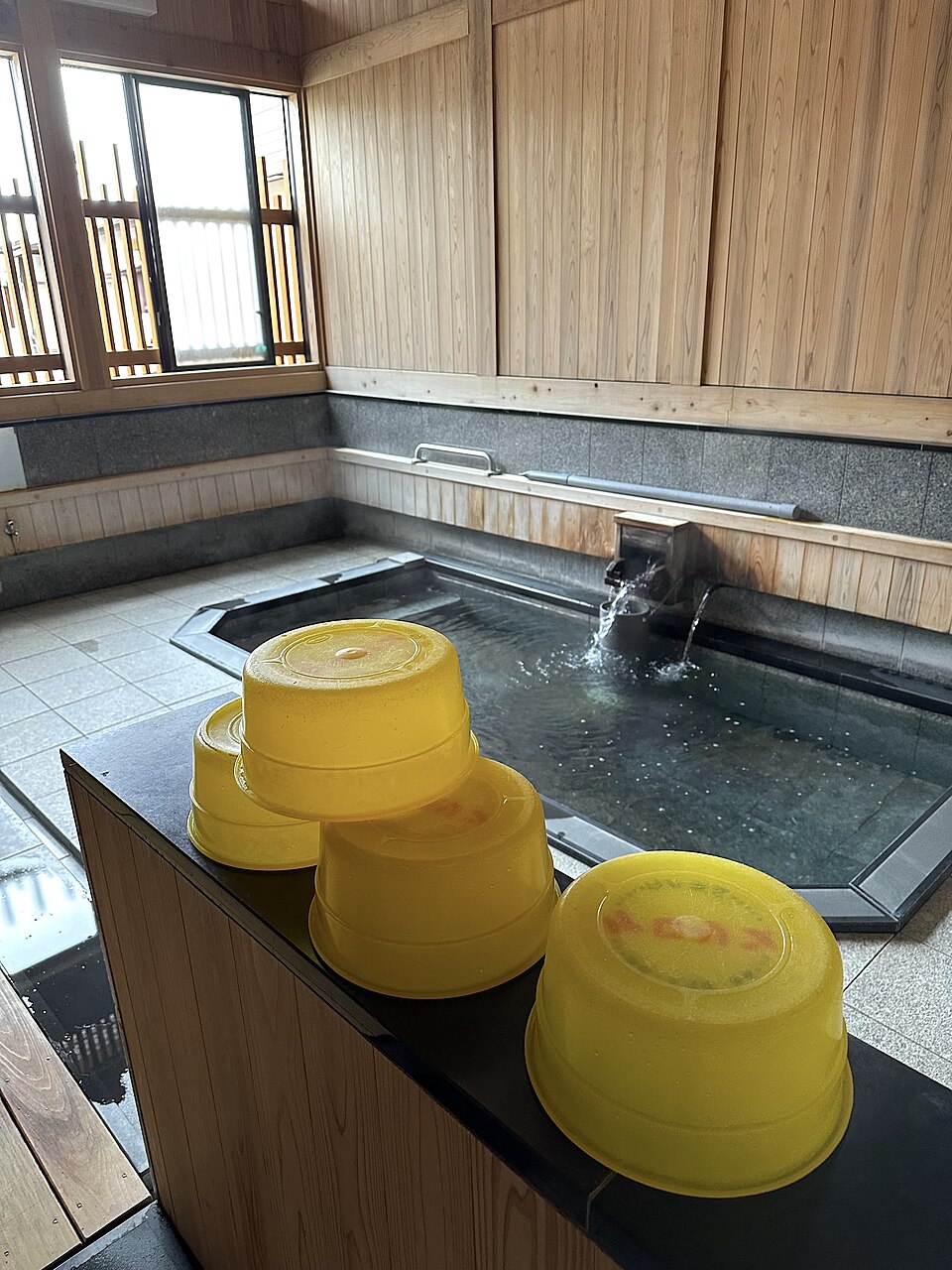
FREENozawa Onsen is a traditional village in Nagano Prefecture that maintains 13 free public bathhouses open to visitors and residents alike. These bathhouses, known as soto-yu, have been overseen by neighborhood cooperatives called yunakama for close to four centuries. The village also contains world-class ski slopes, a pairing that is genuinely uncommon anywhere in the world.
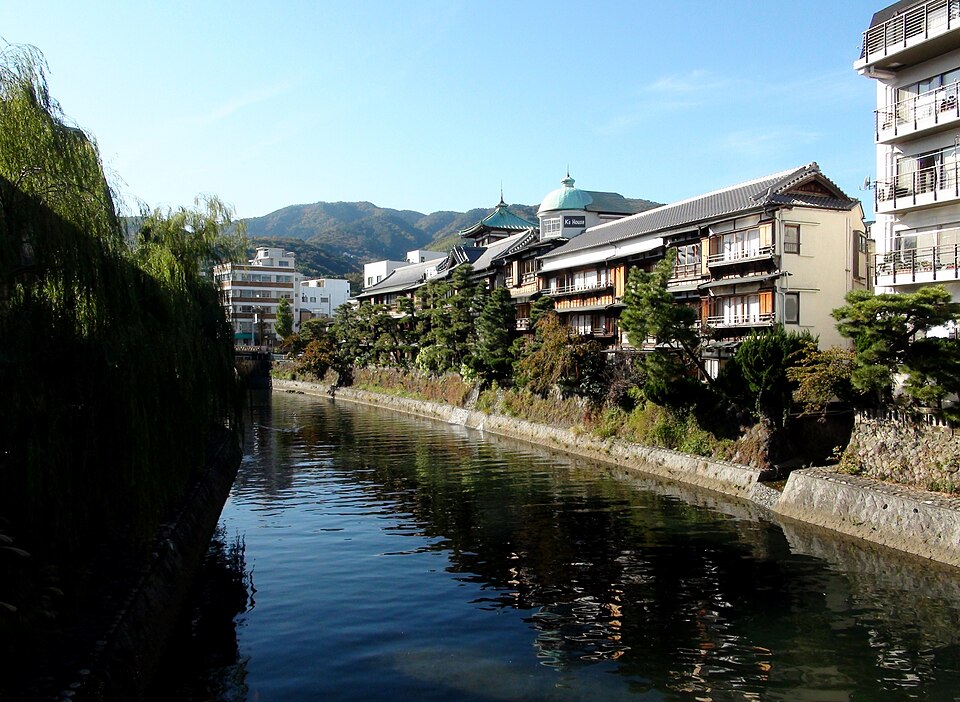
Ito sits along the eastern shore of the Izu Peninsula, facing the ocean and ranking among Japan's most productive hot spring districts by volume. More than 1,500 individual springs feed the town's supply, together pushing out around 30,000 kiloliters of water each day. Palm-lined avenues, tropical parks, and botanical gardens set the tone here, giving Ito a resort atmosphere that reads as distinctly its own compared to inland onsen destinations.
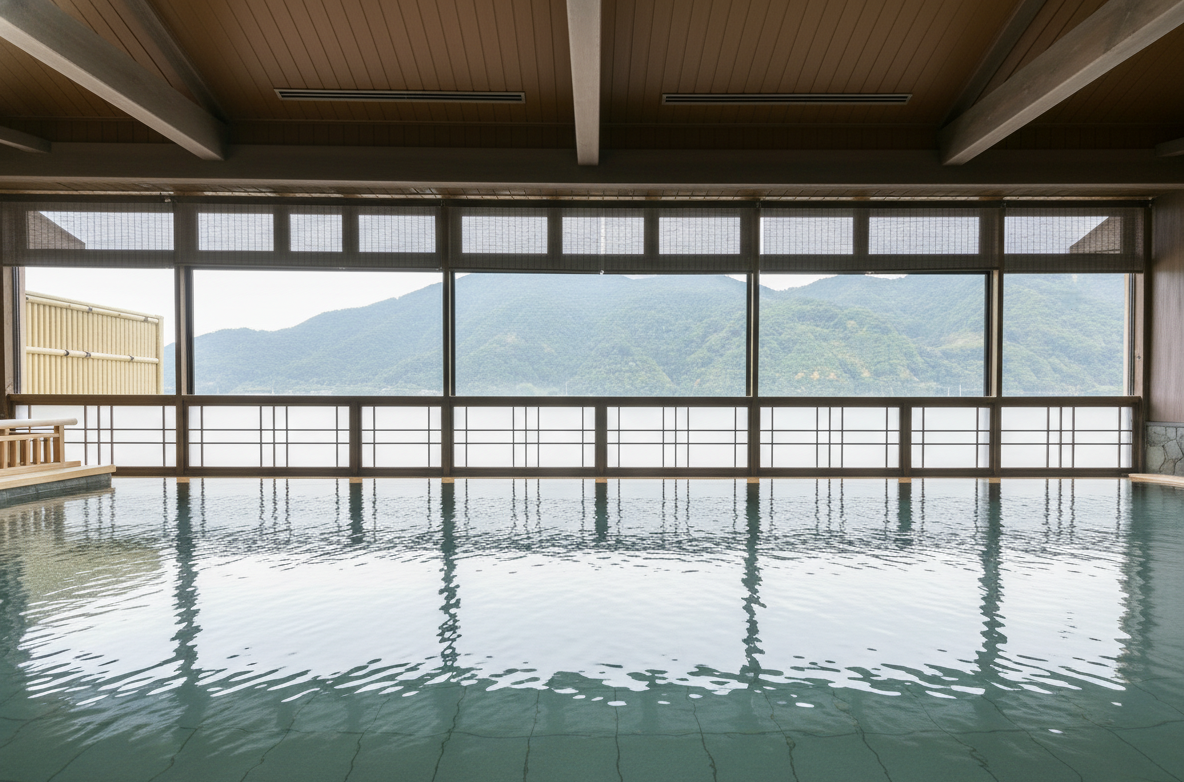
A mountain town in Niigata Prefecture famous for heavy snowfall and a unique sake-infused bath. After a day on the ski slopes, visitors soak in outdoor baths while snow falls silently around them. The town is also the setting of one of Japan's greatest novels.
Common questions
What is the water temperature at Asama Onsen?▾
The water temperature at Asama Onsen ranges up to 50°C (minimum around 46°C).
Is Asama Onsen free to visit?▾
Asama Onsen charges an entrance fee in JPY.
Is Asama Onsen a public or private bath?▾
Asama Onsen is a public bathing spring.
Are tattoos allowed at Asama Onsen?▾
Tattoo policy varies at Asama Onsen. Check ahead of your visit.
What is the nearest station to Asama Onsen?▾
The nearest station to Asama Onsen is Asama Onsen Bunka Center, about 0.1km away.