
Tsukioka Onsen
月岡温泉
Tsukioka Onsen
sulfur · Chubu
Hotter than 30% of Japan springs (n=122).
More acidic than 56% of Japan springs (n=121).
Mineral profile
Bar width reflects listing order, not measured concentration.
Suitability
At a glance
Getting there
Moderate — a short ride from a station
Cost
Moderate
About this spring
Tsukioka Onsen is a traditional hot spring town within Shibata City, Niigata Prefecture, with origins dating to 1917, when petroleum drillers tapped into geothermal water rather than oil. The spring produces an emerald-green color owing to a sulfur concentration that ranks among the highest of any hot spring in Japan. Roughly 30 geisha continue to work in the town today, and they perform at the Tsukimidai theatre each Sunday from April through November.
Highlights
History
The spring came to light by accident in 1917, when local operators chose to build a bathhouse on the site instead of pressing on with oil exploration.
The resort expanded steadily through the Taisho and Showa periods as rail connections drew group tours and corporate parties out from Niigata. A geisha culture took root alongside the growing ryokan district, and at the height of the resort's popularity dozens of geisha houses lined the main promenade. Approximately 30 geisha remain working in Tsukioka today, making it one of the larger intact communities of its kind in Japan. The spring holds a place on the list of Japan's 100 Famous Hot Springs.
Local guide
Coming from Niigata City on the Uetsu Line, you pass through flat rice paddy country until Shibata, then a short taxi or bus ride takes you into gentle hills where the landscape softens. Tsukioka Onsen sits in a quiet valley in Shibata City, backed by low wooded ridges and surrounded by farmland. It is not dramatic country like the Japan Alps to the south, but there is something easy about it, a village that has been welcoming people from the Niigata plains for over a hundred years without making too big a deal about it.
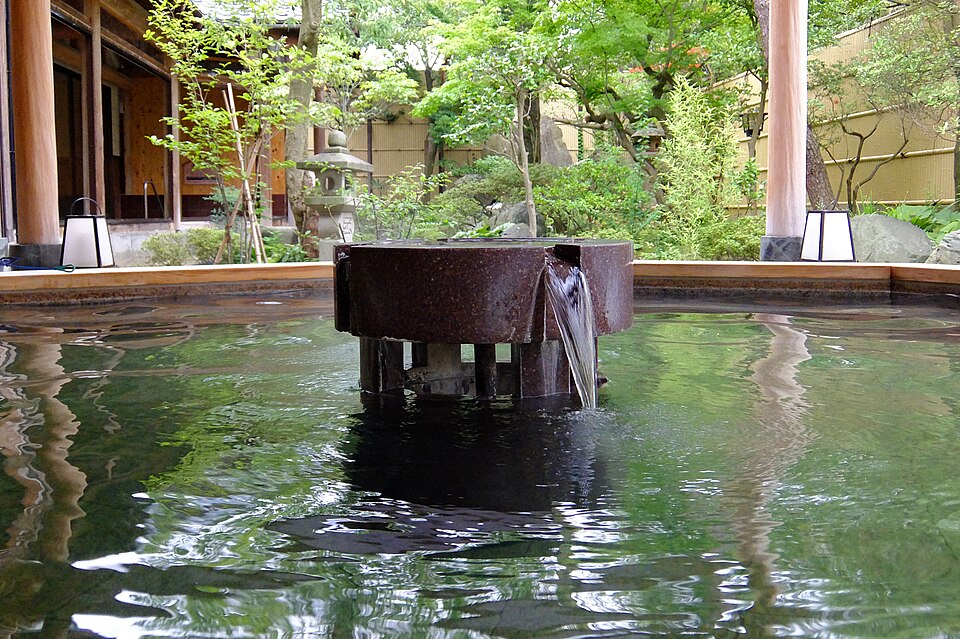
What Tsukioka is genuinely known for is its water color, and no photograph quite prepares you for seeing it in person. The spring is a sulfur-sodium-chloride type that emerges from the earth at 51 degrees Celsius. In the bath, the water shows up as a vivid, almost impossible emerald green, the kind of color you associate with tropical sea water rather than a mountain hot spring in northern Japan. Regulars say it can shift through several shades depending on the light and temperature, and some sources claim it moves through as many as seven different colors through the day. The water feels remarkably smooth against your skin, with a slight oily softness that comes from the sodium content and high sulfur levels.
The sulfur concentration at Tsukioka is among the highest in the prefecture. The smell is present but not aggressive. You notice it when you step into the bathhouse but it fades into the background within a few minutes. The water leaves your skin feeling supple for hours after you get out, which is probably why this place built a reputation as a beauty spring long before that kind of marketing language existed. Locals from Shibata have been making weekend trips here for generations.
The town has a calm, residential feel that bigger onsen destinations have largely lost. A handful of traditional ryokan line the main street, and the handful of restaurants nearby serve straightforward Niigata food, the kind of place where the set menu comes with locally grown rice and pickled vegetables from the area. It is an easy half-day from Niigata Station and an easy choice if you want good water without the crowds.
Mineral chemistry
Sulfuric hot springs are among the most studied in balneology worldwide. The sulfur compounds, primarily hydrogen sulfide and thiosulfate, have documented antimicrobial and anti-inflammatory properties. Regular bathing is associated with relief from chronic skin conditions including eczema and psoriasis, as well as joint inflammation and muscle soreness. Sulfuric waters have been used therapeutically across Asia and Europe for centuries.
The distinctive rotten-egg smell dissipates quickly after leaving the bath. Avoid if you have a sulfur allergy, very sensitive skin, or respiratory conditions. Remove silver jewellery before entering — sulfur will blacken it permanently.
Sodium chloride springs, essentially natural saltwater baths, are celebrated for their warming and moisturising effects. The salt forms a thin film on the skin that slows moisture evaporation, keeping skin hydrated longer than a freshwater bath.
Those with high blood pressure or heart conditions should consult a doctor before bathing, as the warming effect increases circulation. Avoid immersing open wounds.
Similar springs
 FREE
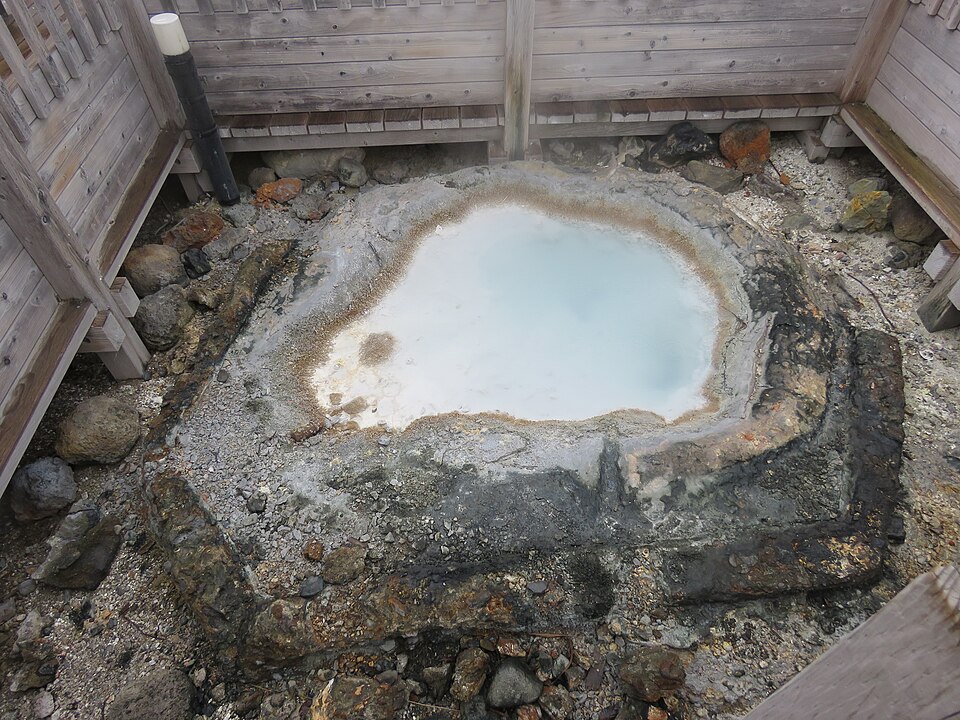
FREEThe valley occupies the center of Noboribetsu Onsen in Hokkaido. Jigokudani translates as Hell Valley. The crater covers 11 hectares and releases roughly 10,000 tonnes of hot spring water each day. Fumaroles vent steam across the floor of the valley, boiling pools bubble at the surface, and the surrounding cliffs carry heavy mineral staining. A walking path winds through the area in about 20 minutes and is open to all visitors at no cost. It ranks among the most striking landscapes accessible on foot anywhere in Japan.
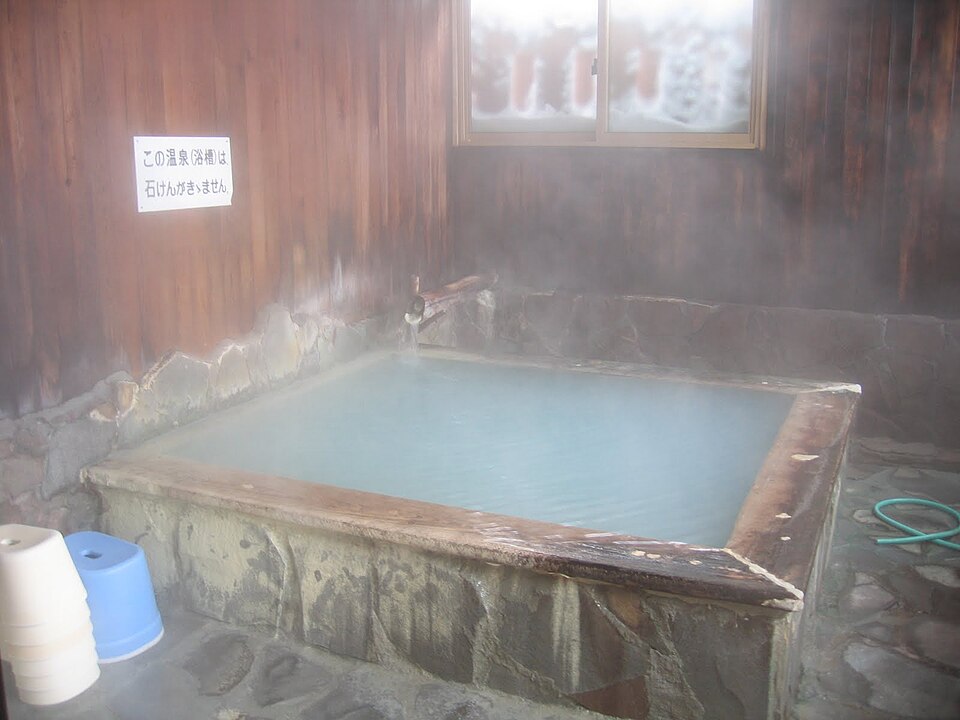
Set deep in the Hakkoda Mountains of Aomori Prefecture, Sukayu Onsen is a historic bathhouse best known for its cavernous mixed-bathing hall, the Sen-nin-buro, which translates as the Bath of a Thousand Bathers. The waters are strongly acidic, the setting is rustic and unhurried, and winter brings extraordinary snowfall to the surrounding mountains.
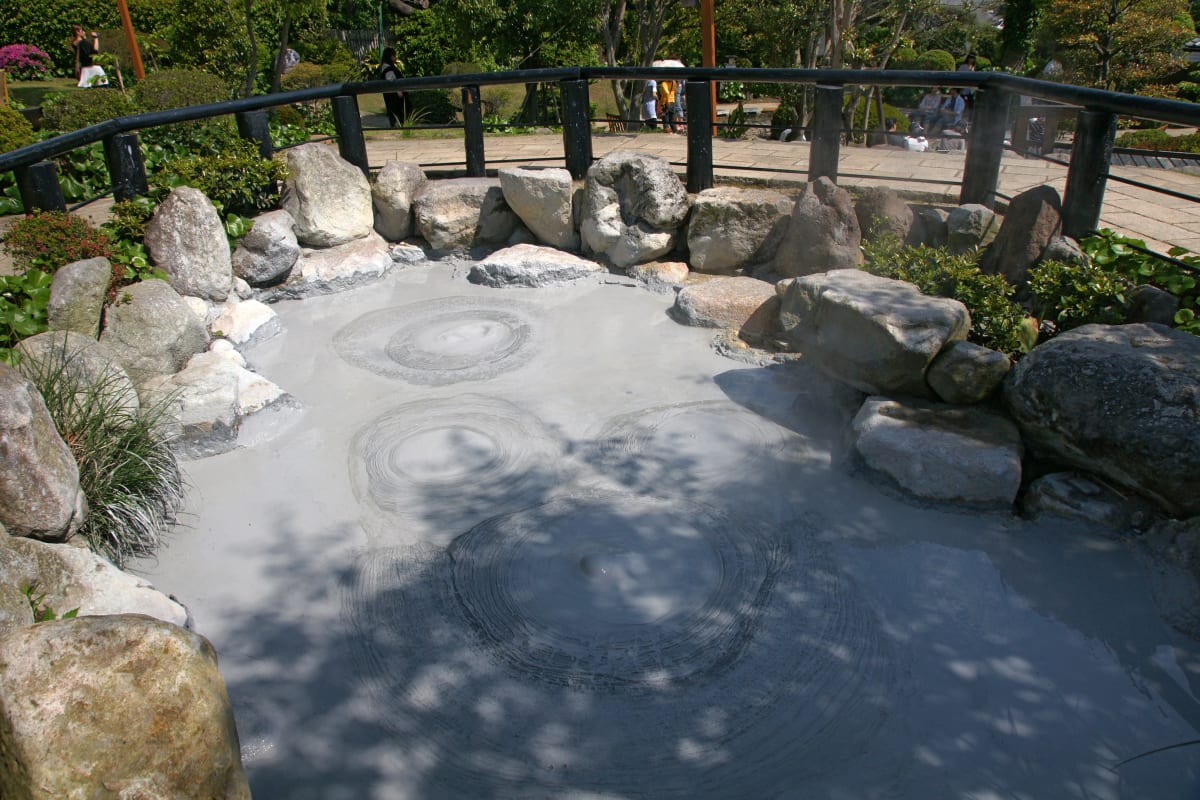
Beppu is the most geothermally active city in Japan, with more than 2,900 hot spring vents located within the city limits and eight distinct thermal spring zones collectively known as the Beppu Hatto. The variety on offer is wide, ranging from grand hotel bathhouses to modest neighborhood public facilities to the celebrated Hells, a collection of brilliantly colored boiling pools scattered across the city. The Hells run far too hot for bathing, but they draw visitors who come to walk among them and take in the spectacle.
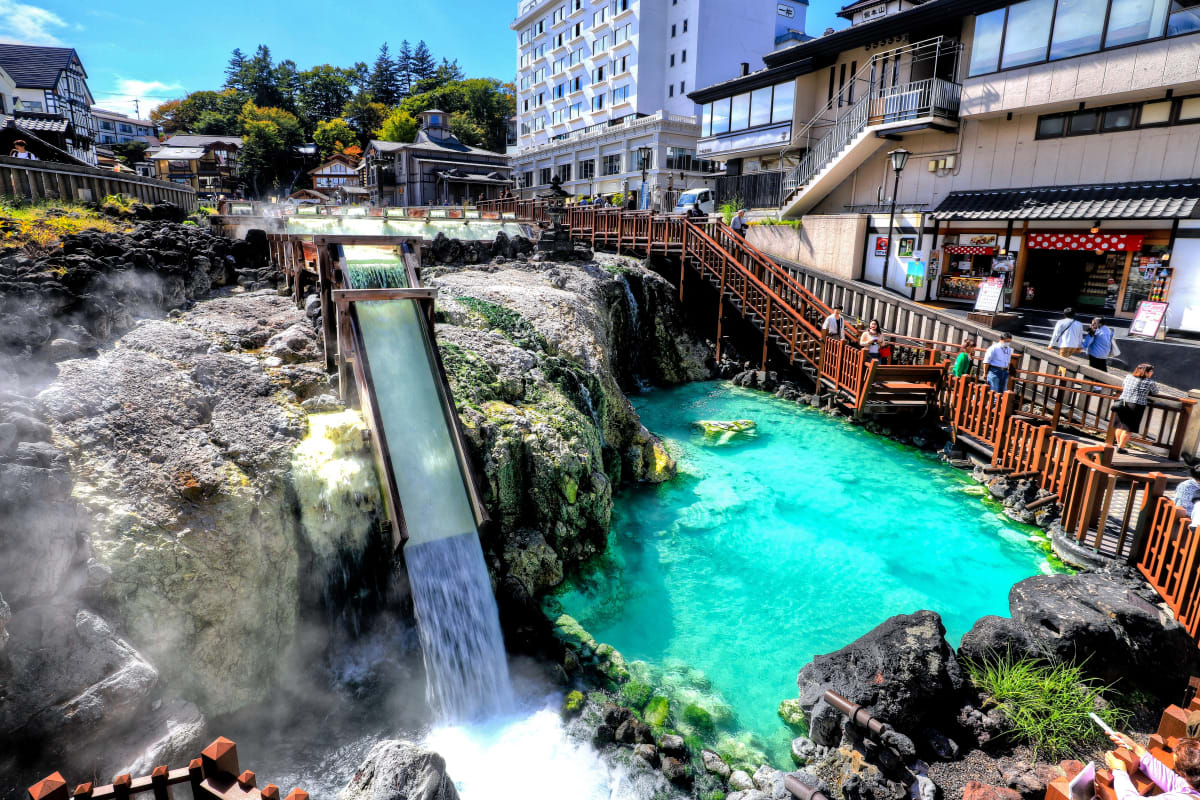 FREE
FREEKusatsu Onsen sits at 1,200 meters in the mountains of Gunma Prefecture and ranks among the most celebrated hot spring towns in Japan. The springs here produce more than 32,000 liters of water per minute, a volume unmatched anywhere else in the country. The water is strongly acidic and sulfurous, and its skin-healing properties have long made it legendary among visitors. Twice each day in the central town square, workers cool the scalding water by pulling long wooden paddles through it in unison while singing traditional songs. This practice is called yumomi.
Amenities
Getting there
From Niigata Station, take the JR Hakushin Line to Toyosaka Station, about 20 minutes. Then board the Tsukioka Onsen Ryokan Association shuttle bus to the onsen village, about 20 minutes. From Tokyo, take the Joetsu Shinkansen to Niigata first.
Location & nearby
Tsukioka Onsen, Shibata, Niigata
Make a day of it
Pair your soak with these nearby spots.
Attraction
Tsukioka Onsen Fu Rinya(Hotel Eriawanguru Pu)
0.2km away
Park
Shibatashishoshisetsutsukiokakariompa Kukanrijimusho
0.3km away
Attraction
Tsukiokaonsen Hirosekan Hitennooto
0.3km away
Park
Tsukiakarinoniwa
0.3km away
Park
Kariompa Kuchu Shajo
0.4km away
Attraction
Biidorotsukiokatentezukurigarasu
0.4km away
More springs in Chubu
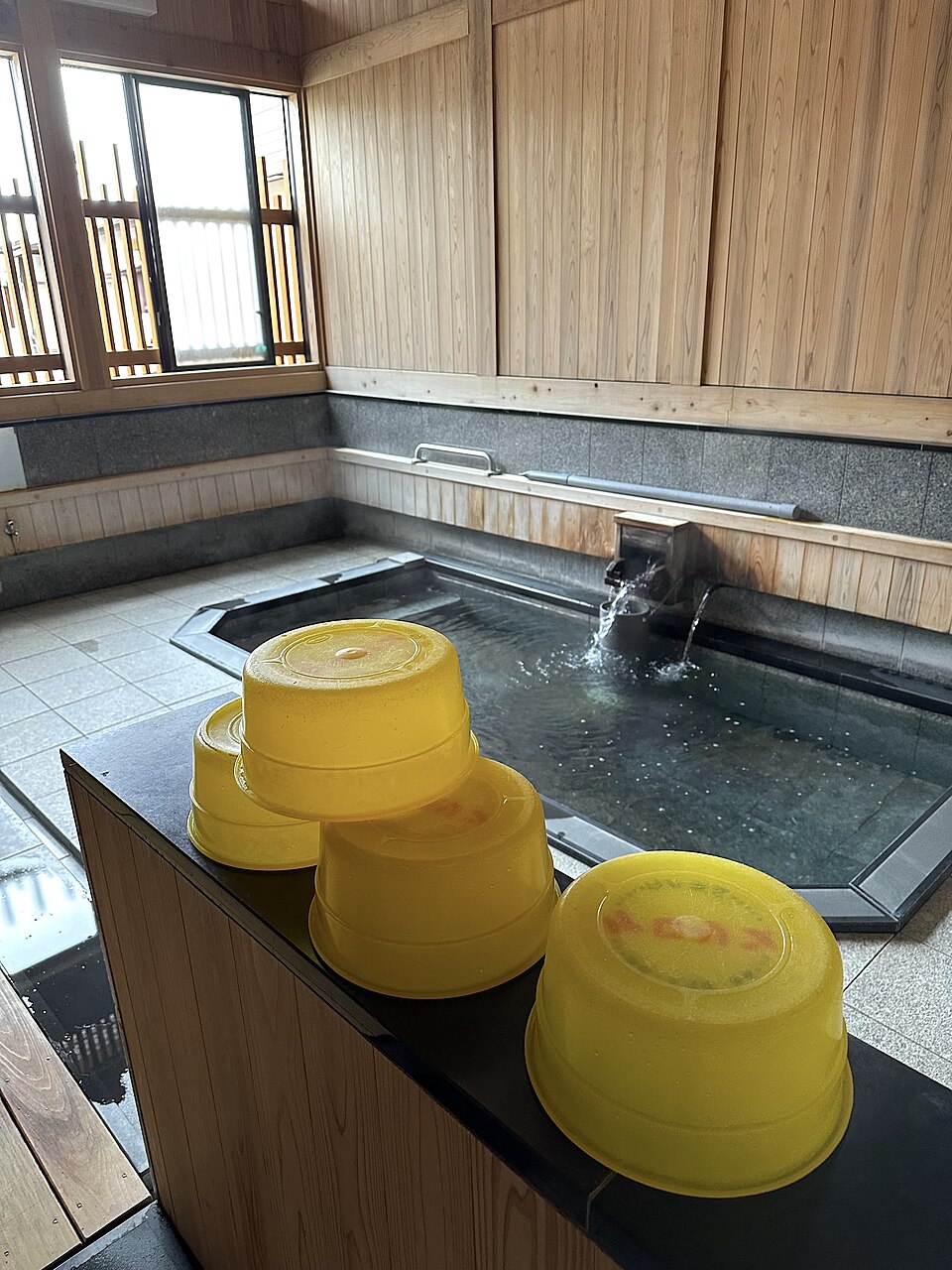 FREE
FREENozawa Onsen is a traditional village in Nagano Prefecture that maintains 13 free public bathhouses open to visitors and residents alike. These bathhouses, known as soto-yu, have been overseen by neighborhood cooperatives called yunakama for close to four centuries. The village also contains world-class ski slopes, a pairing that is genuinely uncommon anywhere in the world.
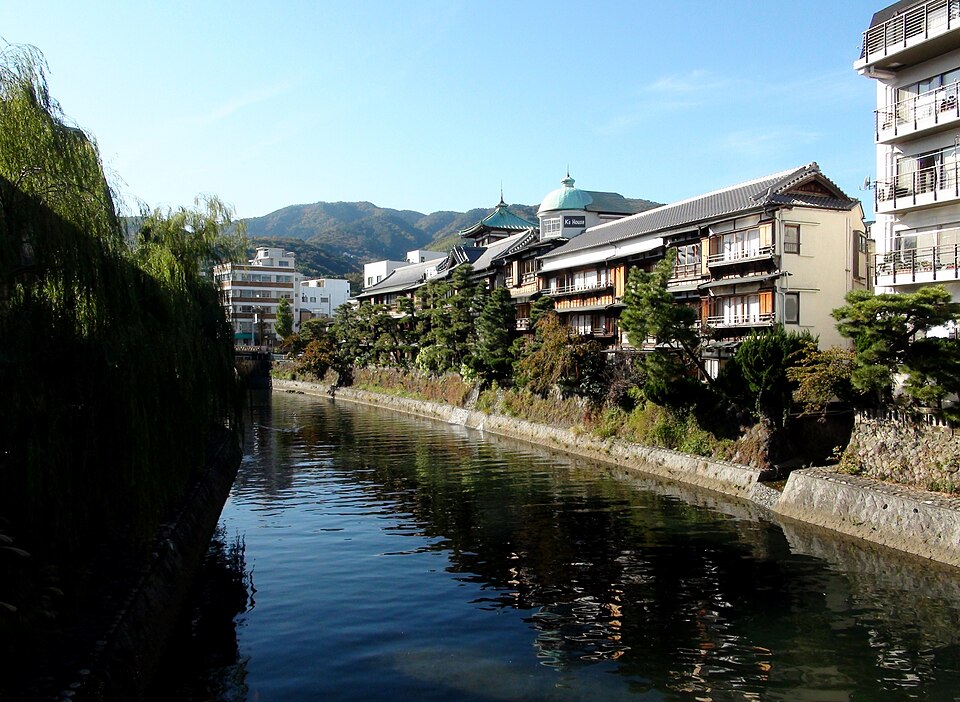
Ito sits along the eastern shore of the Izu Peninsula, facing the ocean and ranking among Japan's most productive hot spring districts by volume. More than 1,500 individual springs feed the town's supply, together pushing out around 30,000 kiloliters of water each day. Palm-lined avenues, tropical parks, and botanical gardens set the tone here, giving Ito a resort atmosphere that reads as distinctly its own compared to inland onsen destinations.
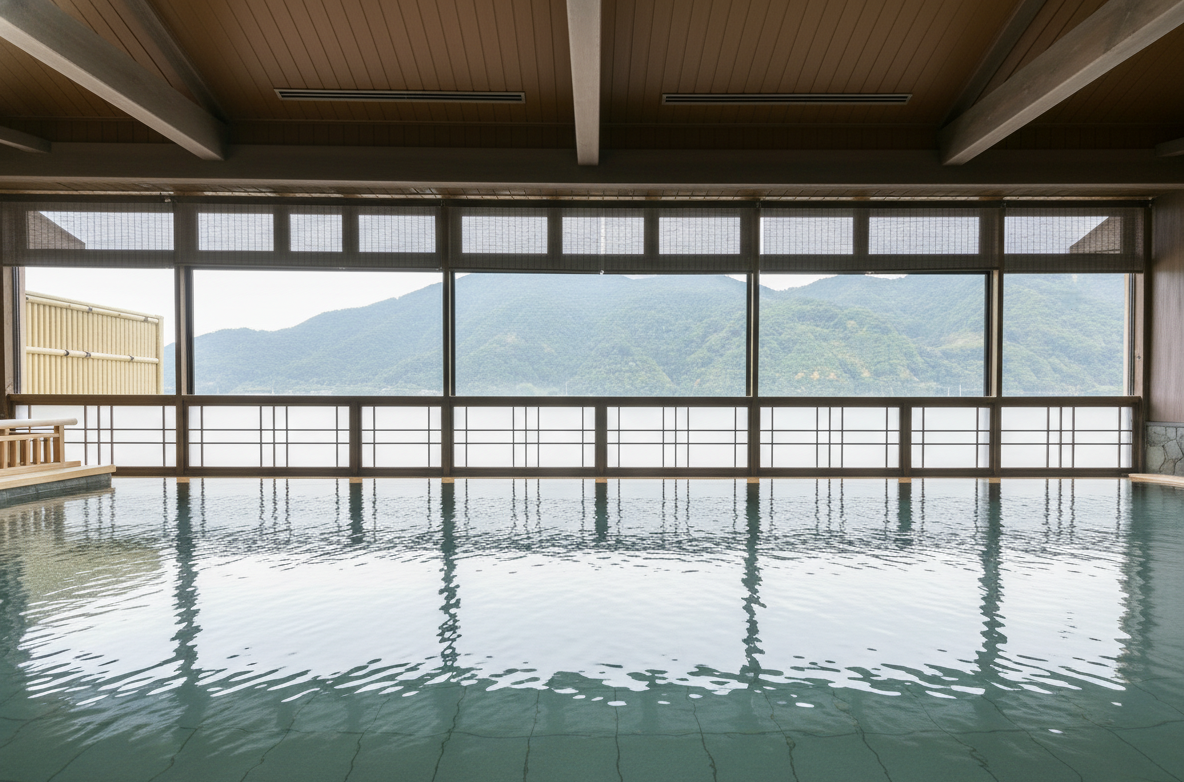
A mountain town in Niigata Prefecture famous for heavy snowfall and a unique sake-infused bath. After a day on the ski slopes, visitors soak in outdoor baths while snow falls silently around them. The town is also the setting of one of Japan's greatest novels.
Common questions
What is the water temperature at Tsukioka Onsen?▾
The water temperature at Tsukioka Onsen ranges up to 51°C (minimum around 51°C).
Is Tsukioka Onsen free to visit?▾
Tsukioka Onsen charges an entrance fee in JPY.
Is Tsukioka Onsen a public or private bath?▾
Tsukioka Onsen is a public bathing spring.
Are tattoos allowed at Tsukioka Onsen?▾
No, Tsukioka Onsen does not permit visible tattoos.
What is the nearest station to Tsukioka Onsen?▾
The nearest station to Tsukioka Onsen is Tsukioka Station, about 3.2km away.