
Tsubame Onsen
燕温泉
Tsubame Onsen
sulfur · Chubu
Hotter than 11% of Japan springs (n=122).
More acidic than 4% of Japan springs (n=121).
Mineral profile
Bar width reflects listing order, not measured concentration.
Suitability
At a glance
Getting there
Easy — under 1km from a station
About this spring
Tsubame Onsen is a hot spring resort located in Tsubame, Japan. The waters carry a high mineral content and have been sought out for their therapeutic properties by visitors across many generations. The setting is mountain forest, quiet and green, giving the onsen a natural character that complements the bathing experience. The site draws guests looking for physical relief as well as those interested in a form of cultural immersion rooted in Japan's long tradition of communal bathing.
Highlights
History
Tsubame Onsen sits at roughly 1,100 metres above sea level on the southern slope of Mount Myoko in Niigata Prefecture, making it the highest hot spring village in the Myoko Kogen area.
Local tradition credits the discovery of the springs to Kobo Daishi, the ninth-century monk who established Shingon Buddhism, a figure whose name is connected to many sacred discoveries throughout Japan, and the site carried a spiritual character through the medieval and Edo periods. Hot water had long risen naturally among the rocks near Sotaki Waterfall, a cascade now listed among Japan's Top 100 Waterfalls, but organized commercial development began in 1875, the eighth year of the Meiji era, when the springs were formally opened to the public. The name Tsubame, the Japanese word for swallow, was given to the hot spring to honor the flocks of rock swallows that once passed through the mountain gorge, their movement through the steep terrain becoming part of the onsen's defining character. The water appears milky white due to its concentration of sulfur, bicarbonate, and sulfate minerals, a composition that earned it the designation of triple beauty bath and a noted reputation for treating rheumatism, neuralgia, and skin conditions. These qualities drew religious pilgrims and health travelers alike through the Meiji and Taisho eras. Two communal open-air baths, Ogon-no-Yu and Kawara-no-Yu, remain freely open to visitors today, kept by the local community as a continuation of the inclusive bathing culture that has defined the resort since it first opened.
Local guide
The road into Tsubame Onsen starts at Myoko Kogen and climbs steadily through cedar forest until the valley narrows and the air changes. At around 1,100 meters above sea level, you reach a cluster of wooden inns huddled against the slope, and the faint smell of sulfur starts drifting through your car window. This is the highest hot spring village in Niigata Prefecture, sitting right at the trailhead for Mount Myoko, and its two free outdoor baths are a fifteen-minute walk further up through the trees from the last inn.
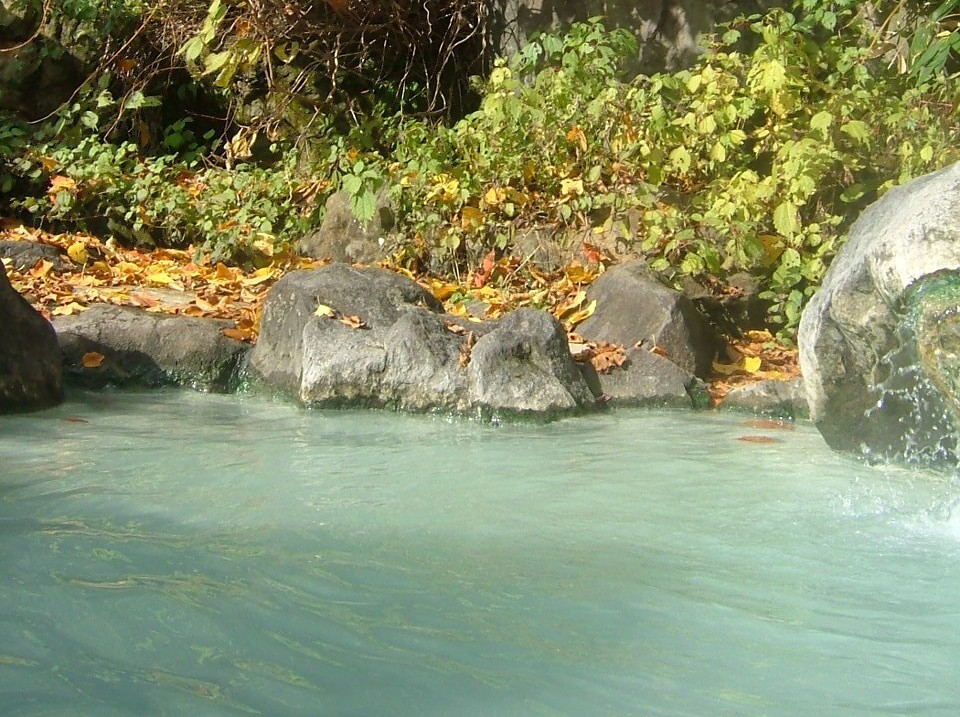
The outdoor baths here, Kawara-no-yu and Ougon-no-yu, sit right on a rocky streambed where the mountain meets a small rushing creek. Both are free to use and maintained entirely by the local community with no staff, no entrance booth, and no formal hours. The water flowing into the pools is naturally milky white from its high sulfur and sulfate content. It smells sharp and clean, not like rotten eggs but like struck flint, and when you step in at 43 degrees the heat is immediately deep and penetrating. Kawara-no-yu is a mixed-gender konyoku bath, which surprises some visitors, but the milky opacity of the water gives everyone enough privacy to be comfortable.
The setting is remarkable. You are sitting in a stone hollow in an actual mountain forest, not a garden designed to look like one. Tall conifers press in from three sides. The creek runs over the rocks below you, loud enough to fill the silence. In winter, the snow loads the branches and the contrast between the pale white water and the dark wet stone is something you do not forget quickly. There are no showers, no lockers, and no vending machines. You change in a small wooden hut and walk out in your towel.
Tsubame also has a quality that almost no other major onsen in Japan shares: a formal welcome for tattooed visitors at both the outdoor baths and the indoor facilities. For people who have spent years researching onsen only to be turned away at the door, this alone makes the trip worthwhile. The sulfur in the water is said to be good for skin and joints, and locals who have used these baths for generations certainly seem convinced. If you are willing to take the mountain road and walk the last stretch on foot, what you find at the top is completely genuine.
Mineral chemistry
Sulfuric hot springs are among the most studied in balneology worldwide. The sulfur compounds, primarily hydrogen sulfide and thiosulfate, have documented antimicrobial and anti-inflammatory properties. Regular bathing is associated with relief from chronic skin conditions including eczema and psoriasis, as well as joint inflammation and muscle soreness. Sulfuric waters have been used therapeutically across Asia and Europe for centuries.
The distinctive rotten-egg smell dissipates quickly after leaving the bath. Avoid if you have a sulfur allergy, very sensitive skin, or respiratory conditions. Remove silver jewellery before entering — sulfur will blacken it permanently.
Sulfate springs contain dissolved calcium, sodium, or magnesium sulfate. Calcium sulfate springs are traditionally associated with wound healing and post-surgical recovery.
Sodium sulfate springs can have a mild laxative effect in sensitive individuals — stay well hydrated.
Similar springs
 FREE
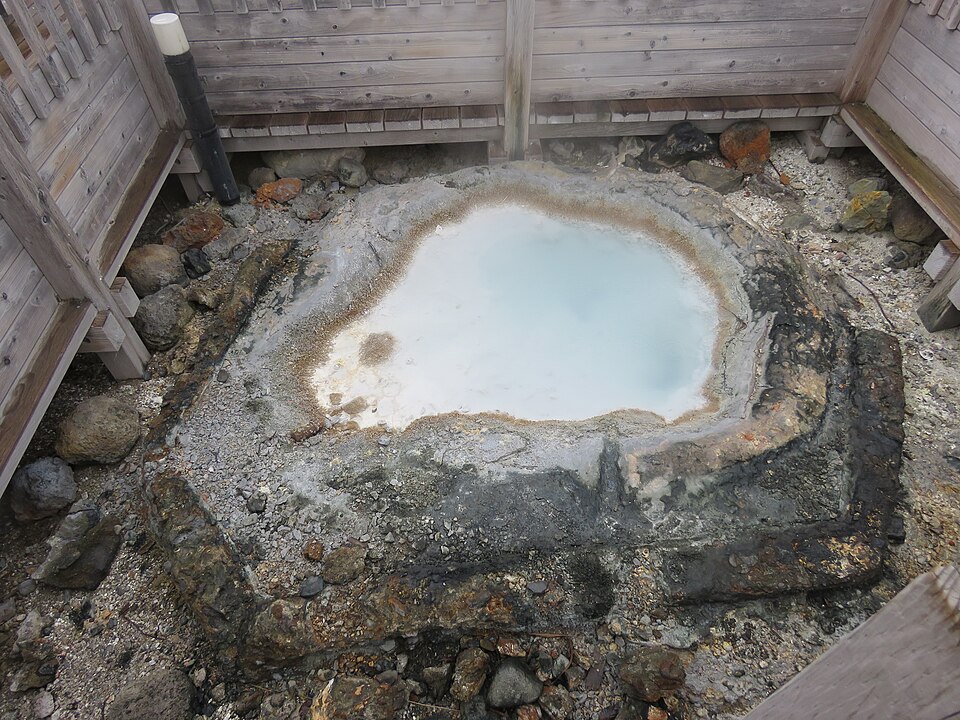
FREEThe valley occupies the center of Noboribetsu Onsen in Hokkaido. Jigokudani translates as Hell Valley. The crater covers 11 hectares and releases roughly 10,000 tonnes of hot spring water each day. Fumaroles vent steam across the floor of the valley, boiling pools bubble at the surface, and the surrounding cliffs carry heavy mineral staining. A walking path winds through the area in about 20 minutes and is open to all visitors at no cost. It ranks among the most striking landscapes accessible on foot anywhere in Japan.
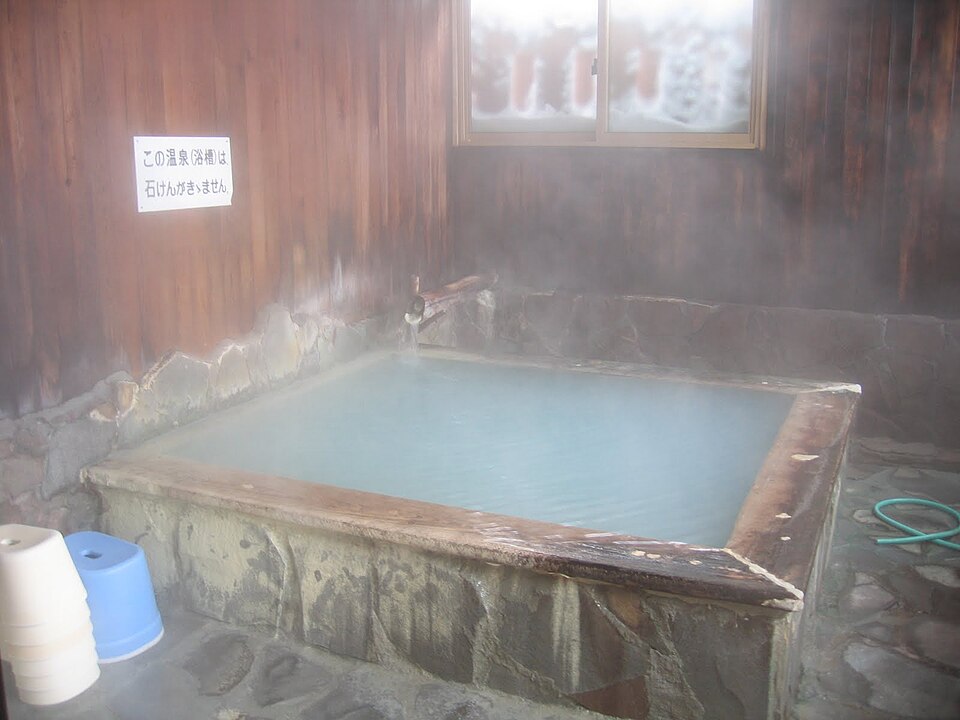
Set deep in the Hakkoda Mountains of Aomori Prefecture, Sukayu Onsen is a historic bathhouse best known for its cavernous mixed-bathing hall, the Sen-nin-buro, which translates as the Bath of a Thousand Bathers. The waters are strongly acidic, the setting is rustic and unhurried, and winter brings extraordinary snowfall to the surrounding mountains.
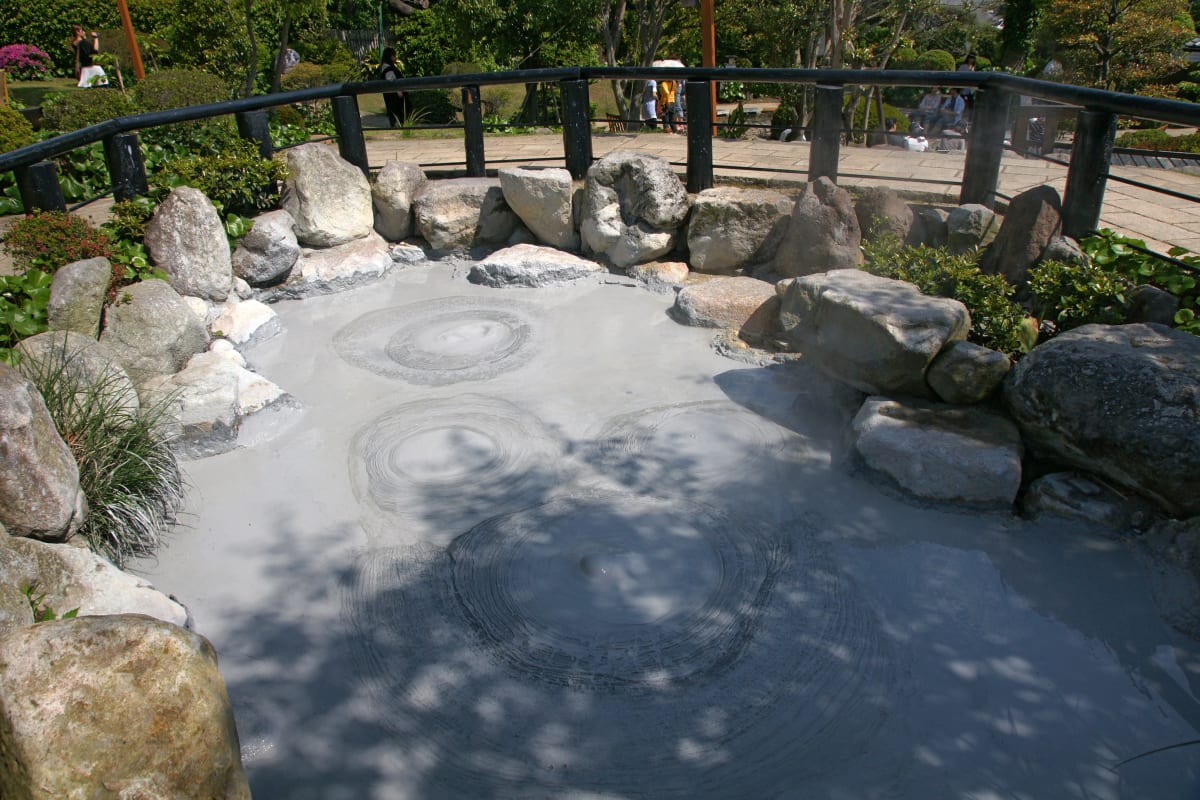
Beppu is the most geothermally active city in Japan, with more than 2,900 hot spring vents located within the city limits and eight distinct thermal spring zones collectively known as the Beppu Hatto. The variety on offer is wide, ranging from grand hotel bathhouses to modest neighborhood public facilities to the celebrated Hells, a collection of brilliantly colored boiling pools scattered across the city. The Hells run far too hot for bathing, but they draw visitors who come to walk among them and take in the spectacle.
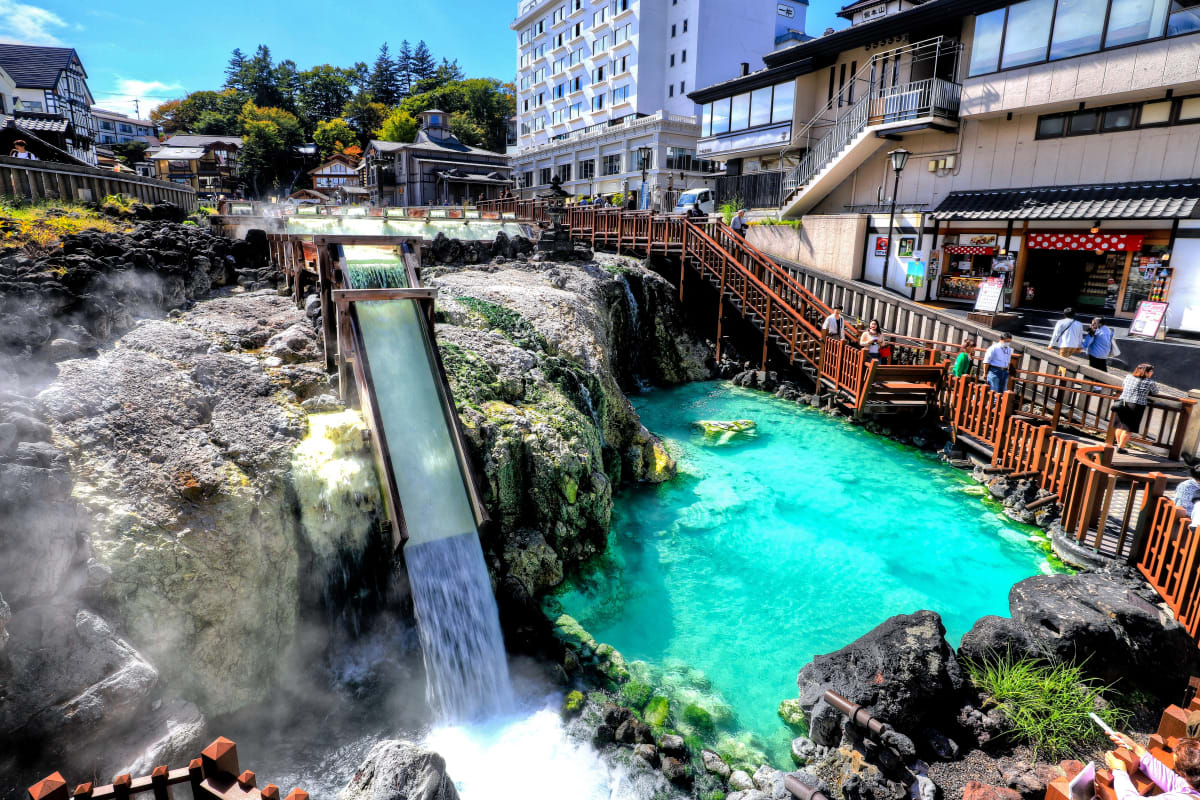 FREE
FREEKusatsu Onsen sits at 1,200 meters in the mountains of Gunma Prefecture and ranks among the most celebrated hot spring towns in Japan. The springs here produce more than 32,000 liters of water per minute, a volume unmatched anywhere else in the country. The water is strongly acidic and sulfurous, and its skin-healing properties have long made it legendary among visitors. Twice each day in the central town square, workers cool the scalding water by pulling long wooden paddles through it in unison while singing traditional songs. This practice is called yumomi.
Amenities
Getting there
Take the Hokuriku Shinkansen from Tokyo to Joetsu-Myoko Station (~2 hours), then transfer to the Echigo Tokimeki Railway Myoko Haneuma Line and alight at Sekiyama Station (~15 min). From Sekiyama, board the local bus to Tsubame Onsen (~30 min). Note that bus service operates on weekdays only, the road closes in winter, and the two free outdoor wild baths are accessible from late April through November.
Location & nearby
Tsubame Onsen, Sekiyama, Myoko, Niigata 949-2235
Make a day of it
Pair your soak with these nearby spots.
Attraction
Tsubame Onsen Kawara no Yu
0.5km away
Attraction
SōTaki
0.9km away
Attraction
Iyashinoyuyado Asahiya
1.4km away
Attraction
Uguisunohatsune
1.5km away
More springs in Chubu
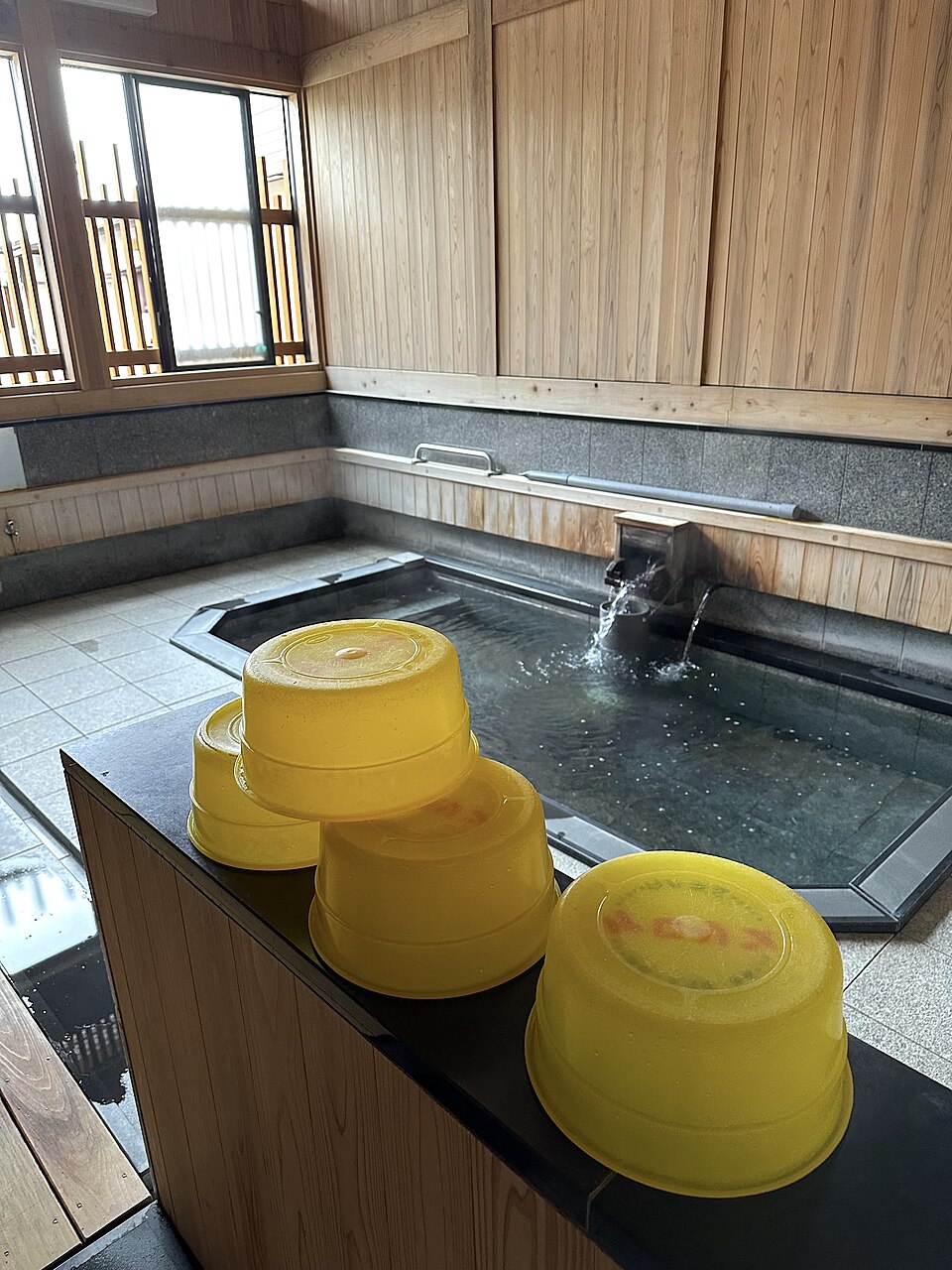 FREE
FREENozawa Onsen is a traditional village in Nagano Prefecture that maintains 13 free public bathhouses open to visitors and residents alike. These bathhouses, known as soto-yu, have been overseen by neighborhood cooperatives called yunakama for close to four centuries. The village also contains world-class ski slopes, a pairing that is genuinely uncommon anywhere in the world.
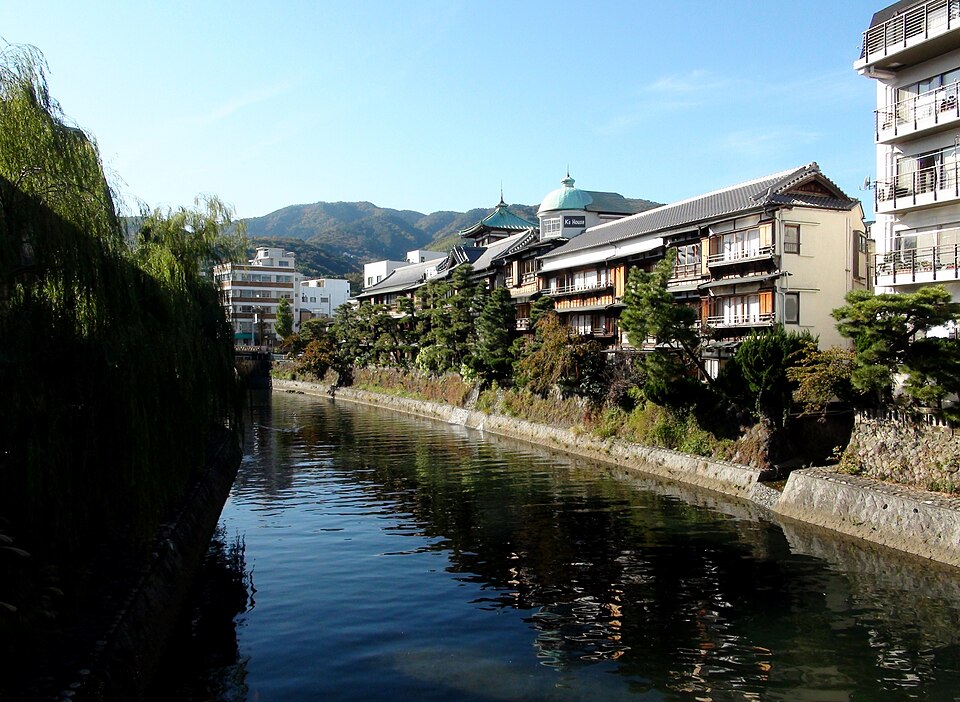
Ito sits along the eastern shore of the Izu Peninsula, facing the ocean and ranking among Japan's most productive hot spring districts by volume. More than 1,500 individual springs feed the town's supply, together pushing out around 30,000 kiloliters of water each day. Palm-lined avenues, tropical parks, and botanical gardens set the tone here, giving Ito a resort atmosphere that reads as distinctly its own compared to inland onsen destinations.
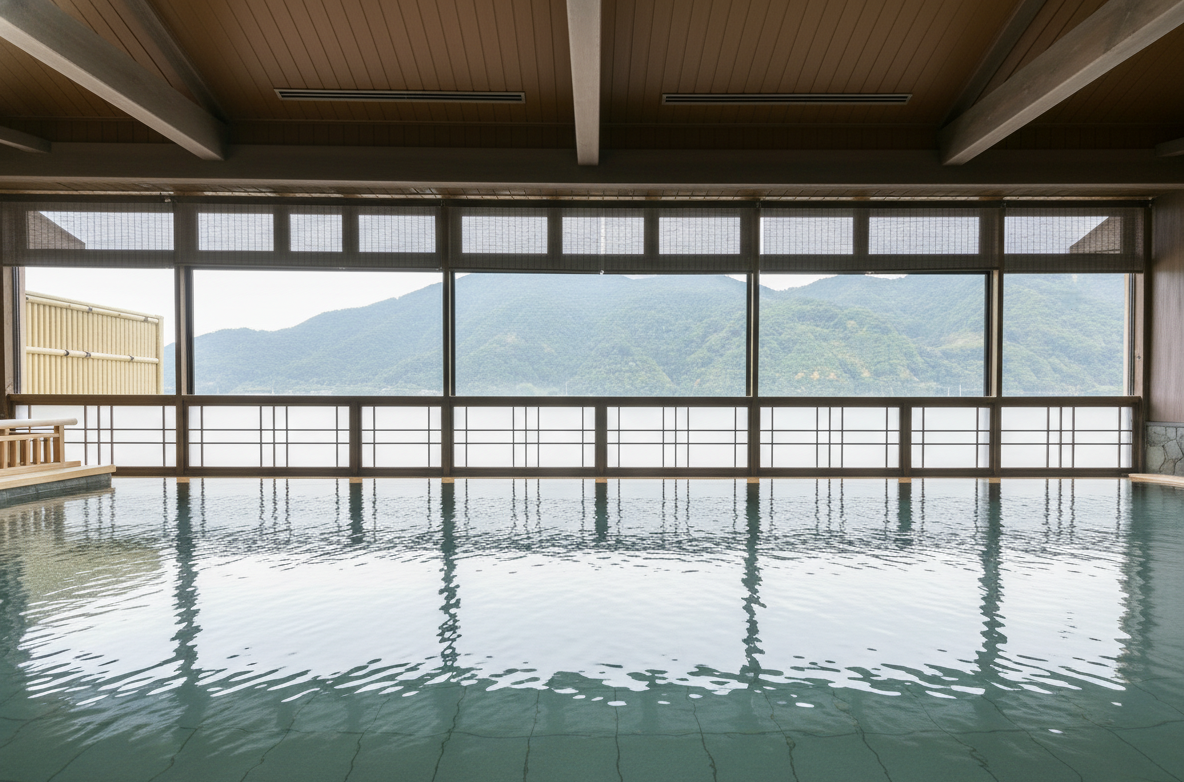
A mountain town in Niigata Prefecture famous for heavy snowfall and a unique sake-infused bath. After a day on the ski slopes, visitors soak in outdoor baths while snow falls silently around them. The town is also the setting of one of Japan's greatest novels.
Common questions
What is the water temperature at Tsubame Onsen?▾
The water temperature at Tsubame Onsen ranges up to 43°C (minimum around 43°C).
Is Tsubame Onsen free to visit?▾
Yes, Tsubame Onsen is free to visit.
Is Tsubame Onsen a public or private bath?▾
Tsubame Onsen is a mixed bathing spring.
Are tattoos allowed at Tsubame Onsen?▾
Yes, Tsubame Onsen welcomes visitors with tattoos.