
Strongly Acidic Hot Springs in Japan
Japan has 17 strongly acidic hot springs (pH below 4). This intense, mineral-strong water is prized by enthusiasts for its potency, though it can be sharp on sensitive skin.
Noboribetsu Onsen is the best-known hot spring resort in Hokkaido, centered on a volcanic crater called Jigokudani, a name that translates to Hell Valley. From the crater floor, nine chemically distinct spring types rise to the surface, each with its own mineral character. Sulfurous steam drifts across the landscape constantly, giving the valley a quality found nowhere else in Japan. The ground here is visibly alive.
 FREE
FREEThe valley occupies the center of Noboribetsu Onsen in Hokkaido. Jigokudani translates as Hell Valley. The crater covers 11 hectares and releases roughly 10,000 tonnes of hot spring water each day. Fumaroles vent steam across the floor of the valley, boiling pools bubble at the surface, and the surrounding cliffs carry heavy mineral staining. A walking path winds through the area in about 20 minutes and is open to all visitors at no cost. It ranks among the most striking landscapes accessible on foot anywhere in Japan.
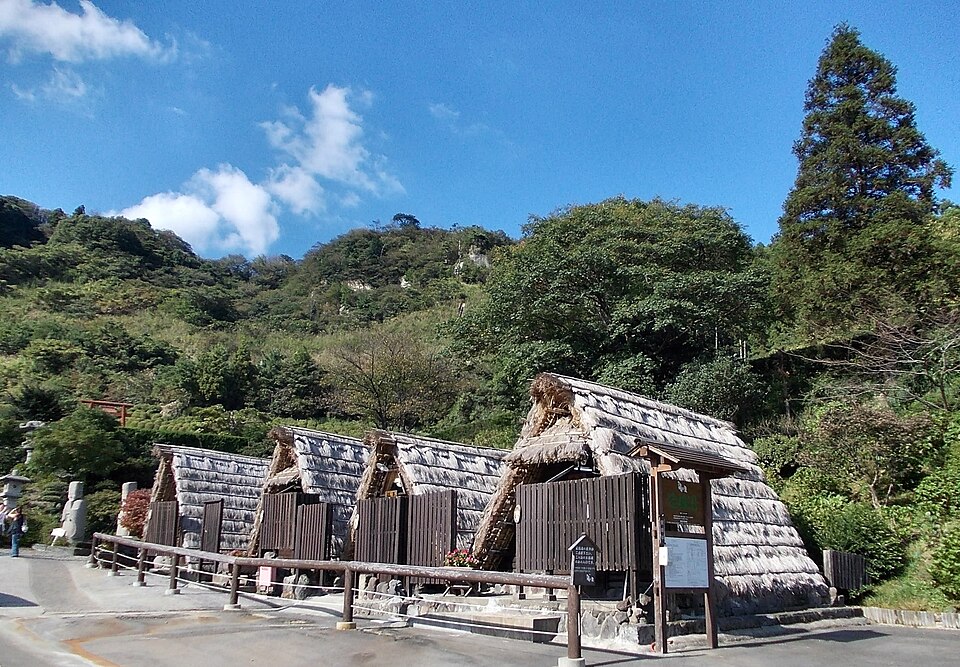
Set on a wooded slope in Beppu's Myoban district, this resort draws visitors for its yunohana, a term meaning hot spring flowers, which are white crystalline deposits that collect on surfaces where steam from the springs cools and condenses. The spring water itself is strongly sulfurous and acidic, rising at high temperatures from one of the eight volcanic source zones that make up Beppu Hatto.
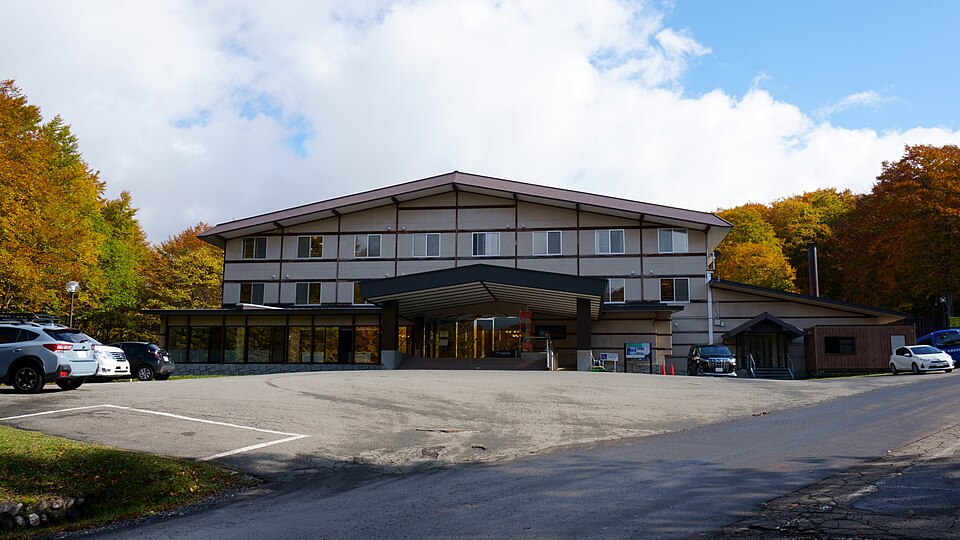
Deep in Towada-Hachimantai National Park, seven small hot spring inns sit among beech forest with few roads connecting them to the outside world. Each inn draws from its own source and has a distinct atmosphere. A pass called the yumeguri-cho covers entry to all seven, letting visitors move between them over the course of a stay. Few onsen groupings anywhere in Japan feel as genuinely remote as this one.
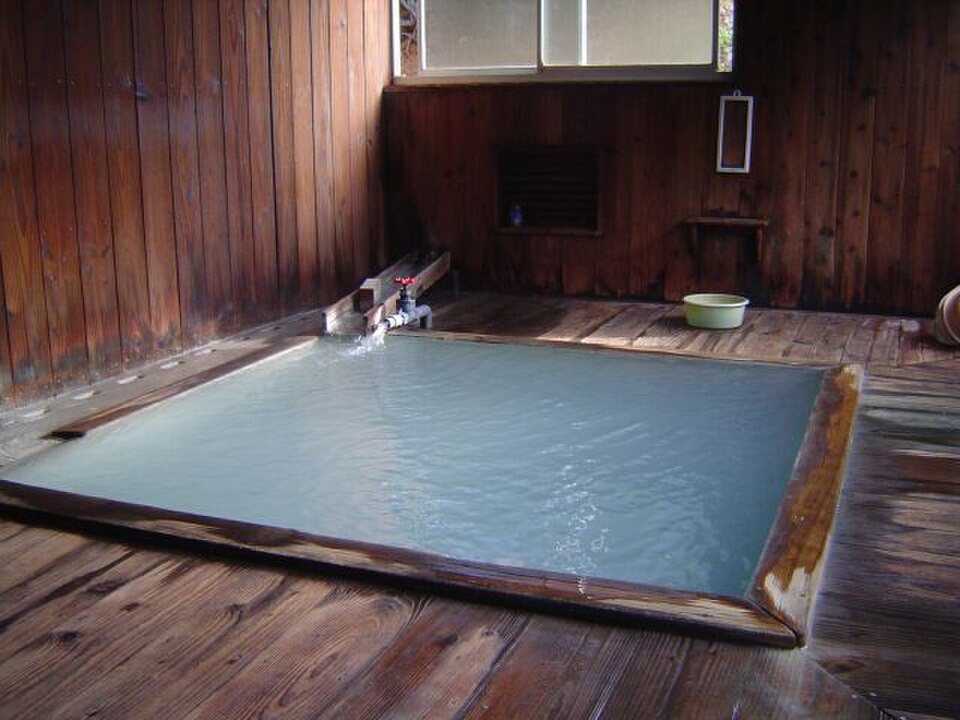
Ofuka Onsen sits at roughly 1,100 meters in the Hachimantai highland of Akita Prefecture, a compact and out-of-the-way spring that opens each year from early May through mid-October. The water is a straightforward sulfur type and flows in generous volume. What draws most visitors is the ondol, platforms warmed from below by geothermal steam rising through the ground. This form of heat therapy has deep roots in northeast Asia but is uncommon in Japan.
 FREE
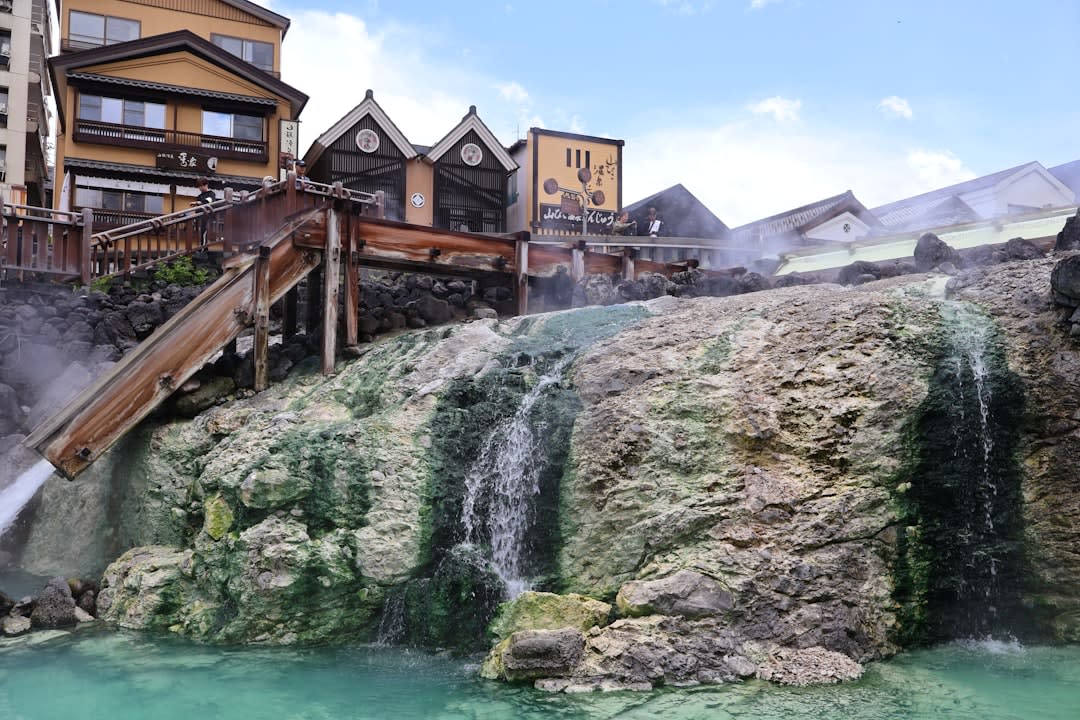
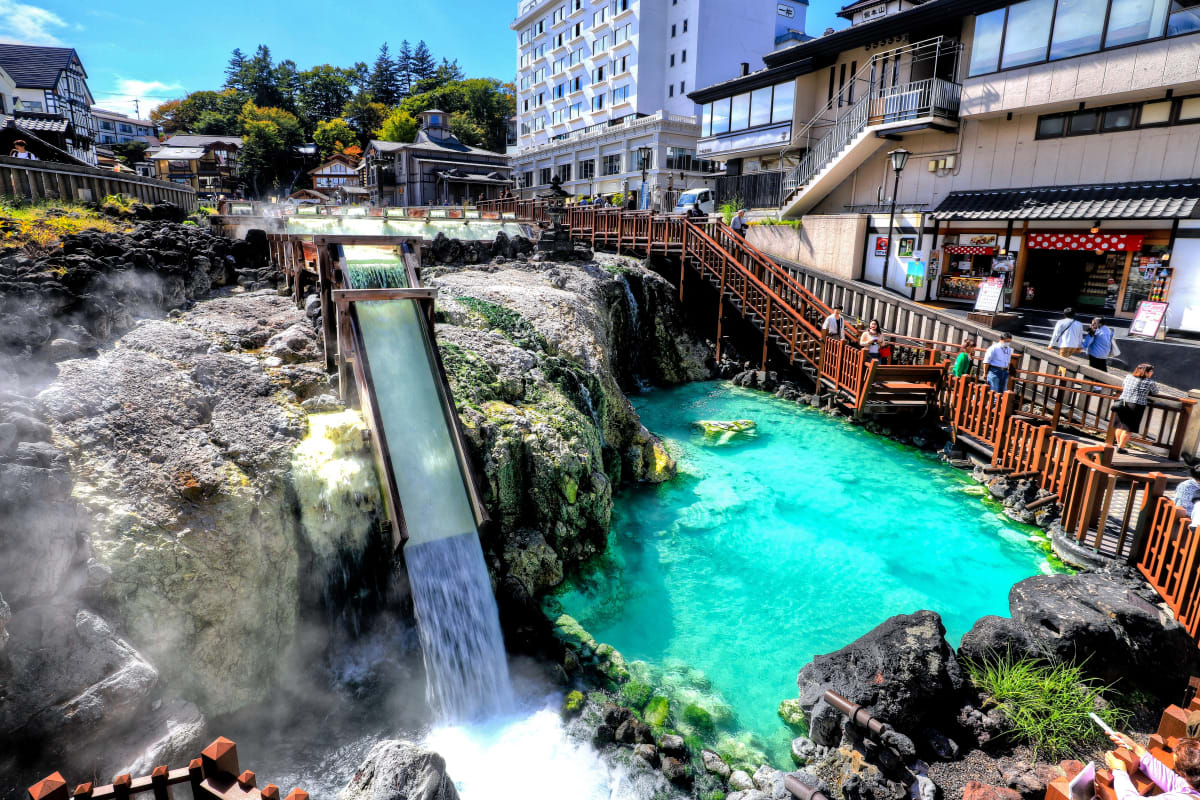
FREEKusatsu Onsen sits at 1,200 meters in the mountains of Gunma Prefecture and ranks among the most celebrated hot spring towns in Japan. The springs here produce more than 32,000 liters of water per minute, a volume unmatched anywhere else in the country. The water is strongly acidic and sulfurous, and its skin-healing properties have long made it legendary among visitors. Twice each day in the central town square, workers cool the scalding water by pulling long wooden paddles through it in unison while singing traditional songs. This practice is called yumomi.
A highland onsen in Unzen-Amakusa National Park at around 700 meters elevation. The dramatic sulfurous steam vents known as the Jigoku, or Hell Grounds, are the defining feature: they bubble, hiss, and release clouds of white vapor across the landscape. The water here is strongly acidic and celebrated for its skin-healing properties.
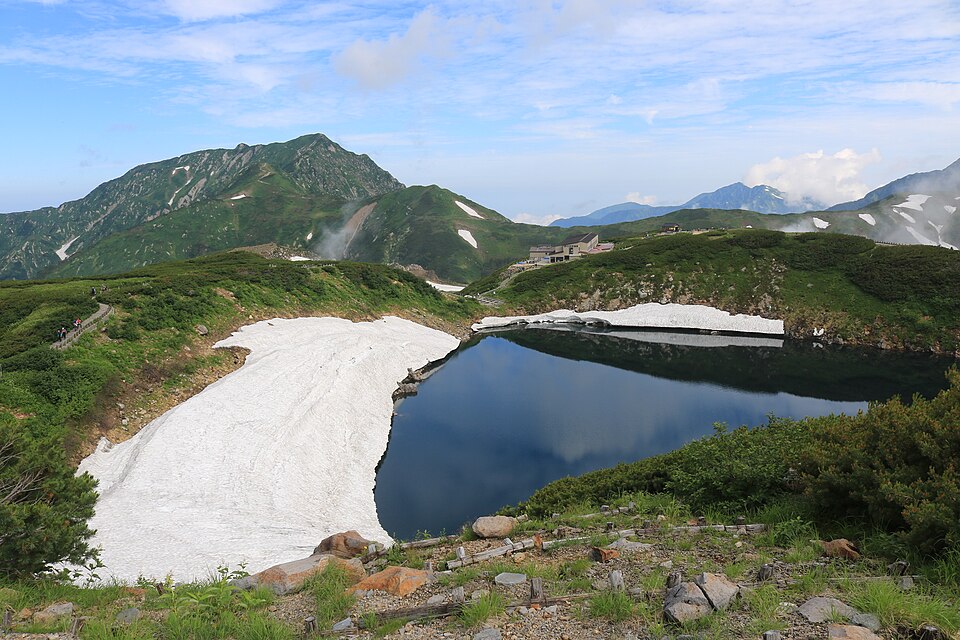
Japan's highest natural hot spring inn sits at 2,410 meters above sea level on the Murodo Plateau, along the Tateyama Kurobe Alpine Route in Toyama Prefecture. The water is a milky white acidic sulfur spring, fully free-flowing and undiluted, fed by the volcanic Jigokudani crater below. The inn is open only from mid-April to late November, and reaching it is an adventure in its own right.

Set deep in the Hakkoda Mountains of Aomori Prefecture, Sukayu Onsen is a historic bathhouse best known for its cavernous mixed-bathing hall, the Sen-nin-buro, which translates as the Bath of a Thousand Bathers. The waters are strongly acidic, the setting is rustic and unhurried, and winter brings extraordinary snowfall to the surrounding mountains.
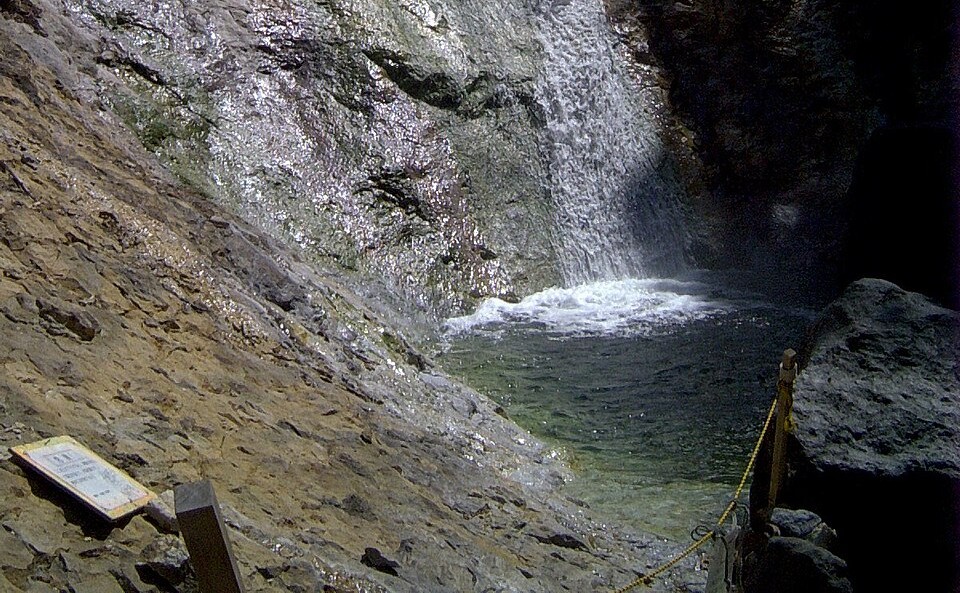
The Kamuiwakka River flows through the UNESCO World Heritage wilderness of the Shiretoko Peninsula in northeastern Hokkaido, heated along its entire length by the active volcano Mount Io on the slopes above. Visitors climb the riverbed itself, wading through a succession of natural waterfall pools that grow progressively hotter with each step upward.
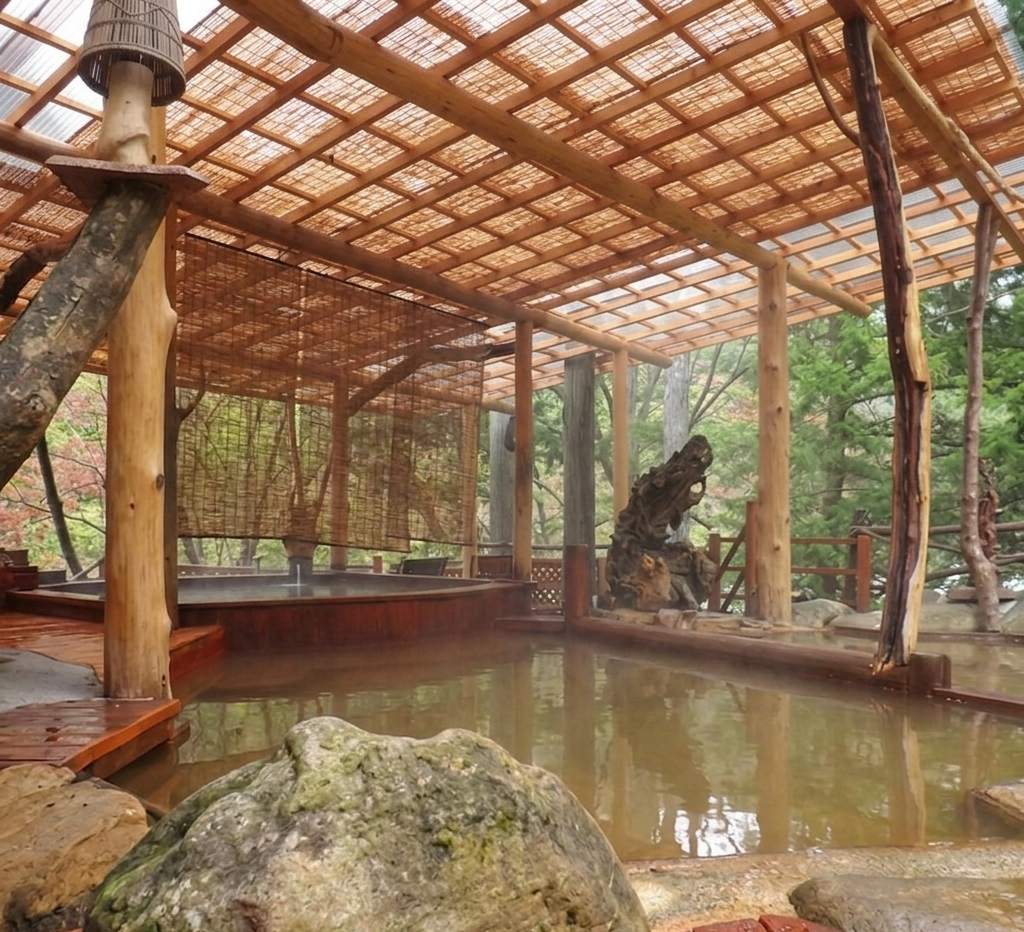
Akaishi Onsen occupies a remote ryokan tucked into the Fujikawa valley of Yamanashi Prefecture, inside Minami Alps National Park. The water is an iron spring, and its minerals stain the stone soaking basins a warm ochre color. Peaks in the surrounding range climb past 3,000 meters. Just inside the forest stands a Himuro Shrine, tended beside a sugi cedar believed to be 1,200 years old.
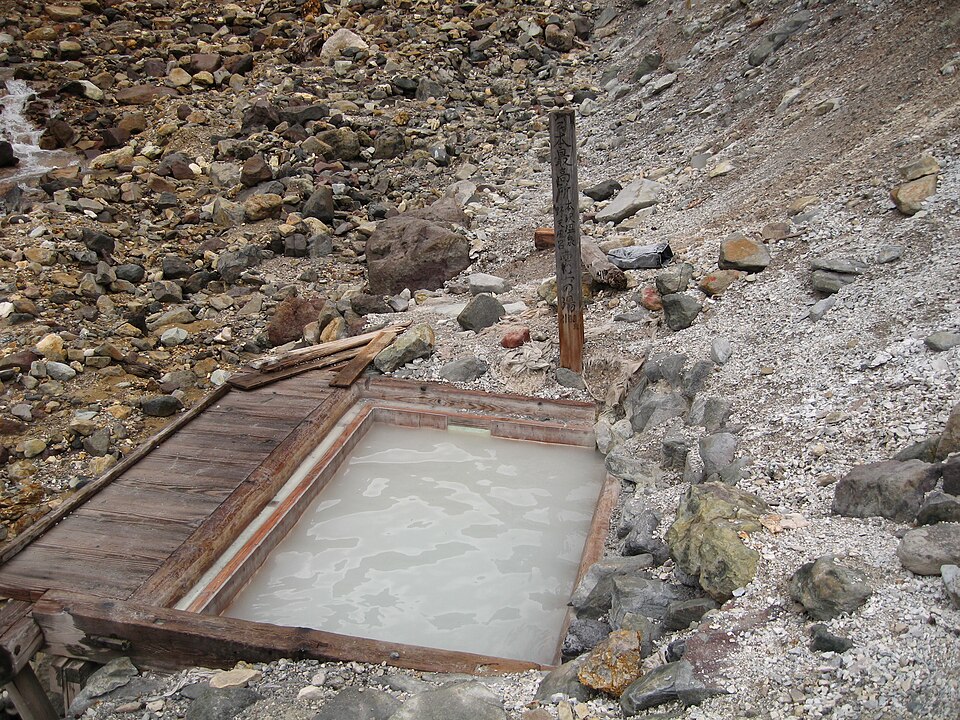
Honzawa Onsen sits within the Hakone volcanic zone of Kanagawa Prefecture, drawing from a geothermal system that has driven the formation of the Hakone caldera for more than 300,000 years. The waters carry a notable sulfurous character and are dense with dissolved minerals. The spring occupies a forested mountain valley setting.
 FREE
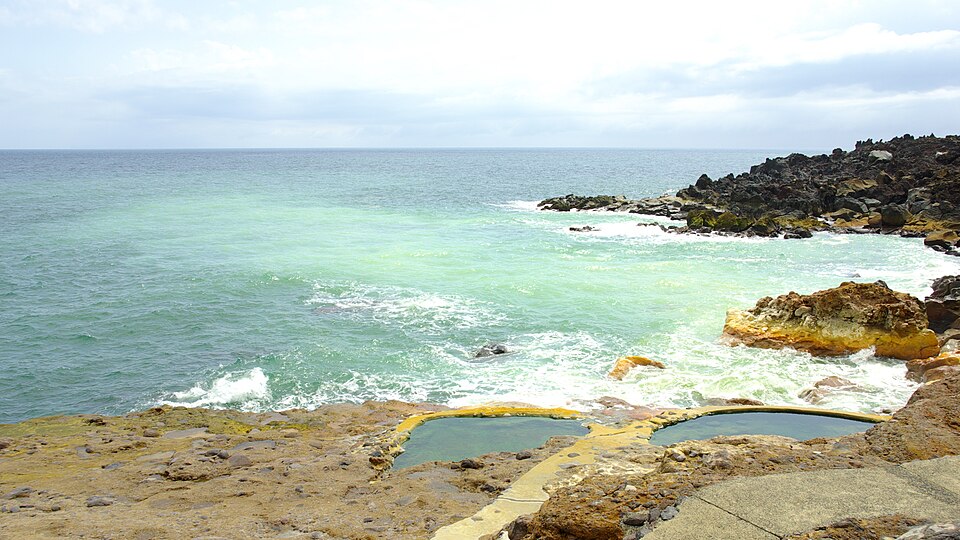
FREEHigashi Onsen is a raw, undeveloped hot spring on Iojima, a volcanic island belonging to Mishima Village in Kagoshima Prefecture. The only way to reach it is by ferry from Kagoshima Port. Three outdoor baths have been carved into natural rock, and they remain open around the clock at no charge. The water is sharply acidic and turns a vivid green due to mineral activity in the ground. Steam rises from the volcanic heat below. There are no amenities on site beyond the baths themselves.
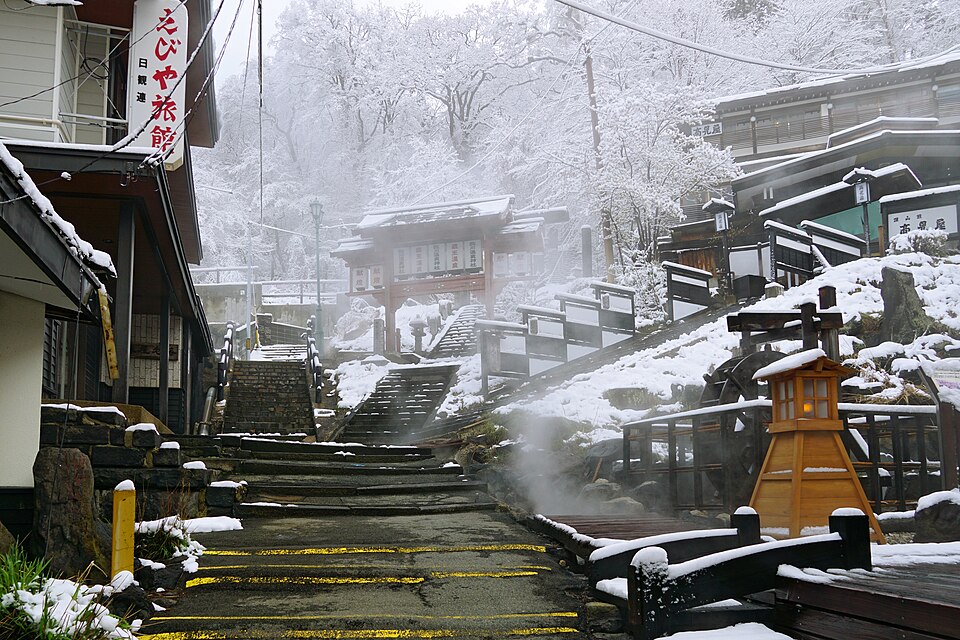
A highland onsen resort at around 880 meters in the Zao mountain range of Yamagata Prefecture. The strongly acidic sulfur springs are among the most potent in Tohoku. In winter, the mountain above becomes famous for juhyo: fir trees coated in thick mantles of rime ice that form bizarre shapes the Japanese call snow monsters.
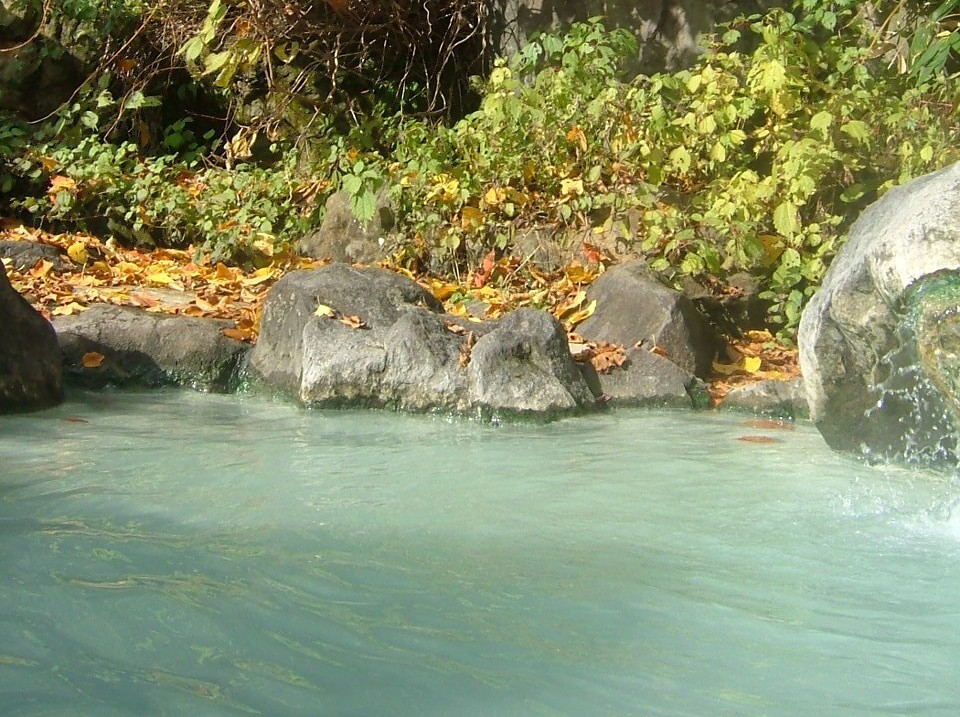 FREE
FREETsubame Onsen is a hot spring resort located in Tsubame, Japan. The waters carry a high mineral content and have been sought out for their therapeutic properties by visitors across many generations. The setting is mountain forest, quiet and green, giving the onsen a natural character that complements the bathing experience. The site draws guests looking for physical relief as well as those interested in a form of cultural immersion rooted in Japan's long tradition of communal bathing.
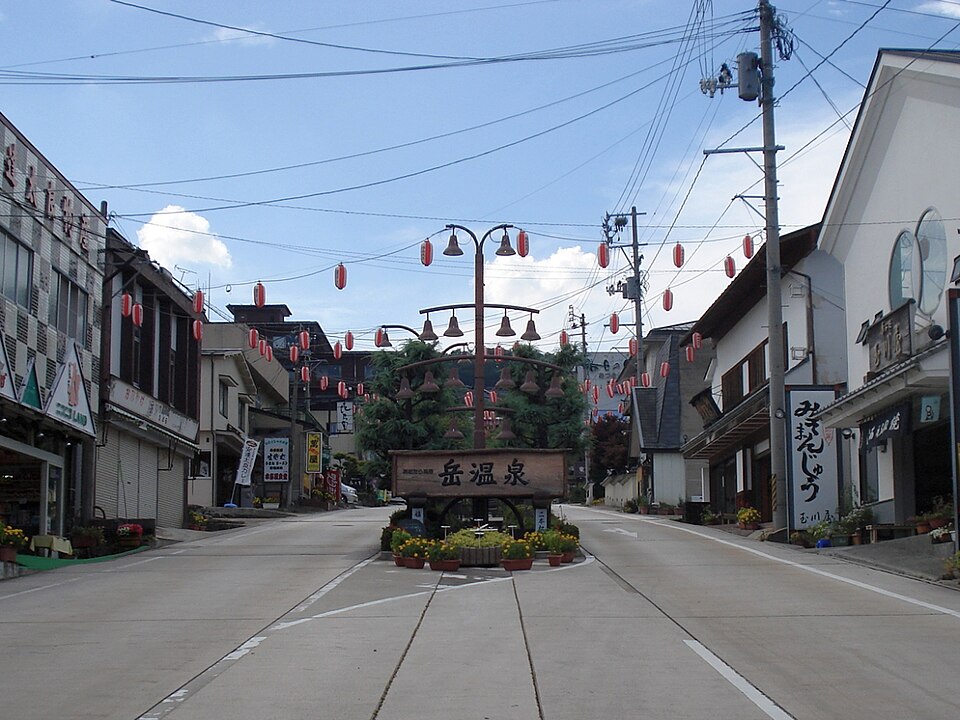
Dake Onsen is a hot spring village sitting on the highland slopes of Mount Adatara in Nihonmatsu, Fukushima Prefecture. Its waters are strongly acidic, registering a pH of 2.5. The settlement has endured more than its share of calamity. A massive landslide in 1824 buried the original village, and the Boshin War of 1868 leveled the rebuilt town during combat that included the celebrated last stand of the Nihonmatsu Shonentai, a unit of boy samurai ranging in age from 12 to 17.
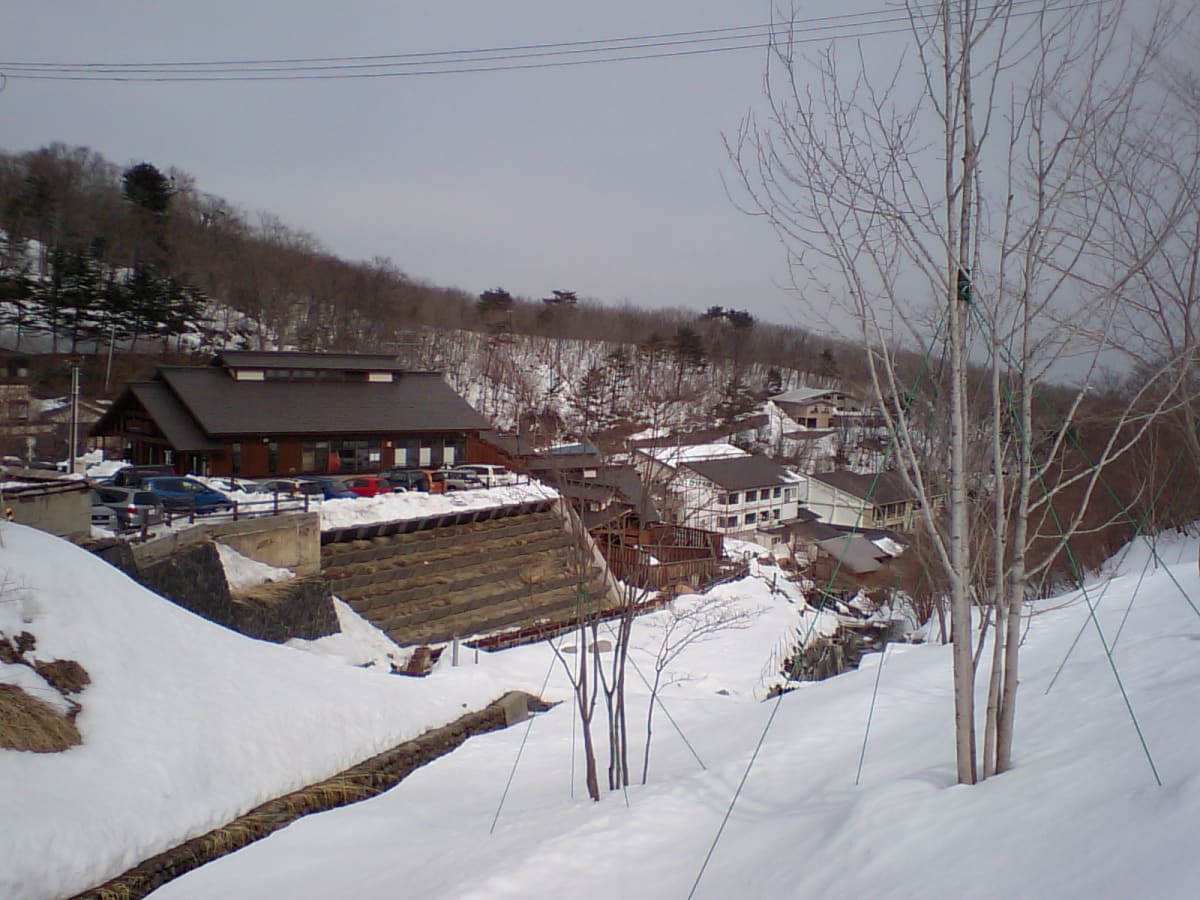
Takayu Onsen sits at high elevation on the flanks of Mount Azuma in Fukushima Prefecture, roughly 50 minutes from Fukushima city by bus. The springs rank among the most acidic in Tohoku, producing milky white water with a sharp sulfurous smell. The village is recognized as one of the Three Takayu hot springs of the Oshu region, a distinction that has drawn visitors for centuries. Around twelve ryokan are gathered near ten spring sources in surroundings that have seen little change since the Edo period.