
SpringsAtlas
Search Hot Springs
All hot springs
122 springs found

Tsuru-no-yu is the oldest of the seven inns at Nyuto, set deep in a beech forest in Akita Prefecture. The main draw is a large outdoor mixed-bathing pool fed by opaque, milky-white sulfurous water. Many regard it as the most beautiful onsen setting in Japan. People come here to put some distance between themselves and the rest of the world for a while.
 FREE
FREENozawa Onsen is a traditional village in Nagano Prefecture that maintains 13 free public bathhouses open to visitors and residents alike. These bathhouses, known as soto-yu, have been overseen by neighborhood cooperatives called yunakama for close to four centuries. The village also contains world-class ski slopes, a pairing that is genuinely uncommon anywhere in the world.
 FREE
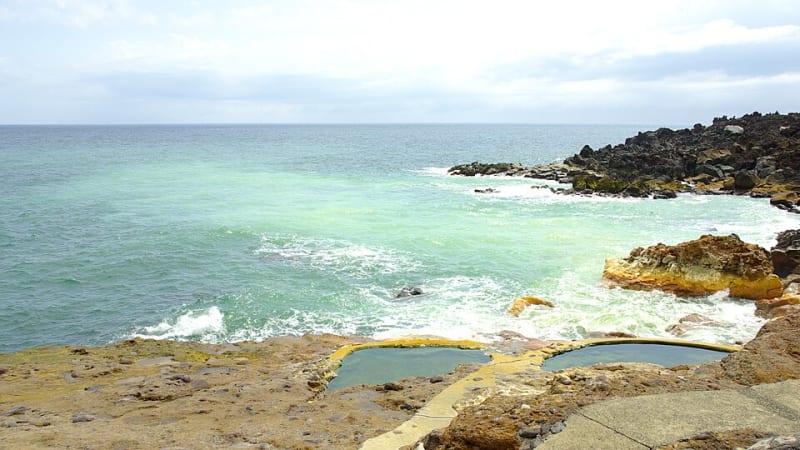
FREEHigashi Onsen is a raw, undeveloped hot spring on Iojima, a volcanic island belonging to Mishima Village in Kagoshima Prefecture. The only way to reach it is by ferry from Kagoshima Port. Three outdoor baths have been carved into natural rock, and they remain open around the clock at no charge. The water is sharply acidic and turns a vivid green due to mineral activity in the ground. Steam rises from the volcanic heat below. There are no amenities on site beyond the baths themselves.
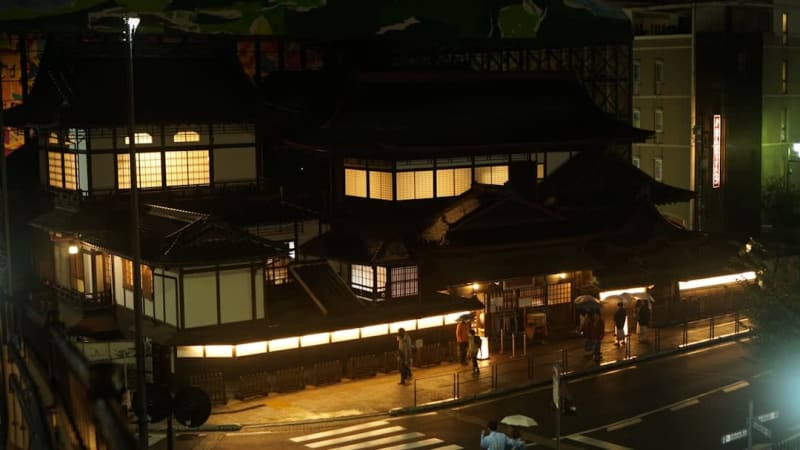
Dogo Onsen ranks among the oldest hot springs in Japan, with written records documenting its use for more than 1,300 years and oral traditions pointing back considerably further. The landmark Dogo Onsen Honkan is a three-storey wooden bathhouse finished in 1894, widely credited as the inspiration for the bathhouse depicted in Studio Ghibli's Spirited Away. The spring water is mildly alkaline and has long been valued for its ability to soften and smooth the skin.
 FREE
FREEKusatsu Onsen sits at 1,200 meters in the mountains of Gunma Prefecture and ranks among the most celebrated hot spring towns in Japan. The springs here produce more than 32,000 liters of water per minute, a volume unmatched anywhere else in the country. The water is strongly acidic and sulfurous, and its skin-healing properties have long made it legendary among visitors. Twice each day in the central town square, workers cool the scalding water by pulling long wooden paddles through it in unison while singing traditional songs. This practice is called yumomi.

One of Japan's most beloved onsen towns. Visitors put on a yukata and wooden sandals and stroll between seven public bathhouses along a willow-lined canal. The wooden bridges, stone walkways, and traditional inn facades have barely changed in a century. The town is built for wandering.
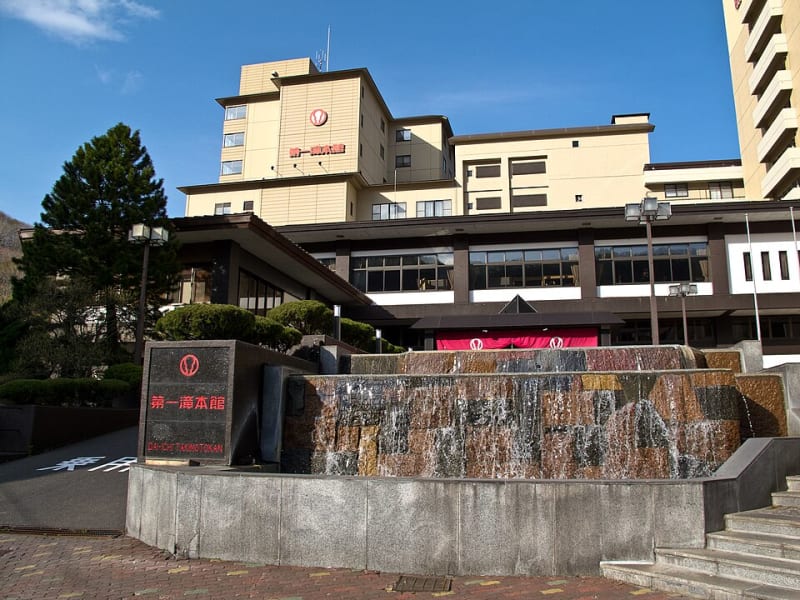
One of Hokkaido's most celebrated bathhouses. Dai-ichi Takimotokan channels water from seven distinct mineral springs into 35 pools spread across multiple floors. Indoor halls open onto outdoor rotenburo overlooking the steam-filled valley below. Day visitors are welcome without an overnight stay.
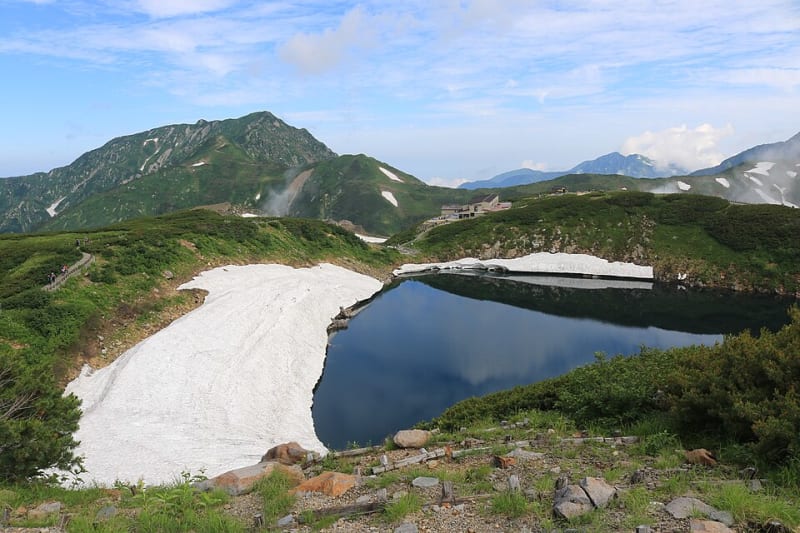
Japan's highest natural hot spring inn sits at 2,410 meters above sea level on the Murodo Plateau, along the Tateyama Kurobe Alpine Route in Toyama Prefecture. The water is a milky white acidic sulfur spring, fully free-flowing and undiluted, fed by the volcanic Jigokudani crater below. The inn is open only from mid-April to late November, and reaching it is an adventure in its own right.
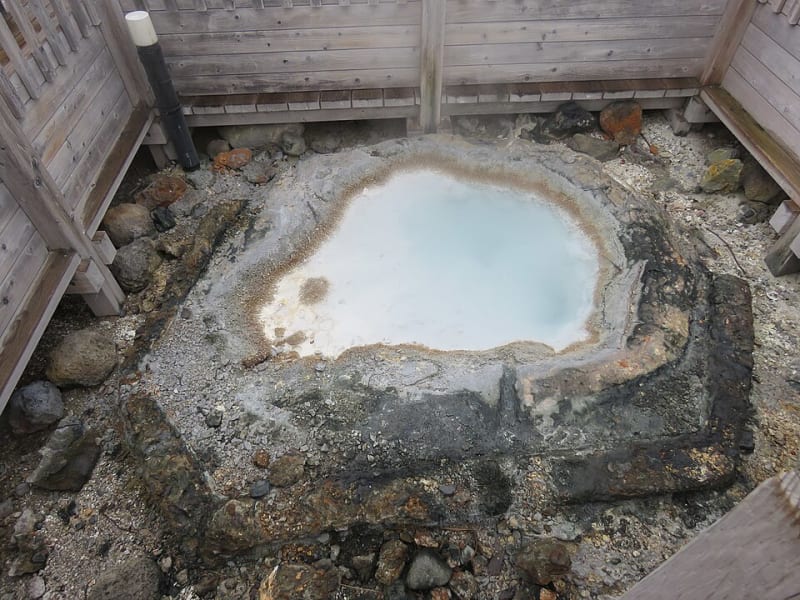 FREE
FREEThe valley occupies the center of Noboribetsu Onsen in Hokkaido. Jigokudani translates as Hell Valley. The crater covers 11 hectares and releases roughly 10,000 tonnes of hot spring water each day. Fumaroles vent steam across the floor of the valley, boiling pools bubble at the surface, and the surrounding cliffs carry heavy mineral staining. A walking path winds through the area in about 20 minutes and is open to all visitors at no cost. It ranks among the most striking landscapes accessible on foot anywhere in Japan.

Beppu is the most geothermally active city in Japan, with more than 2,900 hot spring vents located within the city limits and eight distinct thermal spring zones collectively known as the Beppu Hatto. The variety on offer is wide, ranging from grand hotel bathhouses to modest neighborhood public facilities to the celebrated Hells, a collection of brilliantly colored boiling pools scattered across the city. The Hells run far too hot for bathing, but they draw visitors who come to walk among them and take in the spectacle.

Arima Onsen sits in the hills above Kobe, close to Mount Rokko, and ranks among the oldest hot spring towns in Japan. The town draws visitors for two entirely different spring types that coexist within its compact footprint. Kinsen is the iron-rich golden water that stains surrounding rocks a rusty orange, while ginsen runs clear and carries both carbonation and mild radioactivity. Few other onsen destinations in Japan bring together two such distinct water types within a single small town.
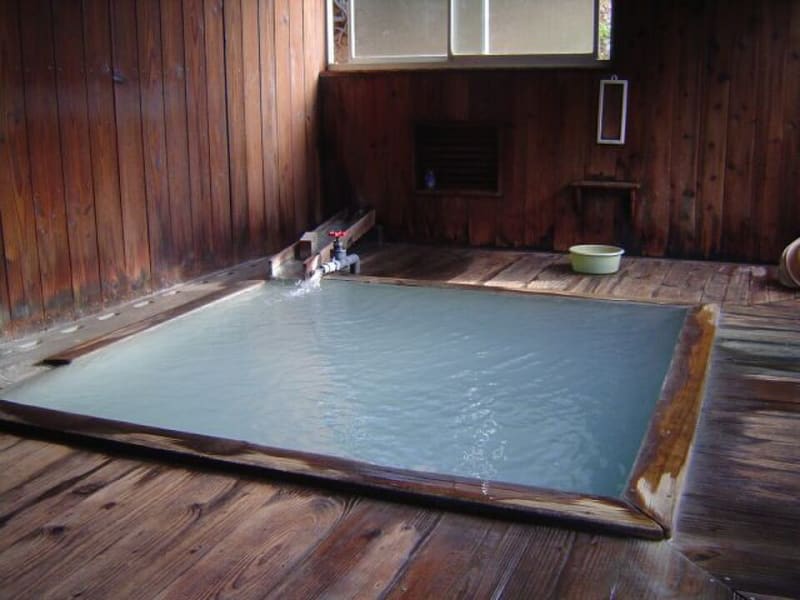
Ofuka Onsen sits at roughly 1,100 meters in the Hachimantai highland of Akita Prefecture, a compact and out-of-the-way spring that opens each year from early May through mid-October. The water is a straightforward sulfur type and flows in generous volume. What draws most visitors is the ondol, platforms warmed from below by geothermal steam rising through the ground. This form of heat therapy has deep roots in northeast Asia but is uncommon in Japan.
A mountain town in Niigata Prefecture famous for heavy snowfall and a unique sake-infused bath. After a day on the ski slopes, visitors soak in outdoor baths while snow falls silently around them. The town is also the setting of one of Japan's greatest novels.

Hyotan Onsen sits in Beppu's Kannawa steam district and ranks among the city's most beloved public bathhouses. The facility draws on seven separate spring waters and brings them together across a range of bathing options, including a hot-sand bath, a waterfall pool, private family rooms, and an open-air rotenburo, all within a single complex surrounded by rising geothermal steam. It is the only onsen in Japan to have received three Michelin Stars.

A working public bathhouse on Naoshima Island in Kagawa Prefecture that also operates as a major contemporary art installation. Artist Shinro Ohtake designed every surface as original artwork, covering the space with mosaic tile murals, painted glass ceilings, ceramic fixtures, and a collage-style exterior. An elephant sculpture named Sadako occupies the center of the main hall. The facility is open to local island residents and to international visitors who come to the island for its art.
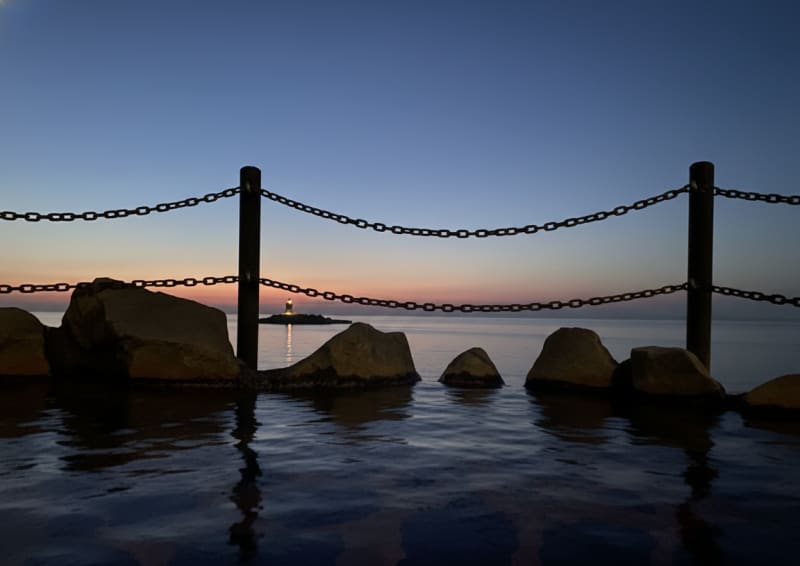
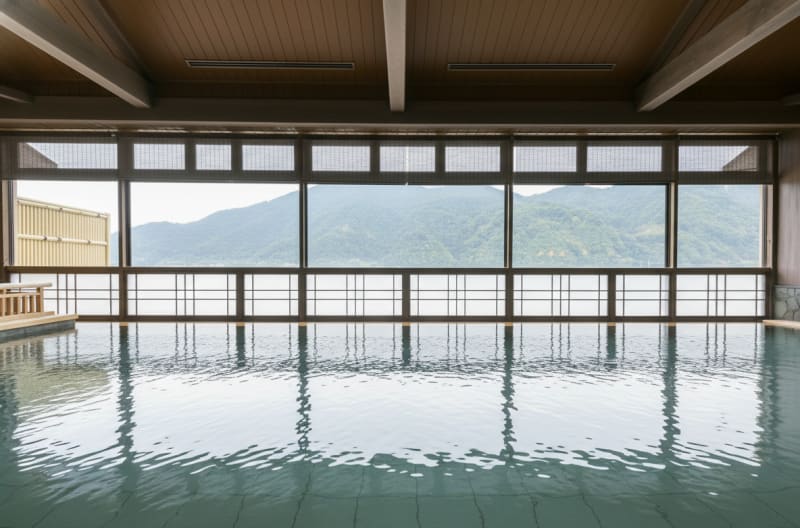
Tara Onsen is a premium all-suite ryokan in Tara Town, Saga Prefecture, set on a rise above the Ariake Sea with views reaching Unzen's Fugen Peak. Each of the 16 rooms has its own private open-air hot spring bath. A communal rotenburo on the top floor looks out over the Ariake Sea, where guests can watch the water's dramatic tidal movements while soaking. The kitchen centers its menu on Takezaki crab, a prized blue crab variety that local fishermen harvest daily.
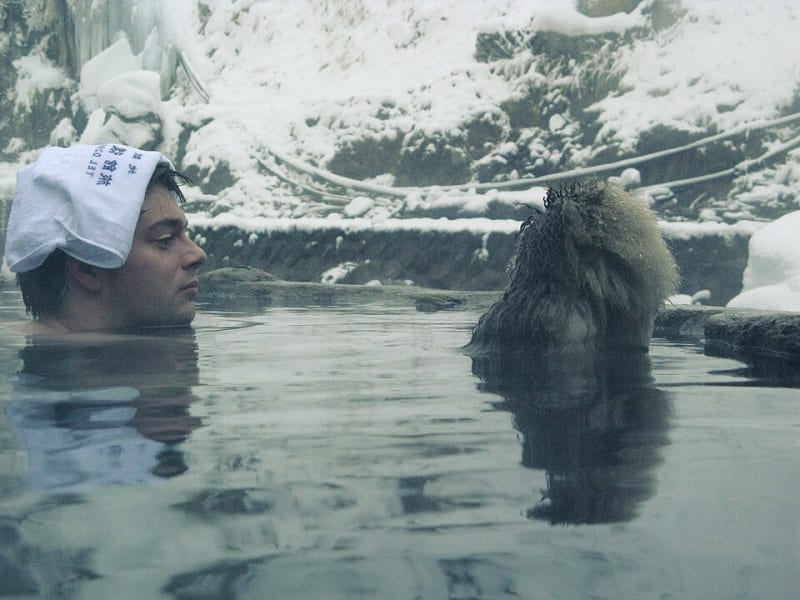
Jigokudani Onsen sits in the Shiga Kogen highlands of Nagano Prefecture, a remote mountain spring known above all for the troops of Japanese macaques that descend from the surrounding forest to bathe in the open-air pools. The Korakukan ryokan has operated at this location for more than 150 years. Visitors reach the spring on foot, following a narrow trail through beech forest for about 30 minutes.
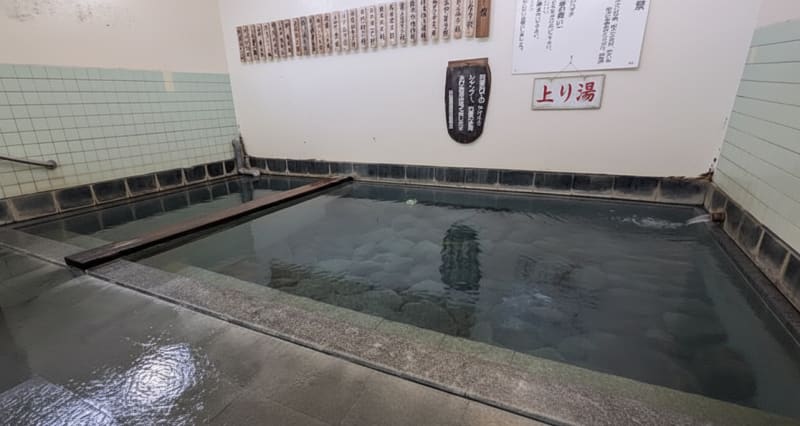
Nuruyu Onsen sits along the Aseishi River near Nakano Momijiyama Mountain and holds the distinction of being the oldest spring in the Kuroishi cluster of Aomori Prefecture. The water carries a faint green tint and emerges at roughly 41.7 degrees Celsius, a temperature well suited to long, unhurried soaks. At the entrance to the village stands a kokeshi doll, a marker of the Tsugaru region's folk-craft heritage. A kokeshi museum and craft center operate within easy reach.

The Kamuiwakka River flows through the UNESCO World Heritage wilderness of the Shiretoko Peninsula in northeastern Hokkaido, heated along its entire length by the active volcano Mount Io on the slopes above. Visitors climb the riverbed itself, wading through a succession of natural waterfall pools that grow progressively hotter with each step upward.
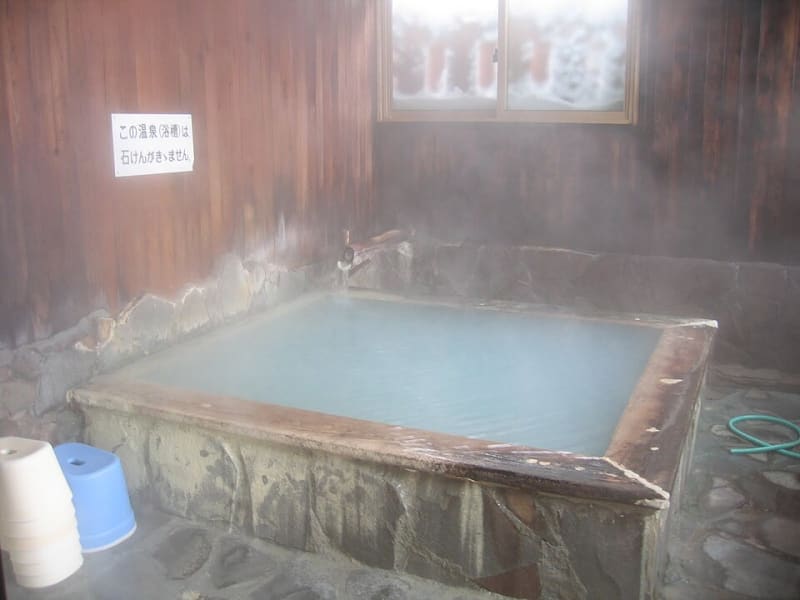
Set deep in the Hakkoda Mountains of Aomori Prefecture, Sukayu Onsen is a historic bathhouse best known for its cavernous mixed-bathing hall, the Sen-nin-buro, which translates as the Bath of a Thousand Bathers. The waters are strongly acidic, the setting is rustic and unhurried, and winter brings extraordinary snowfall to the surrounding mountains.