
SpringsAtlas
Search Hot Springs
All hot springs
122 springs found
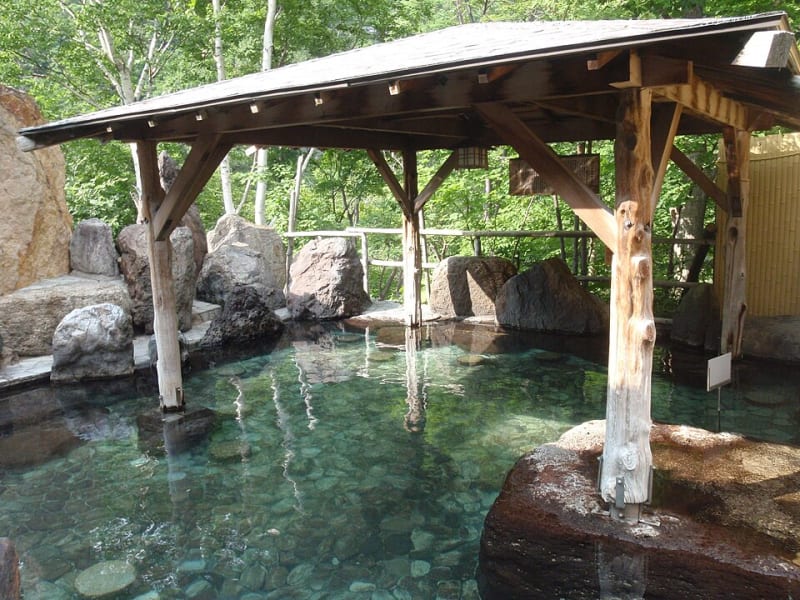
Sounkyo Onsen sits at the bottom of one of Hokkaido's most striking gorges, hemmed in by columnar basalt walls that climb up to 150 meters above the Ishikari River. Daisetsuzan National Park wraps around the town on every side. A walking path through the gorge ranks among the best hikes on the island. Each February, ice sculptures cover the valley floor for a seasonal festival. Come autumn, the cliff faces shift to deep golds and reds.

The onsen occupies a narrow mountain gorge in the southern portion of Daisetsuzan National Park, Hokkaido. Hagoromo Falls drops 270 meters into the canyon above the bath site, making it the tallest waterfall in Hokkaido. Walls of columnar basalt rise on both sides of the gorge and hold their drama through every season, though the effect is sharpest in autumn, when birch and maple fill the canyon with gold and red.
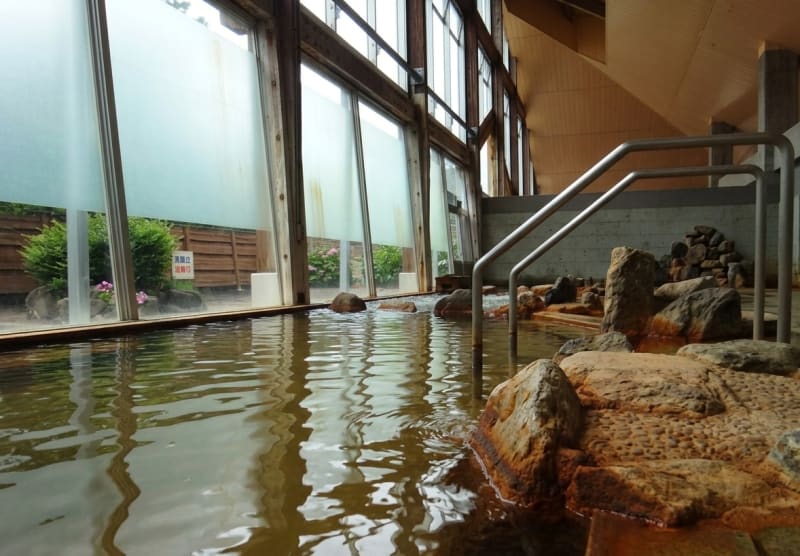
Seven ryokan line the banks of the Mabechi River in Ninohe, Iwate Prefecture, forming the compact resort area of Kindaichi Onsen. The alkaline waters carry a National Public Health Spa designation from the Ministry of the Environment. The settlement is unhurried and small, with a quiet character shaped by the traditional hospitality of the Tohoku region.

Hokkawa Onsen sits on the eastern coast of the Izu Peninsula in Shizuoka Prefecture, facing out across the Pacific Ocean. The water is sodium chloride and surfaces at temperatures reaching up to 85 degrees Celsius. The defining experience here is soaking in an outdoor bath while looking over open ocean. The town is quiet and small, and the ryokan are intimate in scale.
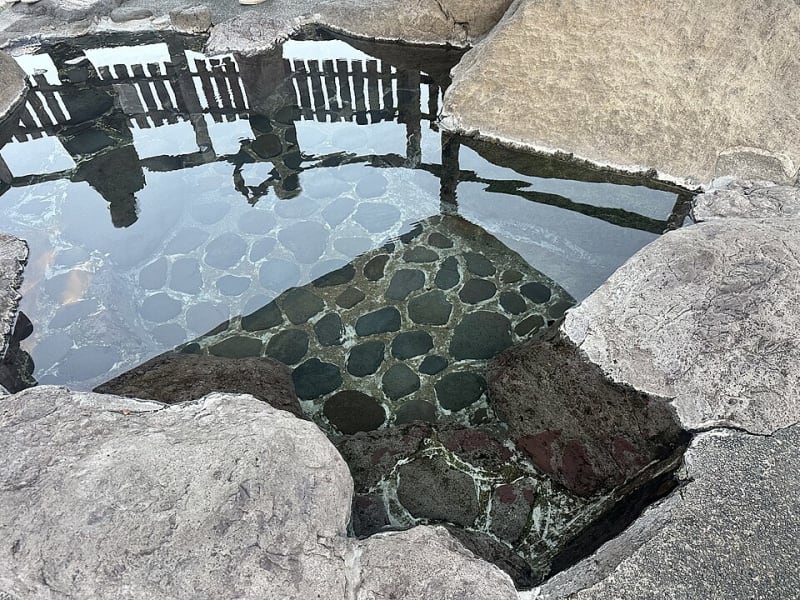
Shuzenji Onsen sits in the Izu Peninsula of Shizuoka Prefecture along the Katsura River, a small town built around its waters and known for an unhurried atmosphere. The most recognized feature is Tokko-no-yu, an outdoor bath placed directly in the river, which tradition holds was opened by the Buddhist monk Kobo Daishi in 807. The town itself offers comfortable ryokan, a relaxed tempo, and more than fourteen centuries of continuous history.
 FREE
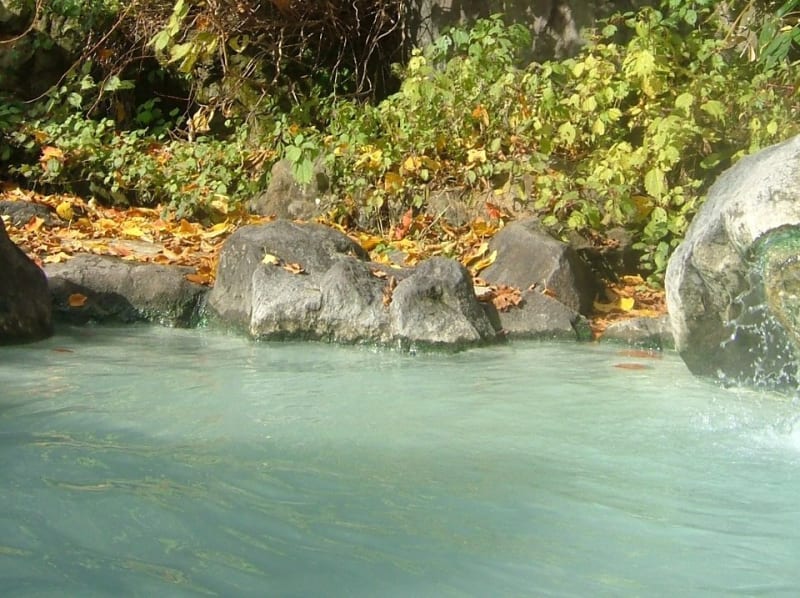
FREETsubame Onsen is a hot spring resort located in Tsubame, Japan. The waters carry a high mineral content and have been sought out for their therapeutic properties by visitors across many generations. The setting is mountain forest, quiet and green, giving the onsen a natural character that complements the bathing experience. The site draws guests looking for physical relief as well as those interested in a form of cultural immersion rooted in Japan's long tradition of communal bathing.

Unazuki Onsen sits at the gateway to Kurobe Gorge in Toyama Prefecture, a resort town known for its thickly wooded canyon and the narrow-gauge Kurobe Gorge Railway that runs through it. The thermal water serving Unazuki is piped in from Kuronagi Onsen through a 7-kilometer pipeline, an arrangement that stands out even among Japan's many onsen supply systems.
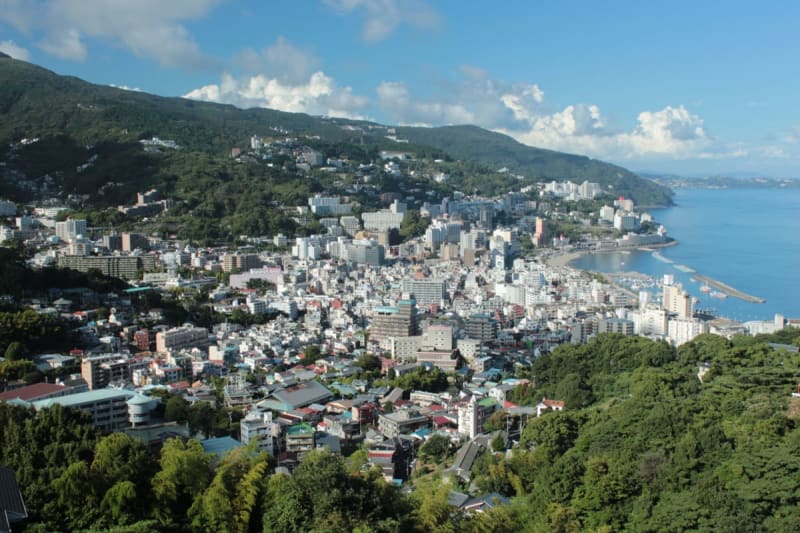
Atami Onsen sits on the Izu Peninsula with views across Sagami Bay, roughly 90 minutes by rail from Tokyo. The city contains around 500 geothermal springs that together discharge approximately 20,000 liters of water per minute. Its ocean scenery, mild climate, and plentiful spring water earned Atami a reputation as one of Japan's most celebrated resort towns in the postwar years.

Shimobe Onsen sits along the Shimobe River in Yamanashi Prefecture, tucked against the base of the Minobu mountains and backed by more than 1,200 years of documented history, making it among the oldest hot spring destinations in Japan. The site is closely linked to the warlord Takeda Shingen, who reportedly sent soldiers here to heal their wounds following the battles of Kawanakajima. The waters are strongly alkaline, registering pH 10.

Tsurumaki Onsen is a compact hot spring resort in Hadano, Kanagawa Prefecture, roughly 70 minutes by train from Shinjuku. Its waters rank among the most calcium-rich of any hot spring on earth, with concentrations measured at approximately 2,650 mg per kilogram. The Motoyu Jinya inn has operated on the grounds of the former Mitsui family estate since 1917 and remains open today. The resort's size and proximity to central Tokyo make it a practical choice for a half-day excursion.
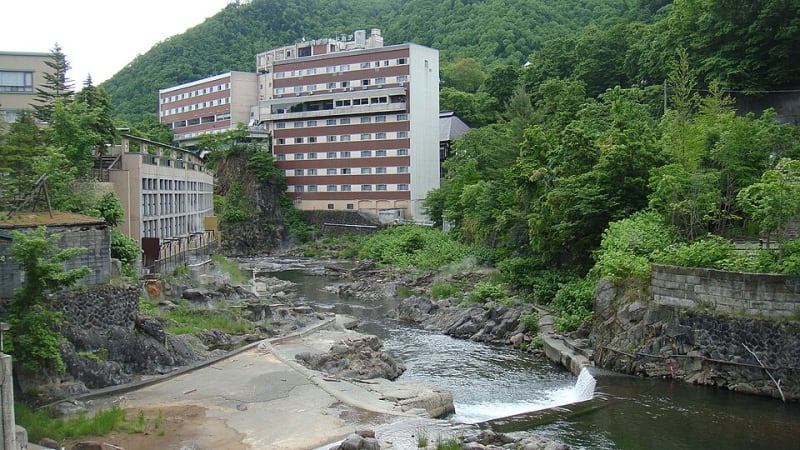
Jozankei Onsen sits in a wooded hot spring valley roughly 30 kilometers south of Sapporo, earning a reputation as the city's oasis. The valley runs through the steep gorge of the Toyohira River, and a concentration of large resort hotels alongside vivid autumn foliage draw the crowds that place this among Hokkaido's most frequented onsen destinations. The spring water is sodium chloride in composition, running clear with a warming effect on the body.

Toyako Onsen is a hot spring resort town on the shore of Lake Toya in Hokkaido, situated within an ancient volcanic caldera. Active volcano Mount Usu rises above the town and has erupted four times since the resort came into being, in 1944 to 1945, 1977 to 1978, 2000, and once more in recent years. The area affected by the 2000 eruption has been left undisturbed and serves as an open-air volcanic museum. The resort drew global attention in 2008 when it hosted the G8 Summit.
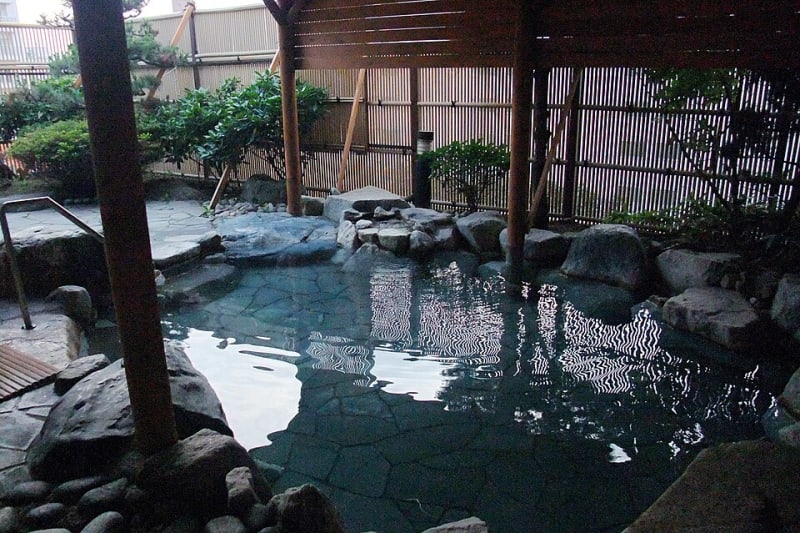
Yunokawa Onsen occupies the southeastern shore of Hakodate Bay in Hokkaido, close to both Hakodate city center and the international airport. Trams from central Hakodate reach the onsen terminus in roughly 30 minutes, making Yunokawa the most accessible of Hokkaido's major hot spring destinations. A free foot bath near the tram stop offers a first taste of the waters on arrival. The area's tropical botanical gardens, located close to the main hotel strip, are home to hamanatsu monkeys that bathe year-round in outdoor spring pools.
 FREE
FREEThe village of Kawayu Onsen lies within Akan-Mashu National Park in eastern Hokkaido, where the active volcano Atosanupuri heats the Io River from below. The river moves through the village as a constantly steaming, acidic stream. Each winter, from late October to late February, workers excavate sections of the riverbed to form the Sennin-buro, a large seasonal open-air communal bath capable of holding dozens of bathers at one time.
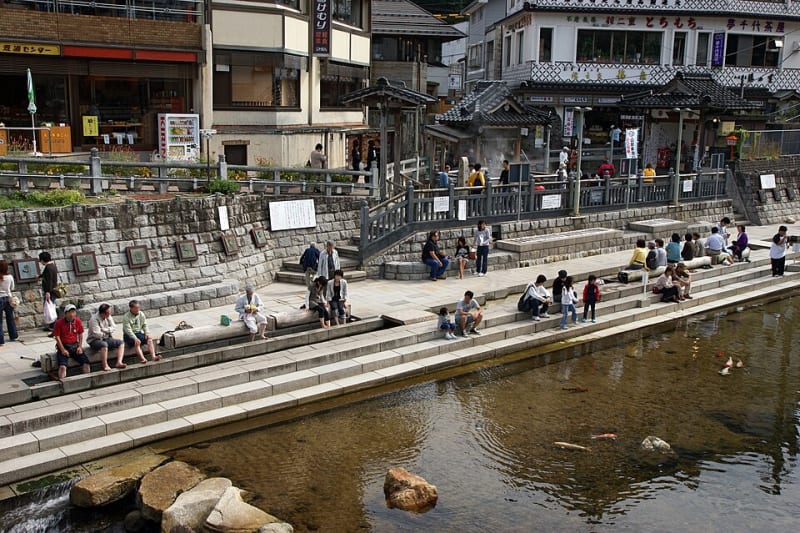
Yumura Onsen is a small hot spring village in Shin'onsen, Hyogo Prefecture, fed by 63 spring sources that produce water reaching 98 degrees Celsius. The extreme heat makes the water useful for cooking, and residents have long gathered at the Arayu spring near the river to boil eggs, vegetables, and other ingredients for meals, a practice known as yugaki culture that has carried on for centuries. Few places in Japan give visitors a chance to see hot spring water serving as a working kitchen.

Tucked into a narrow valley in the Kii Mountains, Yunomine Onsen sits along the Nakahechi Trail of the Kumano Kodo pilgrimage route and ranks among Japan's oldest thermal springs, with origins dating back more than 1,800 years. The water is known to shift color seven times throughout the day as temperature and mineral concentration fluctuate. Tsuboyu, a small stone-lined soaking pool enclosed within a wooden cabin, holds the distinction of being the only bathing facility in the world registered as a UNESCO World Heritage Site.

Asama Onsen sits on a hillside above Matsumoto city in Nagano Prefecture, offering outdoor baths with open views toward the Northern Alps. The water is a strongly alkaline sodium bicarbonate spring that leaves a notably silky feeling on the skin. Across the hillside, dozens of individually operated ryokan and public bathhouses serve visitors throughout the year.

Kakeyu Onsen is a hot spring village in Ueda City, Nagano Prefecture. Its name translates roughly as deer-guided hot spring, recalling a pilgrim who wandered through the mountains and was led to a steaming pool by a deer that was, in truth, the Bodhisattva Monju in animal form. The waters here have been flowing for roughly 1,200 years. The main public bathhouse, Monju no Yu, is supplied by five individual springs.
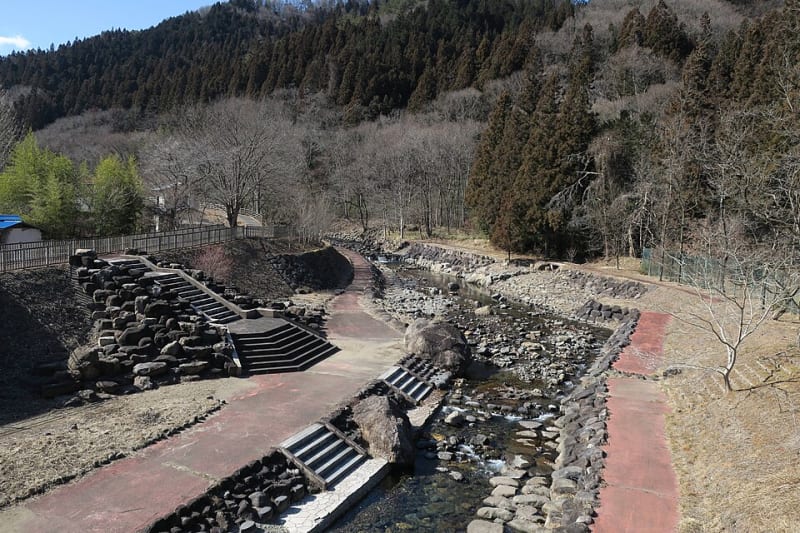
Sawatari Hot Springs is a traditional hot spring resort in Nakanojo, Gunma Prefecture, situated along the Azuma River valley. The waters are a mild alkaline calcium-sodium sulfate-chloride spring with a pH of 8.5. For eight centuries, the spring has carried the title naoshiyu of Kusatsu, meaning the hot spring that heals what Kusatsu damages. Kusatsu's waters are famously intense and acidic, and Sawatari's gentle alkaline spring was traditionally used to restore the skin after bathing there.

A tight lane of flagstone runs through the Yamanouchi district of Nagano Prefecture, lined on both sides by dark timber ryokan with a recorded history stretching back more than 1,300 years. Nine communal bathhouses are distributed through the village, each believed to treat a different ailment, and inn guests may use all of them at no cost. Paper lanterns hang outside wooden storefronts along a streetscape that has gone largely unchanged for four centuries. Just outside town, the Jigokudani snow monkey park draws travelers who combine primate-watching with a stay at this ancient bathing village.