
SpringsAtlas
Search Hot Springs
All hot springs
122 springs found
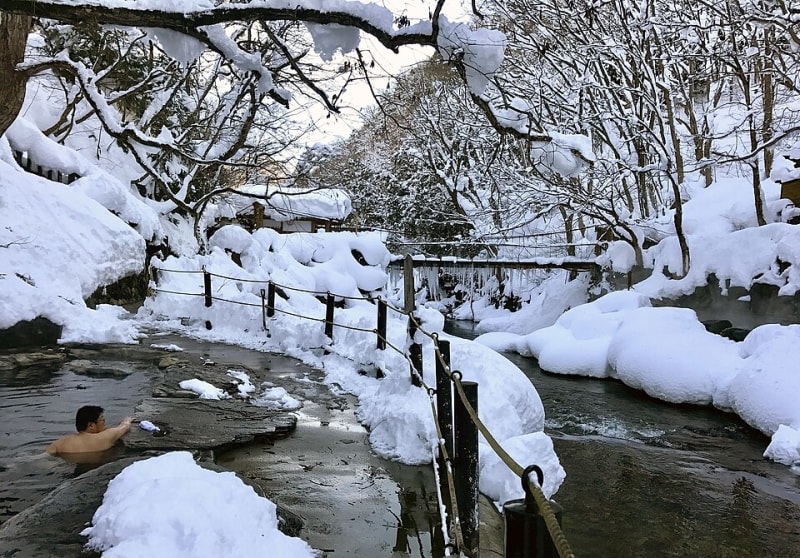
A mountain hot spring resort in Gunma Prefecture, positioned along the Takara River roughly 100 kilometers outside Tokyo. The centerpiece is a large outdoor bath built right at the river's edge, with dense forest climbing the slopes on either side. One portion of the bathing area accommodates mixed-gender soaking. The draw here is the pairing of untamed river scenery with open-air thermal pools.

Ikaho Onsen sits on a hillside in Gunma Prefecture, its layout defined by 365 stone steps that rise through a narrow valley flanked by ryokan and traditional shops. The waters are iron-rich and run a characteristic golden-brown, a color reflecting the mineral content that has drawn visitors since the Nara period. The staircase serves as the town's central axis, with nearly all activity concentrated along its length or on the side streets branching from it.

Yugawara Onsen sits along a river in Kanagawa Prefecture, caught between mountain slopes and the nearby coast. The waters are clear and mild, with a gentle quality that makes them suitable for children and older visitors alike. Most of the ryokan in town open their baths to day visitors, and the overall tempo here is unhurried and low-key.

A highland onsen in Unzen-Amakusa National Park at around 700 meters elevation. The dramatic sulfurous steam vents known as the Jigoku, or Hell Grounds, are the defining feature: they bubble, hiss, and release clouds of white vapor across the landscape. The water here is strongly acidic and celebrated for its skin-healing properties.

Nachikatsuura Onsen is a hot spring resort town on the Kii Peninsula, positioned close to Nachi Falls, the tallest waterfall in Japan. The harbor sits along the ancient Kumano Kodo pilgrimage route, and the town's baths offer two distinct outlooks: some face out over the Pacific Ocean, and others look directly toward the sacred falls. That pairing is rare to find anywhere in Japan.

Iiyama Onsen sits in northern Nagano Prefecture near the Nozawa Onsen highlands and produces water with a pH of 11.3, placing it among the most alkaline natural hot springs anywhere in Japan. The soft, high-alkaline water has long been sought out as a beauty spring, widely praised for the way it smooths and softens the skin. The Hokuriku Shinkansen now stops at Iiyama Station, cutting travel time from Tokyo considerably.

Akinomiya Hot Springs is a cluster of mountain springs situated along the Yakunai River at the western foot of Mount Kurikoma in Akita Prefecture, widely regarded as the prefecture's oldest spring resort. The geothermal area has been catalogued as containing more than 50 individual springs and fumaroles. The innermost of these, Takanoyu, is both the most remote and the most celebrated.

Set on a wooded slope in Beppu's Myoban district, this resort draws visitors for its yunohana, a term meaning hot spring flowers, which are white crystalline deposits that collect on surfaces where steam from the springs cools and condenses. The spring water itself is strongly sulfurous and acidic, rising at high temperatures from one of the eight volcanic source zones that make up Beppu Hatto.
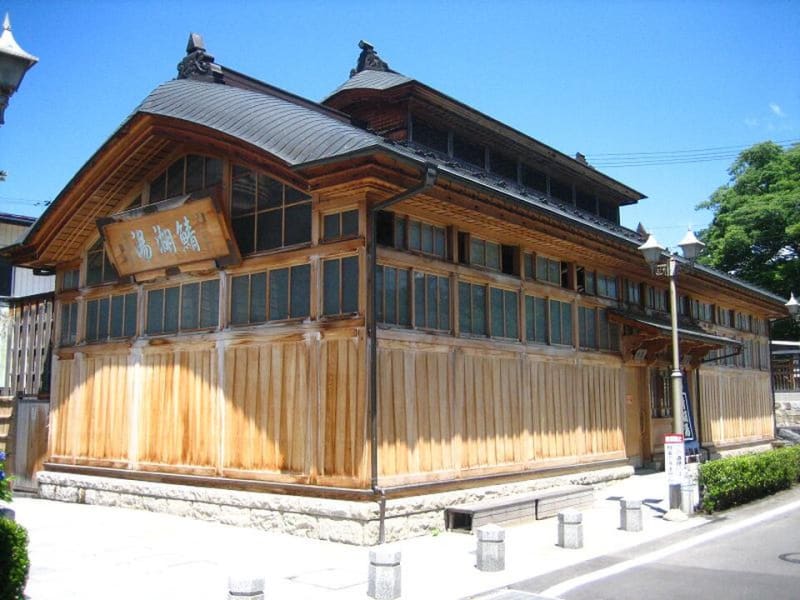
Sabakoyu stands among the oldest communal bathhouses in Japan, situated in the Iizaka district of Fukushima. The structure traces its origins to the seventeenth century. In 1689, the Edo-period poet Matsuo Basho passed through and recorded a visit to the bath in his travel writing. The spring water is a sodium bicarbonate type, clear and without color, and bathers commonly note that it leaves the skin unusually smooth.

Asahidake Onsen is a small hot spring village at the foot of Mount Asahidake in Daisetsuzan National Park, Hokkaido. The mountain reaches 2,290 meters, making it the tallest peak on the island. The village itself sits at roughly 1,000 meters elevation and serves as the lower terminal for the Asahidake Ropeway, which carries visitors up to the volcanic plateau in under ten minutes. Few places in Japan combine open alpine wilderness with naturally flowing hot springs in the same way.

Set deep in the forests outside Oshamanbe in western Hokkaido, this isolated onsen resort draws visitors for one exceptional feature: a 25-meter calcite dome built up gradually by the mineral-laden waters flowing from the spring. The waters carry naturally occurring radon. The dome holds official status as a Hokkaido Natural Monument. Reaching the resort requires either a private vehicle or a transfer arranged in advance.

Shiobara Onsen occupies a river gorge in northern Tochigi Prefecture, where 11 separate spring zones produce water in six distinct mineral types and seven different colors. The range of water chemistry combined with mountain river scenery drew visitors from across Japan during the Meiji era, earning Shiobara a reputation as one of the country's most notable hot spring retreats. More than 50 stone monuments stand throughout the valley marking the visits of notable writers.
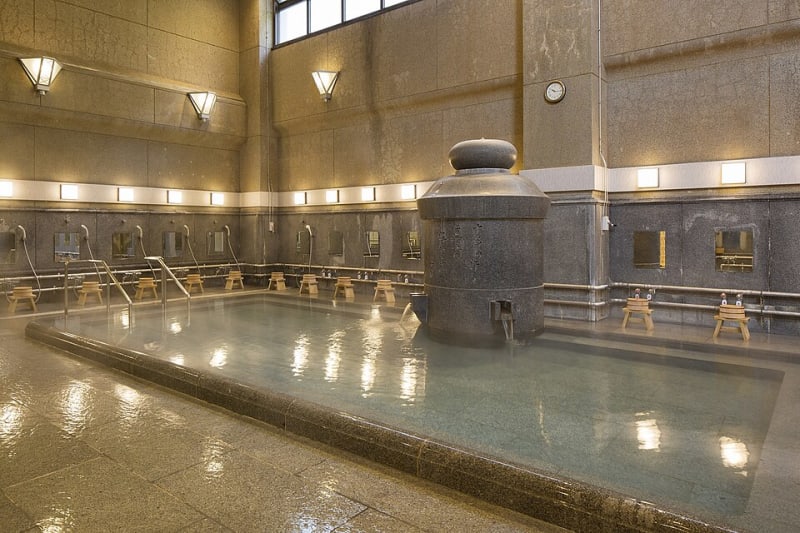
Tsubaki Onsen occupies a single large bathhouse on the Kii Peninsula in Wakayama Prefecture, surrounded by forest and roughly 2.5 hours from Osaka by train. The spring registers pH 9.9, placing it among the most alkaline waters in Japan. The facility is straightforward and well-maintained, attracting visitors from the Kumano region as well as day-trippers traveling in from the coast.

Akaishi Onsen occupies a remote ryokan tucked into the Fujikawa valley of Yamanashi Prefecture, inside Minami Alps National Park. The water is an iron spring, and its minerals stain the stone soaking basins a warm ochre color. Peaks in the surrounding range climb past 3,000 meters. Just inside the forest stands a Himuro Shrine, tended beside a sugi cedar believed to be 1,200 years old.

Yagen Onsen occupies a heavily forested river valley on the Shimokita Peninsula, which forms the northernmost tip of Honshu. Hot spring lodges are grouped into three distinct clusters along the Ohatake River: Shimo-Yagen and Naka-Yagen sit closer to the valley entrance, while Oku-Yagen lies further upstream in more isolated terrain. The area sees little tourist traffic and retains a genuinely untamed character.

Asamushi Onsen is a quiet coastal hot spring town on the shores of Mutsu Bay, roughly 20 minutes from Aomori city by train. The waters here are gentle, and the pace of the place matches them. The town faces the bay, giving visitors open water views, and Asamushi Aquarium sits nearby, considered one of the best marine facilities in Japan.

Miyanoshita sits on a plateau in the Haya River valley within the Hakone caldera and ranks among the oldest and most storied springs in the region. It belongs to the group known as the Seven Hot Springs of Hakone and has drawn both Japanese and foreign travelers since the Edo period. The Fujiya Hotel opened its doors here in 1878 and was among the first Western-style resort hotels in Japan.
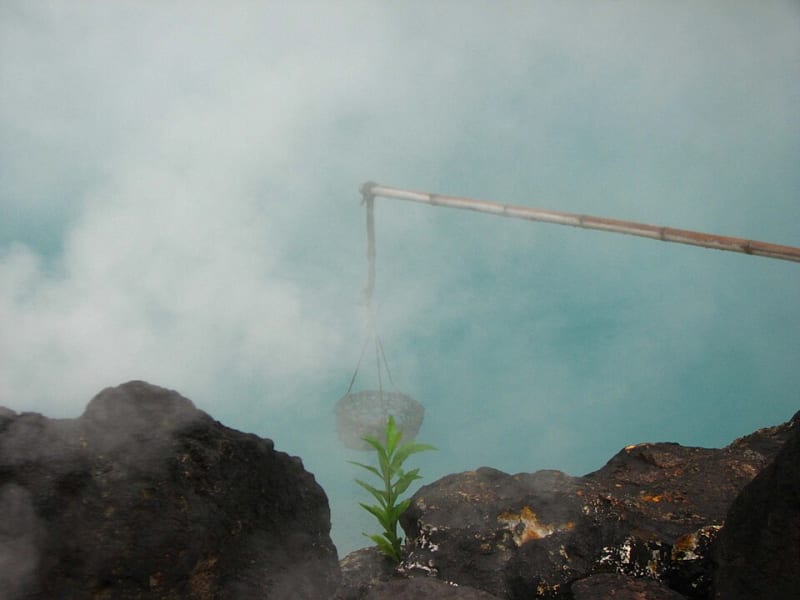
Kankaiji Onsen sits on wooded hillsides along the slopes of Mount Tsurumi at the southern end of Beppu, in Oita Prefecture. The district takes its name from Kankaiji Temple, a name that translates as the Temple Overlooking the Sea. The temple rises above the surrounding area and looks out over Beppu Bay. The springs here tap into the wider Beppu Hatto volcanic system, placing the district within one of the most geothermally active zones in Japan.
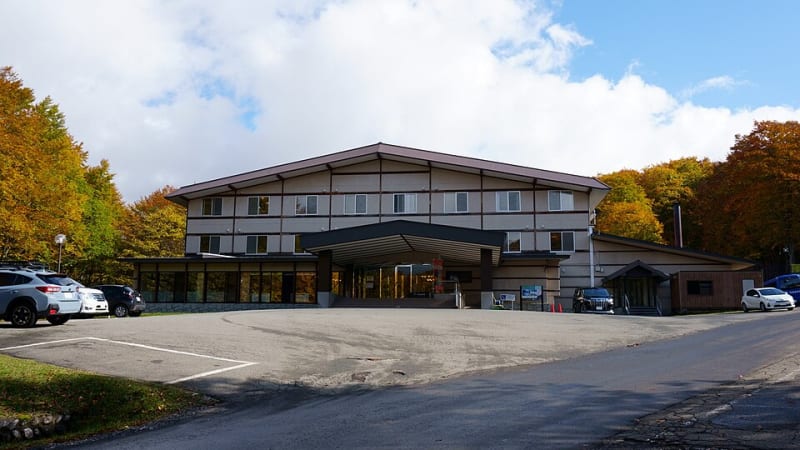
Deep in Towada-Hachimantai National Park, seven small hot spring inns sit among beech forest with few roads connecting them to the outside world. Each inn draws from its own source and has a distinct atmosphere. A pass called the yumeguri-cho covers entry to all seven, letting visitors move between them over the course of a stay. Few onsen groupings anywhere in Japan feel as genuinely remote as this one.

Yuzawa Onsen sits in the Uonuma highlands of Niigata Prefecture, surrounded by snowfields that define the landscape. The town counts at least 27 onsen and ryokan within its bounds, with both public and private bathing options available. Kaikake Onsen is the oldest in the area, with written records going back to the 1400s. Smaller springs, including Akayu Onsen, can be reached on foot via mountain trails.